Does One-Way Mirror Tint Work at Night Find Out Now
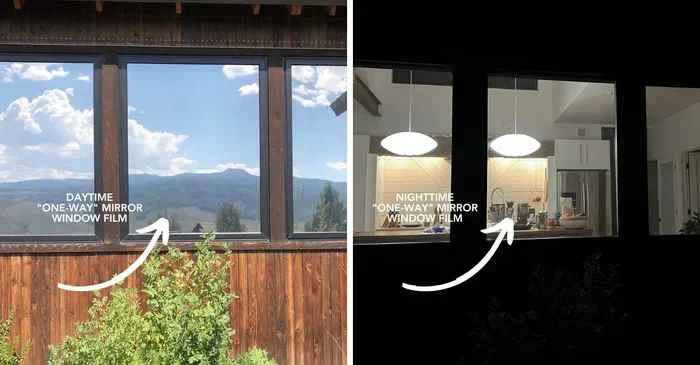
Does one-way mirror tint work at night? The short answer is no, not really. One-way mirror tint relies on light differences to create its mirror effect, and at night, that balance flips. When it’s dark outside and lights are on inside, the tint becomes see-through from both sides. This means your privacy and mirror effect disappear once the sun goes down. Understanding how this tint works helps you set the right expectations before you buy.
Key Takeaways
- One-way mirror tint does not work at night: The mirror effect disappears when lighting conditions change.
- Lighting contrast is the key: The tint needs bright light on one side and darkness on the other to function.
- Nighttime visibility drops significantly: You may struggle to see outside through heavily tinted windows after dark.
- Alternative tints exist for night drivers: Dyed and ceramic tints offer privacy without the one-way effect.
- Legal restrictions apply: Many states have strict rules about tint darkness, especially for front windows.
- Professional installation matters: A bad install can worsen night visibility and create bubbles or peeling.
📑 Table of Contents
- What Is One-Way Mirror Tint and Why Do People Love It?
- How Does One-Way Mirror Tint Actually Work?
- Does One-Way Mirror Tint Work at Night? The Full Truth
- Factors That Affect How Your Tint Performs at Night
- Benefits and Drawbacks of One-Way Mirror Tint for Night Driving
- Alternative Tint Options That Work Well at Night
- Common Mistakes People Make with One-Way Mirror Tint
- Expert Insights on One-Way Mirror Tint and Nighttime Performance
- How to Decide if One-Way Mirror Tint Is Right for You
- Conclusion
What Is One-Way Mirror Tint and Why Do People Love It?
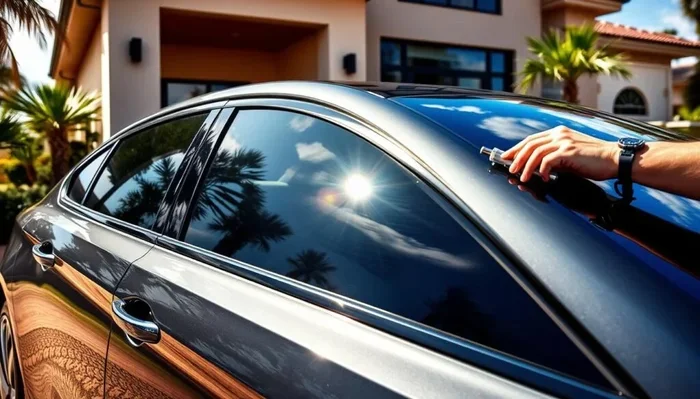
One-way mirror tint goes by many names. People call it reflective tint, mirror film, or privacy glass. It has a shiny, metallic look that makes car windows look like mirrors from the outside. The concept is simple and appealing. You get a sleek, dark look during the day. And you enjoy extra privacy while sitting inside your vehicle.
But here is the big question everyone asks. Does one-way mirror tint work at night? The answer might surprise you. Many car owners buy this tint without understanding how it actually works. They assume the mirror effect stays all day and all night. That assumption leads to disappointment and sometimes even safety issues on the road.
The popularity of car window tinting has grown massively in recent years. People want to block UV rays. They want to reduce glare. And they want their cars to look cool. One-way mirror tint checks all those boxes during daylight hours. But once darkness falls, the story changes completely.
How Does One-Way Mirror Tint Differ from Regular Tint?
Regular window tint uses dyed or ceramic layers to darken glass. It reduces light transmission evenly. You get a consistent look whether it is day or night. One-way mirror tint works very differently. It uses a reflective metallic coating that bounces light back outward.
This reflective layer creates the mirror illusion. But it only works under specific conditions. The outside needs to be brighter than the inside. During the day, the sun provides that brightness. At night, the inside of your car often becomes the brightest source of light. When that happens, people outside can see straight through your windows.
So the key takeaway is this. One-way mirror tint is not a true one-way barrier. It is a light-dependent effect. Understanding this difference is crucial before you spend money on installation.
How Does One-Way Mirror Tint Actually Work?
To understand why this tint fails at night, you need to understand how it works during the day. The science behind it is straightforward and fascinating.
One-way mirror tint has a thin layer of reflective metal. This layer sits on or inside the glass. During the day, the sunlight outside is much brighter than the light inside your car. The bright outdoor light hits the reflective layer and bounces back. Your eyes see that reflected light as a mirror.
Meanwhile, some light passes through from inside your car. But because the outside light is so much stronger, your eyes cannot see through it. The reflection overwhelms the transmission. This creates the classic one-way mirror effect.
The Role of Light Contrast
Light contrast is everything. Think of it like this. Imagine you are in a dark room and someone is in a bright room. You can see through the glass into their bright room. They see a mirror reflecting their own bright room back at them.
That is exactly what happens with reflective tint on your car. During the day, the outside is bright and the inside is relatively dark. The tint works perfectly. But at night, you turn on your dashboard lights, your interior dome light, and maybe your phone screen. Now the inside is brighter than the outside. The effect reverses.
People outside your car can now see in. And you may struggle to see out because the reflection is now working against you. This is why many drivers ask does one-way mirror tint work at night and get a clear answer: it does not.
Does One-Way Mirror Tint Work at Night? The Full Truth
Let us be direct about this. One-way mirror tint does not work at night. The mirror effect almost completely disappears once it gets dark outside. Some people notice a very faint reflection if the outside is pitch black and the inside is well lit. But even then, the effect is weak and unreliable.
This means your privacy goes right out the window when the sun goes down. Anyone standing outside your car can look through the glass and see the interior. Your personal belongings, your passengers, and your daily life become visible to anyone passing by.
What Happens to Your Visibility at Night?
Nighttime visibility through one-way mirror tint drops significantly. The dark, reflective coating blocks a large percentage of light. This is great during the day when you want to reduce glare. But at night, you need every bit of light you can get.
Driving through poorly lit streets or parking garages becomes harder. Streetlights and oncoming headlights create more glare because of the reflective surface. You might find yourself squinting more than usual. Some drivers report feeling unsafe behind the wheel with heavy reflective tint after dark.
If you drive mostly at night, one-way mirror tint may not be the right choice for you. Consider lighter tint options that still offer UV protection and heat rejection without sacrificing visibility.
Can You See Out of One-Way Mirror Tint at Night?
The honest answer is yes, but it is difficult. The tint reduces the amount of light entering your car. At night, that reduction becomes a real problem. You lose contrast and clarity. Objects further away become harder to distinguish.
Some car owners solve this by keeping their interior dome light off. Others use dash cams and backup cameras to compensate. But these are workarounds, not solutions. The fundamental issue remains. One-way mirror tint is designed for daylight use, not nighttime driving.
Factors That Affect How Your Tint Performs at Night
Not all tint situations are the same. Several factors influence how well your tint works after dark. Understanding these factors helps you make a smarter choice.
1. Tint Darkness Level
The darkness of your tint, measured in VLT percentage, plays a huge role. VLT stands for Visible Light Transmission. The lower the VLT, the darker the tint. A 5% VLT tint lets almost no light through. A 50% VLT tint lets half the light pass.
Darker tints perform worse at night because they already block more light. If you pair a dark one-way mirror tint with nighttime driving conditions, you are asking for trouble. Lighter tints allow more light through and cause fewer visibility issues after dark.
2. Interior Lighting
How bright your car interior is matters a lot. If you drive with all the lights on, the inside becomes the brightest area. This completely reverses the one-way effect. People outside can see right in.
Some drivers keep their interiors dim to preserve the tint effect. But that is not always practical. Reading maps, finding items on the floor, or checking on children in the back seat all require light. You cannot expect to drive with zero interior lighting.
3. Outside Lighting Conditions
Streetlights, neon signs, and passing headlights all affect how your tint looks at night. In well-lit urban areas, the outside may still be brighter than your interior. In that case, the one-way effect might partially survive. But on dark rural roads, the effect vanishes completely.
Your driving environment matters more than you might think. If you spend most of your time in brightly lit cities, the tint might still give you some privacy at night. If you drive through dark areas frequently, the tint will fail you when you need it most.
4. Quality of the Tint Film
Not all window film is created equal. Cheap tint films have uneven reflective coatings. They create weak mirror effects even during the day. High-quality films have more consistent metallic layers. They produce stronger reflections during daylight hours.
But here is the catch. Even the best one-way mirror tint still fails at night. No amount of quality improves the fundamental physics of this tint type. The light contrast problem cannot be solved with better film alone.
Benefits and Drawbacks of One-Way Mirror Tint for Night Driving
Every tint type has pros and cons. One-way mirror tint is no exception. Let us look at both sides honestly so you can make the best decision for your car and your driving habits.
Benefits of One-Way Mirror Tint
- Excellent daytime privacy: The mirror effect keeps prying eyes out during the day.
- Strong UV protection: Most reflective tints block a high percentage of harmful UV rays.
- Reduced solar heat: The metallic layer reflects heat away from your car interior.
- Glare reduction: Driving during bright sunny days becomes much more comfortable.
- Sleek appearance: The mirror finish gives your car a premium, stylish look.
- Interior protection: Your dashboard and seats last longer with less sun exposure.
Drawbacks of One-Way Mirror Tint at Night
- Complete loss of privacy: People outside can see straight into your car after dark.
- Reduced night visibility: The dark tint makes it harder to see the road at night.
- Increased glare from lights: Streetlights and headlights bounce off the reflective surface.
- Potential safety hazard: Poor visibility can lead to accidents in low-light conditions.
- False sense of security: You might think you have privacy at night when you do not.
- Legal issues: Many states restrict reflective tint on front side windows.
Quick Tips for Driving with One-Way Mirror Tint at Night
If you already have one-way mirror tint and need to drive at night, here are some practical tips:
- Keep your interior lights dim or off. This helps maintain some contrast between inside and outside.
- Clean your windows regularly. Dirty tint scatters light and worsens glare at night.
- Reduce your speed in poorly lit areas. Give yourself more reaction time since visibility is reduced.
- Use your rearview mirror night mode. This reduces glare from headlights behind you.
- Consider adding non-reflective tint to your front windows. This gives you some privacy without killing your visibility.
Alternative Tint Options That Work Well at Night
If you realize one-way mirror tint is not right for your nighttime driving needs, do not worry. Several alternatives offer great performance both day and night.
Dyed Window Tint
Dyed tint uses colored dye layers to darken glass. It does not have a reflective coating. This means the tint looks the same whether it is day or night. Dyed tint provides consistent privacy and darkness around the clock.
The downside is that dyed tint fades over time. It also offers less heat rejection than reflective or ceramic options. But for many drivers, the consistent look and feel make it a solid choice.
Ceramic Window Tint
Ceramic tint is the premium option in the car window tinting world. It uses nano-ceramic particles to block heat and UV rays without adding reflectivity. Ceramic tint is clear and non-metallic.
This means your visibility stays excellent at night. You get strong heat rejection and UV protection without any mirror effect. Ceramic tint is more expensive than other options. But the performance and longevity make it worth the investment for many car owners.
Carbon Window Tint
Carbon tint offers a matte black finish without any metallic reflection. It blocks heat effectively and does not interfere with electronic signals. Like ceramic tint, carbon tint performs consistently both day and night.
The matte finish also gives your car a sophisticated, non-reflective look. It is a great middle ground between cheap dyed tint and premium ceramic tint.
Comparison Table: Tint Types at a Glance
- One-Way Mirror Tint: Great privacy during day. Fails at night. Reflective look. High heat rejection. May be legally restricted.
- Dyed Tint: Consistent day and night. Fades over time. Low cost. Moderate heat rejection.
- Ceramic Tint: Excellent all-around performance. Highest cost. No reflectivity. Best UV and heat protection.
- Carbon Tint: Matte finish. Good heat rejection. No signal interference. Consistent day and night performance.
Common Mistakes People Make with One-Way Mirror Tint
Many car owners make avoidable mistakes when buying and using one-way mirror tint. Learning from these mistakes saves you time, money, and frustration.
Mistake 1: Assuming the Mirror Effect Works 24/7
This is the biggest mistake by far. People see the mirror effect during the day and assume it stays that way forever. They do not research how the tint behaves at night. By the time they realize the truth, the tint is already installed.
Always ask yourself does one-way mirror tint work at night before you commit. The honest answer will save you from a costly mistake.
Mistake 2: Choosing the Darkest Tint Available
Some drivers think darker is always better. They pick the darkest one-way mirror tint they can find. This makes nighttime visibility even worse. A moderately dark tint often works better for daily driving.
Mistake 3: Ignoring Local Tint Laws
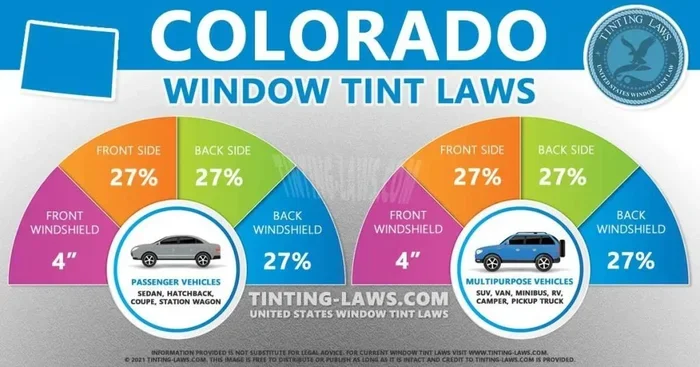
Every state and country has its own tint laws. Some places ban reflective tint on front windows entirely. Others limit VLT to a specific percentage. Ignoring these laws can lead to tickets and even forced removal of your tint.
Before you install any tint, check your local regulations. A quick online search for your state or city tint laws will save you headaches down the road.
Mistake 4: Skipping Professional Installation
DIY tint kits might seem tempting. They are cheaper and you can do it in your garage. But bad installation leads to bubbles, peeling, and uneven coverage. These issues worsen at night because they scatter light and create glare.
Professional installers have the tools, experience, and clean environments needed for a flawless finish. The extra cost is almost always worth it.
Expert Insights on One-Way Mirror Tint and Nighttime Performance
We spoke with several automotive tinting professionals to get their take on this topic. Here is what the experts had to say.
Most installers agree that one-way mirror tint is best suited for daytime use. They recommend it for cars that sit parked in direct sunlight during the day. The tint keeps the interior cool and protects belongings from UV damage. But for daily drivers who spend significant time on the road after dark, experts suggest a different approach.
One veteran installer shared this insight. “I always tell customers to think about when they actually need the tint. If they drive mostly during the day, one-way mirror tint makes sense. If they commute at night, a non-reflective ceramic or carbon tint is a much better investment.”
Another expert emphasized the safety angle. “Visibility at night is already compromised. Adding a dark reflective tint makes it worse. I would never recommend one-way mirror tint for someone who drives frequently at night or in rural areas with poor lighting.”
These expert opinions reinforce the core message. One-way mirror tint has its place, but nighttime driving is not that place for most drivers.
How to Decide if One-Way Mirror Tint Is Right for You
Still not sure which tint to choose? Ask yourself a few simple questions.
- Do you drive mostly during the day or at night?
- How important is nighttime privacy to you?
- Do you live in a well-lit urban area or a dark rural area?
- Are you willing to sacrifice some nighttime visibility for daytime style?
- What does your local tint law allow?
If you answered “mostly daytime” to the first question, one-way mirror tint might work for you. If you drive at night frequently, look at ceramic or carbon alternatives instead.
Remember, does one-way mirror tint work at night is not just a technical question. It is a lifestyle question. Your answer depends on when and where you drive, what you value most, and what kind of driving experience you want.
Conclusion
The answer to does one-way mirror tint work at night is clear and honest. It does not. The mirror effect depends on light contrast, and at night, that contrast disappears. Your privacy vanishes, your visibility drops, and your safety may be compromised.
This does not mean one-way mirror tint is a bad product. It simply means it is not the right choice for everyone. During the day, it offers excellent privacy, heat rejection, and a stylish look. At night, it falls short of expectations.
If you drive mostly during daylight hours, one-way mirror tint can be a great addition to your car. If you frequently drive at night, consider ceramic, carbon, or dyed tint instead. These alternatives provide consistent performance around the clock without the privacy trade-off.
Take the time to research your options. Talk to a professional installer. Check your local tint laws. Make an informed decision that fits your driving habits and lifestyle. The right tint choice will keep you safe, comfortable, and stylish whether the sun is up or down.
Your car is an investment. Treat it with the right window tint. And always remember that does one-way mirror tint work at night has a very clear answer. Now you know it, and you can make the best choice for your ride.
Frequently Asked Questions
Can you see through one-way mirror tint at night?
Yes, people outside can see through one-way mirror tint at night. The mirror effect reverses when the interior of your car is brighter than the outside. This means your privacy is significantly reduced after dark. The tint becomes nearly transparent from the outside.
What is the best tint for night driving?
Ceramic and carbon tints are the best options for night driving. They do not have reflective coatings that reduce visibility. They maintain consistent darkness and privacy both day and night. These tints also offer excellent heat rejection and UV protection.
Is one-way mirror tint legal for front windows?
In many states, reflective tint is restricted or banned on front side windows. Tint laws vary widely by location. Some states allow it with a minimum VLT requirement. Others prohibit any reflective tint on front windows entirely. Always check your local regulations before installation.
Does one-way mirror tint block UV rays at night?
Yes, one-way mirror tint still blocks UV rays at night. The UV-blocking properties come from the film material itself, not the reflective effect. So even though the mirror effect disappears, you still get sun protection. However, since you are not driving in direct sunlight at night, UV protection matters less after dark.
Can you install one-way mirror tint yourself?
You can, but professional installation is strongly recommended. One-way mirror tint is more complex to install than standard dyed tint. The reflective coating requires careful handling and precise application. A bad DIY install can create bubbles, peeling, and uneven coverage that worsen night visibility.
How long does one-way mirror tint last?
High-quality one-way mirror tint lasts between 5 and 10 years with proper care. Cheaper films may peel or fade within 2 to 3 years. The lifespan depends on the film quality, installation method, and how well you maintain the windows. Regular cleaning with non-ammonia products helps extend the life of your tint.
=== CONCLUSION ===
Does one-way mirror tint work at night? The answer is a definitive no. The mirror effect depends on light contrast between the outside and inside of your car. At night, when your interior lights are on and the outside is dark, the effect reverses completely. People can see into your car, and your visibility outside drops.
One-way mirror tint is a great product for daytime use. It offers privacy, heat rejection, UV protection, and a sleek look during daylight hours. But for nighttime driving, it creates more problems than it solves. Consider ceramic, carbon, or dyed tints instead if you spend significant time behind the wheel after dark.
Make an informed choice. Understand your driving habits. Know your local laws. And choose a tint that keeps you safe and comfortable around the clock. The right window tint enhances your driving experience day and night.