40 Percent Window Tint: What Are the Benefits and Drawbacks
40 percent window tint is a popular choice for car owners who want a balanced mix of style, comfort, and protection. It blocks harmful UV rays, reduces solar heat, and adds a sleek look to your vehicle. However, it may reduce visibility in low-light conditions and could conflict with local tint laws. This guide covers every benefit and drawback so you can make an informed decision. Read on to find out if 40 percent tint is the right choice for your car.
If you are thinking about tinting your car windows, you have probably heard of 40 percent window tint. It is one of the most popular tint shades available right now. But what exactly does it mean? And more importantly, what are the real benefits and drawbacks?
In simple terms, a 40 percent tint allows 40 percent of visible light to pass through your car windows. The rest gets blocked. This means your car stays cooler, your privacy increases, and your interior gets better protection from the sun. But there is a trade-off. Reduced visibility, especially at night, is a real concern for many drivers.
This article breaks down everything you need to know about 40 percent window tint. We will cover the benefits, the drawbacks, the legal side, and practical tips to help you decide if this tint level is right for you. Whether you are a daily commuter or a weekend road tripper, this guide has you covered.
Key Takeaways
- UV Protection: 40 percent tint blocks a significant amount of harmful ultraviolet rays that can damage your skin and your car interior.
- Heat Rejection: A 40 percent tint film helps reduce solar heat, keeping your car cooler on hot days.
- Privacy and Comfort: Tinted windows offer added privacy and reduce glare from the sun and headlights.
- Legal Considerations: Tint laws vary by state and country, so always check local regulations before tinting.
- Reduced Night Visibility: A 40 percent tint can make it harder to see at night or in poor weather conditions.
- Installation Matters: Professional installation ensures a bubble-free, long-lasting finish that performs as expected.
- Cost vs. Value: While 40 percent tint costs more than lighter tints, the long-term benefits often justify the investment.
📑 Table of Contents
- What Is 40 Percent Window Tint?
- Benefits of 40 Percent Window Tint
- Drawbacks of 40 Percent Window Tint
- How to Choose the Right 40 Percent Tint Film
- Common Mistakes to Avoid When Tinting Your Car
- Expert Tips for Getting the Most Out of Your 40 Percent Tint
- How Does 40 Percent Tint Compare to Other Shades?
- Final Verdict: Is 40 Percent Window Tint Worth It?
What Is 40 Percent Window Tint?
Before we dive into the pros and cons, let us understand what 40 percent tint actually is. The percentage refers to the visible light transmission (VLT) of the film. A 40 percent VLT means that 40 percent of light passes through the window, and 60 percent gets blocked.
There are different types of tint films available on the market. Dyed tint is the most affordable option. It uses a dye layer to absorb sunlight. Ceramic tint is a step up. It uses nano-ceramic particles to block heat without interfering with electronic signals. Metalized tint contains tiny metal particles that reflect heat and add strength to the window. Each type has its own advantages and price point.
A 40 percent tint falls in the medium range. It is darker than a 50 percent tint but lighter than a 20 percent tint. This makes it a great middle-ground option for drivers who want noticeable tinting without going too dark.
How Tint Percentage Works
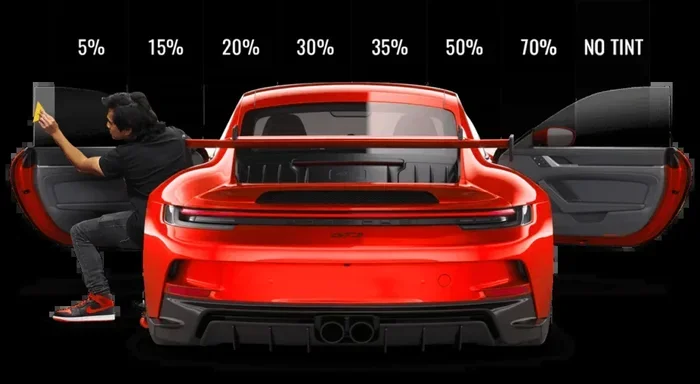
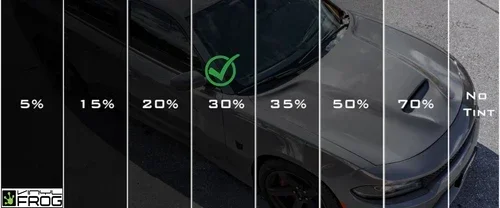
The tint percentage directly affects how much light enters your car. Here is a quick breakdown of common tint levels:
- 50 percent tint: Blocks half the light. Good for glare reduction but subtle in appearance.
- 35 percent tint: A popular choice for a sleek look with decent heat rejection.
- 20 percent tint: Very dark. Offers maximum privacy but can limit visibility.
- 5 percent tint (limo tint): Nearly opaque. Usually illegal for front side windows.
A 40 percent window tint sits comfortably in the middle. It offers a noticeable darkening effect while still allowing enough light for safe driving during the day.
Benefits of 40 Percent Window Tint
Now let us get into the good stuff. There are many reasons why car owners choose a 40 percent tint for their vehicles. Let us explore each benefit in detail.
UV Protection for Your Skin and Car Interior
One of the biggest benefits of 40 percent window tint is UV protection. The sun emits harmful ultraviolet rays that can cause skin damage over time. When you drive with your windows down, your arms, face, and hands are directly exposed to these rays.
A quality tint film can block up to 99 percent of UV radiation. This is a huge deal for people who spend a lot of time behind the wheel. Long-term UV exposure can also cause your car interior to fade and crack. Your dashboard, seats, and steering wheel all take a beating from the sun every single day.
With a 40 percent tint, you protect both your health and your car’s interior. Over time, this can save you money on repairs and replacements.
Heat Rejection and Cooler Cabin
Have you ever gotten into a car that has been sitting in the sun all day? The heat is almost unbearable. A 40 percent window tint can significantly reduce the amount of solar heat that enters your vehicle.
Most tint films reject between 50 and 70 percent of solar heat. Ceramic tint films perform even better. This means your car stays cooler, and your air conditioning does not have to work as hard.
Less strain on your AC system means better fuel efficiency over time. It also means a more comfortable driving experience, especially during hot summer months. You will thank yourself every time you get into your car after it has been parked in the sun.
When you park your car outside, whether at home or at a 24 40 House Plan With Car Parking setup, the tint helps keep the interior temperature more manageable and protects the dashboard and seats from heat damage.
Glare Reduction for Safer Driving
Glare from the sun and headlights can be dangerous. It strains your eyes and makes it harder to see the road clearly. A 40 percent tint reduces glare significantly, making your driving experience more comfortable and safer.
Whether you are driving east at sunrise or west at sunset, tinted windows help cut through the harsh light. You will also notice less glare from the headlights of oncoming traffic at night. This small improvement can make a big difference in your overall driving comfort.
Enhanced Privacy and Security
Let us be honest. One of the main reasons people tint their windows is for privacy. A 40 percent tint makes it harder for people outside to see into your car. This is especially useful when you park in public areas or leave valuables in your vehicle.
Privacy also adds a layer of security. Thieves are less likely to target a car where they cannot easily see what is inside. For families, this means your kids and personal belongings are less visible to strangers.
Aesthetic Appeal and Sleek Look
Let us not forget the visual appeal. A 40 percent window tint gives your car a sleek, polished look. It enhances the vehicle’s lines and gives it a more finished appearance. Many car owners choose tinting simply because it makes their car look better.
The dark, uniform look of a 40 percent tint works well on almost any vehicle. Whether you drive a sedan, SUV, or truck, tinted windows add a touch of sophistication. It is one of the easiest and most affordable ways to upgrade your car’s appearance.
When you combine the aesthetic benefit with the practical advantages, it is easy to see why 40 percent tint is such a popular choice among car enthusiasts and daily drivers alike.
Protection from Shattered Glass
Another often-overlooked benefit of window tint is its protective quality in the event of an accident or break-in. Tint film holds shattered glass together, reducing the risk of injury from flying glass fragments. This is a safety feature that many people do not think about until it is too late.
While no tint can prevent breakage, the film acts as a protective layer that can save you from serious cuts and injuries. This is especially important for side and rear windows that are more vulnerable in collisions.
Drawbacks of 40 Percent Window Tint
Every coin has two sides. While there are many benefits, a 40 percent tint also comes with some drawbacks. Let us look at them honestly so you can make a fully informed decision.
Reduced Visibility at Night
The biggest drawback of a 40 percent tint is reduced visibility in low-light conditions. At night or during heavy rain, fog, or snow, your ability to see the road can be compromised. The tint blocks some of the light that your eyes need to process visual information.
This is especially true for older drivers or those with vision issues. If you frequently drive at night on poorly lit roads, a 40 percent tint might not be the best choice for you. Consider your daily driving conditions carefully before committing to this shade level.
Legal Restrictions and Fines
Tint laws vary widely from state to state and country to country. In some areas, a 40 percent tint on front side windows is perfectly legal. In others, it may be too dark and could result in a fine or a requirement to remove the tint.
Before you get your windows tinted, research your local laws. Check the legal VLT limits for front and rear windows. Some states allow darker tints on rear windows but enforce stricter limits on the front. Ignorance of the law is not an excuse, and you do not want to deal with fines or having to remove your tint.
Always ask your tint installer about local regulations before starting the job. A reputable shop will know the laws and can advise you on what is legal for your specific vehicle.
Higher Cost Than Lighter Tints
A 40 percent tint costs more than a lighter shade like 50 percent or 70 percent. The price difference comes from the additional materials and manufacturing process required to achieve a darker film.
On average, professional tinting for all windows can range from $200 to $500 depending on the type of film and your location. Ceramic tint will cost more than dyed tint. While the price is a consideration, many car owners feel the long-term benefits outweigh the upfront cost.
When you factor in the protection it provides to your car interior and the comfort it offers during hot weather, the cost becomes more justifiable. Think of it as an investment in your vehicle.
Potential Signal Interference
Some tint films, especially metalized ones, can interfere with electronic signals. This includes GPS, cell phone reception, and radio frequency identification (RFID) tags used for toll passes and keyless entry systems.
If you rely heavily on electronic devices in your car, this is something to consider. Ceramic tint is the best option if you want to avoid signal interference. It blocks heat effectively without disrupting your electronic signals. Always ask your installer about the type of film they use and whether it might affect your car’s electronics.
Difficulty in Emergency Situations
In the event of an emergency, rescue personnel need to see into your vehicle. A darker tint can make it harder for first responders to assess the situation inside your car. Some emergency personnel have expressed concerns about tinted windows slowing down rescue efforts.
While this is a rare scenario, it is worth keeping in mind. This is one reason why many jurisdictions have specific tint laws for front side windows, where driver visibility is most critical.
How to Choose the Right 40 Percent Tint Film
Not all tint films are created equal. When choosing a 40 percent window tint, there are several factors to consider. Let us walk through the key decision points.
Dyed vs. Ceramic vs. Metalized
The type of film you choose matters a lot. Here is a quick comparison:
- Dyed tint: Affordable but less effective at heat rejection. May fade over time.
- Metalized tint: Better heat rejection and durability. May interfere with signals.
- Ceramic tint: Best performance overall. No signal interference. Most expensive option.
For a 40 percent tint, ceramic is the top choice if budget allows. It offers the best balance of heat rejection, clarity, and durability. If you are on a tighter budget, dyed tint is a decent starting point, but you may need to replace it sooner.
Brand Reputation and Warranty
Choose a reputable brand when selecting your tint film. Well-known brands like 3M, Llumar, and SunTek offer quality products with solid warranties. A good warranty should cover bubbling, peeling, and fading for several years.
Do not just go with the cheapest option you find. A low-quality film can peel, bubble, and fade within a year or two. Investing in a quality film from a trusted brand ensures your tint looks great and performs well for a long time.
Professional Installation vs. DIY
While DIY tint kits are available, professional installation is highly recommended. A professional installer has the tools, experience, and clean environment needed to apply tint without bubbles or wrinkles.
Improper installation can lead to air bubbles, water spots, and uneven application. These issues not only look bad but can also reduce the performance of the tint film. If you are not experienced with tint installation, it is worth paying for professional service.
Consider Your Climate and Driving Habits
Your local climate and driving habits should influence your tint choice. If you live in a hot, sunny area, a ceramic 40 percent tint with high heat rejection is ideal. If you live in a cooler climate, a basic dyed tint might be sufficient.
Think about when and where you drive most often. If you spend a lot of time in direct sunlight, prioritize heat rejection and UV protection. If you drive mostly at night, consider whether the tint will impact your visibility too much.
Common Mistakes to Avoid When Tinting Your Car
Tinting your car is a significant investment. Avoid these common mistakes to get the best results.
Skipping Research on Local Laws
The most common mistake is not researching tint laws before getting your windows tinted. You could end up with a tint that is too dark for your area, leading to fines and the hassle of having it removed. Always check your local regulations first.
Choosing the Cheapest Option
Going with the cheapest tint film or installer often leads to poor results. Low-quality films fade quickly, bubble, and peel. Cheap installers may rush the job, leaving you with an uneven finish. You get what you pay for in most cases.
Ignoring Aftercare Instructions
After getting your windows tinted, follow the aftercare instructions carefully. Do not roll down your windows for at least 24 to 48 hours. Avoid cleaning the tinted side of the windows for a few days. These simple steps help the tint cure properly and last longer.
Not Considering Resale Value
While tinting can enhance your car’s look, overly dark tints can sometimes reduce resale value. Some buyers prefer lighter tints or no tint at all. A 40 percent tint is generally a safe choice that most people find acceptable, but keep resale value in mind if you plan to sell your car soon.
Expert Tips for Getting the Most Out of Your 40 Percent Tint
Want to maximize the benefits of your 40 percent window tint? Here are some expert tips to help you get the most out of your investment.
- Choose ceramic film: It offers the best heat rejection and clarity without signal interference.
- Invest in professional installation: A proper installation makes a huge difference in durability and appearance.
- Ask about warranty: A good warranty protects you against defects and premature failure.
- Clean with proper products: Use ammonia-free cleaners and soft cloths to keep your tint looking great.
- Park in the shade when possible: Even with tint, parking in direct sunlight will heat up your car. Shade helps preserve both your tint and your interior.
- Consider a second opinion: If you are unsure about the shade, ask your installer for a sample film to hold against your window before committing.
When you take care of your tint properly, it can last for many years without significant degradation. The initial investment pays off through better comfort, protection, and aesthetics.
How Does 40 Percent Tint Compare to Other Shades?
Still not sure if 40 percent is right for you? Let us compare it to other popular tint shades.
- 50 percent tint: Lighter and more transparent. Better for night driving but less heat rejection and privacy.
- 35 percent tint: Slightly darker than 40 percent. Offers a sportier look with similar benefits.
- 20 percent tint: Much darker. Maximum privacy but significantly reduced visibility, especially at night.
A 40 percent window tint strikes a nice balance. It is dark enough to provide real benefits but light enough to maintain good visibility during the day. For most drivers, this is the sweet spot between style and safety.
Final Verdict: Is 40 Percent Window Tint Worth It?
So, is a 40 percent tint worth it? For most car owners, the answer is yes. The benefits of UV protection, heat rejection, glare reduction, privacy, and aesthetic appeal make it a solid choice for everyday driving.
The drawbacks, such as reduced night visibility and legal considerations, are manageable with the right approach. Choose a quality film, get professional installation, and make sure your tint complies with local laws.
Whether you are looking to protect your car interior, stay cooler on hot days, or simply give your vehicle a sleek new look, a 40 percent window tint delivers on all fronts. It is one of the best value-added upgrades you can make to your car.
Take the time to research your options, find a reputable installer, and enjoy the benefits of a properly tinted vehicle. Your car and your driving experience will thank you.
Frequently Asked Questions
Is 40 percent window tint legal in all states?
No, tint laws vary by state and country. Some states allow 40 percent tint on front side windows, while others require a higher VLT percentage. Always check your local regulations before getting your windows tinted to avoid fines or legal issues.
Can I see clearly at night with a 40 percent tint?
Visibility at night is reduced with a 40 percent tint compared to no tint or a lighter shade. If you frequently drive at night on dark roads, consider whether the reduced visibility is acceptable for your driving conditions. A lighter tint may be a better option for nighttime drivers.
How long does a 40 percent tint last?
A quality tint film can last anywhere from 5 to 10 years or more with proper care. Ceramic tints tend to last the longest. Dyed tints may fade or bubble sooner, especially if exposed to harsh conditions or if the installation quality is poor.
Does 40 percent tint block UV rays?
Yes, a good quality 40 percent tint can block up to 99 percent of harmful UV rays. This protection helps prevent skin damage and keeps your car interior from fading and cracking due to sun exposure.
How much does it cost to tint windows at 40 percent?
The cost varies depending on the type of film, your vehicle size, and your location. On average, professional tinting for all windows ranges from $200 to $500. Ceramic tint will cost more than dyed tint, but it also offers better performance and durability.
Can I tint my windshield with a 40 percent film?
Most jurisdictions do not allow any tint on the windshield except for a small strip at the top. A 40 percent tint on the windshield is typically illegal. Check your local laws and discuss options with your tint installer before proceeding.
=== CONCLUSION ===
A 40 percent window tint offers a fantastic balance of style, comfort, and protection for your vehicle. From blocking harmful UV rays to reducing solar heat and adding a sleek look, the benefits are clear and compelling. The drawbacks, such as reduced night visibility and legal considerations, are manageable with proper research and planning.
Choose a quality film, invest in professional installation, and always follow your local tint laws. With the right approach, a 40 percent tint can transform your driving experience and protect your car for years to come. Take the leap and give your car the upgrade it deserves.