Car Rear View Mirror: Types and Functions Explained
A car rear view mirror is one of the most important safety tools inside your vehicle. Understanding the different types and functions helps you drive safer and see more clearly on every trip. This guide covers everything from basic manual mirrors to advanced auto-dimming and smart mirror options.
A car rear view mirror might look like a small, simple piece of glass. But it plays a huge role in keeping you safe on the road. Without it, you would have no way to see what is happening behind your vehicle while driving.
Whether you drive a new sedan or an older hatchback, your rear view mirror is always doing its job. It helps you check traffic, change lanes safely, and brake with confidence. Yet many drivers never think about the different types available or how each one works.
This guide breaks down every type of car rear view mirror you will encounter. We also explain the functions each one serves. By the end, you will know exactly which mirror suits your needs and why proper mirror use matters so much for driving safety.
Key Takeaways
- Manual mirrors are simple, affordable, and found in most older vehicles.
- Auto-dimming mirrors reduce glare from headlights behind you at night.
- Convex mirrors give a wider field of view and help reduce blind spots.
- Towing mirrors extend outward for better visibility when hauling a trailer.
- Smart mirrors integrate cameras and displays for modern driving safety.
- Proper adjustment of all mirrors is essential for safe driving.
- Regular maintenance keeps your mirrors clean and functioning well.
📑 Table of Contents
What Is a Car Rear View Mirror?
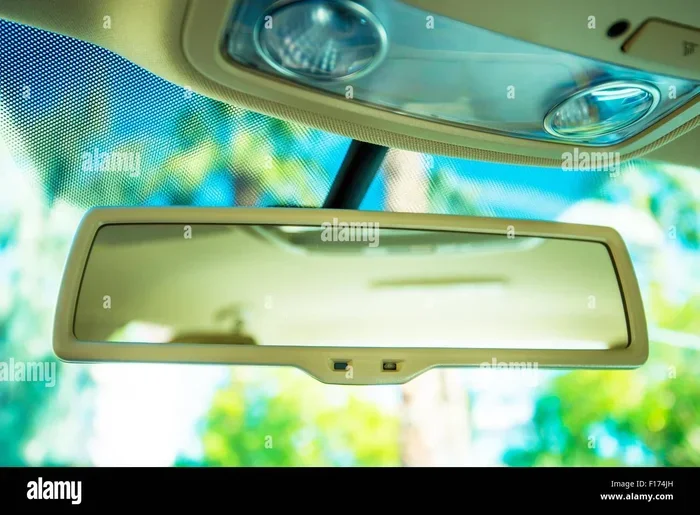
A rear view mirror is a reflective surface mounted on the windshield inside your car. Its main job is to let you see the road behind you without turning your head. This simple tool is a core part of safe driving.
Most cars come with a rear view mirror as standard equipment. It is usually attached to the windshield with a suction cup or adhesive base. Some mirrors also have a small lever or button to adjust the angle.
The mirror reflects light from behind your vehicle back into your eyes. This gives you a clear picture of the traffic flow behind you. Over the years, mirror technology has improved a lot. Today, you can find mirrors with built-in lights, heating elements, and even cameras.
Types of Car Rear View Mirrors
Not all rear view mirrors are the same. Different types serve different purposes and suit different driving needs. Here is a detailed look at each type.
1. Manual Rear View Mirror
The manual mirror is the most basic type. It uses a simple glass surface with a reflective coating on the back. You adjust it by hand using a small lever or knob on the bottom of the mirror.
This type is found in most older vehicles and budget cars. It does not need any electricity to work. That makes it very reliable and easy to maintain. All you need to do is flip the lever to change between day and night modes.
The day mode reflects light directly back. The night mode angles the glass slightly to reduce glare. It is a simple but effective solution for most drivers.
2. Auto-Dimming Rear View Mirror
An auto-dimming mirror uses special technology to reduce glare automatically. It contains a sensor that detects bright light from behind. When it senses glare, the mirror darkens the reflection slightly.
This type is very popular in modern cars. It helps prevent temporary blindness caused by headlights from vehicles behind you. You do not need to flip any lever. The mirror handles everything on its own.
Auto-dimming mirrors use electrochromic technology. This means the glass changes darkness level based on light intensity. Some premium models also include a compass, temperature display, or HomeLink button.
3. Convex Rear View Mirror
A convex mirror curves outward. This shape gives you a much wider field of view than a flat mirror. It is especially useful for seeing more of the road behind you.
Convex mirrors are often used as additional side mirrors. They help reduce blind spots significantly. Many drivers add a small convex mirror to their existing rear view mirror for extra coverage.
The trade-off is that objects appear smaller and farther away than they really are. This can sometimes trick your depth perception. So you should always use convex mirrors as a supplement, not a replacement for the main mirror.
4. Towing Rear View Mirror
If you pull a trailer or caravan, a standard mirror may not give you enough visibility. Towing mirrors are larger and extend outward. They help you see the full width of your trailer and the road behind it.
These mirrors are available in manual and power-adjusted versions. Some models clip onto your existing mirrors. Others replace them entirely. They are a must-have for anyone who tows regularly.
Towing mirrors improve safety when changing lanes or reversing with a heavy load. They give you confidence and better control on the road.
5. Smart Rear View Mirror
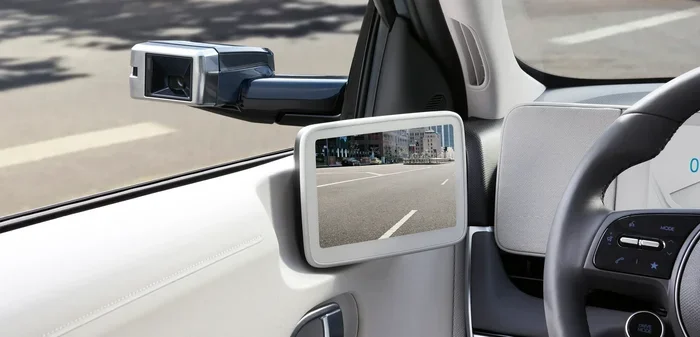
Smart mirrors are the latest innovation in car mirror technology. They combine a traditional mirror with a built-in display screen. The screen can show a live feed from a rear-facing camera mounted on your vehicle.
This is especially helpful when your rear window is blocked by cargo or passengers. The camera gives you a clear, unobstructed view of the road behind you. Some smart mirrors also include GPS navigation and backup guidelines.
Many smart mirrors integrate with your phone or car infotainment system. You can get features like lane departure warnings and collision alerts displayed right on the mirror. To learn more about enhancing your car’s safety tech, check out this guide on 360 Car Security Camera systems that pair well with smart mirrors.
Functions of a Car Rear View Mirror
A rear view mirror does much more than just reflect light. Each type serves specific functions that improve your driving experience. Let us explore the key functions in detail.
1. Visibility Behind the Vehicle
The primary function of any rear view mirror is to show you the traffic behind your car. Without it, changing lanes or merging would be risky and stressful. The mirror lets you check for vehicles, motorcycles, and cyclists approaching from behind.
Good visibility helps you make better decisions on the road. You can judge the speed of cars behind you and react accordingly. This simple function alone makes driving much safer for everyone.
2. Glare Reduction
Glare from headlights at night is a serious driving hazard. It can temporarily blind you and make it hard to see the road ahead. Auto-dimming mirrors are specifically designed to solve this problem.
Manual mirrors also have a night mode. You simply flip the small lever to angle the glass and reduce the reflection. This small change can make a big difference during night driving.
For even better results, consider pairing your mirror with a quality 3M Anti Glare Film For Car Windshield. This film reduces overall glare entering your cabin and works hand in hand with your mirror setup.
3. Depth Perception and Distance Judgement
Your rear view mirror helps you judge the distance between your car and the vehicle behind you. This is important when you are slowing down or braking. A flat mirror gives the most accurate distance perception.
Convex mirrors, as mentioned earlier, can distort distance. Objects may look farther away than they actually are. This is why experts recommend using convex mirrors only as supplements to your main mirror.
4. Enhanced Towing and Hauling Visibility
When you tow a trailer, your regular mirror setup may not cover the full area behind you. Towing mirrors extend your field of view significantly. They help you see the trailer’s position and the road behind it clearly.
This function is critical for safe lane changes and turns while towing. Without proper towing mirrors, you risk hitting other vehicles or drifting out of your lane.
5. Integration with Car Safety Systems
Modern smart mirrors connect with advanced car safety systems. They can display backup camera feeds, collision warnings, and navigation data. This integration makes the mirror a central hub for driving information.
Some systems also link with your car’s 12V power socket to keep the mirror and its electronics running. To explore more car accessories that enhance your vehicle’s functionality, check out our guide on 12V Power Socket Car options and accessories.
How to Choose the Right Rear View Mirror
Choosing the right mirror depends on your vehicle, driving habits, and budget. Here are some tips to help you decide.
- Check your vehicle type. Sedans and SUVs may need different mirror sizes. Make sure the mirror fits your windshield properly.
- Consider your driving conditions. If you drive a lot at night, an auto-dimming mirror is a great investment.
- Think about towing needs. If you pull trailers often, invest in quality towing mirrors.
- Set a budget. Manual mirrors are the most affordable. Smart mirrors cost more but offer the most features.
- Look for compatibility. Make sure the mirror works with your car’s existing electrical system if you choose a powered model.
Common Mistakes Drivers Make with Rear View Mirrors
Even though rear view mirrors are simple, many drivers use them incorrectly. Here are common mistakes to avoid.
Not adjusting the mirror properly. Many drivers set their mirror once and never touch it again. But your mirror position should change based on seat position, passengers, and cargo. Take a few seconds to adjust before every drive.
Ignoring the blind spot. Your rear view mirror cannot show everything. Always use your side mirrors and check over your shoulder before changing lanes. The mirror is a tool, not a replacement for careful observation.
Using a cracked or damaged mirror. A cracked mirror distorts your view and reduces safety. Replace your mirror as soon as you notice damage. A new mirror glass is inexpensive and easy to install.
Overcrowding the rear window. If your rear window is blocked by cargo, a large bag, or passengers, your mirror becomes useless. Use a backup camera or a smart mirror with a rear-facing camera instead.
Maintaining Your Car Rear View Mirror
Proper maintenance keeps your mirror working well for years. Follow these simple tips to care for your mirror.
- Clean the glass regularly. Use a microfiber cloth and a gentle glass cleaner. Avoid harsh chemicals that can damage the reflective coating.
- Check the mount and suction cup. Over time, suction cups can weaken. Replace them if the mirror wobbles or falls off.
- Test auto-dimming function. If you have an auto-dimming mirror, test it periodically with bright headlights to make sure it still works.
- Replace damaged mirror glass. Do not drive with a cracked or shattered mirror. Replace it immediately for safety.
- Keep the surrounding windshield clean. A dirty windshield around the mirror can reduce clarity and visibility.
For general car cleaning supplies that help keep your mirror and windshield spotless, check out our article on 3M Car Shampoo 1L and other car care essentials.
Expert Tips for Better Mirror Use
Professional drivers and driving instructors share these tips for getting the most from your rear view mirror.
- Adjust before you start driving. Set your mirrors while parked and seated in your normal driving position.
- Use the “lean and adjust” method. Lean your head to the center of the windshield to adjust the rear view mirror. Lean left and right to adjust each side mirror.
- Keep your mirrors clean inside and out. Dust and fingerprints reduce clarity significantly.
- Replace mirrors every 5 years. Even if there is no visible damage, the reflective coating can degrade over time.
- Consider adding a blind spot mirror. A small convex mirror on your side mirror can greatly improve your peripheral vision.
These expert tips are simple to follow and make a big difference in your daily driving safety. A well-adjusted mirror setup gives you confidence and awareness on every trip.
Conclusion
The car rear view mirror is one of the most important safety features in your vehicle. From basic manual mirrors to advanced smart mirrors, each type serves a unique purpose. Understanding the different types and functions helps you make better choices for your car and your safety.
Take the time to adjust your mirror properly. Keep it clean and replace it when needed. Consider upgrading to an auto-dimming or smart mirror if your driving needs require it. A good mirror setup gives you clearer visibility, better depth perception, and greater confidence on the road.
Safe driving starts with seeing clearly. Your rear view mirror is your window to what happens behind you. Treat it with care and it will keep you safe mile after mile.
Frequently Asked Questions
How often should I replace my car rear view mirror?
There is no fixed schedule, but you should replace it whenever the glass is cracked, the reflective coating peels, or the mount becomes loose. On average, a well-maintained mirror can last 5 to 10 years. If you notice any distortion or wobbling, it is time for a replacement.
Can I install a rear view mirror myself?
Yes, most rear view mirrors are designed for easy DIY installation. Manual mirrors use a suction cup or adhesive that attaches directly to the windshield. Powered or smart mirrors may require wiring, but many come with simple plug-and-play setups. Always follow the manufacturer’s instructions carefully.
What is the difference between a manual and auto-dimming mirror?
A manual mirror requires you to flip a small lever to reduce glare at night. An auto-dimming mirror uses sensors to detect light and automatically darkens the reflection. Auto-dimming mirrors are more convenient and offer better protection against nighttime glare.
Are convex mirrors legal for use on cars?
Yes, convex mirrors are legal and commonly used as additional side mirrors. They are especially helpful for reducing blind spots. However, they should be used as supplements to your main rear view mirror, not as a replacement, because they distort distance perception.
Do smart mirrors work in all car models?
Smart mirrors are available for most car models, but compatibility varies. Some are universal and fit any windshield, while others are designed for specific makes and models. Check the product specifications and your vehicle dimensions before purchasing.
What should I do if my rear view mirror keeps falling off?
A falling mirror usually means the suction cup or adhesive is worn out. You can replace the suction cup or use a mirror adhesive pad for a stronger hold. Clean both the mirror base and the windshield with rubbing alcohol before reattaching for the best grip.