Colorado Window Tint Law Everything You Need To Know
Colorado window tint law sets clear rules for how dark or reflective your car windows can be. Every vehicle must meet specific visible light transmission limits based on the window being tinted. Understanding these rules helps you avoid fines, pass inspections, and choose the right tint for your ride.
Key Takeaways
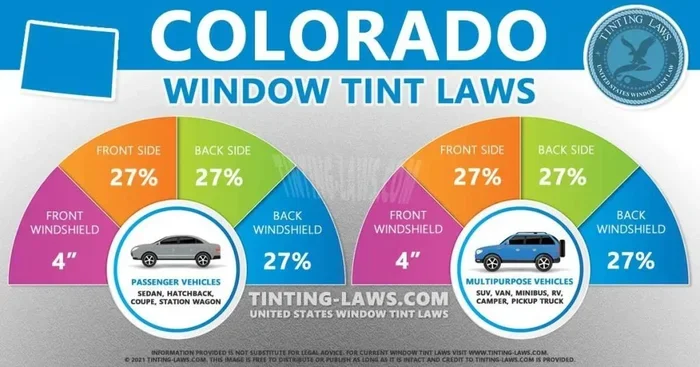
- Front windshield tint: Only a non-reflective strip along the top is allowed, and it must not extend below the AS-1 line.
- Front side windows: Must allow more than 27% of light through. This is the strictest rule in Colorado.
- Rear side and rear windows: Can be tinted to any darkness level, giving you more flexibility for back seats.
- Medical exemptions: Colorado allows special permits for those with sun-sensitive medical conditions.
- Penalties are real: Illegal tint can result in fines ranging from $500 to $1,000 or more.
- Sticker requirement: Vehicles with legal tint must display a compliance sticker on the driver’s side.
- Tint quality matters: Choosing the right film type helps you stay compliant while getting the benefits you want.
📑 Table of Contents
Understanding Colorado Window Tint Law Basics
If you own a car in Colorado, you have probably thought about tinting your windows. Maybe you want to beat the sun. Maybe you like the look. Or maybe you just want more privacy. Whatever your reason, there is one thing you need to know before you roll into a tint shop: Colorado window tint law has specific rules you must follow.
The state of Colorado regulates how dark and how reflective your car windows can be. These rules are not suggestions. They are enforceable laws backed by penalties. The main measure used is called visible light transmission, or VLT for short. VLT measures how much light passes through your window film. The lower the number, the darker the tint.
Colorado’s rules apply to every window on your vehicle, but not all windows have the same limits. The front windshield has its own rules. The front side windows have strict limits. And the rear windows give you a bit more freedom. Understanding these basics is the first step to staying legal and avoiding trouble on the road.
What Does VLT Mean in Simple Terms?
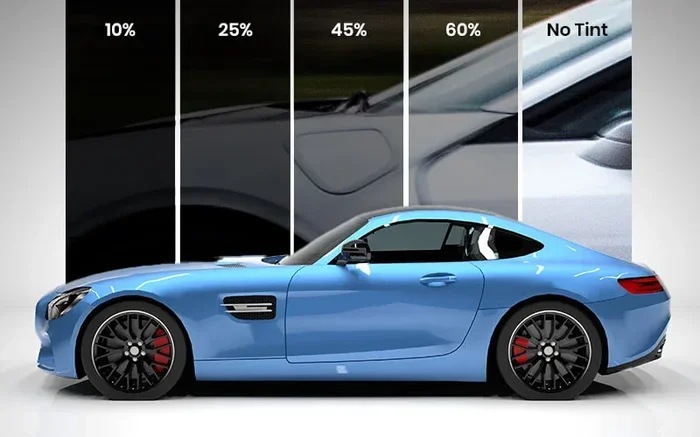
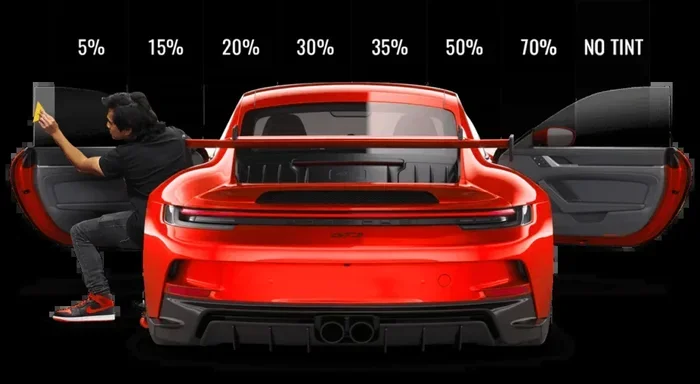
Visible light transmission might sound technical, but it is really simple. Think of it as a percentage. A VLT of 70% means 70% of outside light gets through your window. A VLT of 35% means only 35% gets through. The rest is blocked by the film. Colorado sets minimum VLT levels for different windows. Your tint must let in at least that much light. The higher the VLT number, the more light passes through and the lighter the tint appears.
Why Do States Regulate Window Tint?
You might wonder why states even have tint laws. The reasons are practical. Dark windows can block a driver’s view, especially at night or in bad weather. They can also make it hard for police officers to see inside your vehicle during a traffic stop. Tint laws balance personal preference with public safety. Colorado takes this balance seriously, and the rules are clear about what is allowed and what is not. The goal is to protect both drivers and law enforcement while still allowing people to customize their vehicles.
Another reason relates to driver visibility. When tint is too dark, it reduces the amount of light entering the cabin. This can make it harder to see pedestrians, cyclists, and other vehicles. In Colorado, where mountain driving and sudden weather changes are common, maintaining good visibility through your windows is especially important. The state’s tint laws reflect these safety concerns.
Legal Tint Limits for Each Window in Colorado
Now let us get into the specifics. Colorado breaks down its tint rules by window position. Each window has its own legal limit. Knowing these limits helps you make smart choices when you buy film for your car. Let us walk through each window one by one.
Front Windshield Tint Rules
The front windshield gets the most restrictive treatment in Colorado. You cannot tint the entire windshield. The law allows a non-reflective tint strip along the top. This strip must be above the manufacturer’s AS-1 line, which is usually printed on the windshield itself. The tint on the front windshield cannot be more than four inches down from the top. It also cannot be reflective. This rule keeps the driver’s view clear while still offering some sun protection at the top of the windshield.
The AS-1 line is an important reference point. If you are not sure where it is on your windshield, check your vehicle manual or ask your dealer. The line is typically found in the upper portion of the windshield and is part of the original glass manufacturing. Any tint placed below this line on the front windshield is illegal in Colorado. This is one of the most commonly violated rules, so pay close attention to it.
Front Side Windows
The front side windows, both driver and passenger sides, must allow more than 27% of visible light to pass through. This is the strictest rule in Colorado’s tint regulations. Many popular tint films fall below this threshold, so you need to be careful about what you choose. If you want a dark look on your front windows, you will need to find a film that stays above 27% VLT.
This rule exists because the driver and passenger front windows are the primary source of side visibility. Officers need to see into these windows during traffic stops. Other drivers need to see your facial expressions and eye movement. The 27% minimum ensures that a reasonable amount of light passes through, maintaining the safety benefits of clear side windows. Always ask your tint installer for the exact VLT percentage of the film they plan to use.
Rear Side Windows and Rear Window
Here is where things get easier. The rear side windows and the rear window can be tinted to any darkness level. There is no minimum VLT requirement for these windows. You can go as dark as you want. This gives you a lot of flexibility if you want maximum privacy or heat rejection in the back seat. Just keep in mind that if your rear windows are tinted very dark, you may need to install dual side mirrors to compensate for reduced visibility.
The reason for the relaxed rules on rear windows is straightforward. Rear passengers are less likely to be involved in the kind of quick visual exchanges that front-seat drivers need. The rear window tint also does not affect the driver’s direct line of sight the way front windows do. However, the dual mirror requirement is there for a reason. If you cannot see clearly out of the rear window, side mirrors become essential for safe lane changes and merging.
Quick Comparison Table
| Window | Legal Tint Limit | Reflective Tint Allowed? |
|---|---|---|
| Front Windshield | Non-reflective strip only, above AS-1 line, max 4 inches | No |
| Front Side Windows | Must allow more than 27% VLT | No |
| Rear Side Windows | Any darkness allowed | No |
| Rear Window | Any darkness allowed | No |
Common Mistakes People Make with Front Window Tint
One of the biggest mistakes is assuming all windows follow the same rule. They do not. Many people tint their front side windows too dark and do not realize they are breaking the law until they get pulled over. Another mistake is not checking the AS-1 line on the windshield. The tint strip must stay above this line. If it dips below, you are in violation. Always ask your installer about these specific limits before they start cutting film.
Also, some drivers assume that a tint film that is legal in another state will be legal in Colorado. This is not always true. Every state has its own state regulations for automotive tint. What is legal in Arizona or Nevada may not be legal in Colorado. Always verify the VLT rating against Colorado’s specific requirements before installation.
Medical Exemptions and Special Permits
Colorado understands that some people have medical conditions that make them extremely sensitive to sunlight. For these individuals, the standard tint limits may not be enough. That is why the state offers a medical exemption program for automotive window tinting. This program allows qualifying individuals to use darker tint than the standard law allows.
Who Qualifies for a Medical Exemption?
People with certain skin conditions, autoimmune disorders, or severe light sensitivity may qualify. Conditions like lupus, eczema, and porphyria can make ordinary sun exposure dangerous. If you have a condition that makes you especially vulnerable to UV rays, you may be able to get a permit for darker tint than the standard law allows.
The exemption is not automatic. You must provide medical documentation that clearly explains your condition and why standard tint limits are insufficient. The state takes these applications seriously and requires strong evidence before granting an exemption. If you have a condition that affects your sensitivity to sunlight, talk to your doctor about whether a medical exemption might be right for you.
How to Apply for a Tint Exemption in Colorado
You will need a written statement from a licensed physician. This statement must explain your condition and why darker window tint is medically necessary. You then submit this documentation to the Colorado Department of Motor Vehicles. If approved, you will receive an exemption certificate. This certificate must be kept in your vehicle at all times. You may need to show it if you are stopped by law enforcement.
The exemption allows for darker tint than the standard 27% VLT rule, but it still has limits. The exemption does not cover the front windshield unless medically justified. Always work with your doctor and the DMV to make sure you follow the proper process. Cutting corners on this can lead to the same penalties as illegal tint without any exemption. Keep your exemption certificate updated and carry it with your registration and insurance documents.
It is also worth noting that the exemption must be renewed periodically. Check with the DMV about the renewal timeline so your exemption does not expire without your knowledge. An expired exemption is treated the same as having no exemption at all.
Penalties and Consequences of Illegal Tint
Breaking Colorado’s tint laws is not a minor issue. The state takes window tint violations seriously, and the penalties can add up fast. Understanding the consequences can motivate you to stay compliant from day one.
What Happens If You Get Pulled Over
If a police officer determines your window tint is too dark or illegal in another way, you can be cited. The officer will measure your tint’s VLT using a special device called a tint meter. If it falls below the legal limit, you will receive a ticket. At that point, you have a few options. You can pay the fine. You can remove the tint and provide proof of removal. Or you can contest the ticket in traffic court.
Getting pulled over for illegal tint can also lead to a broader inspection of your vehicle. Officers may check for other violations at the same time. This can result in additional citations and fees. The best approach is to prevent the situation entirely by ensuring your tint meets Colorado’s legal requirements before you hit the road.
How Much Are Tint Fines in Colorado?
Fines for illegal window tint in Colorado can range from around $500 to over $1,000 depending on the circumstances. Repeat offenses can cost even more. On top of the fine, you may be required to remove the illegal tint before you can legally drive the vehicle again. This means you will pay for the tint removal and potentially for new, legal tint as well.
The total cost of an illegal tint violation can easily exceed $1,500 when you add everything up. That is a steep price for a tint job that might have cost a few hundred dollars in the first place. The financial impact alone is a strong reason to do your research and choose legal tint from the start. Remember that fines can also go on your driving record, which may affect your insurance rates.
Common Mistakes That Lead to Tint Tickets
Many people get tint tickets because they did not do their research. Others buy tint from shops that promise “legal for all states” without checking Colorado’s specific rules. Some drivers tint their rear windows very dark but forget to install the required dual side mirrors. These are avoidable mistakes. The best way to prevent a citation is to know the law before you tint your windows.
Another common mistake is assuming that a tint shop knows all the Colorado regulations. While reputable shops stay up to date, it is always your responsibility to verify. Ask questions. Request the VLT percentage of the film they plan to install. And make sure it meets or exceeds the legal minimum for each window. A trustworthy installer will welcome your questions and help you choose a film that keeps you compliant.
Some drivers also make the mistake of thinking that a tint ticket is just a minor inconvenience. In reality, it can cause delays, court appearances, and increased insurance premiums. Taking the time to understand the law upfront saves you all of that trouble.
Choosing the Right Tint for Your Vehicle
Now that you know the rules, let us talk about choosing the right tint. Colorado’s climate plays a big role in what kind of tint works best for your car. The state gets a lot of sunshine, especially in the summer months. High altitude means stronger UV rays. Your tint choice should account for all of this.
Best Tint Films for Colorado’s Climate
Colorado sits at high altitude, which means more intense sunlight and UV exposure. You want a tint that offers strong heat rejection and excellent UV protection. Ceramic tint films are a top choice for Colorado drivers. They block a high percentage of solar heat without interfering with electronic signals. This means your GPS, phone connectivity, and toll transponders keep working perfectly.
Dyed tint films are more affordable but offer less heat rejection. They can also fade over time, which means you might need to replace them sooner. Metallized films offer good heat rejection and durability, but they can interfere with electronic signals and may have a shiny appearance that some people do not like. For most Colorado drivers dealing with intense sun and glare, ceramic film is the strongest choice.
Ceramic vs. Dyed vs. Metallized Tint
Let us break down the three main types of tint film so you can make an informed decision.
- Ceramic tint: The premium option. It offers excellent heat rejection, blocks up to 99% of UV rays, and does not interfere with electronics. It is more expensive but lasts longer and performs better in Colorado’s high-altitude sun.
- Dyed tint: The budget-friendly choice. It absorbs heat and provides a dark appearance. However, it fades over time and offers less UV protection than ceramic or metallized options. It is a good starting point for those on a tight budget.
- Metallized tint: A middle-ground option. It reflects heat and is durable. The downside is it can block phone and GPS signals and has a reflective appearance that may draw attention from law enforcement.
For most Colorado drivers, ceramic tint strikes the best balance between performance and longevity. The higher upfront cost pays off over time with better protection and less fading. Think of it as an investment in your comfort and your vehicle’s value.
Quick Tips for First-Time Tint Buyers
- Always ask for the VLT percentage of the film before installation.
- Check that the film meets Colorado’s 27% minimum VLT for front side windows.
- Ask about warranty coverage from the installer or film manufacturer.
- Consider ceramic film for better heat rejection in Colorado’s high-altitude sun.
- Get a compliance sticker after installation to show you meet legal requirements.
- Avoid tint shops that promise “no questions asked” dark tints. They may not follow Colorado law.
- Ask about the type of film being used and whether it comes with a certificate of compliance.
- Factor in the cost of removal and replacement if the tint needs to be redone.
Tips for Staying Compliant with Colorado Tint Laws
Staying compliant with Colorado window tint law is easier than you think. It comes down to doing your homework before you tint and staying informed about what the law allows. A little preparation goes a long way toward avoiding fines and keeping your vehicle legal.
Expert Insights on Colorado Tint Regulations
Automotive tint professionals in Colorado recommend starting with the law before walking into a shop. Know what VLT level you need for each window. Bring that knowledge with you. A good installer will work within those limits and help you find the right film. If an installer tells you they can go darker than the law allows, that is a red flag. Walk away from shops that do not respect state regulations.
Colorado law also requires that your side mirrors be in good condition if your rear windows are heavily tinted. Reduced visibility through the rear window means you need both side mirrors functioning properly. This is an easy requirement to overlook, but failing to meet it can result in a citation. Before you leave the tint shop, double-check that your mirrors are clean, intact, and properly adjusted.
Professionals also recommend keeping your original factory tint documentation if you have it. Some newer vehicles come with tinted windows from the manufacturer. These factory tints meet the legal VLT requirements, but it is helpful to have documentation proving it. If you buy a used car with existing tint, verify the VLT levels before assuming everything is compliant.
Keeping Your Tint Legal Over Time
Tint film can degrade over time. It may fade, bubble, or peel. As it degrades, the VLT can change. A film that was legal when installed might become illegal as it ages. This is why many Colorado drivers choose higher-quality films that hold up better over time. Ceramic and high-end metallized films tend to maintain their VLT levels longer than budget dyed films.
Regular maintenance also helps. Keep your windows clean with non-abrasive cleaners. Avoid using harsh chemicals that can break down the film. If you notice bubbling or peeling, have it repaired or replaced promptly. Maintaining your tint keeps it looking good and keeps you on the right side of the law. A well-maintained tint job can last five to ten years or more with proper care.
Common Mistakes That Lead to Tint Violations
Let us recap the most common mistakes drivers make. First, tinting front side windows below the 27% VLT limit. Second, tinting the front windshield below the AS-1 line or using reflective tint. Third, not having dual side mirrors when rear windows are heavily tinted. Fourth, not getting a compliance sticker after legal installation. Fifth, ignoring the expiration or degradation of tint film over time. Avoiding these five mistakes will keep you compliant and ticket-free.
Another mistake is assuming that because your tint was legal when you bought the car, it will remain legal. If you buy a used car with existing tint, verify the VLT levels before assuming everything is compliant. Previous owners may have tinted the windows illegally, and you would be the one paying the price. Always get your tint checked by a professional if you are unsure about its legality.
Conclusion
Colorado window tint law is straightforward once you understand the basics. The front windshield allows only a non-reflective strip. Front side windows must stay above 27% VLT. Rear windows can be any darkness you want. Medical exemptions are available for those with qualifying conditions. And the penalties for illegal tint are steep enough to make compliance well worth the effort.
Whether you are tinting your car for the first time or replacing old film, knowing the rules puts you in control. Choose the right film for your needs and your budget. Work with a reputable installer who understands Colorado regulations. And keep your compliance sticker in place. With the right approach, you can enjoy the benefits of window tinting while staying fully legal on Colorado roads.
Take the time to learn the law. Ask questions. Do your research. Your wallet, your safety, and your peace of mind will all thank you. Colorado window tint law exists to protect everyone on the road, and following it is the smartest move you can make for your vehicle and yourself. Stay informed, stay compliant, and enjoy the ride.
Frequently Asked Questions
What is the legal tint limit for front side windows in Colorado?
Front side windows must allow more than 27% of visible light to pass through. This is the strictest tint limit in Colorado and applies to both the driver and passenger front windows. Any tint film that allows less than 27% VLT on these windows is considered illegal.
Can I tint my front windshield in Colorado?
You can tint a strip along the top of the front windshield, but it must be non-reflective and cannot extend more than four inches below the AS-1 line. The AS-1 line is a marking on the windshield from the manufacturer. Tinting below this line or using reflective tint on the windshield is not allowed.
Are there any medical exemptions for window tint in Colorado?
Yes, Colorado offers medical exemptions for individuals with conditions that make them sensitive to sunlight. You need a written statement from a licensed physician explaining your condition and why darker tint is necessary. Submit this to the DMV for approval, and keep the exemption certificate in your vehicle at all times.
How much is the fine for illegal window tint in Colorado?
Fines for illegal window tint in Colorado can range from $500 to over $1,000. Repeat offenses may cost even more. You may also be required to remove the illegal tint before you can legally drive the vehicle again, adding to the total cost.
Do rear windows need dual mirrors if they are heavily tinted?
Yes, if your rear windows are tinted to a darkness level that reduces visibility, Colorado law requires dual side mirrors. This ensures you can still see behind your vehicle safely when changing lanes or merging. Both mirrors must be in good working condition.
What type of tint film is best for Colorado’s climate?
Ceramic tint film is the best choice for Colorado’s high-altitude, intense-sun climate. It offers excellent heat rejection, blocks up to 99% of UV rays, and does not interfere with electronic signals. It costs more than dyed or metallized films but lasts longer and performs better in the Colorado sun.