Does Leaving Key Fob in Car Drain Your Vehicle Battery
Leaving your key fob inside the car can indeed drain your vehicle battery over time. Modern cars with proximity key systems keep searching for the fob signal, which creates a slow parasitic draw on the car battery. Understanding how this happens and taking simple steps can save you from a dead battery and a car that won’t start.
Have you ever walked back to your car after a long day and found it won’t start? That sinking feeling in your stomach is something every driver knows too well. One common culprit behind a dead car battery is something surprisingly simple: leaving your key fob in or near the car overnight.
If you drive a modern vehicle with push-button start or a smart key system, your car is constantly “listening” for your fob’s signal. This convenience feature is great when you need it, but it can turn into a battery drain problem if you leave the fob inside the vehicle for too long. The question on every driver’s mind is simple: does leaving key fob in car drain battery? The short answer is yes, and here is everything you need to know about it.
Key Takeaways
- Key fob proximity signals can cause battery drain: Your car keeps looking for the fob even when parked.
- Modern cars are more vulnerable: Push-button start and smart key systems increase standby power use.
- Warning signs are easy to spot: Dim lights, slow cranking, and dashboard warnings tell you something is wrong.
- Simple prevention steps work: Remove the fob, turn off remote start features, and check battery health regularly.
- A worn fob battery can mimic drain issues: Sometimes the problem is the fob itself, not the car battery.
- Jump starting may not fix the root cause: If the fob keeps draining the battery, the problem will return without changes.
📑 Table of Contents
- How Key Fobs Communicate With Your Car
- Does Leaving Key Fob in Car Drain Battery?
- Signs Your Key Fob Is Draining the Car Battery
- Which Cars Are Most Affected?
- How to Prevent Key Fob Battery Drain
- What Happens When the Battery Dies Completely?
- Key Fob Battery vs. Car Battery: What Is the Difference?
- Expert Tips for Key Fob and Battery Care
- Common Mistakes Drivers Make With Key Fobs
- Conclusion
How Key Fobs Communicate With Your Car
Understanding why a key fob can drain your battery starts with knowing how these devices work. Modern cars use what is called a proximity key system. This technology lets your car detect the fob when it is nearby, usually within a few feet. You can lock, unlock, and even start the engine without ever taking the fob out of your pocket or bag.
The fob sends out a low-frequency radio signal. Your car has antennas built into the body that pick up this signal. When the system detects the fob is inside or near the car, it wakes up certain modules. These modules stay on standby, ready to respond to your commands. This constant communication uses a small amount of electricity from the car battery.
The Role of the Transponder Chip
Inside every key fob is a tiny transponder chip. This chip sends a unique identification code to the car’s immobilizer system. The car checks this code before allowing the engine to start. If the code matches, the engine can fire up. If it does not match, the car stays locked down. This security feature keeps your car safe from theft, but it also means the car’s computer is always scanning for the fob’s signal.
Even when the engine is off, the car’s body control module continues to search for the fob. This is called a parasitic draw. A small parasitic draw is normal in all modern cars. It keeps your clock, memory settings, and security system running. But when the key fob is left inside the car, the parasitic draw increases significantly. The car stays in a higher state of readiness, which pulls more power from the battery than it should.
Does Leaving Key Fob in Car Drain Battery?
The direct answer is yes, leaving your key fob in the car can drain the battery. But the amount of drain depends on several factors. Not all cars drain at the same rate. The age of your vehicle, the type of fob system, and how long the fob stays near the car all play a role.
Older cars with traditional remote key fobs have a weaker connection to the vehicle. These fobs only communicate when you press a button. They do not constantly ping the car’s antennas. So leaving an older fob inside the car causes very little drain. But newer vehicles with proximity-based smart keys are a different story. These cars are designed to keep the fob in constant communication. The result is a much higher standby power draw.
How Much Battery Drain Is Normal?
A healthy car battery should lose about 25 to 50 milliamps in standby mode. This is called the normal parasitic draw. When a key fob is left inside the car, that draw can jump to 100 milliamps or more. Some vehicles with advanced remote start features can draw even higher levels. Over the course of one or two nights, this extra drain may not cause any problems. But over a week of leaving the fob inside, it can seriously weaken the battery.
Think of it like leaving a small nightlight on in your house. One night, nothing happens. But if you leave it on for weeks, your electricity bill goes up and the bulb burns out faster. The same idea applies to your vehicle battery. A small extra draw over time adds up and can leave you stranded.
Signs Your Key Fob Is Draining the Car Battery
Catching a battery drain early can save you from a lot of trouble. Here are the most common signs that your key fob is draining your car battery:
- Slow or weak engine crank: When you turn the key or press the start button, the engine turns over slowly. It sounds sluggish and struggling. This is one of the first signs of a low battery.
- Dim dashboard lights: The lights on your dashboard appear dimmer than usual, especially when you first turn the ignition on.
- Flickering interior lights: Your dome light or dash lights flicker when you try to start the car.
- Warning messages on the display: Many modern cars show a battery warning or a charging system alert on the instrument cluster.
- Car will not start at all: The most obvious sign. You hear a clicking sound or nothing at all when you try to start the engine. If you experience this, check whether you left the fob inside the car recently.
- Electrical accessories act up: Power windows, the radio, or the infotainment system behave erratically or reset unexpectedly.
If you notice any of these symptoms, the problem might not be the battery itself. It could be the key fob constantly sending signals and keeping the car’s electrical system awake. In some cases, a worn-out key with a weak transponder can cause the car to keep searching for a stronger signal, which makes the drain even worse. If you have experienced repeated starting issues, you may want to read about whether a worn-out key can prevent a car from starting to rule out fob-related problems.
Which Cars Are Most Affected?
Not every car drains the same way. The impact of leaving a key fob inside the vehicle depends on the make, model, and year. Here is a closer look at which types of cars are most affected:
Vehicles With Push-Button Start
Cars with push-button start systems are the most vulnerable to fob-related battery drain. These vehicles use a smart key or proximity key that must be inside the cabin for the engine to start. The car’s antennas are always scanning for the fob. This means the car battery is under more constant load than in older vehicles with traditional keys.
Cars With Remote Start Features
Many newer vehicles come with remote start capability. This feature lets you start the car from a distance using the fob. When the fob is left inside the car, the system may keep trying to communicate with it. Some cars even attempt to restart automatically if they lose the fob signal. This creates a cycle of electrical activity that drains the battery fast.
Luxury and High-Tech Vehicles
Luxury brands like BMW, Mercedes-Benz, Audi, and Tesla use advanced keyless entry and keyless go systems. These vehicles have multiple antennas placed around the cabin. They constantly monitor the fob’s location. The more antennas and sensors a car has, the more power it uses to maintain communication with the fob. If you drive a high-tech vehicle, you are at a higher risk of battery drain from leaving the fob inside.
| Vehicle Type | Fob Signal Type | Drain Risk Level | Typical Standby Draw |
|---|---|---|---|
| Older cars with traditional fob | Intermittent (button-activated) | Low | 25-50 mA |
| Mid-range cars with smart key | Continuous proximity detection | Medium | 50-100 mA |
| Luxury cars with keyless go | Multi-antenna constant scanning | High | 100-150 mA |
| Cars with remote start | Periodic signal check cycles | Medium-High | 75-125 mA |
How to Prevent Key Fob Battery Drain
The good news is that preventing battery drain from your key fob is simple. You do not need expensive tools or a mechanic. A few smart habits can keep your vehicle battery healthy and ready to go every morning.
1. Remove the Key Fob From the Car
The simplest fix is to take the fob with you when you leave the car. Do not leave it on the dashboard, the center console, or the seat. Even placing it in the cupholder can keep the car’s antennas active. Carry the fob in your pocket, purse, or bag when you exit the vehicle. This stops the constant signal search and lets the car enter its lowest power standby mode.
2. Turn Off Remote Start Features
If your car has a remote start feature, consider turning it off when you do not need it. Some cars default to keeping this feature active all the time. Check your owner’s manual for instructions on disabling remote start. This alone can reduce the standby power draw significantly.
3. Replace the Key Fob Battery Regularly
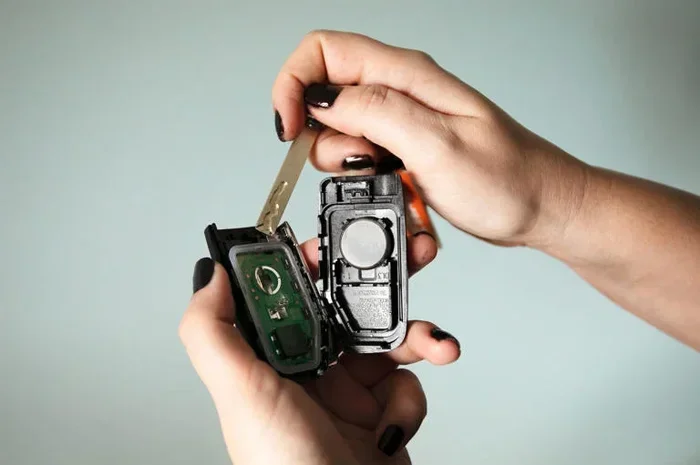
A weak key fob battery can cause problems of its own. When the fob’s battery is low, it sends a weaker signal. The car then tries harder to find it, which increases the drain on the vehicle battery. Replace your fob battery every one to two years. Most key fobs use a CR2032 coin cell battery, which is cheap and easy to swap.
4. Use a Signal-Blocking Pouch or Box
If you must leave the fob near the car, use a signal-blocking pouch or a small Faraday box. These block the fob’s radio signal so the car cannot detect it. The car then drops into normal standby mode with minimal power draw. Signal-blocking pouches are inexpensive and work well for this purpose.
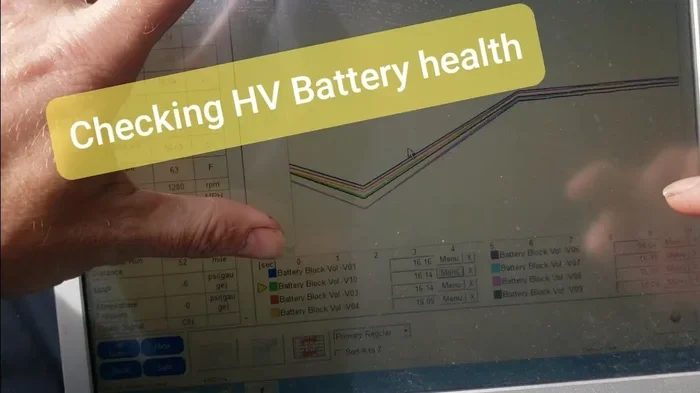
5. Check Your Battery Health Regularly
Even with the best habits, batteries age and lose capacity. Get your car battery tested at least twice a year. Many auto parts stores offer free battery testing. If your battery is more than three to four years old, consider replacing it before it fails. A fresh battery handles extra drain much better than an old one.
6. Avoid Using the Fob Near the Car When Not Necessary
Every time you press a button on the fob near the car, the vehicle’s systems wake up. If you are sitting in your driveway and repeatedly locking and unlocking the doors, you are waking up the car’s modules over and over. Limit unnecessary fob use near the car, especially when the engine is off.
What Happens When the Battery Dies Completely?
A completely drained car battery is more than just an inconvenience. It can leave you stranded, damage electrical components, and shorten the overall life of the battery. Here is what you need to know about a dead battery situation.
Can You Still Drive With a Dead Battery?
No. A dead battery means the car has no electrical power. The engine will not crank, the lights will not turn on, and the infotainment system will be completely dead. You cannot drive the car until the battery is recharged or replaced. In most cases, you will need a jump start from another vehicle or a portable jump starter.
However, if the battery keeps dying because of a key fob drain, simply jump starting it will not solve the problem. The drain will continue and the battery will die again within a day or two. You must address the root cause, which is the fob staying in or near the car.
Long-Term Damage From Repeated Drain
Repeated battery drain can cause lasting damage. Each time a battery discharges deeply, it loses some of its internal capacity. Over time, the battery cannot hold a full charge anymore. You may find yourself replacing the battery more often than expected. Deep discharge cycles also strain the car’s alternator and voltage regulator, which have to work harder to recharge the battery.
If you are dealing with a battery that keeps dying, it is worth investigating further. Sometimes the problem is not the fob at all but a deeper electrical issue. Check out our guide on what it means when your car has no power at all to understand other possible causes of total power loss.
Key Fob Battery vs. Car Battery: What Is the Difference?
It is easy to confuse the key fob battery with the car battery, but they are two completely different things. The key fob battery is a small coin cell that powers the fob’s remote functions. The car battery is a large 12-volt battery that powers the entire vehicle’s electrical system.
When the key fob battery dies, you may still be able to start the car by pressing the fob against the start button (on most push-button start cars). The car can read the fob’s transponder chip even with a dead fob battery. But when the car battery dies, nothing works. You cannot start the car, charge your phone, or even turn on the headlights.
Replacing a key fob battery costs about $5 and takes two minutes. Replacing a car battery costs anywhere from $100 to $300 and requires more effort. This is why it is so important to protect your car battery from unnecessary drain. A small habit like taking the fob with you can save you a lot of money and hassle.
Expert Tips for Key Fob and Battery Care
Here are some extra tips from automotive experts to keep both your key fob and car battery in top shape:
- Store the fob away from electronic devices: Phones, tablets, and laptops can interfere with the fob’s signal. Store it in a dedicated pocket or compartment.
- Do not place the fob near metal objects: Metal can block or weaken the fob’s signal, causing the car to search harder and drain more power.
- Keep spare fob batteries on hand: Always have a replacement CR2032 battery in your glove box. You never know when the fob battery will die.
- Update your car’s software: Some manufacturers release updates that improve power management. Check with your dealer or mechanic about available updates for your vehicle.
- Use a battery maintainer: If you park your car for extended periods, a battery maintainer or trickle charger keeps the battery topped off without overcharging it.
Common Mistakes Drivers Make With Key Fobs
Even experienced drivers make mistakes with their key fob that can lead to battery drain. Here are the most common ones:
- Leaving the fob on the passenger seat: This is one of the most common mistakes. The fob sits right next to the car’s antennas, keeping the system fully awake.
- Placing the fob near the car door: Some drivers put the fob in the door pocket. The car’s door antenna picks up the signal and keeps the system active.
- Using the fob to lock the car from inside: Pressing the lock button from inside the car wakes up multiple modules. Do this repeatedly and you add unnecessary drain.
- Ignoring warning signs: A slow crank or dim lights is your car telling you something is wrong. Ignoring these signs can lead to a fully dead battery.
If you have ever experienced a situation where the car would not start and you suspect the fob was left inside, you are not alone. Many drivers face this issue, especially with newer vehicles that rely heavily on proximity key technology. The key is to build good habits early so you never find yourself in that situation.
For more related information on car starting issues, check out our article on starting your car with the key without the fob. It covers alternative methods and useful tips for emergency situations.
Conclusion
So, does leaving key fob in car drain battery? Yes, it absolutely can. Modern cars with smart key and proximity detection systems are designed to stay connected to the fob at all times. This creates a constant, low-level drain on the vehicle battery that adds up over time. Leaving the fob inside the car overnight might not kill the battery in one night, but doing it repeatedly will eventually leave you stranded with a car that won’t start.
The good news is that prevention is simple. Remove the fob when you leave the car, turn off unnecessary features like remote start, and replace the fob battery regularly. These small steps can extend your battery life and save you from unexpected breakdowns. Stay proactive, build good habits, and your car will start reliably every single time.
Frequently Asked Questions
Can a key fob drain a car battery overnight?
Yes, it can. Modern cars with proximity key systems keep searching for the fob signal even when the engine is off. Leaving the fob inside the car overnight increases the parasitic draw on the battery. Over several nights, this can weaken the battery enough to prevent the car from starting.
How do I stop my key fob from draining my car battery?
The easiest way is to remove the fob from the car when you leave. You can also turn off remote start features, use a signal-blocking pouch, and replace the fob battery regularly. These steps reduce the standby power draw and protect your car battery.
Will my car start if I left the key fob inside overnight?
It depends on how long the fob was inside and the condition of your battery. If the battery was already weak, it may not start. If the battery is healthy, it might still have enough charge. But repeated nights with the fob inside will gradually drain the battery to the point where the car will not start.
How often should I replace my key fob battery?
Most key fob batteries last about one to two years. If you notice the fob’s range getting shorter or the buttons becoming less responsive, it is time for a replacement. A fresh fob battery helps reduce unnecessary strain on your car battery too.
Is it bad to sleep in a car with the key fob inside?
Sleeping in a car with the engine off and the fob inside is generally safe from a battery drain perspective for a single night. However, if you plan to sleep for many hours or multiple nights, the fob can keep the car’s systems partially active, which may drain the battery over time.
Can a dead key fob battery cause a car not to start?
A dead fob battery can prevent push-button start cars from detecting the fob, which means the engine will not start. However, most cars have a backup method, such as placing the fob against the start button. The car battery itself should still be fine in this case. The issue is with the fob, not the vehicle battery.