Can You Still Drive a Hybrid When the Battery Dies
Yes, you can still drive a hybrid when the battery dies, but it depends on your hybrid type and how the failure occurs. A dead hybrid battery will limit your power, trigger warning lights, and may leave you stranded. Understanding what happens and how to respond can save you time, money, and a lot of stress on the road.
Key Takeaways
- You can still drive: Most hybrids allow limited driving on gas only when the hybrid battery fails.
- Warning signs exist: Reduced power, strange noises, and dashboard lights often signal a failing battery before it dies completely.
- Safety matters: Pull over safely and turn off the car if you notice severe performance drops.
- Jump-starting works: You can often jump-start a hybrid using the 12-volt battery, but the high-voltage battery may still need attention.
- Replacement costs vary: Hybrid battery replacement can range from $1,000 to $6,000 depending on the vehicle and warranty coverage.
- Prevention helps: Regular maintenance and smart driving habits can extend your hybrid battery lifespan significantly.
📑 Table of Contents
Can You Still Drive a Hybrid When the Battery Dies?
The short answer is yes. You can still drive a hybrid when the battery dies, but the experience will not be the same as a normal drive. Your car will lose its electric boost, fuel economy will drop, and performance will feel sluggish. Some hybrids will barely move at all.
Hybrid cars combine a gas engine with an electric motor. The hybrid battery stores energy for the electric motor. When that battery fails, the gas engine tries to take over. But without the electric assist, everything feels different. The car struggles, the engine works harder, and you may see warning lights on the dash.
This situation can feel scary if you have never experienced it before. That is exactly why this guide exists. We will walk you through everything you need to know about driving a hybrid with a dead battery. You will learn what happens, why it happens, and what to do next.
Whether you own a Toyota Prius, a Ford Escape Hybrid, or any other hybrid electric vehicle, this article covers you. Let us break it down step by step.
How Hybrid Batteries Work and Why They Die
Understanding the Hybrid Powertrain
Every hybrid powertrain has two main parts: a gas engine and an electric motor. The electric motor gets its power from a high-voltage battery. This battery is different from the small 12-volt battery under your hood. The high-voltage battery is much larger and powers the electric driving mode.
When you drive, the regenerative braking system recharges the battery. This is the clever part of hybrid design. Every time you brake or slow down, the electric motor works in reverse and sends energy back to the battery. This is why hybrids get such great fuel economy.
But like all batteries, hybrid batteries wear out over time. They have a limited hybrid battery lifespan. Most hybrid batteries last between 80,000 and 150,000 miles. Some last longer with proper care. Others fail much earlier due to harsh conditions or manufacturing issues.
Common Reasons Hybrid Batteries Fail
Several factors can cause a hybrid battery failure. Understanding these helps you prevent problems before they start.
- Age and mileage: Older batteries with high mileage naturally lose capacity. The cells degrade over thousands of charge cycles.
- Extreme temperatures: Very hot or very cold weather strains the battery. Heat is especially damaging to hybrid battery health.
- Deep discharging: Letting the battery drain completely too often weakens the cells.
- Faulty cooling system: Hybrid batteries need proper cooling. A broken fan or clogged vent can cause overheating.
- Manufacturing defects: Some battery packs have weak cells from the factory. This is more common in older models.
What Happens When the Hybrid Battery Dies on the Road
Full Hybrid vs. Mild Hybrid: Key Differences
Not all hybrids behave the same way when the battery dies. The type of hybrid you own makes a big difference.
Full hybrids can run on the electric motor alone for short distances. When the battery dies in a full hybrid, you lose all electric assist. The gas engine still works, but it has to do all the heavy lifting. You will notice a big drop in power and fuel economy.
Mild hybrids use the electric motor only to assist the gas engine. They cannot drive on electric power alone. When a mild hybrid battery dies, the gas engine still runs. But you lose the boost, and the car feels noticeably weaker. Some mild hybrids may even go into a limp mode.
So can you still drive a hybrid when the battery dies? In most cases, yes. But the experience depends heavily on your hybrid type.
Warning Signs Before Complete Failure
Your car usually gives you plenty of warning before a battery dies completely. Watch for these signs of a failing battery:
- The check engine light or hybrid warning light turns on.
- Fuel economy drops suddenly and noticeably.
- The car struggles to accelerate or feels weak.
- You hear strange clicking or whining noises.
- The battery charge indicator shows low or fluctuating levels.
- The car shuts off unexpectedly at idle or stops.
If you notice any of these symptoms, get your hybrid car troubleshooting done right away. Catching a failing battery early can save you from getting stranded.
Can You Still Drive on Gas Only?
Yes, in most hybrid vehicles, you can still drive a hybrid on gas only when the battery dies. The gas engine will start and run normally. However, the experience will be far from ideal.
Without electric assist, your car will feel slow and unresponsive. The gas engine has to work much harder without the electric motor helping out. This means worse acceleration and lower top speed. You will also notice a big hit in fuel economy because the gas engine is doing all the work.
Some hybrids have a “limp home” mode. This mode limits your speed to protect the engine and transmission. You might only be able to drive at 25 to 35 miles per hour. This is a safety feature designed to get you off the highway safely.
It is important to note that driving on gas only is not a long-term solution. You should address the battery issue as soon as possible. Continuing to drive with a dead hybrid battery can cause additional damage to the powertrain.
When Driving on Gas Only Is Not Possible
In some rare cases, a completely dead hybrid battery will prevent the car from starting at all. This happens when the high-voltage battery cannot provide any power to the system. The car’s computer may block the gas engine from starting as a safety measure.
If this happens, you will need roadside assistance. A tow truck hybrid service can transport your car to a repair shop. Do not try to push or tow a hybrid with a dead high-voltage battery unless you know the proper procedure. Towing incorrectly can damage the hybrid system.
What to Do When Your Hybrid Battery Dies
Step-by-Step Safety Protocol
If your hybrid battery dies while driving, stay calm and follow these steps:
- Pull over safely: Turn on your hazard lights and move to the right lane or shoulder. Drive slowly since your car will have reduced power.
- Turn off the engine: Switch off the ignition. This protects the hybrid system from further damage.
- Check for warning lights: Look at your dashboard. Note any warning messages or lights. These help the mechanic diagnose the problem faster.
- Call for help: If the car will not restart, call a roadside assistance service. Explain that you have a hybrid vehicle with a dead battery.
- Do not attempt repairs yourself: High-voltage hybrid batteries can be dangerous. Always let a trained professional handle hybrid repairs.
Can You Jump-Start a Hybrid?
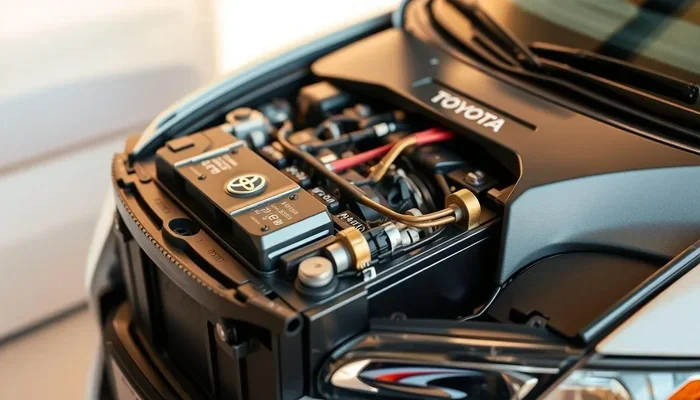
Yes, you can often jump-start a hybrid using the 12-volt auxiliary battery. This is the same small battery that starts the gas engine in any car. The 12-volt battery powers the car’s electronics and computer systems.
However, jump-starting a hybrid only addresses the 12-volt battery. If your high-voltage hybrid battery is dead, a jump-start will not fix that. The car may start, but it will still run poorly or show the same warning lights.
Always consult your owner’s manual before jump-starting a hybrid. The location of the jump-start terminals varies by model. Some hybrids have dedicated jump-start posts under the hood. Others have them in the trunk or under a rear seat.
After jump-starting, drive to a mechanic as soon as possible. Even if the car seems to run fine, a dead hybrid battery will cause problems again.
Hybrid Battery Replacement and Costs
If your hybrid battery is truly dead, you have two main options: replacement or refurbishment. Hybrid battery replacement cost varies widely depending on the vehicle make and model.
On average, a new hybrid battery pack costs between $2,000 and $6,000. Some luxury or newer models can cost even more. The good news is that many hybrids come with a hybrid battery warranty that covers 8 to 10 years or 100,000 miles. If your battery fails within the warranty period, the replacement may be free or heavily discounted.
Refurbished or rebuilt battery packs are another option. These can cost 30 to 50 percent less than a new battery. A reputable shop can test your battery and tell you whether replacement or refurbishment makes more sense.
Before committing to a full replacement, ask the mechanic to check individual cells. Sometimes only one or two cells are bad. Replacing those cells can be much cheaper than replacing the entire pack.
How to Prevent Hybrid Battery Failure
Simple Maintenance Tips
Prevention is always better than repair. Follow these tips to keep your hybrid battery health strong for years:
- Follow the maintenance schedule: Stick to the recommended service intervals from your manufacturer. Regular hybrid car maintenance catches small problems before they grow.
- Avoid extreme temperatures when possible: Park in shaded areas during summer. Use a garage in winter. Temperature control helps the battery last longer.
- Drive smoothly: Aggressive driving puts extra strain on the battery. Smooth acceleration and gentle braking support regenerative braking efficiency.
- Keep the cooling system healthy: Make sure the hybrid battery cooling fan and vents are clean and working properly.
- Monitor battery health: Many hybrids let you check the battery charge level on the dashboard. Watch for any unusual drops or fluctuations.
When to See a Professional
If you notice any warning signs, do not wait. Visit a mechanic who specializes in hybrid vehicles. Early detection of hybrid battery failure can save you hundreds or even thousands of dollars.
Many auto parts stores offer free battery testing. They can check the 12-volt battery easily. For the high-voltage hybrid battery, you will need a hybrid-specialized shop. These shops have the diagnostic equipment and trained technicians to test the entire hybrid system safely.
Key Takeaways
- You can still drive on gas: Most hybrids allow limited driving on gas only when the battery dies, but performance drops significantly.
- Warning signs come early: Reduced power, warning lights, and poor fuel economy often signal a failing battery before it dies completely.
- Safety first: Pull over safely, turn off the engine, and call for help if your car will not restart.
- Jump-starting has limits: Jump-starting only addresses the 12-volt battery, not the high-voltage hybrid battery.
- Replacement costs vary: Expect to pay $2,000 to $6,000 for a new hybrid battery, but warranty coverage may reduce this cost.
- Prevention works: Regular maintenance, smooth driving, and temperature control can significantly extend your hybrid battery lifespan.
Conclusion
The bottom line is clear: you can still drive a hybrid when the battery dies, but you should not ignore the problem. Your hybrid car is designed to work as a team between the gas engine and the electric motor. When one part fails, the other struggles to compensate.
Driving on gas only might get you to the nearest repair shop, but it is not a permanent fix. Address the battery issue promptly to avoid further damage and higher repair costs. Whether you need a full hybrid battery replacement or just a cell replacement, acting early saves money and keeps you safe on the road.
Take care of your hybrid battery, and it will take care of you. Follow the maintenance tips in this guide, watch for warning signs, and never ignore unusual performance changes. Your hybrid vehicle is a smart investment, and with the right care, it will serve you well for many miles to come.
If you are curious about what happens when a hybrid runs completely out of gas, check out our guide on Can A Hybrid Run Without Gas. It covers the full picture of hybrid fuel and battery management.
And if you want to learn more about keeping your hybrid charged and healthy, read our article on Can You Charge A Hybrid Car for practical tips on maintaining battery charge.
Finally, if you ever find yourself needing to start your hybrid with a dead battery, our guide on Can You Jump Start A Hybrid walks you through the exact process safely.
Frequently Asked Questions
How far can you drive a hybrid with a dead battery?
Most hybrids can still move on gas only for short distances when the battery dies. You may be able to drive a few miles to a safe location or repair shop. However, the car will perform poorly and fuel economy will drop significantly. Do not try to drive long distances on a dead hybrid battery.
Is it safe to drive a hybrid with a dead battery?
It is generally safe for short distances, but you should exercise caution. The car will have reduced power and may enter limp mode. Pull over immediately if you notice severe performance issues. Have the car towed if it will not restart or run properly.
How much does it cost to replace a hybrid battery?
Hybrid battery replacement costs typically range from $2,000 to $6,000. The exact price depends on your vehicle model, battery type, and whether you choose a new or refurbished pack. Check your warranty first, as many hybrids cover battery replacement for 8 to 10 years.
Can a dead hybrid battery be recharged?
In some cases, yes. If the battery is not completely dead but has lost capacity, a professional can recharge and recondition it. However, a fully failed battery cannot be recharged and must be replaced or refurbished. Always have a hybrid specialist diagnose the battery first.
What causes a hybrid battery to die prematurely?
Common causes include extreme temperatures, deep discharging, age and high mileage, and manufacturing defects. A faulty cooling system or aggressive driving habits can also shorten battery life. Regular maintenance helps prevent most of these issues.
Can you jump-start a hybrid car with a dead battery?
Yes, you can jump-start a hybrid using the 12-volt auxiliary battery. This will power the car’s computer and electronics. However, it will not fix a dead high-voltage hybrid battery. You may still experience poor performance or warning lights even after a successful jump-start.