Car Windshield Replacement Guide And Cost Breakdown
Car windshield replacement is a critical safety repair that protects you and your passengers on every drive. The cost typically ranges from $200 to $1,000+ depending on glass type, vehicle model, and labor. This guide walks you through every cost factor, the replacement process, insurance coverage, and how to choose the right glass for your vehicle.
Key Takeaways
- Cost varies widely: Windshield replacement cost depends on glass type (OEM vs aftermarket), vehicle make and model, and regional labor rates.
- Insurance may cover it: Most comprehensive auto insurance policies include windshield replacement with little or no deductible.
- OEM glass is safer: Original equipment manufacturer glass meets strict safety standards and preserves factory fit and structural integrity.
- DIY is risky: Improper installation can lead to leaks, wind noise, and compromised safety in a crash.
- Timing matters: Address chips and cracks early to prevent full replacement and save money.
- Aftercare is essential: Proper curing time and care after replacement ensure a strong, lasting seal.
📑 Table of Contents
- Why Car Windshield Replacement Matters More Than You Think
- Car Windshield Replacement Cost Breakdown
- When Should You Replace Your Windshield?
- The Windshield Replacement Process Step by Step
- Insurance and Windshield Replacement
- How to Choose the Right Windshield Replacement Provider
- Tips for Maintaining Your New Windshield
- Common Mistakes People Make With Windshield Replacement
- Expert Insights on Windshield Safety
- Key Takeaways
- Conclusion
Why Car Windshield Replacement Matters More Than You Think
Your windshield does a lot more than keep bugs off your face. It provides up to 30% of your car’s structural strength in a rollover accident. It supports airbag deployment. And it keeps you safe from flying debris at highway speeds.
When a crack or chip appears, it is tempting to ignore it. But a damaged windshield weakens your car’s safety framework. Small damage can spread quickly due to temperature changes, vibration, and road conditions. What starts as a tiny rock chip can turn into a full crack that blocks your driving visibility overnight.
Understanding the car windshield replacement process helps you make informed decisions. You will learn about cost factors, glass options, insurance coverage, and what to expect during the installation. Let us break it all down.
The Real Cost of Ignoring Windshield Damage
A small chip might seem harmless. But moisture can seep into the damaged area and weaken the glass from the inside. Over time, this creates hidden structural issues. In a collision, a compromised windshield may shatter instead of holding together, putting you and your passengers at serious risk.
Beyond safety, driving with a cracked windshield can lead to legal problems. Many states have laws against cracked or obstructed windshields. You could get pulled over and face a fine. More importantly, reduced visibility from cracks is a leading contributor to accidents.
Car Windshield Replacement Cost Breakdown
The windshield replacement cost is not a one-size-fits-all number. Several factors determine what you will pay. Let us look at each one in detail.
Glass Type: OEM vs Aftermarket
This is the biggest factor in your final bill. Here is how the two options compare:
- OEM (Original Equipment Manufacturer) glass: This is the same glass that came with your car from the factory. It matches the exact specifications for thickness, curvature, and clarity. OEM glass typically costs between $400 and $1,000 or more. It offers the best fit and structural performance.
- Aftermarket glass: This is produced by third-party manufacturers. It looks similar but may vary slightly in thickness or curvature. Aftermarket glass usually costs between $200 and $500. It is a budget-friendly option but may not match OEM quality in every case.
For most drivers, OEM glass is the safer choice. It ensures your auto glass repair meets the same standards your car was built with. Aftermarket glass can be a good option if you are on a tight budget, but always choose a reputable supplier.
Vehicle Make and Model
The type of car you drive affects the cost significantly. A standard sedan usually has a lower replacement cost than a luxury SUV or a truck with advanced sensor systems built into the windshield.
Here are some rough estimates:
- Compact and mid-size sedans: $250 to $500
- SUVs and trucks: $400 to $800
- Luxury and premium vehicles: $600 to $1,200+
- Vehicles with rain sensors, heated windshields, or heads-up displays: $700 to $1,500+
Cars with built-in technology in the windshield require special calibration after replacement. This adds to the labor time and cost. Always ask your installer if calibration is included in the quote.
Labor Costs and Regional Pricing
Labor charges vary by location and installer. Mobile replacement services often cost more than shop-based installations, but they offer unmatched convenience. Urban areas typically have higher labor rates than rural regions. On average, labor accounts for $100 to $250 of the total cost.
Additional Costs to Watch For
- Windshield adhesive: High-quality urethane adhesive ensures a safe bond. Some shops include this in the price, while others charge extra.
- Calibration fees: If your car has ADAS (Advanced Driver Assistance Systems), recalibration may cost $100 to $300.
- Moldings and trim: If the original trim is damaged during removal, replacement pieces may add $30 to $80.
- Rush service fees: Same-day or emergency service often comes with a surcharge.
When Should You Replace Your Windshield?
Not every crack means full replacement. Sometimes, a car glass repair can fix the problem. But knowing when replacement is necessary saves you time and money in the long run.
Repair vs Replace: How to Decide
Small chips and cracks can often be repaired instead of replaced. Here are general guidelines:
- Repairable damage: Chips smaller than a quarter, cracks shorter than 3 inches, and damage not in the driver’s direct line of sight.
- Replaceable damage: Cracks longer than 3 inches, chips larger than a quarter, damage at the edge of the windshield, or any damage that blocks your view.
If you are unsure, get a professional inspection. Many shops offer free assessments. Catching damage early can sometimes mean a simple repair instead of a full windscreen replacement.
Signs You Need Immediate Replacement
- The crack spreads rapidly or spreads across the entire windshield.
- You feel a breeze coming from inside the car near the windshield edges.
- You hear unusual sounds when driving over bumps.
- The damage is directly in your line of sight while driving.
- The windshield has multiple chips or a combination of cracks and chips.
Any of these signs mean your windshield has lost its structural integrity. Do not delay replacement. Your safety depends on it.
How Heat and Weather Affect Windshield Damage
Extreme heat can cause existing cracks to spread rapidly. When temperatures soar, the metal frame of your car expands and puts pressure on the glass. This is especially true in vehicles parked in direct sunlight for long periods.
Cold weather also plays a role. Rapid temperature changes, like blasting hot air on a frozen windshield, can cause cracks to grow. Using a car windshield sunshade is a smart preventive measure. It keeps your interior cooler and reduces thermal stress on the glass. For more tips on protecting your windshield from sun damage, check out our car windshield sunshade guide.
The Windshield Replacement Process Step by Step
Knowing what happens during a replacement helps you feel prepared and confident. Here is what a typical installation looks like.
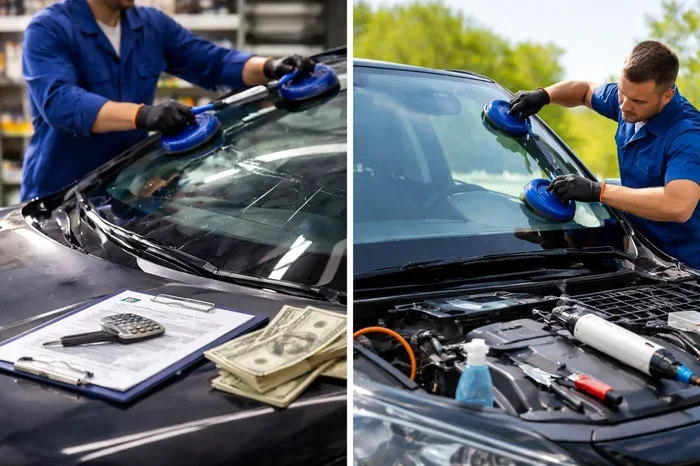
Step 1: Inspection and Preparation
The technician inspects the damage and confirms that replacement is needed. They measure your windshield to ensure the correct glass is ordered. If you are using aftermarket glass, the technician verifies the size and features match your vehicle.
Step 2: Removing the Old Windshield
The technician applies a protective cover around the car interior to prevent damage from adhesive and debris. Then they carefully cut away the old urethane adhesive and remove the damaged windshield. This step requires precision to avoid damaging the car frame or interior components.
Step 3: Preparing the Frame
The frame is cleaned and any old adhesive residue is removed. A primer and conditioning agent may be applied to ensure the new adhesive bonds properly. This step is critical for a strong, leak-free seal.
Step 4: Installing the New Windshield
The new glass is carefully placed into the frame. The technician applies a fresh bead of urethane adhesive around the edges. The windshield is then pressed into position and held steady while the adhesive sets.
Step 5: Curing and Safety Check
Most modern adhesives require at least one hour to set enough for safe driving. However, full cure time can take 24 to 48 hours. During this period, avoid pressing on the windshield, closing doors forcefully, or driving at high speeds. The technician will also check for proper fit, seal integrity, and clear vision.
If your vehicle has ADAS features like lane departure warning or automatic emergency braking, the technician will need to recalibrate these sensors. This ensures your safety systems work correctly with the new glass.
Insurance and Windshield Replacement
One of the best parts about having comprehensive auto insurance is that windshield replacement is often covered. Most insurance policies include glass coverage with no deductible or a very low one.
What Your Insurance Typically Covers
- Full glass replacement: Most policies cover OEM or quality aftermarket glass.
- Mobile service: Many insurers partner with shops that come to your location.
- No-claim bonus protection: Filing a glass claim usually does not affect your premium.
- Fast processing: Glass claims are typically processed faster than collision claims.
Before scheduling a replacement, call your insurance provider. Ask about your glass coverage, deductible, and whether they have a preferred network of installers. Using an approved shop often means zero out-of-pocket cost for you.
Can You Use Aftermarket Glass with Insurance?
Yes, most insurers allow aftermarket glass. However, some policies specifically require OEM glass for certain vehicles. Always check your policy details before agreeing to a glass type. If you want to learn more about protecting your car from additional damage, our 3M anti glare film for car windshield article covers useful options for reducing glare and protecting your new glass.
How to Choose the Right Windshield Replacement Provider
Not all replacement shops are the same. Choosing a reputable provider ensures a safe, long-lasting installation. Here is what to look for.
Certifications and Qualifications
- ASE certification: Technicians with Automotive Service Excellence certification have proven skills.
- AGSC membership: The Auto Glass Safety Council sets industry standards for safe installation.
- Manufacturer training: Shops certified by glass manufacturers like Pilkington or AGC follow the latest techniques.
Warranty Coverage
A quality shop offers a lifetime warranty on their workmanship. This means if you experience leaks, wind noise, or adhesive failure, they will fix it at no extra cost. Always ask about the warranty before you agree to the service.
Reviews and Reputation
Check online reviews on Google, Yelp, and the Better Business Bureau. Look for patterns in customer feedback. Pay attention to comments about installation quality, communication, and follow-up service. A shop with consistently positive reviews is usually a safe bet.
Questions to Ask Before Booking
- Do you use OEM or aftermarket glass?
- Is adhesive and labor included in the quoted price?
- Do you offer mobile service or shop-only installation?
- What is the curing time before I can drive safely?
- Do you handle the insurance claim process for me?
- What warranty do you provide on the replacement?
Getting answers to these questions before you commit helps you avoid surprises. It also gives you confidence that you have chosen the right provider for your car windshield replacement.
Tips for Maintaining Your New Windshield
After your replacement, proper care extends the life of your new glass and keeps the seal strong. Follow these simple tips.
- Wait before driving: Follow your installer’s recommended drive-away time, usually at least one hour.
- Avoid car washes for 24 hours: High-pressure water can weaken the adhesive before it fully cures.
- Keep windows closed for 24 hours: This prevents pressure changes that could disturb the curing adhesive.
- Avoid direct sunlight for the first day: Heat can soften the adhesive and affect the bond strength.
- Check for leaks after a few days: Look for water spots inside the car near the windshield edges.
- Replace wiper blades regularly: Worn wipers can scratch your new windshield over time.
Taking care of your new windshield means it will protect you for years to come. For more car care tips and protection strategies, explore our full range of maintenance guides on the site.
Common Mistakes People Make With Windshield Replacement
Avoiding these mistakes can save you money, time, and most importantly, keep you safe.
- Choosing the cheapest option: Bargain-priced replacements may use low-quality glass or skip critical steps like adhesive priming. This compromises safety.
- Ignoring small chips: A tiny chip can turn into a large crack within days. Address minor damage early to avoid full replacement.
- Skipping calibration: If your car has ADAS features, skipping sensor calibration after replacement can make safety systems unreliable.
- Driving too soon: Rushing to drive before the adhesive sets can cause the windshield to shift or leak.
- Not checking insurance coverage: Many people pay out of pocket when their insurance would have covered the entire cost.
Each of these mistakes is preventable with a little research and patience. Taking the right steps ensures your windshield replacement is safe, affordable, and long-lasting.
Expert Insights on Windshield Safety
Dr. Sarah Mitchell, a automotive safety engineer, explains: “The windshield is not just a piece of glass. It is a structural component that works with your roof pillars and airbag system to protect occupants during a crash. Any compromise to its integrity should be addressed immediately.”
Modern cars use laminated safety glass for the windshield. This means two layers of glass are bonded with a plastic interlayer. In a collision, the glass may crack but the interlayer holds the pieces together, preventing dangerous shards from entering the cabin. This design is why proper replacement with quality glass matters so much.
On the other hand, side and rear windows use tempered glass, which shatters into small, less harmful pieces. Understanding this difference helps you appreciate why the windshield deserves special attention during replacement.
Key Takeaways
- Windshield replacement cost depends on glass type, vehicle model, and labor location. Expect to pay between $200 and $1,000+.
- OEM glass offers the best safety and fit, while aftermarket glass is a budget-friendly alternative.
- Insurance often covers the full cost of replacement with minimal or no deductible.
- The replacement process involves removal, adhesive application, new glass installation, and curing.
- Proper aftercare including waiting periods and avoiding pressure on the new glass ensures a strong, lasting seal.
- Always choose a certified, reputable provider with proper warranties and insurance claim support.
Conclusion
Car windshield replacement is one of those car maintenance tasks that you should never put off. Your windshield is a vital safety component, not just a piece of glass. Whether you are dealing with a small chip that has grown into a crack or a full shatter from a road incident, understanding the costs, process, and options puts you in control.
The good news is that with the right insurance coverage and a certified installer, the process is straightforward and often affordable. Take the time to compare quotes, ask the right questions, and choose quality over price alone. Your safety and the safety of everyone in your car depend on it.
If you are ready to move forward, start by checking your insurance policy and finding a trusted local provider. A safe, properly installed windshield gives you peace of mind every time you hit the road.
Frequently Asked Questions
How long does a car windshield replacement take?
Most replacements take between 30 minutes and one hour for the actual installation. However, full adhesive curing takes 24 to 48 hours. You can usually drive away within one to two hours after the work is done, but follow your installer’s specific guidance carefully.
Does car insurance cover windshield replacement?
Most comprehensive auto insurance policies cover windshield replacement with no deductible or a very low one. Glass claims are typically processed quickly and do not affect your premium. Contact your insurance provider to confirm your specific coverage details.
Can I drive immediately after a windshield replacement?
You should wait at least one hour before driving, as recommended by most installers. The adhesive needs time to set properly. Avoid pressing on the windshield, closing doors forcefully, or taking highways for the first 24 hours to ensure a strong bond.
Is OEM glass really worth the extra cost?
Yes, OEM glass meets the exact factory specifications for your vehicle, including thickness, curvature, and optical clarity. It provides the best structural integrity and safety performance. Aftermarket glass can work well too, but OEM is the safer choice for most drivers.
What is the difference between a windshield repair and a replacement?
A repair fixes small chips and cracks, usually under 3 inches, by filling the damage with a clear resin. A replacement removes the entire windshield and installs a new one. If the damage is large, in your line of sight, or at the edge of the glass, replacement is the safer option.
How long does a new windshield last?
A properly installed windshield can last the lifetime of your vehicle. The key is choosing quality glass, a certified installer, and following all aftercare instructions. Avoiding aggressive car washes for the first 24 hours and protecting the car from extreme temperature changes helps ensure long-lasting results.