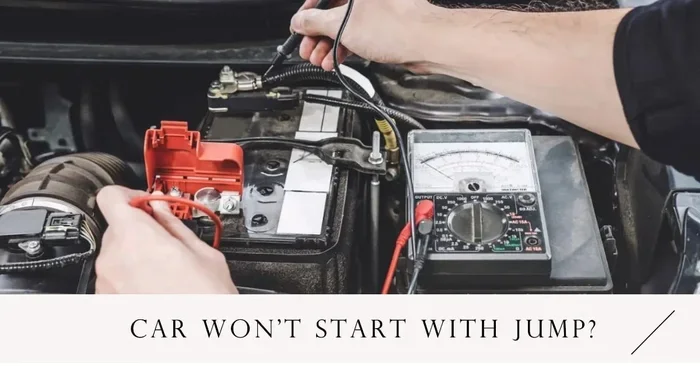
Car Turns Over but Wont Start: Causes Quick Fixes
When your car turns over but won’t start, it means the engine cranks but refuses to fire up. This frustrating problem usually traces back to issues with your fuel system, ignition components, or battery power. In this guide, we’ll help you identify the causes and apply quick fixes that actually work.
Key Takeaways
- Check your battery first: A weak or dead battery is the most common reason your car turns over but won’t start. A simple jump-start often solves the problem.
- Fuel system issues are a top culprit: A clogged fuel filter, bad fuel pump, or empty tank can prevent fuel from reaching the engine.
- Ignition components matter: Faulty spark plugs, ignition coils, or a bad ignition switch can stop your engine from firing even when it cranks.
- Sensors can silently cause problems: A failed crankshaft position sensor or camshaft position sensor can trick your car’s computer and prevent starting.
- Know when to DIY and when to call a pro: Simple fixes like checking connections and replacing filters are easy. Complex electrical or sensor issues need a mechanic.
- Prevention saves money: Regular maintenance like replacing spark plugs, fuel filters, and keeping your battery charged can stop starting problems before they happen.
📑 Table of Contents
Why Your Car Turns Over but Won’t Start — Understanding the Problem
Few things are more frustrating than turning your key or pressing the start button and hearing your engine crank and spin — but never actually fire up. You hear that familiar whirring sound, and your heart sinks. What’s going on? When your car turns over but won’t start, it tells you something important: your starter motor is working, but something is blocking the engine from actually running.
Think of it this way. Your engine needs three things to run: air, fuel, and a spark. If any one of those is missing, your car will crank but refuse to start. The problem could be as simple as a loose battery terminal or as tricky as a failed sensor. The good news is that most causes are easy to diagnose and fix. Let’s break it all down so you know exactly what to look for and how to handle it.
What Does “Turns Over but Won’t Start” Actually Mean?
When we say your car “turns over,” we mean the engine cranks — the starter motor spins the engine and you hear that rapid turning sound. But the engine doesn’t catch or fire. It just keeps spinning without producing power. This is different from a car that won’t crank at all. If your car won’t crank, the issue is usually with the battery or starter motor. But if it cranks and won’t start, the problem lies deeper — in the fuel, ignition, or sensor systems.
This distinction matters because it helps you narrow down the cause quickly. Instead of guessing, you can follow a logical car troubleshooting path that saves you time and money.
Most Common Causes When Your Car Turns Over but Won’t Start
Now let’s get into the real stuff. There are several reasons your engine cranks but won’t start. Some are simple fixes you can do in your driveway. Others need a professional. Here are the most common causes, ranked roughly from easiest to hardest to fix.
1. Dead or Weak Battery
Even though your engine cranks, a weak battery might not deliver enough power to run the fuel pump and ignition system. Your starter motor needs less energy than your fuel pump and spark plugs. So the battery can spin the engine but still fail to power the rest of the starting system. This is one of the most overlooked car starting problems.
You might notice your headlights dimming when you turn the key. Or your dashboard lights flicker. These are signs that your battery is struggling. A battery tester is your best friend here. You want to see at least 12.4 volts with the engine off. Anything below 12.2 volts means your battery is weak.
2. Fuel System Problems
Your engine needs fuel to run. Period. When your car turns over but won’t start, a fuel delivery issue is often to blame. Here are a few things that can go wrong:
- Empty fuel tank: It sounds obvious, but many people overlook this. A faulty fuel gauge can show half a tank when you’re actually running on fumes.
- Clogged fuel filter: Over time, dirt and debris build up in your fuel filter. When it gets too blocked, fuel can’t reach the engine.
- Failed fuel pump: Your fuel pump pushes fuel from the tank to the engine. If it dies, you get zero fuel delivery. You might hear a faint buzzing noise under the back seat when you turn the key to the “on” position. That’s the fuel pump priming. No sound? It may be dead.
- Fuel injector issues: Dirty or cracked injectors can prevent fuel from reaching the combustion chamber properly.
3. Faulty Spark Plugs or Ignition System
Your engine needs a spark to ignite the fuel-air mixture. If your spark plugs are worn, fouled, or incorrectly gapped, your engine won’t fire. This is a very common cause of engine not firing issues. Spark plugs are wear items. They need to be replaced regularly — usually every 30,000 to 100,000 miles depending on the type.
Beyond the plugs themselves, your ignition coils can also fail. These small transformers take your battery’s 12 volts and turn it into the high voltage needed to create a spark. A bad ignition coil means no spark. And no spark means no start.
Also, don’t forget the ignition switch. If the switch fails, it might send power to the starter but not to the ignition system. This is less common but definitely happens, especially in older vehicles.
4. Sensor Failures
Modern cars are run by computers. These computers rely on sensors to know when to fire the spark and deliver fuel. When a sensor fails, your car might crank but never start. Two of the biggest culprits are:
- Crankshaft position sensor: This sensor tells your car’s computer where the crankshaft is during the engine cycle. If it fails, the computer doesn’t know when to fire the spark plugs. A crankshaft position sensor failure is one of the most common hidden causes of starting problems.
- Camshaft position sensor: Similar to the crankshaft sensor, this helps the computer time the fuel injection and spark. If it goes bad, your engine won’t start.
These sensors are relatively inexpensive to replace. But diagnosing them requires an OBD-II scanner to read error codes. If you have one, you can check yourself. Otherwise, a mechanic can do it quickly.
5. Immobilizer System Issues
Many modern cars have an immobilizer system — a security feature that prevents the engine from starting unless the correct key is detected. If your key fob battery is dead or the transponder chip inside your key is damaged, the car might crank but refuse to start. You may see a flashing security light on your dashboard. This is your car telling you it doesn’t recognize your key. Replacing the key fob battery often solves this. In some cases, you may need a new key programmed.
6. Engine Compression Problems
This is a more serious issue. Your engine needs proper engine compression to ignite the fuel. If a head gasket has blown, valves are damaged, or piston rings are worn, compression drops and your engine simply can’t start. This is not a quick fix. It requires significant repair. But it’s important to know about it. A compression test can confirm whether this is your problem.
Quick Fixes You Can Try at Home
Before you call a mechanic, try these quick fixes. Many of these solve the problem on the spot. Always work in a safe, well-ventilated area and follow basic safety precautions.
Fix 1: Check and Clean Battery Terminals
Corrosion on your battery terminals can block power flow. Here’s what to do:
- Open the hood and locate your battery.
- Inspect the terminals for white or greenish crusty buildup.
- Disconnect the negative cable first, then the positive.
- Clean the terminals with a wire brush or baking soda and water solution.
- Reconnect the positive cable first, then the negative.
- Try starting the car again.
This simple step resolves countless car won’t start diagnosis cases. It takes about 15 minutes and costs nothing.
Fix 2: Try a Jump-Start
If your battery is weak, a jump-start from another vehicle can get you going. Connect the cables properly — positive to positive, negative to a grounded metal surface on the dead car. Let the good car run for a few minutes to charge your battery. Then try starting your car. If it starts, drive for at least 20 minutes to recharge your battery. But if it keeps dying, your battery likely needs replacement.
Fix 3: Check Your Fuel Level and Fuel Pump
Don’t trust your gauge. If you’re low on fuel, add some gas. For the fuel pump check, turn your key to the “on” position (not start). Listen near the back seat or rear of the car. You should hear a brief hum or buzz. No sound? Your fuel pump may be failing. You can tap the bottom of the fuel tank gently with a rubber mallet while someone tries to start the car. Sometimes a stuck fuel pump will wake up with a little tap.
Fix 4: Check Your Spark Plugs
Pull out your spark plugs and inspect them. Look for heavy carbon buildup, wet fuel coating, or a cracked insulator. If they look bad, replace them. New spark plugs are inexpensive and can make a huge difference. Make sure you gap them correctly per your vehicle’s manual.
Fix 5: Reset the Immobilizer
If your security light is flashing, try this:
- Turn the key to the “off” position.
- Wait at least 10 minutes.
- Turn the key back to the “on” position.
- Wait another 10 minutes.
- Try starting the car.
This allows the immobilizer system to reset. It works surprisingly often. If not, try a different copy of your key if you have one. Sometimes the transponder in the key is the problem, not the car.
Quick Tips for Fast Diagnosis
- Always check the simplest things first: fuel level, battery connections, and spark plugs.
- Use an OBD-II scanner to read error codes before replacing expensive parts.
- Listen carefully when you turn the key. A single click means a different problem than rapid cranking.
- Keep a basic toolkit and spare spark plugs in your trunk.
- Document when the problem started. This helps your mechanic diagnose faster.
When to Call a Mechanic
Not every problem can be fixed at home. Here are situations where you should call a professional for proper car won’t start diagnosis:
Persistent Electrical Issues
If your battery is good, your terminals are clean, and your car still won’t start, you may have a wiring problem or a failed ignition switch. These require professional diagnosis and repair. Don’t mess with wiring unless you know what you’re doing. A mistake can cause a short circuit or even a fire.
Suspected Fuel Pump Failure
Replacing a fuel pump can be a big job depending on your vehicle. In some cars, the fuel pump sits inside the gas tank. Accessing it means dropping the tank or working through a small access panel. If you’ve confirmed the fuel pump isn’t working, a mechanic can handle the replacement safely and correctly.
Sensor Problems
When an OBD-II scanner points to a failed crankshaft position sensor or camshaft position sensor, you can usually replace these yourself. But if you’re not comfortable working under the hood, a mechanic can diagnose and fix it in under an hour. Labor costs are typically reasonable for sensor replacement.
Engine Compression Issues
If you suspect engine compression problems — such as white smoke from the exhaust, a knocking sound, or a sudden loss of power — stop driving immediately. Continuing to drive with a blown head gasket or damaged internals can cause catastrophic engine damage. Get a compression test done. If compression is low, you’ll need a professional repair estimate before proceeding.
Immobilizer or Key Programming
If resetting the immobilizer doesn’t work, you may need a new key fob or a reprogram. Many dealerships and locksmiths handle this. Trying to bypass the immobilizer yourself can cause more problems. Let a professional handle it.
Preventing Car Starting Problems in the Future
The best car troubleshooting strategy is prevention. Regular maintenance keeps your starting system reliable and saves you from those dreaded mornings. Here’s how to avoid car starting problems down the road:
Maintain Your Battery
Your car battery typically lasts 3 to 5 years. Check it regularly. Clean the terminals every few months. If your battery is more than three years old, consider testing it at an auto parts store — most do it for free. Replace it proactively before it leaves you stranded. Keep a portable jump-starter in your trunk as a backup.
Replace Spark Plugs on Schedule
Follow your manufacturer’s recommended replacement interval. Don’t wait for them to fail. Fresh spark plugs ensure reliable ignition and better fuel economy. This is one of the cheapest and most effective car maintenance tips you can follow.
Change Your Fuel Filter Regularly
A clean fuel filter protects your fuel pump and keeps contaminants out of your engine. Most manufacturers recommend changing it every 30,000 to 60,000 miles. If you drive in dusty or stop-and-go conditions, replace it more often. This small step prevents big problems.
Keep Your Fuel Tank Above a Quarter Full
Running your tank low regularly can strain your fuel pump. Many fuel pumps are cooled by the fuel surrounding them. When the tank is near empty, the pump can overheat. Over time, this shortens its lifespan. Make a habit of filling up when your gauge hits a quarter tank.
Store Your Car Properly
If your car sits for extended periods, use a battery maintainer or trickle charger. This keeps your battery topped off and prevents the discharge that leads to starting problems. Also, consider starting the car and letting it run for 15 minutes once a week if it’s sitting idle.
Expert Tips for Diagnosing Car Starting Issues
Professional mechanics follow a logical sequence when diagnosing a car turns over but won’t start problem. Here’s their approach, adapted for DIYers:
Start With the Basics
Before diving into complex diagnostics, verify the simple things. Do you have fuel? Is your battery strong? Are your spark plugs in good shape? Many people skip these basics and jump to expensive parts that don’t actually need replacing. A methodical approach saves money.
Use an OBD-II Scanner
An OBD-II scanner is one of the best diagnostic tools you can own. Plug it into your OBD port — usually located under the dashboard near the steering column. Turn the key to the “on” position and let the scanner read the codes. These codes point you toward the problem area. For example, a P0340 code points to a camshaft position sensor issue. A P0335 code indicates a crankshaft position sensor problem. These codes don’t tell you exactly what’s broken, but they narrow the search dramatically.
Do a Spark Test
Remove a spark plug, ground it against the engine block, and have someone crank the engine. You should see a bright blue spark. A weak yellow or orange spark means your ignition system isn’t producing enough voltage. No spark at all points to a failed coil, crank sensor, or ignition switch. This quick test can save hours of guesswork.
Check Fuel Delivery
You can test fuel delivery by disconnecting a fuel line and cranking the engine. You should see fuel squirting out. If nothing comes out, your fuel pump isn’t working. Be careful with this test — fuel is flammable. Work in a well-ventilated area and keep a fire extinguisher nearby. Alternatively, listen for the fuel pump hum when you turn the key to “on.”
Compare Your Symptoms
Sometimes the way your car behaves gives clues. Here’s a quick reference:
| Symptom | Likely Cause |
|---|---|
| Cranks normally but won’t start, no sound from fuel tank | Fuel pump failure |
| Cranks and fuel smell strong but won’t fire | Ignition problem (spark plugs, coils) |
| Cranks and starts briefly then dies | Crankshaft or camshaft sensor failure |
| Cranks with a single click then nothing | Immobilizer or ignition switch issue |
| Cranks weakly and lights dim | Battery or charging system problem |
Using this table, you can match your symptoms to likely causes and focus your car troubleshooting efforts where they matter most.
Common Mistakes to Avoid
- Don’t keep cranking the engine repeatedly. This drains your battery faster and can damage the starter motor. Give it a break between attempts.
- Don’t replace parts based on guesswork. Always test before replacing. A new spark plug won’t fix a fuel pump problem.
- Don’t ignore warning signs. If your car struggles to start on cold mornings, that could be a failing battery or fuel pump. Address it early.
- Don’t skip the basics. People often jump to expensive diagnostics while forgetting to check the fuel level or battery terminals.
Conclusion
Dealing with a situation where your car turns over but won’t start is stressful. But now you know the most common causes and how to fix them. Whether it’s a weak battery, a clogged fuel filter, bad spark plugs, or a failed sensor, you have the knowledge to diagnose and solve the problem. Start with the simple checks. Work your way through the system logically. And don’t be afraid to call a mechanic when the problem goes beyond your comfort zone.
The quick fixes in this guide work for most vehicles. Regular car maintenance keeps these problems from happening in the first place. Keep your battery clean, replace your spark plugs on schedule, and never ignore early warning signs. Your car’s starting system is reliable when you take care of it. Now you’re ready to handle the problem like a pro the next time your engine cranks but refuses to fire. Get back on the road safely, and don’t let a stubborn car keep you down.
Frequently Asked Questions
Why does my car crank but not start even with a new battery?
If your battery is new and your car still won’t start, the issue likely lies elsewhere. Check your fuel system first — make sure the fuel pump is working and fuel is reaching the engine. Also inspect your spark plugs and ignition coils. A failed crankshaft position sensor is another common cause when the battery is fine. Use an OBD-II scanner to check for error codes that can point you in the right direction.
Can a bad fuel pump cause my car to crank but not start?
Yes, a failed fuel pump is one of the most common reasons your car turns over but won’t start. When the fuel pump dies, no fuel reaches the engine, so it can crank endlessly but never fire. You can test this by listening for a humming sound from the fuel tank when you turn the key to the “on” position. No sound usually means a dead fuel pump.
What should I check first when my car won’t start?
Start with your battery. Check the terminals for corrosion and make sure you have at least 12.4 volts. Next, verify you have fuel and the fuel pump is running. Then check your spark plugs for wear or fouling. If all those basics check out, use an OBD-II scanner to look for sensor faults. This methodical approach saves time and prevents unnecessary part replacements.
How do I know if my ignition coil is bad?
A bad ignition coil can cause your car to crank but not start. Signs include engine misfires, rough idling, and a no-start condition. You can test a coil with a multimeter, or try swapping coils between cylinders and see if the misfire follows the coil. If your car starts briefly with a new coil but fails again, the coil is the culprit. Replacing ignition coils is usually affordable and straightforward.
Can a dead key fob battery prevent my car from starting?
Yes, if your car uses a keyless entry or transponder key system, a dead key fob battery can trigger the immobilizer and prevent starting. Your car won’t recognize the key, so it cranks but won’t start. Try replacing the coin battery in your key fob — usually a CR2032. You can also hold the key fob close to the start button or use the physical key to bypass the wireless signal temporarily.
Is it safe to keep cranking my car if it won’t start?
It’s best not to. Repeated cranking drains your battery quickly and can overheat the starter motor. Limit attempts to 10 to 15 seconds at a time, then wait 30 seconds between tries. If your car doesn’t start after three or four attempts, step back and diagnose the problem. Continuous cranking without fuel or spark can also flood your engine, making the situation even worse.




3 Comments