Car Has No Power at All: What It Means and How to Fix It
When your car has no power at all, it can be scary and frustrating. This guide explains what it really means when your vehicle loses all power and how to fix it yourself or with a mechanic. You will learn the most common causes, easy diagnostic steps, and practical fixes that save time and money.
There is nothing worse than turning your key and getting nothing. No lights. No crank. No power at all. When your car has no power at all, it feels like your whole day just fell apart. You are standing in the driveway or a parking lot, and your vehicle just will not respond.
But here is the good news. Most of the time, this problem has a clear cause and a straightforward fix. Whether it is a simple dead battery or a more serious fuel pump failure, understanding what is happening is the first step. This guide walks you through every possible reason your car has no power at all, how to diagnose it, and exactly how to fix it.
By the end of this article, you will know what to check, what to avoid, and when to call for help. Let us get into it and get your car running again.
Key Takeaways
- A dead battery is the number one reason a car has no power at all. Corroded terminals or parasitic drains often cause this.
- Fuel pump failure can completely stop your car. Without fuel delivery, the engine will not start or run.
- A faulty starter motor or ignition switch can mimic a dead car. These parts are common culprits that are easy to check.
- Regular maintenance prevents most power-loss issues. Simple habits like checking terminals and changing filters go a long way.
- Not all no-power problems need a mechanic. Many causes are affordable and fixable at home with basic tools.
- Cold weather makes power problems worse. Batteries and fuel systems struggle more in freezing temperatures.
- Listen to warning signs early. Slow cranking, dim lights, and stalling often point to bigger problems ahead.
📑 Table of Contents
What Does It Mean When a Car Has No Power at All?
When we say a car has no power at all, we mean the vehicle completely fails to start or run. There is no cranking, no dashboard lights, no engine response. It is not just a slow start or a weak crank. It is total silence or total failure.
This is different from an engine that cranks but will not fire. In that case, you still have some power. The starter motor turns over, the dashboard lights come on, and you can hear the engine trying. But when a car has no power at all, none of that happens.
Total Power Loss vs. Partial Power Loss
It helps to understand the difference between total and partial power loss. Total power loss means the car is completely dead. You turn the key and hear nothing. The lights do not come on. The radio does not turn on.
Partial power loss is different. The dashboard might flicker. The lights might be dim. The engine might crank slowly but not start. Both situations are frustrating, but they point to different problems.
Total power loss usually points to electrical issues. Think dead battery, corroded terminals, or a bad ignition switch. Partial power loss might mean a weak alternator, a clogged fuel filter, or a failing starter motor. Knowing which type you have helps you narrow down the cause fast.
Why Understanding the Root Cause Matters
Guessing is not a good strategy. If you think it is a battery problem but it is really a fuel pump failure, you will waste time and money. Understanding the root cause helps you choose the right fix. It also helps you decide whether you can handle the repair yourself or need a professional.
Take a moment to observe what happens when you turn the key. Does anything happen at all? Do the lights come on dimly? Do you hear a single click? These small details matter a lot. They are clues that lead you to the real problem.
Common Causes of a Car Having No Power at All
Several things can cause a car has no power at all situation. Some are simple and cheap to fix. Others are more serious and need a mechanic. Let us go through the most common causes one by one.
Dead or Weak Battery
The dead battery is the most common reason a car has no power at all. Batteries last three to five years, but they can die faster in cold weather or if something is draining them. When the battery is dead, there is no electricity to power the starter, the lights, or anything else.
Corroded battery terminals can also cause a total power loss. The corrosion builds up on the positive and negative posts, blocking the electrical connection. Even if the battery has charge, the power cannot flow through.
Another issue is parasitic battery drain. This happens when something in the car continues to draw power after the engine is off. A faulty dome light, a stuck relay, or a bad module can slowly drain the battery over days or weeks.
Fuel Pump Failure
The fuel pump pushes gas from the tank to the engine. If it fails completely, the engine gets zero fuel. No fuel means no combustion, which means no power at all.
Fuel pumps can fail from age, dirt, or running the tank too low too often. When the pump goes bad, you might hear a faint whine from the tank before it stops working completely. In some cases, it just stops with no warning.
Faulty Starter Motor
The starter motor is what cranks the engine when you turn the key. If the starter dies, the engine will not turn over. You might hear a single click or nothing at all.
Starters fail from wear and tear over time. They can also fail if the engine wiring is damaged or if the solenoid goes bad. A bad starter is not the most common cause, but it definitely happens.
Ignition Switch Problems
The ignition switch is the part you turn to start the car. It sends power from the battery to the starter and the engine systems. If the switch fails, power does not reach those systems.
Ignition switches wear out over time. They can also fail from heat, moisture, or electrical issues. A bad ignition switch often causes intermittent problems first. You might notice the car is hard to start before it stops starting completely.
Clogged Fuel Filter
The fuel filter keeps dirt and debris out of the fuel system. Over time, it gets clogged and restricts fuel flow. When the filter is completely blocked, the engine gets no fuel and will not start.
This is more common in older vehicles or cars driven in dusty areas. Replacing a fuel filter is usually cheap and easy, but ignoring it can lead to bigger problems.
Bad Alternator
The alternator charges the battery while the engine runs. If the alternator fails, the battery slowly loses its charge. Eventually, the car will have no power at all.
A bad alternator often shows warning signs first. The dashboard lights might flicker. The battery warning light might come on. The car might stall after running for a while. Catching these signs early can prevent a total power loss.
Security System Lockout
Modern cars have immobilizer systems that prevent the engine from starting without the correct key or key fob. If the system malfunctions, it can lock the car out completely.
This can happen if the key fob battery dies, if the antenna ring around the ignition fails, or if the immobilizer module has a glitch. It is less common but worth checking, especially if the car was working fine the day before.
Comparison Table: Common Causes of No Power
| Cause | Symptoms | Severity | Fix Cost |
|---|---|---|---|
| Dead Battery | No lights, no crank, total silence | High | Low ($50-$150) |
| Corroded Terminals | Intermittent power, dim lights, clicking | Medium | Very Low ($0-$20) |
| Fuel Pump Failure | No start, engine cranks but won’t fire | High | High ($400-$800) |
| Faulty Starter Motor | Single click, no crank | High | Medium ($200-$400) |
| Ignition Switch Failure | No dash lights, intermittent starting | Medium | Low-Medium ($75-$200) |
| Clogged Fuel Filter | Hard starting, stalling, no start | Medium | Low ($30-$100) |
| Bad Alternator | Flickering lights, battery warning, stalling | High | Medium-High ($300-$600) |
| Security Lockout | No start, security light flashing | Medium | Low-Medium ($50-$250) |
How to Diagnose Why Your Car Has No Power at All
Diagnosing a car has no power at all problem does not have to be complicated. You can follow a simple process to narrow down the cause. Start with the easiest checks and work your way to the more complex ones.
Step 1: Check the Dashboard Lights
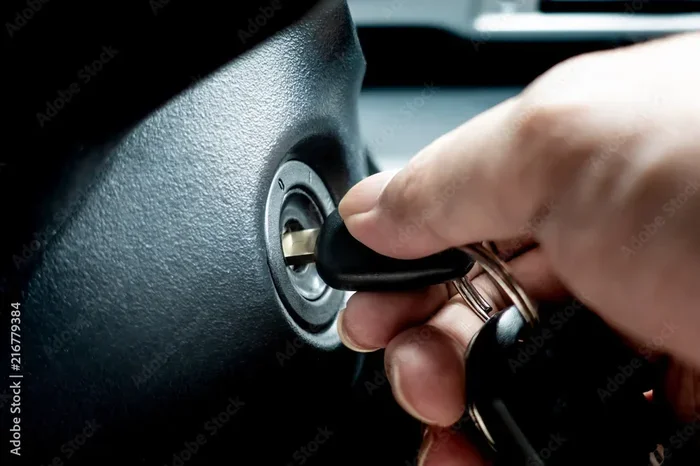
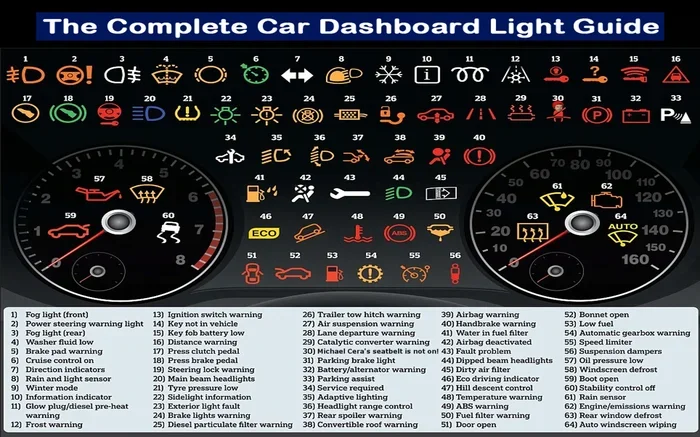
Turn the key to the “On” position without starting the engine. Do the dashboard lights come on? If nothing lights up at all, the problem is likely electrical. This points to the battery, terminals, or ignition switch.
If the lights come on but are very dim, the battery might be weak or the terminals might be corroded. If the lights do not come on at all, you probably have a total electrical failure.
Step 2: Listen for Sounds
Turn the key to start. Do you hear anything? A single click usually means the starter solenoid is trying to engage but the starter motor is not working. Total silence usually means no electrical power is reaching the starter at all.
A rapid clicking sound often means the battery has some charge but not enough to turn the starter. This points strongly to a weak battery or a parasitic drain issue.
Step 3: Check the Battery and Terminals
Pop the hood and look at the battery. Are the terminals clean and shiny? Or do you see white, blue, or green buildup? That is corrosion, and it can block the electrical connection completely.
Use a multimeter to check the battery voltage. A fully charged battery should read 12.6 volts or higher. Anything below 12.0 volts means the battery is weak or dead. If the battery reads fine but the car still has no power, the problem is elsewhere.
Step 4: Check the Fuses
Do not overlook the fuse box. A blown fuse can cut power to the starter, the fuel pump, or other critical systems. Check the main fuses and the fuse for the ignition system. A blown fuse is cheap and easy to replace.
Quick Tips for Diagnosis
- Carry a multimeter in your trunk. It helps you check battery voltage and continuity fast.
- Keep a set of jumper cables handy. They can tell you fast if the battery is the problem.
- Check the simplest things first. Battery terminals, fuses, and the ignition switch are easy to inspect.
- Write down what you observe. Note any sounds, lights, or smells. These details help a mechanic too.
- Do not ignore warning signs. Dim lights, slow cranking, and flickering dash lights are early warnings.
Common Mistakes People Make When Diagnosing
The biggest mistake is assuming it is always the battery. While the battery is the most common cause, it is not the only one. Many people jump to buy a new battery when the real problem is corroded terminals or a blown fuse.
Another common mistake is ignoring the fuel system. People assume no power means an electrical problem. But a completely failed fuel pump or a totally clogged fuel filter can make a car seem completely dead. Always check both electrical and fuel systems.
Some people also try to jump-start a car with a bad starter or a broken ignition switch. This wastes time and can damage the electrical system. If the battery is good and the terminals are clean but the car still has no power at all, look beyond the battery.
Step-by-Step Fixes for a Car with No Power at All
Once you know what is causing the problem, you can start fixing it. Some fixes are easy enough to do at home. Others need a professional. Here are the most common fixes, step by step.
Fix 1: Clean or Replace Battery Terminals
If you see corrosion on the terminals, this is an easy fix. Disconnect the negative cable first, then the positive cable. Use a wire brush or a battery terminal cleaner to scrub away the corrosion. Clean both the terminal posts and the cable ends until they are shiny and bright.
Reconnect the positive cable first, then the negative. Try starting the car. In many cases, this alone will restore full power. If the terminals are badly damaged or the battery is old, replace the battery entirely.
Fix 2: Jump-Start or Replace the Battery
If the battery is dead, you can jump-start the car using another vehicle or a portable jump starter. Connect the red cable to the positive terminal, the black cable to the negative terminal on the dead battery, and the other black clamp to a metal ground on the engine block.
Let the good battery charge the dead one for a few minutes, then try starting. If the battery keeps dying, it needs replacement. Choose a battery that matches your car’s specifications. You can find the right group size on the old battery label.
Fix 3: Replace a Blown Fuse
Open the fuse box and locate the blown fuse. Use a fuse puller or a pair of tweezers to remove it. Look at the metal strip inside. If it is broken, the fuse is blown. Replace it with a new fuse of the exact same amperage.
Never use a higher-amp fuse to replace a blown one. That can cause a fire or damage the electrical system. If the new fuse blows right away, there is a deeper electrical problem that needs professional diagnosis.
Fix 4: Replace the Starter Motor
A bad starter motor needs replacement. This is a moderate repair that can be done at home if you have basic mechanical skills. The starter is usually located on the bottom of the engine, near the transmission.
Disconnect the battery, unbolt the starter, and unplug the wiring. Install the new starter in reverse order. Make sure all connections are tight. If you are not comfortable with this repair, a mechanic can do it for you.
Fix 5: Replace the Fuel Pump or Fuel Filter
A failed fuel pump needs replacement. This is typically a more involved repair because the pump is inside the fuel tank. The tank may need to be lowered to access the pump. A mechanic usually handles this job.
A clogged fuel filter is much easier to replace. The filter is usually located along the fuel line under the car. Disconnect the lines, remove the old filter, and install the new one. Make sure the arrow on the filter points in the direction of fuel flow.
Fix 6: Replace the Ignition Switch
A bad ignition switch is replaced by removing the steering column cover and swapping out the switch. This is a straightforward repair. Make sure you disconnect the battery before working on any electrical components.
Expert Insight: The Hidden Culprit You Might Overlook
Here is something many people miss. Sometimes a crankshaft position sensor fails, and the car will not start. This sensor tells the engine computer when the crankshaft is turning. Without that signal, the engine will not fire. A bad crankshaft position sensor can completely mimic a dead battery or a failed fuel pump. It is worth having a mechanic check this if the basic electrical and fuel tests come back normal.
Preventing Power Loss in Your Vehicle
The best way to deal with a car that has no power at all is to prevent it from happening in the first place. Regular maintenance and simple habits can keep your electrical and fuel systems healthy for years.
Battery Maintenance Tips
Check your battery terminals every few months. Clean off any corrosion with a wire brush. Make sure the cables are tight and secure. If your battery is more than three years old, have it tested at an auto parts store. Most stores will test it for free.
Keep the battery clean and dry. Moisture can cause corrosion and short circuits. If you live in a very cold area, consider a battery blanket or a battery with a higher cold cranking amp rating.
Fuel System Maintenance
Keep your fuel tank at least a quarter full at all times. Running the tank very low can overheat and damage the fuel pump. Dirt and sediment settle at the bottom of the tank, and a low tank pulls that debris into the fuel system.
Replace the fuel filter according to your car’s maintenance schedule. Most filters need replacement every 30,000 to 60,000 miles. A clean fuel filter keeps fuel flowing smoothly and protects the pump from damage.
Electrical System Care
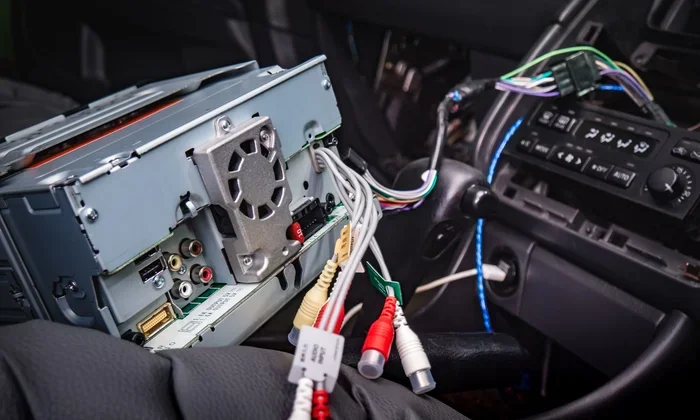
Check all the fuses in your car once a year. Replace any blown fuses promptly. Make sure all aftermarket accessories are wired correctly. Poorly installed lights, stereos, or winches can cause parasitic battery drain that slowly kills your battery.
Turn off all lights and accessories before shutting off the engine. A dome light left on overnight can drain a battery completely. It is a small habit that prevents a big headache.
When to Call a Professional Mechanic
Many causes of a car has no power at all situation can be fixed at home. But some problems need a trained mechanic. Knowing when to call for help saves you time, money, and frustration.
Call a mechanic if the basic checks do not reveal the problem. If the battery is good, the terminals are clean, the fuses are intact, and the car still has no power at all, you need professional diagnostics. A mechanic has specialized tools like a scan tool that can read error codes from the engine computer.
Also call a mechanic for fuel system repairs. Replacing a fuel pump or working with fuel lines involves safety risks. The fuel system operates under pressure, and gasoline is flammable. If you are not experienced with fuel system work, let a professional handle it.
Finally, call a mechanic if the car has no power at all and you suspect the immobilizer system or the engine control module is at fault. These are complex electronic systems that require specialized knowledge and equipment to diagnose and repair.
Expert Insights: What Mechanics Wish You Knew
Experienced mechanics say that the most overlooked cause of total power loss is a bad ground wire. The ground wire connects the electrical system to the car’s chassis. If it is loose or corroded, the entire electrical system can fail. Mechanics recommend checking the ground wires during every oil change or major service. This one simple check can prevent many mysterious no-power problems.
Another insight from professionals is to always carry a basic emergency kit. Jumper cables, a flashlight, a multimeter, and a spare fuse can get you out of many sticky situations. Being prepared turns a stressful roadside moment into a quick fix.
Key Takeaways
- A dead battery is the number one reason a car has no power at all. Corroded terminals or parasitic drains often cause this.
- Fuel pump failure can completely stop your car. Without fuel delivery, the engine will not start or run.
- A faulty starter motor or ignition switch can mimic a dead car. These parts are common culprits that are easy to check.
- Regular maintenance prevents most power-loss issues. Simple habits like checking terminals and changing filters go a long way.
- Not all no-power problems need a mechanic. Many causes are affordable and fixable at home with basic tools.
- Cold weather makes power problems worse. Batteries and fuel systems struggle more in freezing temperatures.
- Listen to warning signs early. Slow cranking, dim lights, and stalling often point to bigger problems ahead.
Conclusion
When your car has no power at all, it is easy to panic. But most of the time, the cause is simple and fixable. A dead battery, corroded terminals, a failed fuel pump, or a bad starter motor are all common culprits. With the right knowledge and a few basic tools, you can diagnose and often fix the problem yourself.
Remember to start with the simplest checks first. Look at the battery, clean the terminals, check the fuses, and listen for sounds when you turn the key. These small steps can reveal the cause quickly. If the problem is beyond your skill level, do not hesitate to call a professional mechanic.
The best defense against power loss is regular maintenance. Keep your battery clean, your fuel filter fresh, and your electrical system in good shape. These simple habits will keep your car running strong and help you avoid the frustration of a car that has no power at all. Stay proactive, stay prepared, and you will be back on the road in no time.
Frequently Asked Questions
Can a bad ignition switch cause a car to have no power at all?
Yes, a faulty ignition switch can completely cut power to the starter and engine systems. When the switch fails, it stops sending electricity where it needs to go. This can make the car seem completely dead even if the battery is good.
How much does it cost to fix a car that has no power at all?
The cost depends entirely on the cause. A dead battery replacement costs $50 to $150. A fuel pump repair can run $400 to $800. A starter motor replacement typically costs $200 to $400. Simple fixes like cleaning terminals or replacing a fuse cost almost nothing.
Is it safe to drive a car that has no power at all?
No, it is not safe to drive a car that will not start or has no power. You could break down in a dangerous location. If the car starts but loses power while driving, pull over safely and turn on your hazard lights. Have the car towed if needed.
Can a clogged fuel filter cause a car to have no power at all?
Yes, a completely clogged fuel filter blocks fuel from reaching the engine. Without fuel, the engine cannot start or run. This is an easy and cheap fix that is often overlooked when diagnosing no-power problems.
What should I do if my car has no power at all in cold weather?
Cold weather weakens batteries and thickens fuel, making power problems worse. First, try jump-starting the car. If that does not work, check the battery voltage with a multimeter. Keep the car in a garage or use a battery blanket in extremely cold climates to prevent future issues.
How can I prevent my car from losing power unexpectedly?
Regular maintenance is the best prevention. Clean battery terminals every few months, replace the fuel filter on schedule, and have the battery tested annually. Keep your fuel tank at least a quarter full and turn off all accessories before shutting off the engine. These simple habits go a long way in preventing a car from having no power at all.