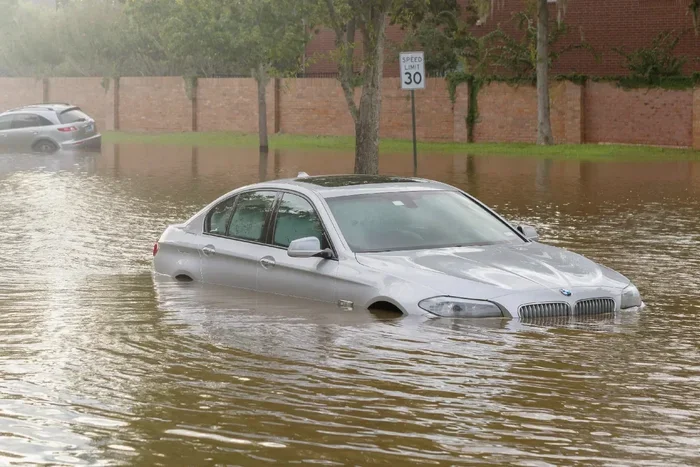
Does Car Insurance Cover Flood Damage After a Storm
Car insurance can cover flood damage, but only if you have comprehensive coverage. Standard liability policies do not pay for storm-related water damage. This guide explains exactly how flood insurance works for vehicles, what to expect when filing a claim, and how to protect your car before the next big storm hits.
Heavy storms and flash floods can strike without warning. One minute your car is parked safely, and the next it is sitting in rising water. If you have ever wondered whether car insurance covers flood damage, you are not alone. Thousands of drivers face this question every year after severe weather events.
The short answer is yes, but only under the right policy. Comprehensive car insurance typically covers flood damage. However, basic liability policies do not. Understanding the difference can save you thousands of dollars in repair costs. Let us walk through everything you need to know about flood damage and your auto insurance policy.
Whether you live in a flood zone or just deal with occasional heavy rain, this article will help you understand your coverage. We will cover what comprehensive insurance pays for, how to file a claim, what to expect during the insurance claim process, and how to protect your vehicle before the next storm rolls in.
Key Takeaways
- Comprehensive coverage is required: Basic liability insurance does not cover flood or water damage to your vehicle.
- Flood damage is covered under comprehensive claims: This includes storm surge, rising water, and flooding from heavy rain.
- Deductibles apply: You will pay your comprehensive deductible before your insurer covers the rest.
- Act quickly after a flood: File your claim promptly and document all damage with photos and videos.
- Total loss is possible: If repair costs exceed your car’s value, your insurer may declare it a total loss.
- Prevention matters: Taking steps to protect your car can reduce risk and potentially lower your insurance premium.
📑 Table of Contents
- What Does Car Insurance Cover for Flood Damage?
- How Comprehensive Coverage Works for Storm Damage
- What Happens When Your Car Gets Flooded
- Filing a Flood Damage Insurance Claim
- How Much Does Flood Damage Insurance Pay?
- Tips to Protect Your Car from Flood Damage
- Common Mistakes to Avoid After Flood Damage
- Expert Insights on Flood Damage Coverage
- Conclusion
What Does Car Insurance Cover for Flood Damage?
Car insurance is not a single product. It is made up of different coverage types. Each type covers specific situations. When it comes to water damage and flooding, the coverage type matters a lot.
Liability Coverage Does Not Cover Flood Damage
Most states require drivers to carry liability insurance. This coverage pays for damage you cause to other people or their property. It does not pay for damage to your own vehicle. If a storm floods your car, liability insurance will not help you.
Think of it this way. Liability coverage protects other people from your driving. It does not protect your car from nature. So if a hurricane causes standing water to rise around your parked car, your liability policy will not foot the bill.
Comprehensive Coverage Is Your Protection
Comprehensive car insurance is the coverage type that pays for flood damage. This optional coverage pays for damage caused by events that are not collisions. It covers things like theft, vandalism, hail, falling trees, and yes, flooding.
Comprehensive coverage is sometimes called “other than collision” coverage. It is designed to protect your vehicle from risks that are out of your control. Weather-related damage falls squarely into this category.
Here is what comprehensive coverage typically includes when it comes to water damage:
- Storm surge damage: Rising water from hurricanes or tropical storms.
- Flash flooding: Sudden water buildup from heavy rain.
- Standing water damage: Water that pools and enters your vehicle.
- Water damage to the engine: If water enters the engine through the air intake.
- Interior water damage: Soaked seats, carpets, and electronics.
It is important to note that comprehensive coverage has limits. Your insurer will pay up to the actual cash value of your vehicle. They will not pay more than your car is worth at the time of the damage.
How Comprehensive Coverage Works for Storm Damage
Understanding how your comprehensive policy works after a storm can help you avoid surprises. Let us break down the key parts of the process.
The Role of Your Deductible
Every comprehensive policy comes with a deductible. This is the amount you pay out of pocket before your insurance kicks in. Deductibles for comprehensive coverage typically range from $250 to $1,000.
For example, if your car suffers $5,000 in flood damage and your deductible is $500, your insurer pays $4,500. You pay the first $500. Choosing a higher deductible lowers your premium but means more out-of-pocket cost when a claim happens.
Actual Cash Value vs. Replacement Cost
Most auto insurance policies pay the actual cash value of your vehicle. This means they factor in depreciation. Your car loses value over time. So the payout may not be enough to buy a brand-new replacement.
Some policies offer replacement cost coverage. This pays what it costs to replace your vehicle with a similar model. However, this type of coverage is less common and usually costs more in premiums.
Waiting Periods and Policy Limits
Most insurance companies do not impose a waiting period for comprehensive claims. However, if you just purchased your policy right before a storm, there may be a short waiting period. Always check your policy details.
Policy limits are also important. Your comprehensive coverage limit is usually the actual cash value of your car. This means the maximum payout cannot exceed what your vehicle is worth.
What Happens When Your Car Gets Flooded
Flooding can cause serious damage to a vehicle. Water can ruin engines, electrical systems, and interiors. Understanding the types of damage helps you know what to expect from your claim.
Engine and Mechanical Damage
Water entering the engine is one of the most severe types of flood damage. If you drive through deep water or water enters the intake, the engine can hydrolock. This means water gets into the cylinders and prevents the engine from running.
Hydrolocked engines often need complete replacement or major repairs. This type of damage can easily exceed the value of older vehicles.
Electrical and Interior Damage
Modern cars have complex electrical systems. Water can short out sensors, computers, and wiring. Even after the water recedes, corrosion can continue to damage components over time.
Interior damage is also common. Seats, carpeting, and sound insulation absorb water. Mold can develop within days if the interior is not dried properly. This leads to costly cleaning or full interior replacement.
When Your Car Is a Total Loss
Sometimes flood damage is so extensive that the vehicle cannot be repaired economically. In these cases, your insurer may declare your car a total loss. This means they pay you the actual cash value of the vehicle minus your deductible.
A car is typically declared a total loss when repair costs exceed a certain percentage of the vehicle’s value. This threshold varies by state and insurer. Some states use a 75% threshold, while others use 100% or more.
If your car is totaled, you will need to purchase a new or used vehicle. The payout from your comprehensive claim helps fund that purchase, but it may not cover the full cost of a replacement.
Filing a Flood Damage Insurance Claim
Filing a claim after flood damage can feel overwhelming. But following the right steps makes the process smoother and faster. Here is exactly what you should do.
Step 1: Document Everything
Before you do anything else, take photos and videos of the damage. Capture the water line, the interior of the car, and any visible mechanical issues. This evidence is critical for your claim.
Also document the date, time, and location of the flooding. If you have weather reports or news footage showing the storm, save those too. Your insurer will want to verify that the damage was caused by a covered event.
Step 2: Contact Your Insurance Company
Call your insurance provider as soon as possible after the damage occurs. Most companies have 24-hour claims hotlines. Report the flood damage and ask about the next steps.
Your insurer will assign you a claim number and may arrange for an adjuster to inspect the vehicle. Be honest and thorough in your description of the damage.
Step 3: Get Your Car Assessed
The insurance adjuster will evaluate the damage. They may ask for repair estimates from authorized shops. Be present during the inspection so you can point out any damage you noticed.
Do not begin repairs before your adjuster completes the inspection. Starting repairs without approval can delay or even deny your claim.
Step 4: Review the Settlement Offer
Once the adjuster finishes, your insurer will make a settlement offer. Review it carefully. Make sure it accounts for all the damage. If you disagree with the offer, you can negotiate or request a second opinion.
Keep in mind that your deductible will be subtracted from the final payout. If the damage exceeds your car’s value, you will receive a total loss payout instead.
Step 5: Complete the Repair or Replacement
If you agree with the settlement, you can proceed with repairs or accept the total loss payout. Choose a reputable repair shop and keep all receipts. Your insurer may require you to use specific shops or provide multiple estimates.
How Much Does Flood Damage Insurance Pay?
The amount your insurance pays depends on several factors. Understanding these factors helps you set realistic expectations.
Factors That Affect Your Payout
- Your car’s value: Older cars with less value may receive smaller payouts.
- Your deductible amount: Higher deductibles mean lower payouts from the insurer.
- Extent of the damage: Minor water damage pays less than a totaled vehicle.
- Your policy limits: Comprehensive coverage pays up to the actual cash value.
- Your location: Cars in flood zones may face higher risk and different claim outcomes.
Average Costs of Flood Damage Repair
Flood damage repair costs vary widely. Minor interior water damage might cost $500 to $2,000 to fix. Engine damage from hydrolocking can range from $3,000 to $8,000 or more. A total loss means your car is gone, and you receive the cash value instead.
According to industry data, water damage claims are among the most expensive non-collision claims. This is why comprehensive coverage is so important for drivers in flood-prone areas.
Will Filing a Flood Claim Raise Your Premium?
This is a common concern among drivers. Filing a comprehensive claim can affect your premium, but the impact varies. Many insurers do not raise rates for comprehensive claims because they are not your fault. However, multiple claims in a short period may trigger a rate increase.
Check with your specific insurance provider to understand how flood claims affect your rates. Some companies offer flood-safe discounts or safe driver programs that can offset any increase.
Tips to Protect Your Car from Flood Damage
Prevention is always better than repair. Taking proactive steps can reduce your risk of flood damage and may even help keep your insurance costs down.
Park Smart During Storms
When a storm is approaching, park your car on higher ground if possible. Avoid parking near drains, underpasses, or low-lying streets. Garage parking is ideal but not always available.
If you live in a flood zone, consider investing in flood barriers or sandbags for your parking area. Even a few inches of water can cause significant damage to a vehicle.
Keep Your Policy Up to Date
Regularly review your insurance policy. Make sure your comprehensive coverage is active and your deductible is affordable. If you have recently paid off your car loan, you may be able to adjust your coverage.
Also, keep your policy documents in a safe, waterproof place. After a flood, having easy access to your insurance information speeds up the claims process.
Drive Safely Through Water
If you encounter standing water on the road, do not attempt to drive through it. Just six inches of moving water can knock you off your feet. Twelve inches can carry away a vehicle. Turn around and find an alternate route.
If your car does stall in water, do not try to restart the engine. Restarting after water enters the engine can cause even more damage and may void parts of your claim.
Consider a Post-Storm Inspection
Even if your car looks fine after a storm, hidden water damage can develop over time. Consider getting a professional inspection after severe flooding. Early detection of water in the electrical system or engine can prevent costly repairs later.
Common Mistakes to Avoid After Flood Damage
After a flood, mistakes can cost you money and delay your claim. Here are common errors to avoid.
- Starting a flooded engine: This can cause catastrophic damage and complicate your claim.
- Delaying your claim: File as soon as possible. Delays can raise questions about the cause of damage.
- Not documenting everything: Photos and videos are your best evidence. Take them before anything is moved or repaired.
- Choosing unapproved repair shops: Some insurers require specific shops. Always check first.
- Underestimating the damage: Water damage can be hidden. Always get a thorough inspection.
Expert Insights on Flood Damage Coverage
Insurance professionals recommend several best practices for drivers concerned about flood damage. Here is what the experts say.
Review your policy before storm season. Many drivers discover gaps in their coverage only after a disaster. Take time each year to understand what your policy covers and what it does not.
Consider gap insurance if you have a loan. If you owe more on your car than it is worth, gap insurance can cover the difference between your loan balance and the insurance payout after a total loss.
Keep an emergency kit in your car. Include waterproof documents, a change of clothes, and basic supplies. Being prepared helps you handle flooding situations more effectively.
For more information on how weather affects your vehicle, check out our guide on whether a car can overheat on a hot day. Understanding weather-related risks helps you protect your vehicle year-round.
If your car has been sitting in water and won’t start, our article on why your car stopped running and won’t start offers helpful troubleshooting tips for post-flood situations.
Additionally, if you suspect electrical or power issues after water exposure, read our guide on what it means when your car has no power at all to understand potential causes and solutions.
Conclusion
So, does car insurance cover flood damage? Yes, but only with comprehensive coverage. Basic liability policies do not pay for water damage from storms or flooding. If you want protection against flood damage, comprehensive insurance is essential.
Filing a claim after a flood requires documentation, patience, and quick action. By following the steps outlined in this guide, you can navigate the process with confidence. Remember to document everything, contact your insurer promptly, and avoid common mistakes that can delay your payout.
Protecting your vehicle from flood damage starts with the right insurance policy. Review your coverage today, understand your deductible, and take preventive steps to keep your car safe during storm season. Being prepared gives you peace of mind when severe weather hits.
Frequently Asked Questions
Does full coverage car insurance cover flood damage?
Full coverage typically includes both liability and comprehensive coverage. The comprehensive part of full coverage pays for flood damage. However, liability alone does not cover water damage from storms or flooding.
How long does a flood damage insurance claim take to process?
Most flood damage claims are processed within 30 to 90 days. The timeline depends on the severity of the damage, the adjuster’s availability, and your insurance company’s workload. Complex claims involving total losses may take longer.
What if I don’t have comprehensive coverage when a flood hits?
Without comprehensive coverage, you will pay for all flood damage out of pocket. This can cost thousands of dollars. If you live in a flood-prone area, adding comprehensive coverage is strongly recommended.
Can I add comprehensive coverage after a storm warning?
Most insurance companies do not allow you to add comprehensive coverage right before a storm. There is usually a waiting period. It is best to have coverage in place well before storm season begins.
Does flood damage affect my insurance premium?
Filing a comprehensive claim may or may not raise your premium. Many insurers do not increase rates for comprehensive claims because they are not at-fault incidents. However, multiple claims in a short period could lead to a rate adjustment.
What should I do if my car is partially submerged in flood water?
Do not attempt to start the engine. Document the damage with photos and videos. Contact your insurance company immediately and follow their instructions. Have a professional assess the vehicle before attempting any repairs.