Do Dealers Charge a Diagnostic Fee Heres What to Expect
Yes, most dealerships charge a diagnostic fee when you bring your car in for troubleshooting. The cost typically ranges from $80 to $150, but it may be waived if your vehicle is under warranty. This guide breaks down exactly what the fee covers, how to avoid surprise charges, and when to visit a dealer versus an independent shop.
You drive your car to the dealership because something feels off. Maybe the check engine light is on, or the engine is making a strange noise. You drop off your keys and wait. Then comes the bill — and there is a diagnostic fee on it. You did not expect that. So do dealers charge a diagnostic fee? The short answer is yes. But there is a lot more to the story.
Understanding diagnostic fees can save you money and frustration. Whether your car is under warranty or out of warranty, knowing what to expect helps you make smarter decisions. This guide covers everything from what the fee includes to how you can avoid paying more than you should.
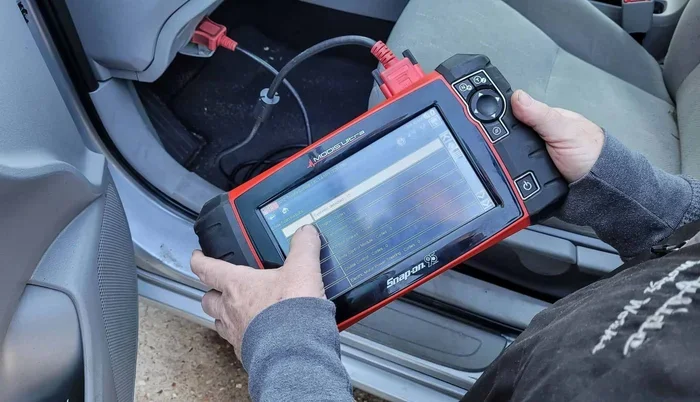
A diagnostic fee is the charge a dealership or repair shop applies when they hook up a computer to your vehicle to read error codes. It is essentially paying for the technician’s time and equipment to figure out what is wrong. Think of it like a doctor’s visit before you get treatment. You pay for the expertise and tools needed to identify the problem.
Many car owners feel surprised when they see this charge for the first time. After all, you did not get any repairs done yet. But diagnosing a problem takes skill and specialized tools. Dealerships invest heavily in diagnostic equipment, and that investment has a cost. Let us break down exactly what goes into this fee and what you can do about it.
Key Takeaways
- Diagnostic fees are standard: Most dealers charge between $80 and $150 for a diagnostic scan.
- Warranty repairs may be free: If your car is under warranty, the diagnostic cost is often covered.
- Independent shops can be cheaper: Local mechanics sometimes offer lower diagnostic rates than dealerships.
- Ask upfront: Always call ahead and ask about diagnostic fees before dropping off your vehicle.
- Diagnostic work is billable: The time spent scanning and troubleshooting is part of the service labor charge.
- Free checks exist: Some shops and parts stores offer free diagnostic scans to attract customers.
📑 Table of Contents
- What Is a Diagnostic Fee at a Dealership?
- How Much Do Diagnostic Fees Cost?
- When Are Diagnostic Fees Waived?
- Can You Avoid Paying a Diagnostic Fee?
- What Happens During a Car Diagnostic?
- Dealership vs. Independent Shop: Where Should You Go?
- Common Mistakes Car Owners Make About Diagnostic Fees
- Expert Tips to Minimize Diagnostic Costs
- The Bottom Line on Dealer Diagnostic Fees
What Is a Diagnostic Fee at a Dealership?
When you hear the term diagnostic fee, it refers to the cost of having a technician run a scan on your vehicle’s computer system. Modern cars have dozens of sensors and electronic control modules. When something goes wrong, the car stores a trouble code. A technician uses a diagnostic scan tool to read those codes and narrow down the issue.
The fee covers more than just plugging in a scanner. It includes the technician’s training, the cost of the diagnostic equipment, and the time spent analyzing the results. A thorough diagnostic process can take anywhere from 30 minutes to several hours, depending on the complexity of the problem.
What Does the Diagnostic Fee Cover?
Here is a closer look at what you are paying for when you pay a diagnostic fee:
- Scan tool usage: Dealerships use professional-grade scanners that cost thousands of dollars.
- Technician time: A trained service advisor or technician spends time reading and interpreting codes.
- Systematic testing: Sometimes a single scan does not reveal the full picture. Follow-up tests may be needed.
- Knowledge and expertise: Technicians undergo ongoing training to work on specific car brands and models.
- Shop overhead: The fee also covers the cost of running the service center, including equipment maintenance and facility expenses.
Not all diagnostic fees are the same. The price depends on the dealership, the brand of your car, and the type of problem. For example, a simple check engine light scan might cost less than a complex drivability issue that requires multiple tests.
How Much Do Diagnostic Fees Cost?
The cost of a diagnostic fee varies quite a bit. On average, you can expect to pay between $80 and $150 at a dealership. Some luxury brands or specialty dealers may charge more. Independent repair shops often charge less, sometimes starting around $50 to $80.
Here is a quick comparison of what different types of shops typically charge:
- Dealerships: $80 to $150 for a standard diagnostic scan
- Independent mechanics: $50 to $100 for the same service
- Parts stores (like AutoZone): Often free, but with limited depth of diagnosis
- Mobile mechanics: $70 to $120, depending on location and service
Keep in mind that the diagnostic fee is separate from any repair costs. If the technician finds the problem and you authorize the fix, the diagnostic fee is usually added to the total bill. In some cases, dealerships will apply the diagnostic fee toward the repair cost if you choose to have them fix the issue.
It is also worth noting that the diagnostic process can sometimes reveal additional problems you did not know about. This is both a good and a bad thing. Good because you get a full picture of your car’s health. Bad because it can mean more repair costs on top of the original bill.
If you are wondering whether places like AutoZone do a full diagnostic test for free, you can check our guide on Does Autozone Do A Full Diagnostic Test to understand the differences between free and paid diagnostics.
When Are Diagnostic Fees Waived?
The good news is that you do not always have to pay a diagnostic fee. There are several situations where the charge is waived or covered entirely.
Under Warranty Repairs
If your vehicle is still under the factory warranty, the dealership typically covers the cost of diagnostics related to the warranty issue. For example, if your check engine light is on due to a defective sensor that falls under a known warranty coverage, the diagnostic scan should be free. The dealer will bill the manufacturer for the repair, including the diagnostic time.
However, there is an important caveat. If the technician finds an unrelated issue during the diagnostic process, you may still be charged for the time spent investigating that separate problem. Always ask the service advisor to clarify what is covered before any work begins.
Free Diagnostic Promotions
Many dealerships run promotions, especially during routine maintenance months or holiday sales events. During these periods, they may offer free diagnostic scans to attract customers through the door. It is worth checking your dealer’s website or calling the service department to ask about current offers.
Customer Loyalty Programs
Some dealerships offer loyalty benefits to repeat customers. If you have purchased your vehicle from the same dealer or completed several service visits there, you may qualify for waived or reduced diagnostic fees. It never hurts to ask.
Can You Avoid Paying a Diagnostic Fee?
Yes, there are practical ways to reduce or avoid diagnostic fees altogether. Here are some strategies that real car owners use:
1. Get a Free Scan First
Many auto parts stores will read your trouble codes for free. They plug in a basic scanner and give you the code. While this is not a full diagnosis, it gives you a starting point. You can then take that information to the dealership and ask if they can look at the specific issue without a full diagnostic charge.
For more details on what AutoZone offers in this area, you can read our article Does Autozone Do A Full Diagnostic Test.
2. Describe Symptoms Clearly
When you call ahead, give the service advisor a detailed description of what is happening. The more specific you are, the easier it is for the technician to narrow down the problem. Sometimes, a clear description can reduce the time needed for diagnosis, which may lower the fee.
3. Ask About Flat Rate Diagnostics
Some dealerships offer a flat rate for diagnostics rather than charging by the hour. This can be more predictable and often cheaper. Ask the service desk if they offer a flat diagnostic rate before you drop off your car.
4. Consider Independent Shops
Independent mechanics often charge less for diagnostics than dealerships. They also tend to be more flexible about waiving the fee if you proceed with the repair. If your car is out of warranty, this can be a smart money-saving move.
What Happens During a Car Diagnostic?
Understanding the diagnostic process can help you feel more confident when you walk into a dealership. Here is a step-by-step look at what typically happens:
Step 1: Initial Inspection
The service advisor or technician starts by asking you questions about the problem. When did the light come on? Are you noticing any unusual sounds or smells? Do you feel any changes in how the car drives? This conversation helps the technician know what to focus on.
Step 2: Connecting the Scanner
Next, the technician plugs a diagnostic scan tool into your car’s OBD-II port. This port is usually located under the dashboard on the driver’s side. The scanner communicates with your car’s onboard computer and pulls up any stored trouble codes.
Step 3: Reading and Interpreting Codes
Each trouble code points to a specific system or component. For example, a code related to the oxygen sensor tells the technician to look at the fuel mixture system. However, a code is just a starting point. The technician still needs to perform tests to confirm the root cause.
Step 4: Performing Follow-Up Tests
Depending on the code, the technician may need to run additional tests. This could include checking wiring, testing sensors with a multimeter, or even taking the car for a test drive. This step is where the bulk of the diagnostic time is spent.
Step 5: Providing a Repair Estimate
Once the technician identifies the problem, they will give you a repair estimate. This includes the cost of parts and labor. At this point, you can decide whether to approve the repair or seek a second opinion.
If the issue turns out to be something simple like a worn sensor, you might also want to check whether a new serpentine belt or similar component could be the culprit. You can read more about how new parts affect car performance in our article Does Your Car Run Better With A New Serpentine Belt.
Dealership vs. Independent Shop: Where Should You Go?
This is one of the most common questions car owners ask. Both options have pros and cons, and the right choice depends on your situation.
| Factor | Dealership | Independent Shop |
|---|---|---|
| Diagnostic fee | Usually higher ($80-$150) | Usually lower ($50-$100) |
| Brand expertise | Specialized training for your car brand | General knowledge, varies by shop |
| Warranty coverage | Warranty repairs handled properly | May void certain warranty aspects |
| Equipment | Latest factory-level tools | Good tools, but may not be brand-specific |
| Turnaround time | Can be longer due to scheduling | Often faster and more flexible |
| Cost of repairs | Typically more expensive | Usually more affordable |
If your car is under warranty, the dealership is almost always the better choice. They have access to factory technical bulletins and the right parts. If your car is older and out of warranty, an independent shop can save you a significant amount of money.
It is also worth noting that some diagnostic issues can be tricky. For example, if your car is overheating on a hot day, the root cause could be anything from a thermostat to a water pump to a radiator fan. Dealerships have the brand-specific knowledge to tackle these complex problems more efficiently.
On the other hand, if you are dealing with a simple issue like a hard start, a worn out key or ignition cylinder might be the cause. Sometimes these simpler problems do not need a dealership at all.
Common Mistakes Car Owners Make About Diagnostic Fees
Avoiding these common mistakes can save you time and money:
- Not asking about the fee upfront: Always call the service department before dropping off your car. Ask specifically if a diagnostic fee applies and how much it costs.
- Assuming the fee covers repairs: The diagnostic fee only covers finding the problem. Any fix will be an additional charge.
- Ignoring the check engine light: The longer you wait, the worse the problem can get. A small issue today can become an expensive repair tomorrow.
- Going to the dealer for every issue: Not every problem requires a dealership visit. Simple issues can often be handled by a trusted local mechanic.
- Not getting a written estimate: Always ask for a written estimate before any work begins. This protects you from unexpected charges.
- Skipping follow-up on warranty claims: If your car is under warranty, follow up to make sure the diagnostic cost was properly billed to the manufacturer.
Expert Tips to Minimize Diagnostic Costs
Here are some insider tips from experienced car owners and mechanics:
- Do your homework first: Use free code readers at parts stores to get a head start. Knowing the code can reduce diagnostic time at the dealership.
- Be specific about symptoms: Tell the technician exactly what you feel, hear, and see. Vague descriptions lead to longer diagnostic sessions.
- Ask if the fee is refundable: Some dealers will credit the diagnostic fee toward the repair if you approve the work.
- Get a second opinion: If the estimate seems high, it is perfectly okay to visit another shop for a second look.
- Keep records: Maintain a log of all diagnostic and repair work. This helps track recurring issues and supports warranty claims.
One thing many car owners do not realize is that some diagnostic issues are related to broader vehicle health. For instance, if you are dealing with electrical or charging problems, understanding how your car’s charging system works can be helpful. You might find our article on Can You Charge A Hybrid Car useful even if you do not drive a hybrid, as it covers general charging system concepts.
The Bottom Line on Dealer Diagnostic Fees
So do dealers charge a diagnostic fee? Yes, they do. But now you know that the fee is not arbitrary. It covers real costs — skilled labor, specialized equipment, and the expertise needed to properly diagnose your vehicle. The key is to be an informed consumer.
Ask questions before you drop off your car. Understand what the fee covers and whether it can be waived or credited. Explore alternatives like free scans at parts stores or lower-cost independent shops. And never ignore warning signs like a check engine light or unusual sounds. Addressing problems early almost always saves money in the long run.
Dealer diagnostic fees are a normal part of car ownership. You just need to know what to expect and how to handle them wisely. With the information in this guide, you are now equipped to make confident decisions about your car’s health and your wallet.
Remember, whether you visit the dealership or a local mechanic, the goal is the same: get your car running right safely and efficiently. The best diagnostic fee is the one that leads to a fix that keeps you on the road with confidence.
Frequently Asked Questions
Is a diagnostic fee the same as a repair cost?
No, a diagnostic fee covers only the cost of finding the problem. It does not include any parts or labor needed to fix the issue. Think of it as the “telling you what is wrong” charge, separate from the “fixing it” charge. Always ask for a clear breakdown of both costs before approving any work.
Can I negotiate a diagnostic fee at a dealership?
It is possible, especially if you plan to have the repair done at the same dealership. Some service advisors are willing to waive or reduce the fee to keep your business. It never hurts to ask politely, particularly if you are a loyal customer or have a service plan.
Are free diagnostic scans at parts stores accurate?
Free scans at stores like AutoZone can give you the trouble code, but they do not provide a full diagnosis. The code tells you which system has a problem, but not always the root cause. Use free scans as a starting point, not a final answer. For a complete diagnosis, you still need a professional inspection.
How long does a car diagnostic take at a dealership?
A basic diagnostic scan usually takes 30 to 60 minutes. More complex issues can take several hours, especially if the technician needs to perform follow-up tests or road tests. Ask the service advisor for a time estimate when you drop off your vehicle so you know what to expect.
Will my warranty cover the diagnostic fee?
If the diagnostic is related to a warranty-covered issue, the dealership should bill the manufacturer directly, meaning you pay nothing. However, if the technician discovers an unrelated problem during the same visit, you may be charged for the time spent on that separate issue. Always clarify what is covered before diagnostics begin.
What should I do if I disagree with the diagnostic results?
You have every right to seek a second opinion. Take your car to an independent mechanic and explain what the dealership found. A second set of eyes can confirm or challenge the diagnosis. This is especially helpful for expensive repairs where you want to be sure before spending money.