Can I Tint a Leased Car Everything You Need to Know
Yes, you can tint a leased car, but you must check your lease agreement, follow local tint laws, and plan for removal at lease return. Unauthorized tinting can lead to fines, repair bills, or deductions from your security deposit. This guide walks you through every step so you stay compliant and protect your wallet.
So you want to tint your leased car. Maybe the summer sun is cooking your dashboard, or you just love the sleek look of darkened windows. Whatever the reason, the question can I tint a leased car comes with a lot of moving parts. You need to think about your lease agreement, local laws, and what happens when you hand the car back.
The good news is that tinting a leased car is often possible. But there are rules you need to follow. Skip the details and you could face expensive surprises at lease return. This guide breaks everything down so you can make a smart decision with confidence.
Let us walk through what you need to know about car window tinting on a leased vehicle. From understanding your lease terms to picking the right tint percentage, you will find everything you need right here.
Key Takeaways
- Check Your Lease First: Always review your lease agreement before making any modifications to a leased vehicle.
- Know Your State Laws: Each state has different rules on tint darkness and reflectivity that you must follow.
- Plan for Removal: You will likely need to remove the tint before returning the car to avoid extra charges.
- Professional Installation Matters: A quality install reduces bubbles, peeling, and the risk of damage to the factory glass.
- Document Everything: Take photos before and after tinting to protect your security deposit.
- Consider Pre-Approval: Getting written permission from your lessor can save you from disputes later.
📑 Table of Contents
Understanding Your Lease Agreement
Your lease agreement is the single most important document when thinking about modifying a leased car. Before you do anything, sit down and read through the modification section. Most leases have a clear policy on what you can and cannot change.
Some lease agreements allow minor cosmetic changes. Others are very strict and forbid any alterations. The key is to know where your lease stands before you commit money to aftermarket tint.
What Lease Modifications Typically Cover
Lease agreements usually address modifications in a dedicated section. Here are common items covered:
- Cosmetic changes: Tint, wraps, decals, and seat covers often fall into this category.
- Mechanical changes: Engine upgrades, exhaust modifications, and suspension changes are usually prohibited.
- Structural changes: Drilling holes, cutting body panels, or altering the frame is almost always banned.
Tinting falls under cosmetic modifications in most cases. But that does not mean it is automatically allowed. Always get written approval from your lessor before proceeding. A verbal okay is not enough if a dispute arises later.
How to Get Permission to Tint
Contact your leasing company or dealer directly. Ask for written confirmation that window tinting is permitted under your specific lease. Keep this document safe. You will want it when you return the car.
If your lease does not allow tinting, you still have options. Some lessors will approve it if you agree to remove the tint at your own expense before lease end. Others may charge a modification fee upfront. Knowing the cost ahead of time helps you budget properly.
Tint Laws by State
Even if your lease allows tinting, you must follow state tint laws. Every state sets its own rules about how dark your windows can be. Getting caught with illegal tint can mean tickets, fines, and even orders to remove it immediately.
What Are Tint Percentage Limits?
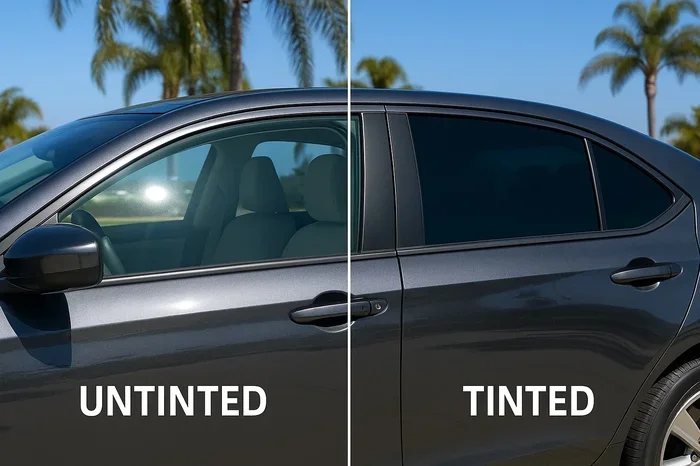
Tint darkness is measured by visible light transmission, or VLT. This is the percentage of light that passes through your window. A lower VLT means a darker tint. For example, a 5% tint is very dark, while a 70% tint is barely noticeable.
Here is a general idea of common VLT limits across states:
- Front windshield: Most states allow no tint or only a small strip at the top.
- Front side windows: Many states require 70% VLT or higher for the driver and passenger windows.
- Rear side windows: These often allow darker tints, sometimes as low as 20% VLT.
- Rear windshield: Rules vary widely, with many states allowing darker tints here.
Check your specific state’s legal tint limits before choosing a tint shade. Your local DMV website or a reputable tint shop can provide the exact numbers.
Medical Exemptions for Tint
Some states offer medical exemptions for darker tint. If you or a passenger have a condition that makes you sensitive to sunlight, you may qualify for a special permit. This usually requires a doctor’s note and a formal application to your state’s DMV.
Choosing the Right Tint for a Leased Car
Not all tint is created equal. When you are tinting a leased car, you want a product that looks great, performs well, and is easy to remove. Choosing the wrong tint can lead to peeling, bubbling, or damage to the factory glass.
Types of Car Window Tint
Here are the most common types of tint you will encounter:
- Dyed tint: The most affordable option. It absorbs heat and reduces glare. However, it can fade over time and may peel.
- Metalized tint: Contains tiny metallic particles that reflect heat. It is durable but can interfere with phone and GPS signals.
- Carbon tint: A great middle ground. It does not fade, does not interfere with signals, and offers good heat rejection.
- Ceramic tint: The premium choice. It blocks the most heat, does not fade, and does not affect electronics. It is also the most expensive.
For a leased car, ceramic or carbon tint is often the best choice. They are high quality, easy to remove cleanly, and leave little to no residue on the glass. This matters a lot when you need to remove tint before lease return.
What Tint Percentage Should You Choose?
Stick to the legal limits for your state. If you are unsure, go with a lighter shade like 35% or 50% VLT. This gives you good sun protection while staying well within most state laws. Avoid going too dark on the front side windows, as this is where most police focus their tint enforcement.
Installing Tint on a Leased Car
Proper installation is critical when tinting a leased car. Bad installation can cause bubbles, streaks, and even damage to the window seals. Since you are dealing with a car you do not own, you want to minimize any risk of damage.
DIY vs Professional Installation
You can tint your own car if you are handy. DIY tint kits are widely available and much cheaper than professional installation. But they come with risks:
- Harder to get a bubble-free finish
- Higher chance of scratching the glass
- More difficult to remove cleanly
- May void your lease modification clause if not done properly
Professional installation typically costs between $100 and $400 for a full car, depending on the type of tint and your location. It is worth the extra cost for a leased car because professionals know how to work around factory glass and seals without causing damage.
Quick Tips for a Great Tint Job
- Choose a reputable tint shop with good reviews.
- Ask about their removal policy in case you need it later.
- Make sure they use high-quality adhesive that is easy to peel off.
- Request a warranty on the installation work.
- Take detailed photos of your windows before installation begins.
What Happens at Lease Return
This is where many people get caught off guard. You tint your car, enjoy it for a year or two, and then return it. The leasing company inspects the vehicle and finds the tint. What now?
If your lease allows tinting and you followed all the rules, you are usually fine. But if you tinted without permission or chose an illegal shade, you could face charges.
Common Lease Return Issues with Tint
Here are the most common problems people run into:
- Excessive wear or damage: The leasing company may charge you for worn window seals or adhesive residue.
- Illegal tint darkness: If your tint does not meet state laws, you will be told to remove it before driving off.
- Security deposit deductions: The cost of tint removal or glass repair may come out of your deposit.
- Pre-existing damage disputes: Without photos, the lessor might claim you caused the tint damage during your lease.
The best way to avoid these issues is to document everything. Take clear photos of your windows at the start of your lease and again before you return the car. Keep your written permission from the lessor in a safe place.
Removing Tint Before Lease Return
If you need to remove your tint before handing the car back, you have a few options. You can do it yourself with a heat gun and a razor blade, but this is risky. Heat too much and you can crack the glass. Scrape too hard and you can scratch it.
A safer option is to pay a professional to remove the tint. This usually costs between $50 and $150 depending on the number of windows. It is a small price to pay compared to a $500 deduction from your security deposit.
Also, keep in mind that removing tint can leave adhesive residue on the glass. A professional will clean this off properly. If you do it yourself, use a dedicated adhesive remover and a soft cloth to avoid scratching.
Weighing the Pros and Cons
Tinting a leased car has both advantages and disadvantages. Let us look at them side by side so you can decide if it is worth it for you.
Pros of Tinting a Leased Car
- UV protection: Quality tint blocks harmful UV rays that can fade your interior and damage your skin.
- Heat reduction: Tint keeps your car cooler, which means less reliance on air conditioning.
- Privacy and security: Darker windows make it harder for people to see inside your car.
- Aesthetic appeal: Tinted windows give your car a polished, finished look.
- Glare reduction: Tint cuts down on sun glare and headlight glare from behind, making driving safer.
Cons of Tinting a Leased Car
- Lease restrictions: Your lessor may not allow any tinting at all.
- Legal risks: Illegal tint can result in fines and mandatory removal.
- Removal costs: You will likely need to pay for professional removal before lease end.
- Resale value impact: Since you do not own the car, this is less of a concern, but resale is not your goal with a lease.
- Potential for damage: Poor installation can harm the glass or window seals.
For most people, the pros outweigh the cons as long as you follow the rules. The key is planning ahead and understanding your responsibilities from start to finish.
Common Mistakes to Avoid
Tinting a leased car comes with pitfalls. Here are the most common mistakes people make and how to avoid them.
- Skipping the lease review: Never assume tinting is allowed. Read your agreement or ask your lessor directly.
- Ignoring state laws: Even if your lease allows tint, illegal darkness can still get you ticketed.
- Choosing the cheapest tint: Budget tints fade, bubble, and leave residue. You will pay more in the long run.
- Forgetting to document: Without photos and written permission, disputes over damage are almost impossible to resolve.
- Not planning for removal: If you do not budget for removal, you will face an unpleasant surprise at lease end.
- Tinting without professional help: DIY can work, but the risk of glass damage is not worth it on a leased vehicle.
Avoiding these mistakes keeps your lease clean and your wallet happy. A little preparation goes a long way when it comes to modifying a leased car.
Expert Insights on Leasing and Modifications
Industry experts consistently advise leasing customers to treat their leased car with care. Think of it as borrowing someone’s home. You would not repaint the walls without asking, right? The same logic applies to car modifications like tinting.
Leasing companies generally prefer cosmetic changes that do not alter the vehicle’s structure or function. Tinting fits this category because it is reversible. But the key word is reversible. If tinting causes permanent damage to the glass or seals, the lessor will hold you responsible.
Some leasing companies even offer approved modification programs. These programs allow you to make cosmetic changes like tinting or wrapping your car under specific guidelines. It is worth asking your lessor if they have such a program available.
Remember, the goal is to enjoy your leased car while protecting your financial interests. With the right approach, tinting a leased car can be a smooth and rewarding experience.
Final Thoughts
So, can you tint a leased car? Yes, in most cases you can — but it requires careful planning and attention to detail. Start by reviewing your lease agreement and getting written permission. Choose a legal tint shade that fits your state’s visible light transmission requirements. Invest in quality tint and professional installation. And always document everything for the lease return process.
Tinting a leased car is a smart move when done right. It protects your interior, improves comfort, and gives your car a polished look. Just remember that the car is not yours to keep forever, so treat it with respect and follow the rules.
Take the time to do your research before you commit. Talk to your lessor, check your local laws, and pick a trusted tint shop. A little effort upfront saves you from headaches down the road. Enjoy your tinted leased car with total peace of mind.
Frequently Asked Questions
Can I tint a leased car without asking my leasing company?
You should never tint a leased car without permission. Most lease agreements require written approval for any modifications. Doing it without permission can result in fines, repair charges, or deductions from your security deposit at lease return.
Will I have to remove the tint before returning my leased car?
In most cases, yes. Unless your lease explicitly allows you to keep the tint, you will need to remove it before returning the vehicle. Professional removal usually costs between $50 and $150, which is much cheaper than a security deposit deduction.
What is the legal tint darkness for front side windows?
This varies by state, but most states require at least 70% visible light transmission on front side windows. Check your state’s DMV website or consult a local tint shop to confirm the exact legal limit where you live.
Can tinting a leased car damage the factory glass?
It can if the tint is applied or removed incorrectly. Poor adhesive quality or aggressive removal techniques can scratch the glass or damage window seals. This is why professional installation and removal is strongly recommended for leased vehicles.
Is ceramic tint worth the extra cost for a leased car?
Yes, ceramic tint is often worth it for leased cars. It is the highest quality option, does not fade or peel, and is the easiest to remove cleanly. Since you need to remove it before lease end, a premium tint that comes off without leaving residue is a smart investment.
What happens if I return my leased car with illegal tint?
If you return a leased car with illegal tint, the lessor will likely require you to remove it before finalizing the lease return. You may also face a security deposit deduction to cover the cost of removal and any potential fines from law enforcement. This is why following both lease rules and state laws is so important.
=== INTERNAL LINKS ===
If you are also considering other car modifications, check out whether you can park a wrapped car outside for guidelines on cosmetic changes.
Proper car care is essential during your lease term. Learn how often you can wash your car without causing damage to keep your leased vehicle in great shape.
Beyond tinting, many leased car owners wonder about other modifications. Find out if you can change the sound system in your car and what to consider before making the switch.
Returning a leased car can be stressful, especially with lingering odors. If you need to freshen up the interior, learn how to get smoke smell out of a car before handoff.