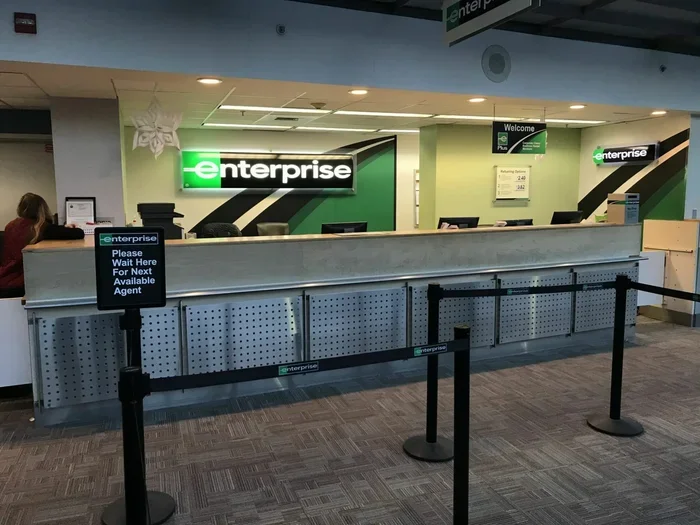
Do I Need Insurance to Rent a Car From Enterprise
You do not always need separate insurance to rent a car from Enterprise. Your existing auto policy, credit card benefits, or other coverage may already protect you. Enterprise also offers several insurance options at the counter if you need extra protection.
Renting a car from Enterprise is a straightforward process. You walk in, pick a vehicle, and drive away. But one question often holds people back. Do I need insurance to rent a car from Enterprise? The answer is not as simple as yes or no. It depends on your current coverage, your credit card benefits, and your personal situation.
Many renters assume they must buy the insurance offered at the counter. That is not always true. In fact, buying extra coverage you already have is a common and costly mistake. This guide breaks down everything you need to know about Enterprise rental insurance. You will learn what coverage you likely already have, what Enterprise sells, and how to make the best decision for your wallet.
Whether you are renting for a weekend trip or a week-long business stay, understanding car rental insurance saves you time and money. Let us walk through it together.
Key Takeaways
- Personal auto insurance may cover rental cars: Many standard policies include liability and collision coverage for rental vehicles.
- Credit cards often provide rental car coverage: Some cards offer secondary or primary collision damage waiver when you decline Enterprise insurance.
- Enterprise offers multiple coverage options: You can choose from damage waiver, liability insurance, and personal accident coverage at checkout.
- You can decline all coverage if you are already protected: If your personal policy or credit card covers rentals, you can save money by saying no to Enterprise add-ons.
- Age and license status matter: Younger drivers may face different insurance requirements when renting from Enterprise.
📑 Table of Contents
- What Insurance Options Does Enterprise Offer?
- Do You Already Have Coverage?
- When Do You Need to Buy Enterprise Insurance?
- How Much Does Enterprise Rental Insurance Cost?
- Common Mistakes Renters Make With Insurance
- Expert Tips for Saving Money on Rental Insurance
- Final Thoughts on Enterprise Rental Insurance
What Insurance Options Does Enterprise Offer?
When you pick up your rental at Enterprise, the counter agent will ask about insurance. This can feel overwhelming. There are several options on the table. Here is a breakdown of what Enterprise typically offers.
Collision Damage Waiver (CDW)
The Collision Damage Waiver is the most common add-on. It removes your financial responsibility if the rental car gets damaged or stolen. Without CDW, you could be billed for the full cost of repairs or even the full value of the vehicle.
CDW is not technically insurance. It is a waiver that shifts risk from you to Enterprise. The daily cost varies by vehicle type. A compact car might cost a few dollars a day, while an SUV or luxury sedan costs more.
Liability Insurance
Liability coverage protects you if you cause an accident that injures someone or damages their property. Enterprise offers this as a separate option. It is especially important if your personal auto policy does not extend to rental vehicles.
Most states require minimum liability coverage to drive legally. Enterprise will check that you meet these requirements before letting you drive off.
Personal Accident Insurance
This coverage pays for medical expenses if you or your passengers get hurt in an accident. It is optional and can add up quickly. If you have health insurance, you may already be covered for these costs.
Personal Effects Coverage
This protects your belongings inside the rental car. If your luggage or personal items are stolen, this coverage helps replace them. However, your homeowners or renters insurance may already cover this.
Do You Already Have Coverage?
Before you pay for Enterprise insurance, check what you already have. Many drivers are surprised to learn they are already protected. Here are the most common sources of existing coverage.
Your Personal Auto Insurance Policy
Most standard auto insurance policies cover rental cars. If you have liability, collision, and comprehensive coverage on your own vehicle, that coverage often extends to a rental. This means your personal policy may already handle damage, theft, and liability claims.
Call your insurance provider before your rental. Ask them specifically what applies to a rental car from Enterprise. Get the answer in writing if possible. This protects you if there is a dispute later.
Credit Card Rental Car Coverage
Many credit cards offer rental car insurance as a perk. Some cards provide secondary coverage, which kicks in after your personal auto insurance. Others offer primary coverage, which works as your main protection.
To use credit card coverage, you usually must decline all optional insurance from Enterprise. You also must pay for the rental with that specific card. Check your card benefits before your trip. Not all cards offer this perk, and the terms vary widely.
If you are wondering about the rental process itself, you can learn more about renting a car with a debit card to understand what documents you need to bring.
Your Employer or Membership Benefits
Some employers offer rental car coverage as part of their benefits package. Business travel insurance may also cover rentals. Additionally, certain membership organizations provide rental car insurance to their members.
Check with your HR department or membership coordinator. You may be paying for coverage you do not even know about.
When Do You Need to Buy Enterprise Insurance?
There are situations where purchasing insurance directly from Enterprise makes sense. Here are the most common scenarios.
You Do Not Have Personal Auto Insurance
If you do not own a car and do not have a personal auto policy, you will need coverage from Enterprise. Without insurance, you are personally responsible for any damage or injury. This can be financially devastating.
In this case, the Enterprise damage waiver and liability insurance are essential. Consider the daily cost against the risk of paying out of pocket for an accident.
Your Credit Card Does Not Cover Rentals
Not all credit cards offer rental car coverage. If your card does not, and you do not have personal auto insurance, you need to cover yourself. Enterprise insurance becomes a necessary expense in this situation.
You Want Full Peace of Mind
Some renters prefer the simplicity of having Enterprise handle everything. If you do not want to deal with claims through your personal insurer, buying coverage at the counter can be worth the cost. It removes the stress of navigating a claim while on vacation or a business trip.
For younger drivers, insurance requirements can differ. If you are under 25, check out whether you can rent a car at 24 to understand age-related rental policies.
How Much Does Enterprise Rental Insurance Cost?
The cost of insurance at Enterprise varies. Several factors influence the daily rate. Understanding these costs helps you decide whether to buy or decline.
Factors That Affect the Price
- Vehicle type: Larger and luxury vehicles cost more to insure.
- Rental duration: Longer rentals may have lower daily rates.
- Location: Prices can vary by state and city.
- Coverage type: CDW, liability, and personal accident each have separate fees.
On average, expect to pay between $10 and $30 per day for additional coverage. Over a week-long rental, this adds up quickly. Weighing the cost against your existing coverage is essential.
A Quick Cost Comparison
Let us look at a simple comparison. A seven-day rental of a mid-size sedan from Enterprise might cost $200 for the vehicle alone. Adding CDW and liability insurance could add $100 to $150 to the total. That is a significant increase. If your personal policy already covers rentals, you save that entire amount.
Common Mistakes Renters Make With Insurance
Avoid these common pitfalls when renting from Enterprise. They can save you money and headaches.
Assuming Your Credit Card Covers Everything
Many people think their credit card provides full coverage. In reality, most cards only offer secondary coverage. This means your personal auto insurance pays first. Your credit card only steps in if your personal policy does not cover the full amount.
Always check the fine print of your card benefits. Understand whether it is primary or secondary coverage.
Not Declining Coverage Properly
If you want to use your own insurance, you must decline Enterprise coverage at the counter. Simply not buying it is not enough. You must actively decline each coverage option. Otherwise, Enterprise may charge you and you will have to dispute the charge later.
Forgetting to Check Your Personal Policy Details
Not all personal auto policies cover rentals the same way. Some policies exclude certain vehicle types or have coverage limits that may not be enough. Always review your policy details before your rental.
Age requirements also play a role in rental insurance. If you are a younger driver, you might want to read about renting a car at 18 to understand how age affects your rental options and insurance needs.
Expert Tips for Saving Money on Rental Insurance
You do not have to pay full price for coverage. Here are expert-backed tips to reduce your insurance costs when renting from Enterprise.
Call Your Insurance Company Before You Go
This is the single most important step. A quick phone call can save you hundreds of dollars. Ask your provider exactly what covers a rental car. Get the policy number and a confirmation of coverage in writing.
Use the Right Credit Card
If you have a credit card with rental car coverage, use it to pay for the rental. This lets you decline Enterprise insurance and rely on your card benefits. Just make sure you understand the coverage limits and exclusions.
Check for Membership Discounts
Some credit cards and membership programs offer discounts on rental insurance. AAA members, for example, may get reduced rates on Enterprise coverage. Always ask about available discounts at the counter.
Decline Unnecessary Add-Ons
Personal accident insurance and personal effects coverage are often redundant. If your health insurance covers medical bills and your homeowners policy covers belongings, you do not need these extras.
Final Thoughts on Enterprise Rental Insurance
The question of whether you need insurance to rent a car from Enterprise does not have a one-size-fits-all answer. Your answer depends entirely on your current coverage situation. If you have a solid personal auto policy and a credit card with rental coverage, you can confidently decline Enterprise insurance and save money.
On the other hand, if you lack personal coverage or want the convenience of having everything handled in one place, Enterprise insurance is a worthwhile investment. The key is knowing what you have before you arrive at the counter.
Take a few minutes before your next rental to review your insurance and credit card benefits. That small effort can make a big difference. You will drive away with confidence, knowing you are properly protected without paying for coverage you do not need.
For more information about the rental process, check out renting a car at 22 to understand age-related requirements that may also affect insurance options at Enterprise.
Frequently Asked Questions
Can I rent a car from Enterprise without any insurance?
Yes, you can rent a car without buying Enterprise insurance if you have existing coverage. Your personal auto policy or credit card benefits may already protect you. However, you must decline all optional coverage at the counter and provide proof of your existing insurance if asked.
Does my credit card automatically cover rental car damage?
Not automatically. You must check your specific card benefits. Many cards offer coverage, but you typically need to decline all rental insurance from Enterprise and pay with the card to activate the benefit. Always read the terms carefully.
How long does Enterprise rental insurance last?
Enterprise rental insurance covers the duration of your rental period. The coverage starts when you pick up the vehicle and ends when you return it. If you extend your rental, you may need to add coverage for the additional days.
What happens if I decline insurance and get in an accident?
If you decline insurance and do not have existing coverage, you are personally responsible for all damages and injuries. This includes vehicle repairs, property damage, and medical expenses. It is a significant financial risk that can cost thousands of dollars.
Can I buy Enterprise insurance after I pick up the car?
Typically, insurance must be purchased at the counter during checkout. Some locations may allow you to add coverage later, but this varies by branch. It is best to make your decision before you drive off the lot.
Is Enterprise insurance cheaper than buying a separate policy?
Enterprise insurance is often more convenient but not always cheaper. Daily rates add up over longer rentals. If you already have coverage through your auto policy or credit card, buying Enterprise insurance would be an unnecessary expense. Always compare before you buy.