Does Car Insurance Cover DUI Accidents and Injuries
Car insurance may cover DUI accidents, but only up to a point. Liability coverage typically pays for injuries and property damage you cause, while full coverage may help with your own vehicle. However, most policies exclude intentional acts, and a DUI conviction can spike your rates or even lead to policy cancellation. Understanding your policy details is essential before you file a claim after a drunk driving incident.
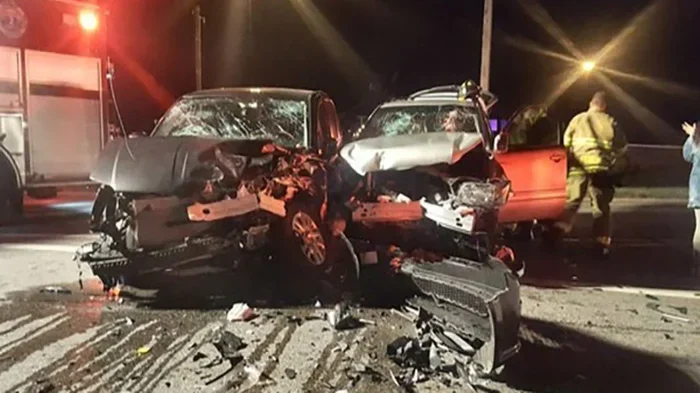
Getting behind the wheel after drinking is a serious decision. And if that decision leads to an accident, the questions pile up fast. Does car insurance cover DUI accidents and injuries? The short answer is yes, but with many strings attached.
Your auto insurance policy is not a magic shield. It has limits, exclusions, and conditions that can change everything after a drunk driving incident. Whether you are a first-time offender or facing a repeat charge, understanding how coverage works can save you from financial disaster.
This guide breaks down exactly what your policy will and will not do after a DUI accident. We cover liability, full coverage, SR-22 requirements, rate hikes, and much more. By the end, you will know what to expect and how to protect yourself.
Key Takeaways
- Liability coverage usually applies: Most policies cover bodily injury and property damage you cause to others, even in a DUI accident.
- Your own injuries may not be covered: Collision and PIP coverage depends on your state and policy terms.
- Rates will likely increase: A DUI conviction can raise premiums by 50% or more for several years.
- Policy cancellation is possible: Insurers may drop you after a DUI, especially if it’s a repeat offense.
- SR-22 filing is often required: You may need to file an SR-22 to prove financial responsibility after a DUI.
- Intentional acts are excluded: If the insurer proves you drove intentionally drunk, your claim could be denied.
- State laws vary widely: Coverage rules and minimum requirements differ from state to state.
📑 Table of Contents
- How Car Insurance Works After a DUI Accident
- Does Full Coverage Protect You in a DUI Accident?
- How Much Does a DUI Increase Car Insurance Rates?
- What If the Other Driver Was Drunk?
- Common Mistakes People Make After a DUI Accident
- How to Protect Yourself and Your Coverage
- State-by-State Variations in DUI Insurance Coverage
- Key Takeaways
How Car Insurance Works After a DUI Accident
When a car accident involves drunk driving, insurance companies treat it differently than a regular fender bender. The first thing to understand is that your policy is a contract. You pay premiums, and the insurer promises to cover certain losses. But every contract has fine print.
Most standard auto insurance policies include liability coverage. This is the part that pays for injuries and damage you cause to other people. In a DUI accident, liability coverage typically still kicks in. The insurer may pay for the other driver’s medical bills, car repairs, and legal costs up to your policy limits.
However, there is a big catch. If the insurer determines that you drove under the influence intentionally, they may try to deny your claim. This is where things get tricky and expensive. Most policies include an intentional act exclusion. This means the insurer can refuse to pay if they believe you knew you were drunk and chose to drive anyway.
What Happens to Your Liability Coverage?
Bodily injury liability covers the medical costs of people you hurt in an accident. Property damage liability pays for the other driver’s car or property. After a DUI, these coverages usually still apply. But the insurer will investigate the circumstances closely.
If the other party files a claim, your insurance company will assign an adjuster. The adjuster reviews the police report, blood alcohol content (BAC) levels, and witness statements. If your BAC was over the legal limit, the claim may still be processed. But the insurer could also increase your premiums or non-renew your policy.
Some states require a SR-22 filing after a DUI conviction. An SR-22 is a certificate that proves you carry the minimum required insurance. It is not a type of insurance itself. Instead, it is a document your insurer files with the state. SR-22 requirements usually last three to five years, depending on your state.
Does Full Coverage Protect You in a DUI Accident?
Full coverage is a term many people use, but it is not an actual insurance product. It usually refers to a combination of liability, collision, and comprehensive coverage. Let us break down how each part works after a DUI accident.
Collision Coverage and DUI
Collision coverage pays for damage to your own vehicle after an accident, regardless of who is at fault. If you crash your car while drunk, collision coverage may pay for repairs. But there is a catch. Your deductible applies, and the insurer may investigate the claim more thoroughly.
In some cases, the insurer may deny a collision claim if they believe the accident resulted from intentional misconduct. This is rare but does happen. To avoid surprises, read your policy carefully and talk to your agent about DUI-related scenarios.
It is also worth noting that if your car stopped running while driving and won’t start after a crash, collision coverage can help pay for towing and repairs. This is a common situation after a serious accident where the vehicle is damaged beyond simple fixes.
Comprehensive Coverage and DUI
Comprehensive coverage handles non-collision events like theft, fire, and weather damage. It does not typically apply to DUI accidents. If you hit a tree while drunk, collision coverage handles it, not comprehensive.
However, comprehensive coverage can help in situations where your car is damaged in other ways during a DUI incident. For example, if someone vandalizes your car while you are detained after a DUI arrest, comprehensive coverage may apply.
Personal Injury Protection (PIP)
Personal injury protection, or PIP, covers your own medical expenses after an accident. In no-fault states, PIP is mandatory. In at-fault states, it is optional. PIP can be a lifesaver after a DUI accident because it pays for your injuries regardless of who caused the crash.
Here is the important part. PIP coverage usually applies even if you were driving under the influence. However, some policies include exclusions for intoxicated drivers. Always check your specific policy wording. If you want to understand more about what happens when your car breaks down during a trip, you can read about common driving issues like car stopped running while driving and won’t start scenarios.
How Much Does a DUI Increase Car Insurance Rates?
A DUI conviction hits your wallet hard. Insurance companies view drunk drivers as high-risk clients. The rate increase depends on several factors, including your state, your insurer, and your driving history.
On average, car insurance rates jump by 50% to 100% after a first DUI offense. Some insurers raise rates even more. For a driver paying $150 per month, that could mean an extra $75 to $150 every month. Over three years, that adds up to thousands of dollars.
Factors That Affect Your Rate Increase
- Your BAC level: A higher blood alcohol content leads to steeper increases.
- Your age and driving history: Young drivers with no prior offenses may see slightly lower hikes.
- Your state: Some states regulate how much insurers can raise rates.
- Your insurer: Some companies are more lenient than others after a DUI.
- Whether you caused an accident: A DUI crash causes a bigger rate jump than a DUI stop without a collision.
Can You Keep Your Insurance After a DUI?
Many people wonder if they can keep their current insurance after a DUI. The answer is maybe. Some insurers will continue your policy but raise your rates significantly. Others may choose not to renew your policy at all.
If your current insurer drops you, you will need to find a new one. High-risk insurance companies specialize in covering drivers with DUIs. These policies cost more but keep you legally insured. In some states, you may also need to file an SR-22 form. You can learn more about legal driving requirements and how they connect to car ownership in our guide on registering a car without a license in Oklahoma.
What If the Other Driver Was Drunk?
Sometimes the tables turn, and the other driver causes the accident while intoxicated. In this case, their insurance should cover your injuries and damages. But getting paid is not always straightforward.
If the other driver has liability coverage, their insurer pays for your medical bills and car repairs up to their policy limits. If they do not have insurance, you may need to rely on your own uninsured motorist coverage.
Uninsured motorist coverage is a valuable protection. It pays for your costs when the other driver has no insurance or flees the scene. This coverage also applies in hit-and-run situations where the other driver was impaired.
What If the Drunk Driver Has No Insurance?
This is a stressful situation, but you still have options. Your uninsured motorist coverage steps in to pay for your injuries and vehicle damage. If you do not have this coverage, you may need to pursue a personal injury lawsuit against the drunk driver.
Lawsuits take time and money. But if the drunk driver has assets or income, you may recover compensation through a court judgment. Working with a personal injury attorney is often the best path forward in these cases.
Common Mistakes People Make After a DUI Accident
After a DUI accident, emotions run high. Panic, fear, and confusion can lead to costly mistakes. Here are the most common errors people make and how to avoid them.
Failing to Report the Accident
Some drivers try to handle a DUI accident quietly. They do not call the police or notify their insurer. This is a huge mistake. Failing to report an accident can result in a denied claim. Always report the incident to your insurance company as soon as possible.
Admitting Fault or Guilt
Never admit fault at the scene of an accident. Even a casual comment like “I had a few drinks” can be used against you. Let the police handle the investigation. Speak to your attorney before giving any recorded statements to your insurer.
Ignoring Your Policy Details
Many people do not read their insurance policy until they need it. By then, it is too late to understand what is covered. Take time now to review your policy. Know your limits, deductibles, and exclusions. If you drive without proper coverage, you may face serious financial consequences.
Not Seeking Legal Help
A DUI accident involves both insurance and criminal matters. Trying to handle everything alone is risky. A qualified attorney can protect your rights, negotiate with insurers, and guide you through the legal process.
How to Protect Yourself and Your Coverage
The best way to handle a DUI accident is to prevent one from happening. But if you find yourself in this situation, knowing what to do makes a big difference.
- Call 911 immediately: Report the accident and request medical help if anyone is injured.
- Cooperate with law enforcement: Be honest but do not volunteer extra information.
- Notify your insurer promptly: Report the accident within 24 hours if possible.
- Document everything: Take photos, collect witness contact info, and keep all medical records.
- Consult an attorney: Get legal advice before signing any documents or accepting settlements.
- Review your policy: Understand what your coverage includes and what it does not.
Prevention is always better than cure. If you plan to drink, arrange a sober ride home. Use a rideshare service, call a friend, or stay overnight. A few dollars spent on a safe ride can save you thousands in insurance hikes, legal fees, and medical bills.
Regular car maintenance also plays a role in accident prevention. A well-maintained vehicle responds better in emergency situations. For tips on keeping your car in top shape, check out our article on does your car run better with a new serpentine belt and other maintenance guides.
State-by-State Variations in DUI Insurance Coverage
Insurance laws and DUI penalties vary significantly from state to state. What applies in California may be very different from what applies in Texas. Here are some key differences to keep in mind.
- No-fault states: In these states, your own insurance pays for your injuries regardless of fault. PIP coverage is essential.
- At-fault states: The at-fault driver’s insurance pays for all damages. A DUI conviction makes you the at-fault driver.
- States with mandatory SR-22: Many states require SR-22 filings after a DUI. This ensures you maintain continuous coverage.
- States with harsher penalties: Some states impose longer license suspensions, higher fines, and mandatory ignition interlock devices.
Understanding your state’s specific rules helps you make informed decisions about your coverage. Contact your insurance agent or a local legal expert for guidance tailored to your situation.
Key Takeaways
Car insurance does cover DUI accidents in most cases, but the coverage has limits and conditions. Liability coverage typically pays for others’ injuries and property damage. Your own injuries may be covered through collision or PIP, depending on your policy. A DUI conviction will almost certainly increase your rates and may lead to policy changes. Always read your policy, report accidents promptly, and seek legal advice when needed. Prevention remains the best strategy to avoid the financial and legal consequences of drunk driving.
Frequently Asked Questions
Will my insurance cover me if I get arrested for DUI?
Your insurance covers accidents, not arrests. If you are arrested for DUI but do not cause an accident, your insurance is not directly affected. However, once a DUI conviction appears on your record, your insurer will likely raise your rates at your next renewal.
Does full coverage car insurance cover DUI accidents?
Full coverage, which includes liability, collision, and comprehensive, may cover damages after a DUI accident. However, your insurer can investigate and deny claims if they believe you drove intentionally under the influence. Always review your policy’s specific exclusions.
How long does a DUI affect your car insurance?
A DUI typically affects your insurance rates for three to five years. Some insurers consider DUIs on your record for up to ten years. The exact duration depends on your state, your insurer, and whether it is a first-time or repeat offense.
Can you get insurance after a DUI conviction?
Yes, you can still get insurance after a DUI. Many high-risk insurers specialize in covering drivers with DUIs. You may also need to file an SR-22 form in your state. Expect to pay higher premiums than a driver with a clean record.
Does a DUI affect your insurance if you were not at fault?
Even if you were not at fault, a DUI conviction can still impact your insurance. Insurers view any DUI as a sign of high risk. Your rates may increase regardless of the accident details. Some states also require SR-22 filings for any DUI conviction.
What happens if your insurer denies a DUI claim?
If your insurer denies a DUI claim, you have options. You can appeal the decision, provide additional evidence, or consult an attorney. In some cases, the denial may be based on the intentional act exclusion. A legal professional can help you understand your rights and explore alternative paths to compensation.
=== CONCLUSION ===
Does car insurance cover DUI accidents and injuries? The answer is not a simple yes or no. It depends on your policy type, your state laws, and the specific circumstances of the accident. Liability coverage usually extends to DUI incidents, protecting you from lawsuits and medical bills for others. But your own injuries and vehicle damage depend on the details of your policy.
A DUI conviction changes everything. Expect higher premiums, potential policy changes, and the hassle of SR-22 filings. The financial impact goes far beyond the accident itself. It can affect your driving record, your legal standing, and your wallet for years.
The best approach is prevention. Never drink and drive. If you find yourself in a DUI accident, act quickly. Report the incident, contact your insurer, and seek legal counsel. Understanding your coverage gives you the best chance of navigating this difficult situation with confidence.
Stay informed, stay safe, and always make responsible choices behind the wheel. Your insurance, your finances, and your life depend on it.