1st Party Car Insurance Explained For Everyday Drivers
1st party car insurance protects you and your vehicle directly after an accident or damage. It covers repairs, medical bills, and even theft — giving you peace of mind on the road. Understanding your policy helps you avoid surprises when you need help the most.
Driving a car comes with real risks. Accidents happen. Storms hit. Keys get locked inside vehicles. That is where 1st party car insurance steps in. It is the type of coverage that looks after you first. If something happens to your car or your body, your own insurer pays. This guide breaks it all down in plain language.
Many drivers buy insurance without fully understanding what they get. They assume all policies work the same way. They do not. 1st party insurance is different from 3rd party insurance in a big way. One covers you. The other covers the other guy. Let us explore what this means for you as a driver.
## What Is 1st Party Car Insurance?
1st party car insurance is a type of policy that protects the named policyholder. If you are the policyholder, this coverage pays for your losses. It does not matter who caused the accident. Your insurer steps in and handles the cost.
The word “1st party” refers to you — the person buying the policy. Your insurer is the 1st party that owes you coverage. This is different from a 3rd party claim, where someone else makes a claim against you.
### How 1st Party Coverage Works
When you file a 1st party claim, you go directly to your own insurance company. You do not need to involve the other driver. Your insurer assesses the damage. They approve or deny the claim. If approved, they pay for repairs or replacement up to your policy limit.
For example, imagine you park your car in a grocery store lot. A shopping cart rolls into your door and dents it. You file a claim with your own insurer. If your policy includes 1st party coverage, they pay for the repair. You never need to deal with the shopping cart owner.
### Key Components Of A 1st Party Policy
Most 1st party insurance policies include several core parts. Here are the common components:
- Collision coverage: pays for damage to your car in an accident.
- Comprehensive coverage: covers non-collision damage like theft or weather.
- Personal injury protection: pays for medical bills after an accident.
- Uninsured motorist coverage: protects you when the other driver has no insurance.
- Property damage liability: covers damage your car causes to others’ property.
Not every policy includes all of these. You should review your insurance policy carefully. Ask your provider what is included and what is not.
## 1st Party vs 3rd Party Car Insurance
Understanding the difference between 1st party and 3rd party insurance is essential. These two types serve very different purposes.
### What Is 3rd Party Insurance?
3rd party insurance covers damage you cause to other people or their property. It does not cover your own car or your own injuries. This type of policy is the bare minimum in many places. It is cheap but offers limited protection.
### Direct Comparison
Here is a quick look at how these two types compare:
- Who gets paid: 1st party pays you. 3rd party pays the other person.
- What it covers: 1st party covers your car and body. 3rd party covers others’ cars and bodies.
- Claim process: 1st party claims go to your insurer. 3rd party claims go to the other driver’s insurer.
- Cost: 1st party premiums are usually higher. 3rd party premiums are lower.
- Speed of payout: 1st party claims are often faster since you deal with your own company.
Most drivers benefit from having both types. A comprehensive policy often bundles 1st party and 3rd party together. This gives you full protection on the road.
## Why 1st Party Insurance Matters For Everyday Drivers
You might wonder why you need 1st party coverage if you already have basic insurance. The answer is simple. Basic policies often leave gaps. 1st party insurance fills those gaps and protects your wallet.
### Protects You When You Are At Fault
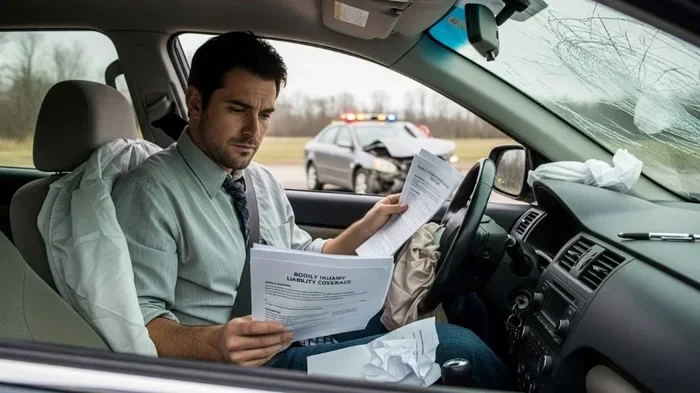
If you cause an accident, your 3rd party insurance handles the other person. But what about your car? What about your injuries? Without 1st party coverage, you pay out of pocket. That can cost thousands of dollars.
### Covers Non-Accident Damage
Not all car damage comes from collisions. A tree branch falls on your car in a storm. Your windshield gets cracked by a rock. Your car gets stolen from a parking lot. 1st party insurance often covers these situations under comprehensive or collision components.
### Speeds Up The Recovery Process
Dealing with another driver’s insurance company can be slow and frustrating. With 1st party coverage, you go straight to your own provider. The claim process is simpler. You get your car fixed faster. Less stress for you.
### Peace Of Mind On Every Trip
Knowing your own insurer has your back changes how you feel behind the wheel. You are not worrying about what happens if something goes wrong. You just drive. That peace of mind is worth the extra cost of 1st party premiums for many drivers.
## How To File A 1st Party Insurance Claim
Filing a 1st party claim does not have to be complicated. Follow these steps and you will be on track:
Step 1: Check Your Policy Details
Before anything else, review your insurance coverage. Know your deductible, your limits, and what is included. This prevents surprises later.
Step 2: Document The Damage
Take clear photos of all damage. Write down what happened. Note the date, time, and location. Keep any receipts for temporary repairs.
Step 3: Contact Your Insurer
Call your insurance provider as soon as possible. Report the incident. Ask what documents you need to submit.
Step 4: Get An Estimate
Your insurer may require an official repair estimate. Take your car to an approved shop or get a quote from a trusted mechanic.
Step 5: Wait For Approval
Your insurer reviews the claim. They may approve it fully, partially, or deny it. If denied, you can appeal with more evidence.
Step 6: Get Your Car Repaired
Once approved, you pay your deductible. Your insurer pays the rest. You pick up your car and get back on the road.
## Common Mistakes Drivers Make With 1st Party Claims
Even careful drivers make mistakes when dealing with insurance claims. Here are some to avoid:
- Waiting too long to report: delays can lead to claim denial.
- Not reading the fine print: your policy may exclude certain types of damage.
- Admitting fault at the scene: let the facts speak. Do not guess who caused the accident.
- Skipping documentation: photos and notes are your best friend during a claim.
- Choosing an unapproved repair shop: this can slow down or complicate the payout.
Avoiding these mistakes keeps your claim settlement moving smoothly.
## How To Choose The Right 1st Party Car Insurance
Not all 1st party insurance policies are the same. Here are tips to help you pick the right one:
Assess Your Driving Habits
Do you drive long distances every day? Do you park on the street or in a garage? Your habits affect the type of coverage you need.
Compare Premiums And Deductibles
A lower premium sounds great. But a high deductible means you pay more out of pocket when a claim happens. Find the balance that works for your budget.
Check The Coverage Limit
Every policy has a maximum payout. Make sure the coverage limit is high enough to cover real-world costs. A cheap policy with a low limit may not help much in a serious accident.
Read Reviews Of Your Insurer
Some insurance companies process claims faster than others. Look for reviews and ratings. A good insurance provider makes a huge difference when you need help.
Ask About Add-Ons
Many insurers offer extras like roadside assistance or rental car coverage. These add-ons can be very valuable for everyday drivers.
## Expert Insights On 1st Party Coverage
Insurance experts agree that 1st party coverage is one of the most important parts of any auto policy. According to industry professionals, drivers who carry comprehensive 1st party insurance recover from accidents faster and with less financial stress.
One common recommendation is to always carry uninsured motorist coverage as part of your 1st party plan. This protects you if the other driver has no insurance or insufficient coverage. It is a small extra cost that can save you thousands.
Another tip from experts is to review your policy every year. Your needs change as your car ages or as your driving habits shift. Keeping your insurance coverage up to date ensures you are never caught off guard.
## Frequently Asked Questions
What does 1st party car insurance cover?
1st party car insurance covers your own losses after an accident or damage. This includes repairs to your vehicle, medical bills, and sometimes even rental car costs. It pays out regardless of who caused the incident, as long as your policy includes the relevant coverage type.
Is 1st party insurance the same as comprehensive insurance?
Not exactly. Comprehensive insurance is one type of 1st party coverage. But 1st party is a broader term that can also include collision, personal injury protection, and uninsured motorist coverage. Think of comprehensive as one piece of the 1st party puzzle.
Do I need 1st party insurance if I have 3rd party coverage?
You are legally required to have 3rd party insurance in most places. But 3rd party does not protect your own car or body. Adding 1st party coverage fills that gap and gives you much stronger financial protection. Most experts recommend having both.
How long does a 1st party claim take to process?
Most 1st party claims are processed faster than 3rd party claims. Many insurers resolve simple claims within a few days to two weeks. Complex claims involving major damage may take longer. Staying organized with your documents helps speed things up.
Can I choose my own repair shop for a 1st party claim?
Many insurers have a list of approved shops. Some allow you to choose your own mechanic. It is best to check with your insurance provider before starting repairs. Using an approved shop often leads to faster payment.
Will my premium go up after filing a 1st party claim?
This depends on your insurer and your claim history. Some companies raise premiums after any claim. Others only increase rates at-fault accidents. Always ask your provider about the impact before filing a claim. In some cases, the cost of repairs is still worth it.
## Conclusion
1st party car insurance is one of the most valuable protections a driver can have. It covers your car, your body, and your peace of mind. Unlike basic 3rd party policies, it looks after you first. Whether you face a fender bender, a storm, or a stolen vehicle, your own insurer has your back.
Take time to understand your policy. Know what is covered and what is not. Review your coverage limits and deductibles regularly. Choose an insurance provider with a strong reputation for fair and fast claims.
Every driver deserves real protection. 1st party car insurance delivers that. Start by checking your current policy today. Make sure you have the coverage you need. Your future self will thank you when the unexpected happens on the road.
Key Takeaways
- 1st party insurance covers your own losses: repairs, medical costs, and vehicle damage are handled by your own insurer.
- It differs from 3rd party insurance: 3rd party covers damage to others, while 1st party covers you first.
- You file a claim with your own provider: the process is faster and more straightforward for your own losses.
- Premiums may be higher: but the coverage and claim speed often make it worth the cost.
- Not all policies include 1st party cover: always check your policy documents carefully.
- It works alongside other coverage types: comprehensive and collision plans often include 1st party benefits.
Frequently Asked Questions
What is 1st party car insurance?
1st party car insurance is an important topic with many practical applications.