Do I Have to Carry Insurance on a Repossessed Car
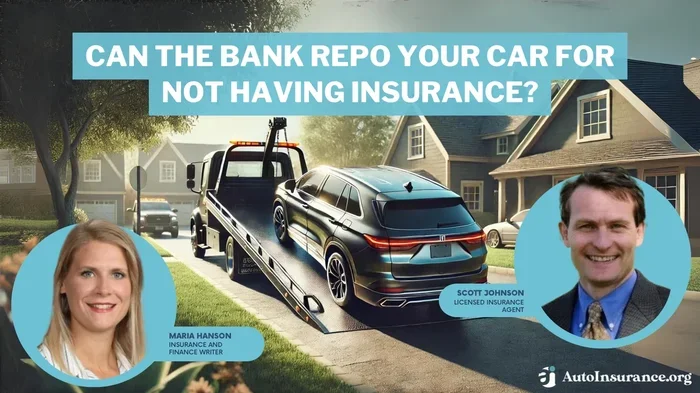
Yes, you typically still need insurance on a repossessed car until the loan is fully settled or the lender releases you from the obligation. Even after your vehicle is taken back, the lender may require you to maintain coverage to protect their financial interest. Failing to keep insurance can lead to legal consequences, fees, and credit score damage. This guide breaks down exactly what you need to know about insurance responsibilities after repossession.
Losing a car to repossession is stressful enough. But the confusion that follows can make things even harder. One question many people ask is whether they still need insurance on a repossessed car. The short answer is yes, in most cases. But the full story is more nuanced than you might think.
When a lender takes back your vehicle, it does not automatically cancel your insurance duties. In fact, your obligation to carry coverage may continue for weeks, months, or even longer depending on your loan agreement. Understanding this is critical. It can save you from costly fines, legal trouble, and unnecessary expenses.
This article will walk you through everything you need to know. We will cover what happens to your auto insurance policy after repossession, what your lender can do, and how to protect yourself during this confusing time. Let us break it all down.
Key Takeaways
- Insurance obligation continues after repossession: Your lender may still require you to carry coverage until the loan is fully resolved.
- Lender-placed insurance is expensive: If you let your policy lapse, the lender may buy coverage on your behalf at a much higher cost.
- You can still be held liable for damages: Driving without insurance after repossession can result in fines, license suspension, and lawsuits.
- Gap insurance may help cover the difference: If the car sells for less than what you owe, gap insurance can reduce your financial burden.
- Check your state laws: Insurance requirements after repossession vary by state, so understanding local regulations is essential.
- You have the right to request documentation: Ask your lender for proof of what insurance they require and when the obligation ends.
- Credit score impact is real: Lapses in insurance can trigger default notices that damage your credit history.
📑 Table of Contents
What Happens to Your Insurance After Repossession?
Many people assume that once their car is repossessed, their insurance worries are over. That is not usually the case. Here is what typically happens behind the scenes.
The Lender Still Has a Financial Interest
Even though you no longer have the car, the lender still has money invested in it. They want to make sure their asset is protected. If the repossessed vehicle gets damaged, stolen, or totaled, the lender loses money. That is why they often require you to maintain insurance coverage until the loan balance is fully paid or the lender formally releases you from the obligation.
Think of it this way. The lender financed the purchase. They still want their money back. Insurance is their safety net. So they keep requiring it, even when the car is sitting in a tow yard or auction lot.
Your Policy May Still Be Active
In many cases, your personal insurance policy stays active after repossession. The lender may continue to list you as the named insured. This means you are still responsible for paying premiums. If you stop paying your insurance premiums, your policy will cancel. And that triggers a whole new set of problems.
Some people make the mistake of thinking the car is gone, so the insurance does not matter. That is a dangerous assumption. A lapse in coverage can come back to haunt you in several ways.
Why You Cannot Just Cancel Your Insurance
It might be tempting to cancel your insurance the moment your car is repossessed. After all, you are not driving it anymore. But doing so can create serious problems. Here is why you should think twice.
Lender-Placed Insurance Costs More
If your lender finds out you canceled your policy, they will likely purchase lender-placed insurance on your behalf. This type of coverage is designed to protect the lender, not you. And it comes with a steep price tag. Lender-placed insurance can cost two to three times more than a standard policy. The lender will then bill you for the premium, plus administrative fees.
These charges get added to your loan balance. That means you end up paying for something you never wanted. It also extends how long you owe money on the loan.
Legal and Financial Consequences
Driving without insurance is illegal in most states. But even if you are not driving the repossessed car, canceling your policy can trigger legal consequences. If the lender discovers the lapse, they may:
- Report the lapse to credit bureaus
- Add insurance costs to your loan balance
- Initiate default proceedings
- Send your account to collections
These actions can severely damage your credit score. And a lower credit score makes it harder to rent an apartment, get a new loan, or even land a job in some cases.
You May Still Be Driving Other Vehicles
Here is something people overlook. Even if your repossessed car is off the road, you still need insurance for any other vehicles you drive. Canceling your entire policy leaves you uninsured for everything. That is a risk no one should take.
What the Law Says About Insurance on Repossessed Vehicles
Insurance requirements after repossession vary by state. Federal law does not set a single rule. Instead, each state has its own regulations. Let us look at the general landscape.
State-by-State Variations
Some states require lenders to notify borrowers when a vehicle is repossessed. Others mandate that lenders inform insurance companies about the repossession. A few states have specific rules about how long a lender can charge you for lender-placed insurance. Understanding your state laws is essential.
For example, some states cap the amount a lender can charge for force-placed insurance. Others require the lender to prove they tried to obtain coverage from you first. Knowing your rights gives you leverage.
The Role of Your Loan Agreement
Your loan agreement is the most important document in this situation. It outlines exactly what happens after repossession. Most agreements include a clause about maintaining insurance. This clause typically states that you must carry coverage until:
- The loan is fully paid off
- The lender releases the lien
- The vehicle is sold at auction
- A specific date stated in the agreement
Read your agreement carefully. If you are unsure about the language, contact a legal aid organization in your area. Many offer free consultations.
How to Protect Yourself After Repossession
Dealing with a repossessed car is already overwhelming. But there are steps you can take to protect yourself financially and legally.
Request Written Confirmation from Your Lender
Contact your lender and ask for written confirmation of your insurance obligations. Specifically, ask:
- When does my insurance requirement end?
- What type of coverage do you require?
- Will you be charging me for lender-placed insurance?
- Can you provide proof of any insurance they purchase?
Having this information in writing protects you. If the lender later claims you did not carry insurance, you have documentation to prove otherwise.
Keep Paying Your Premiums
Continue paying your insurance premiums on time. Set up automatic payments if you need to. A lapse in coverage creates a paper trail that the lender can use against you. Even if you think the car is gone and forgotten, keep that policy active.
Once the lender formally releases the lien, you can cancel the policy. But do not do it until you have that confirmation in writing.
Check Your Credit Report Regularly
After repossession, monitor your credit report closely. Look for any new negative items, especially related to insurance lapses or additional charges. If you spot something suspicious, dispute it immediately with the credit bureau.
Consider Your Options for the Remaining Loan Balance
After the lender sells the repossessed car at auction, you may still owe money. This is called a deficiency balance. The difference between what you owed and what the car sold for becomes your responsibility. Some people purchase gap insurance before repossession to cover this gap. If you did not have gap insurance, you may need to negotiate a payment plan with the lender.
Also, keep in mind that your ability to pay your car payment with a credit card may already be impacted if the loan went to collections. Understanding all your financial obligations helps you plan ahead.
Talk to an Insurance Agent
If you are unsure about your coverage needs, speak with an insurance agent. They can help you understand what you still owe and what you can cancel. A good agent will also help you find affordable coverage for any vehicles you still own or plan to purchase.
Common Mistakes People Make After Repossession
Avoiding these common pitfalls can save you time, money, and stress.
Assuming the Car Is Gone So Insurance Does Not Matter
This is the biggest mistake. The car may be repossessed, but your financial obligations do not disappear. Insurance is one of those obligations that carries real consequences if ignored.
Letting the Policy Lapse Without Checking
Some people simply stop paying premiums without checking if they are still required to carry coverage. This is a gamble. The lender will find out, and the consequences are costly.
Not Reading the Loan Agreement
Many borrowers skip reading the fine print. But the loan agreement contains the answers to your insurance questions. Take the time to review it. If you do not understand something, ask for clarification.
Ignoring Notices from the Lender or Insurance Company
You may receive letters or emails about insurance lapses or lender-placed policies. Ignoring them makes everything worse. Respond promptly and seek clarification. Staying informed gives you control.
Forgetting About the Deficiency Balance
After auction, you may still owe thousands. Some people forget about this balance entirely. That is a mistake. The lender can pursue collection, and the insurance lapse can complicate matters further.
Frequently Asked Questions
Can I cancel my insurance immediately after my car is repossessed?
You should not cancel your insurance immediately after repossession. Your loan agreement likely requires you to maintain coverage until the lender releases you from the obligation. Check your agreement and get written confirmation from your lender before making any changes to your policy.
What is lender-placed insurance?
Lender-placed insurance is a policy the lender purchases on your behalf if you let your insurance lapse. It protects the lender’s financial interest in the vehicle. This type of coverage is typically much more expensive than a standard policy, and the cost gets added to your loan balance.
Does a repossession affect my ability to get car insurance?
A repossession itself does not directly affect your ability to get insurance. However, the financial fallout from repossession, including missed payments and potential credit score damage, can influence your insurance rates. Insurers often check credit-based insurance scores when setting premiums.
How long do I need to keep insurance after my car is repossessed?
The duration depends on your loan agreement and state laws. Some lenders release you from the insurance requirement once the car is sold at auction. Others require coverage until the loan is fully paid off. Always get written confirmation from your lender before canceling any policy.
What happens if I drive a repossessed car without insurance?
If you are still in possession of the repossessed vehicle and drive it without insurance, you face legal penalties. These can include fines, license suspension, and vehicle impoundment. Additionally, if you get into an accident, you will be personally liable for all damages and injuries.
Can I use gap insurance to cover a repossessed car?
Gap insurance typically pays the difference between what you owe and what the car is worth at the time of loss. If your car was repossessed and sold at auction for less than you owed, gap insurance may help cover the deficiency balance. Check your specific policy to understand what is covered.
Final Thoughts
Dealing with a repossessed car is never easy. But understanding your insurance obligations can take a huge weight off your shoulders. The key takeaway is simple: you generally need to carry insurance on a repossessed car until your lender formally releases you from that requirement.
Do not let the stress of repossession lead to costly mistakes. Keep your policy active, communicate with your lender, and get everything in writing. These small steps can protect your finances and your peace of mind during a difficult time.
Remember, your financial health is still on the line even after the car is gone. Treat your insurance obligations seriously. The few dollars you pay in premiums now can save you from hundreds or even thousands of dollars in fees and legal trouble later. Stay informed, stay proactive, and take control of your situation.