Correct Tire Pressure for Mazda 3 and Why It Matters
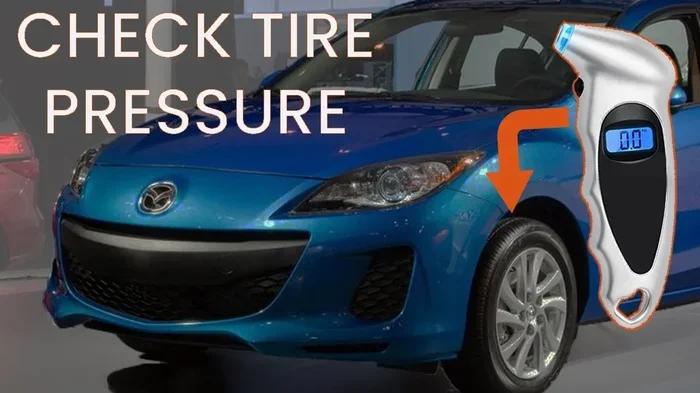
Finding the correct tire pressure for Mazda 3 is essential for safety, fuel efficiency, and long-lasting tires. Most Mazda 3 models recommend tire pressure between 32 and 35 PSI, but always check your owner manual or the driver-side door jamb sticker. Keeping your tire pressure in the right range prevents uneven wear, improves handling, and saves money at the pump.
Your Mazda 3 is a well-engineered car that delivers great performance, but one small detail can make a huge difference: correct tire pressure for Mazda 3. It is one of those things that most drivers overlook until something goes wrong. A simple tire pressure check can save you money, keep you safe, and extend the life of your tires.
In this guide, we will walk you through everything you need to know about Mazda 3 tire pressure. We will cover the recommended PSI, how to check it, what happens when pressure is off, and easy tips to stay on top of maintenance. Whether you drive a new model or an older one, this article has you covered.
Key Takeaways
- Correct tire pressure for Mazda 3 typically ranges from 32 to 35 PSI.
- Underinflated tires reduce fuel economy and cause uneven tread wear.
- Overinflated tires lead to a harsh ride and reduced traction.
- Check your tire pressure at least once a month and before long trips.
- The TPMS light on your dashboard warns you about pressure issues.
- Always use a reliable tire pressure gauge for accurate readings.
📑 Table of Contents
What Is the Correct Tire Pressure for Mazda 3?
The correct tire pressure for Mazda 3 depends on your model year and trim level. However, most Mazda 3 vehicles recommend a tire pressure of between 32 and 35 PSI for all four tires. This number is the standard for both the front and rear wheels on most trims.
Here are the typical pressure guidelines:
- Front tires: 32 to 33 PSI
- Rear tires: 32 to 35 PSI
- Spare tire: 60 PSI (check your manual to confirm)
Always refer to the sticker on the driver-side door jamb. This sticker gives you the exact Mazda 3 tire pressure recommended by the manufacturer. It also tells you the correct tire size for your specific model. If you cannot find the sticker, check your Mazda 3 owner manual. It will have a dedicated section on tire specifications.
Does Tire Pressure Change by Model Year?
Yes, it can. Newer Mazda 3 models, especially those from 2019 onward, may have slightly different pressure recommendations compared to older versions. The Mazda 3 specs for tire pressure can vary based on engine type, trim level, and whether the car comes with a tire pressure monitoring system (TPMS). Always double-check the recommended pressure for your specific year and trim.
For example, a 2020 Mazda 3 Sport might list 32 PSI, while a 2023 Mazda 3 Touring might recommend 35 PSI. Small differences matter. Even one PSI off can affect how your car handles, how much fuel you use, and how evenly your tires wear down.
Why Tire Pressure Matters for Your Mazda 3
Tire pressure is not just a number on a sticker. It directly affects how your car drives, how safe it is, and how much money you spend. Let us break down the main reasons why correct tire pressure for Mazda 3 deserves your attention.
Safety First
Your tires are the only part of your car that touches the road. When the pressure is too low or too high, your grip on the road suffers. Underinflated tires flex too much, which can lead to overheating and even blowouts at highway speeds. Overinflated tires have a smaller contact patch, which means less traction, especially on wet or icy roads.
Proper tire pressure ensures that your Mazda 3 handles predictably. You get better cornering, shorter braking distances, and more stability in emergency situations. For daily commuters and weekend road trippers alike, this is non-negotiable.
Fuel Economy
Did you know that tire pressure and fuel economy are closely linked? Tires that are underinflated create more rolling resistance. This means your engine has to work harder to keep the car moving. The result? You burn more fuel.
Studies show that keeping your tires properly inflated can improve gas mileage by up to 3 percent. That might not sound like much, but over a year of driving, those savings add up. If you care about getting the most out of every tank, tire pressure check should be on your regular routine.
Tire Longevity
Tires are not cheap. A set of quality tires for a Mazda 3 can cost several hundred dollars. One of the fastest ways to wear them out prematurely is by driving on the wrong pressure. Underinflated tires wear out the outer edges of the tread. Overinflated tires wear out the center of the tread.
When you maintain the right tire inflation, your tires wear evenly. This means you get the full lifespan out of every tire. It also means fewer trips to the tire shop and more money in your pocket over time.
Ride Comfort
The correct tire pressure for Mazda 3 also affects how the car feels on the road. Underinflated tires create a soft, sluggish feel. Overinflated tires make the ride harsh and bouncy. When pressure is spot on, you get a smooth, comfortable drive with responsive steering.
How to Check Your Mazda 3 Tire Pressure
Checking your tire pressure is easy and takes just a few minutes. You do not need to be a mechanic. Here is a simple step-by-step guide.
Step 1: Get a Tire Pressure Gauge
You will need a tire pressure gauge. You can buy a digital or analog gauge at any auto parts store for under $15. A digital gauge is easier to read and more accurate. Keep one in your glove box so you always have it handy.
Step 2: Check Pressure When Tires Are Cold
Always check your tire pressure when the tires are cold. This means the car has been parked for at least three hours or driven less than a mile. Driving heats up the air inside the tires, which raises the pressure reading and gives you inaccurate results.
Step 3: Remove the Valve Cap
Unscrew the valve cap from the tire stem. Keep it in a safe place so you do not lose it. Press the tire pressure gauge firmly onto the valve stem. You should hear a brief hiss of air. If the hiss continues, press harder to get a proper seal.
Step 4: Read the Gauge
Look at the reading on your gauge. Compare it to the recommended PSI listed on your door jamb sticker or owner manual. If the pressure is low, add air. If it is high, let a little air out.
Step 5: Replace the Valve Cap
Screw the valve cap back on. This small cap keeps moisture and dirt out of the valve stem, which helps prevent slow leaks.
Quick Tips for Accurate Readings
- Check all four tires, including the spare.
- Do not rely on the gas station air pump gauge alone. They are often inaccurate.
- Check pressure at the same time of day for consistency.
- Make it a habit to check once a month.
Common Tire Pressure Problems and Warning Signs
Even with regular care, tire pressure problems can happen. Knowing the warning signs helps you catch issues early before they become expensive repairs.
The TPMS Light
Most modern Mazda 3 models come with a tire pressure monitoring system, or TPMS. When the TPMS light on your dashboard turns on, it means one or more tires are significantly below the recommended pressure. Do not ignore this light. Pull over safely and check your tire pressure as soon as possible.
If you recently inflated your tires and the light stays on, you may need to tire pressure reset. This is usually done through the infotainment system or a small reset button under the steering column. Refer to your owner manual for the exact steps.
Visual Warning Signs
Sometimes you can spot tire pressure problems just by looking. Look out for these signs:
- Uneven tire wear: More wear on the outer edges means underinflation. More wear in the center means overinflation.
- Bulging sidewalls: Low pressure causes the tire sidewall to flex excessively, creating bulges.
- Cracking or cuts: Underinflated tires are more prone to damage from road hazards.
- Vibration while driving: Incorrect pressure can cause the car to vibrate, especially at higher speeds.
Slow Leaks
A slow leak is one of the most common causes of tire pressure loss. Potholes, nails, and even age can cause tiny punctures that let air out gradually. If you find yourself adding air frequently, get your tires inspected. A simple 3m anti-glare film for car windshield application or a coat of 3-in-1 high protection car spray will not fix a leak, but a good tire sealant or plug from a professional will.
For vehicles that spend a lot of time parked or driven on rough roads, consider using quality car jack stands when inspecting tires. This gives you safe access to look at the full tread and sidewall for damage.
Tips for Maintaining the Right Tire Pressure
Maintaining the right pressure is easier than you think. Here are some practical habits that will keep your Mazda 3 tires in great shape.
Set Monthly Reminders
Set a reminder on your phone to check tire pressure once a month. It takes less than 10 minutes and can prevent costly problems. Make it part of your car care routine, just like checking your oil level.
Invest in a Quality Tire Gauge
The free gauges at gas stations are convenient but often worn out and inaccurate. A personal tire pressure gauge that you keep in your car will give you reliable readings every time. Look for one with a clear display and a comfortable grip.
Know How Temperature Affects Pressure
Air pressure inside tires drops as the temperature falls. In winter, you may notice your TPMS light coming on even though your tires are fine. For every 10-degree drop in temperature, tire pressure can decrease by about 1 PSI. Keep this in mind during seasonal changes and adjust accordingly.
Rotate Your Tires Regularly
Rotating your tires every 5,000 to 7,500 miles promotes even wear. When you combine regular rotation with proper tire pressure maintenance, your tires last significantly longer. This is one of the best Mazda 3 maintenance tips you can follow.
Keep a Tire Pressure Log
It sounds old-fashioned, but keeping a simple log of your tire pressure readings helps you spot trends. If you notice pressure dropping consistently in one tire, it could signal a slow leak that needs professional attention.
Use the Right Tires
Always use tires that match the specifications listed for your Mazda 3. The right tire size and type ensure that the recommended pressure works as intended. Mixing tire sizes or using the wrong type can throw off your handling and pressure readings.
When cleaning and protecting your tires, use products designed for rubber care. A quality 3-in-1 high protection car spray can help keep tire sidewalls looking great and resist cracking from UV exposure.
Conclusion
Getting the correct tire pressure for Mazda 3 is one of the simplest and most impactful things you can do for your car. It keeps you safe on the road, improves fuel economy, and helps your tires last longer. A few minutes of attention each month can save you hundreds of dollars over the life of your vehicle.
Remember to check your door jamb sticker, use a reliable gauge, and make tire pressure checks a regular habit. Your Mazda 3 will reward you with a smoother ride, better performance, and fewer trips to the repair shop. Take five minutes today to check your tires. Your future self will thank you.
Stay proactive about tire pressure maintenance and enjoy the confidence that comes with knowing your car is in top shape.
Frequently Asked Questions
What is the recommended tire pressure for a Mazda 3?
The recommended tire pressure for most Mazda 3 models is between 32 and 35 PSI. Always check the sticker on the driver-side door jamb or your owner manual for the exact number for your specific model year and trim.
How often should I check my Mazda 3 tire pressure?
You should check your tire pressure at least once a month and before any long road trips. Tires naturally lose about 1 PSI per month, so regular checks help you stay on top of pressure changes.
Can I drive on a Mazda 3 with the TPMS light on?
You should not drive for long distances with the TPMS light on. This light indicates that one or more tires are significantly underinflated. Check your tire pressure right away and inflate to the recommended level before driving.
What happens if my Mazda 3 tire pressure is too low?
Underinflated tires cause uneven wear on the outer edges of the tread, reduce fuel economy, and increase the risk of blowouts. They also make your car feel sluggish and reduce handling precision.
Can cold weather affect Mazda 3 tire pressure?
Yes, cold weather reduces tire pressure. For every 10-degree Fahrenheit drop in temperature, tire pressure can decrease by about 1 PSI. Check your pressure more frequently during winter months.
Do I need to reset the TPMS after adding air to my tires?
In many Mazda 3 models, the TPMS light resets automatically once the tires reach the correct pressure. If it does not reset, you can usually find the reset procedure in your owner manual or through the infotainment system settings.
=== INTERNAL LINKS ===
When maintaining your Mazda 3, having the right tools makes a big difference. A sturdy set of 3 ton car jack stands keeps your vehicle secure when you need to inspect tires or perform undercarriage checks. For protecting your car’s exterior surfaces, a quality 3 in 1 high protection car spray works wonders on tire sidewalls and paint alike. If you are also concerned about visibility during drives, consider applying 3M anti glare film for car windshield to reduce glare and eye strain on long trips.