Can You Negotiate a Car Lease Everything You Should Know
Yes, you can negotiate a car lease, and most people don’t realize they have more power than they think. Negotiating a car lease works much like negotiating a car purchase, but the focus shifts to monthly payments, capitalized cost, and lease terms. This guide walks you through every step, from understanding key numbers to closing the deal with confidence.
Have you ever wondered if you can negotiate a car lease? The short answer is yes. Most people assume lease terms are set in stone, but that is far from the truth. Dealerships expect you to negotiate, and the best deals often go to those who ask. If you have been sitting on the fence about leasing a new vehicle, this guide will show you exactly how to get the best possible deal.
Leasing a car is different from buying one, but the negotiation process shares many similarities. You are still working with a salesperson, and you still have room to push for better numbers. The key difference is that negotiating a car lease focuses more on monthly payments and lease-specific terms rather than the total purchase price. Whether you are a first-time lessee or someone looking to lease again, understanding how to negotiate can save you hundreds or even thousands of dollars over the life of your lease.
In this article, we break down everything you need to know. We cover the key terms you must understand, the step-by-step negotiation process, common mistakes to avoid, and expert tips that give you a real advantage. By the end, you will feel confident walking into any dealership ready to negotiate your car lease like a pro.
Key Takeaways
- Leases are fully negotiable: Many parts of a car lease can be adjusted, including the capitalized cost and monthly payment.
- Know your numbers: Understanding residual value, money factor, and mileage limits gives you an edge at the dealership.
- Do your research first: Checking the vehicle’s market value and history before negotiation prevents overpaying.
- Avoid common traps: Dealers often add hidden fees or push unnecessary extras that inflate your lease cost.
- Timing matters: Negotiating at the right time of month or year can lead to better deals.
- Walk away if needed: The best leverage in any negotiation is your willingness to leave.
📑 Table of Contents
- What Is a Car Lease and Why Should You Negotiate?
- Key Lease Terms You Must Understand Before Negotiating
- How to Negotiate Your Car Lease Step by Step
- Common Mistakes People Make When Negotiating a Car Lease
- When Negotiation Won’t Work
- Expert Tips to Get the Best Car Lease Deal
- Final Thoughts on Negotiating a Car Lease
What Is a Car Lease and Why Should You Negotiate?
A car lease is a long-term rental agreement. You pay a set amount each month to drive the vehicle for a specific period, usually two to four years. At the end of the lease, you either return the car or buy it at a predetermined price. The monthly payment is based on several factors, including the vehicle’s value, its expected depreciation, and the lease terms set by the lessor.
Here is the part many people miss. The numbers presented to you by a dealer are not final. They are starting points. Dealers build in a margin, just like they do with car sales. That margin is your opportunity. When you negotiate a car lease, you are essentially asking the dealer to reduce that margin and give you a better monthly payment or better overall terms.
Think of it this way. You would never accept the first price on a used car at a dealership without negotiating. Leasing works the same way. The dealer wants your business, and they are willing to adjust numbers to make the deal happen. Your job is to know what those numbers should be and to push for them.
Why Most People Skip Negotiation
There is a common myth that lease terms are fixed by the manufacturer. This is simply not true. While manufacturers do set suggested pricing, dealers have flexibility. They can adjust the capitalized cost, the money factor, and other variables. Many people skip negotiation because they feel overwhelmed by lease jargon. But once you understand the basics, the process becomes much simpler and much less intimidating.
Key Lease Terms You Must Understand Before Negotiating
Before you sit down with a salesperson, you need to understand the key terms that shape a lease. Knowing these terms gives you confidence and puts you on equal footing with the dealer. Here are the most important ones.
Capitalized Cost
The capitalized cost, or “cap cost,” is the total value of the vehicle for lease purposes. Think of it as the price of the car, but for a lease. When you negotiate a car lease, the cap cost is the first number you should target. A lower cap cost means a lower monthly payment. Dealers often inflate the cap cost by adding extras you do not need. Your goal is to bring it down to the fair market value of the vehicle.
Residual Value
The residual value is what the car is expected to be worth at the end of the lease. This number is usually set by the leasing company, not the dealer. A higher residual value leads to a lower monthly payment because you are only paying for the depreciation during the lease term. While you cannot always change the residual value, understanding it helps you compare different lease offers and spot a good deal from a bad one.
Money Factor
The money factor is essentially the interest rate on your lease, expressed in a different format. It might look like a tiny decimal, such as 0.0025, but it directly affects your monthly payment. You can convert the money factor to an annual percentage rate by multiplying it by 2,400. If the money factor seems high, you should negotiate it down. This is one area where many people leave money on the table.
Mileage Allowance
Every lease comes with a mileage limit, usually 10,000 to 15,000 miles per year. If you go over that limit, you pay a fee, typically 15 to 25 cents per mile. When you negotiate a car lease, ask about the mileage allowance and whether it can be adjusted. If you drive more than average, negotiating a higher mileage allowance upfront can save you from expensive overage charges later.
Lease Duration
Most leases run for 24 to 48 months. The length of your lease affects your monthly payment and your total cost. Shorter leases tend to have higher monthly payments but lower overall depreciation costs. Longer leases spread the cost out but may come with higher maintenance risks. Consider your driving habits and how long you plan to keep the vehicle when choosing a lease term.
How to Negotiate Your Car Lease Step by Step
Now that you understand the key terms, let us walk through the actual negotiation process. These steps will help you get the best possible deal on your next lease.
Step 1: Research the Vehicle and Its Market Value
Before you visit any dealership, do your homework. Look up the fair market value of the vehicle you want to lease. Use tools like Kelley Blue Book or Edmunds to get an idea of what the car should cost. Also, check the vehicle history if you are considering a used or pre-owned lease. You can track a vehicle by VIN number to get a full report on its past, including accidents, service records, and ownership history.
Knowing the market value gives you a powerful advantage. When the dealer presents a number, you will know immediately if it is fair or inflated. This is the foundation of any successful negotiation.
Step 2: Get Multiple Lease Quotes
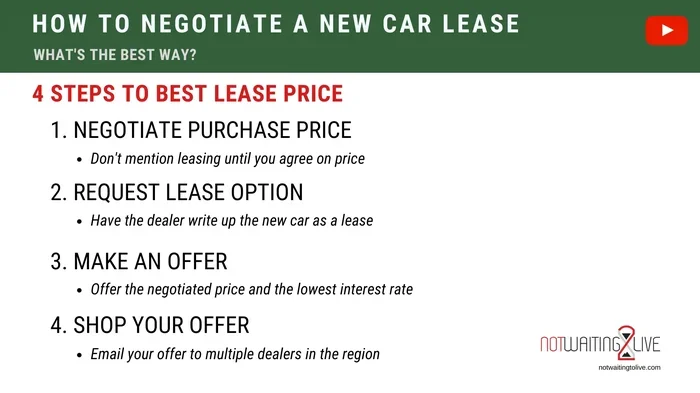
Do not go to just one dealership. Get lease quotes from several dealers, even if they are in different cities. Online tools make this easy, and many dealers will provide quotes without requiring you to visit in person. Having multiple quotes gives you leverage. You can tell one dealer, “Another dealer offered me a lower monthly payment. Can you match it?” This simple tactic often leads to better offers.
Step 3: Focus on the Total Cost, Not Just Monthly Payment
Dealers love to talk about monthly payments because they sound manageable. But focusing only on the monthly number can hide the true cost of the lease. A lower monthly payment might come with a longer lease term, higher mileage fees, or hidden charges. When you negotiate a car lease, ask the dealer to break down the total cost. Look at the capitalized cost, the money factor, the residual value, and all fees. This gives you a complete picture and helps you compare offers fairly.
Step 4: Negotiate the Capitalized Cost
Start your negotiation by targeting the cap cost. Ask the dealer to reduce it to the fair market value or below. Be firm but polite. If the dealer pushes back, remind them of the quotes you gathered from other dealerships. You can also mention any manufacturer incentives or rebates that apply to the vehicle. These discounts should be factored into the cap cost.
Step 5: Negotiate the Money Factor
Once the cap cost is settled, move on to the money factor. Ask the dealer to lower it or explain how they arrived at their number. A lower money factor directly reduces your monthly payment. If the dealer is unwilling to budge, you can ask them to buy down the money factor by paying a lump sum upfront. This is a less common tactic, but it can work in some situations.
Step 6: Review All Fees Before Signing
Before you sign anything, review every fee on the lease agreement. Common fees include acquisition fees, disposition fees, and documentation fees. Some fees are non-negotiable, but others can be reduced or waived. Ask the dealer to explain each fee and justify its cost. If a fee seems unreasonable, push back. This is the final stage of your negotiation, and it is just as important as the earlier steps.
Common Mistakes People Make When Negotiating a Car Lease
Even the most prepared shoppers can make mistakes during lease negotiations. Here are the most common ones and how to avoid them.
Focusing Only on the Monthly Payment
This is the number one mistake. When you focus only on the monthly payment, the dealer can extend the lease term or adjust other numbers to make the payment seem lower while increasing the total cost. Always look at the big picture. Ask the dealer for the total amount you will pay over the entire lease term, including all fees and charges.
Skipping the Research
Walking into a dealership without knowing the market value of the vehicle is like going into a battle without a weapon. The dealer has all the information, and you will be at a disadvantage. Do your research ahead of time. Know the fair price, the typical money factor, and the standard residual value for the vehicle you want.
Accepting Add-Ons Without Question
Dealers often try to add extras to a lease, such as extended warranties, gap insurance, or maintenance packages. Some of these are valuable, but many are overpriced. Before accepting any add-on, ask yourself if you really need it. You can also shop around for gap insurance or other products independently, often at a lower price. For example, you can pay your car payment with a credit card in some cases, which can help you manage costs more flexibly.
Not Reading the Fine Print
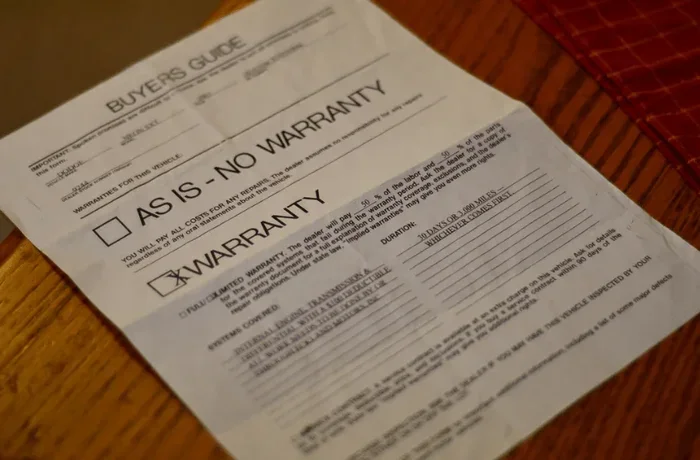
Lease agreements are long and full of legal language. It is tempting to skim through and sign, but that is a mistake. Read every section carefully. Pay special attention to the mileage limit, the wear-and-tear policy, and the early termination clause. If something is unclear, ask the dealer to explain it before you sign.
Forgetting About the End of the Lease
Many people focus entirely on the negotiation and forget to think about what happens when the lease ends. Will you want to buy the car? Return it? Lease a new one? Planning ahead helps you make better decisions during the negotiation and avoids surprises at the end of your lease term.
When Negotiation Won’t Work
While negotiating a car lease is possible in most cases, there are situations where your leverage is limited. Understanding these scenarios helps you set realistic expectations and avoid frustration.
High-Demand Vehicles
If you are leasing a vehicle that is in very high demand and low supply, the dealer has less incentive to negotiate. Popular models with long waitlists often come with fixed terms. In these cases, your best move is to be patient. Wait for availability to increase, or consider a similar vehicle that has more competitive pricing.
Factory-Ordered Vehicles
Some dealers are less willing to negotiate on factory-ordered cars because the deal is already structured by the manufacturer. However, this is not always the case. You can still try to negotiate the lease terms, and you may be surprised by what is possible. For more details on this topic, check out our guide on whether you can negotiate on a factory order car.
Lease Takeovers and Transfers
If you are taking over an existing lease rather than starting a new one, the negotiation room is much smaller. The original lease terms are largely set, and the lessor may have strict rules about transfers. In these situations, your negotiation focus should shift to any buyout options or remaining lease payments.
Expert Tips to Get the Best Car Lease Deal
Here are some insider tips that experienced lease negotiators use to get the best deals. These strategies can make a real difference in the final numbers you walk away with.
- Negotiate at the end of the month. Salespeople are under pressure to hit monthly quotas. Visiting a dealership near the end of the month can give you an edge because the salesperson may be more willing to make concessions.
- Visit at the end of the year. Dealers are also motivated to clear out old inventory at the end of the model year. This is a great time to find competitive lease offers.
- Use manufacturer incentives. Many automakers offer lease-specific incentives, such as low money factors or reduced down payments. Ask the dealer about current promotions and make sure they are applied to your lease.
- Keep your trade-in separate. If you have a vehicle to trade in, negotiate the lease terms first and then handle the trade-in separately. Mixing the two negotiations can make it harder to see the true value of each deal.
- Get everything in writing. Verbal promises mean nothing in a lease negotiation. Make sure every agreed-upon term is written into the contract before you sign.
- Be willing to walk away. This is the most powerful negotiation tool you have. If the dealer will not meet your terms, be ready to leave. Often, they will call you back with a better offer.
Final Thoughts on Negotiating a Car Lease
The ability to negotiate a car lease is one of the most overlooked money-saving opportunities in the automotive world. Most people assume lease terms are fixed, but the truth is that there is almost always room to negotiate. The key is preparation. When you understand the terms, do your research, and approach the negotiation with confidence, you can save a significant amount of money.
Remember, the dealer wants your business. They are trained to work with you and find a deal that works for both sides. Your job is to make sure that deal is fair and competitive. Do not be afraid to ask questions, push back on numbers, and walk away if the terms are not right.
Whether you are leasing your first car or your fifth, the negotiation process is the same. Know your numbers, do your homework, and never accept the first offer. With the tips and strategies in this guide, you are well-equipped to get the best possible lease deal. So the next time you sit down with a dealer, remember that you are in control. Can you negotiate a car lease? Absolutely, and now you know exactly how to do it.
Frequently Asked Questions
Can You Negotiate the Monthly Payment on a Car Lease?
Yes, you can negotiate the monthly payment on a car lease. The monthly payment is based on the capitalized cost, the money factor, and the residual value. By negotiating a lower cap cost or a better money factor, you can reduce your monthly payment significantly. Always focus on the total cost rather than just the monthly number.
Is It Harder to Negotiate a Lease Than a Car Purchase?
Not necessarily. Negotiating a lease is different from negotiating a purchase, but it is not harder. The main difference is that lease negotiations focus on monthly payments, cap cost, and money factor instead of the total purchase price. Once you understand these terms, the process becomes straightforward and manageable.
What Is the Best Time to Negotiate a Car Lease?
The best time to negotiate is at the end of the month or the end of the model year. Salespeople are under quota pressure at the end of the month, and dealers want to clear out old inventory at the end of the year. Visiting during these windows gives you more leverage and better chances of getting a favorable deal.
Can You Negotiate the Residual Value on a Lease?
The residual value is usually set by the leasing company, not the dealer, so it is harder to negotiate directly. However, you can compare lease offers from different leasing companies to find one with a higher residual value. A higher residual value leads to a lower monthly payment, so it is worth shopping around for the best option.
Should You Negotiate a Lease Online or In Person?
Both approaches have advantages. Negotiating online allows you to compare multiple dealers quickly and without pressure. Negotiating in person gives you the chance to build a relationship with the salesperson and read their body language. The best approach is often a combination of both. Get online quotes first, then visit the dealership to finalize the deal.
What Happens If You Cannot Agree on Lease Terms?
If you cannot agree on lease terms, the best option is to walk away. There are always other dealers and other vehicles available. Walking away shows the dealer you are serious about your terms, and they may call you back with a better offer. Never feel pressured to accept a lease that does not meet your needs or budget.
=== CONCLUSION ===
Can you negotiate a car lease? Yes, and now you have everything you need to do it successfully. From understanding capitalized cost and money factor to avoiding common mistakes, you are fully prepared to enter any negotiation with confidence. The key is to do your research, focus on the total cost, and never be afraid to walk away. Apply these tips on your next lease, and you will see the difference in your monthly payments and overall savings. Happy leasing!