California Window Tint Law Explained for Beginners
California window tint law sets clear rules for how dark your car windows can be tinted. The law uses visible light transmission percentages to define legal tint levels for each window. Understanding these rules helps you avoid fines and keep your vehicle compliant with state regulations.
The California Window Tint Law can feel confusing if you are new to car window tinting. This guide breaks down everything you need to know in simple, easy-to-understand terms. You will learn about legal tint levels, which windows can be tinted, and what happens if you break the rules. Whether you are planning a new tint job or just want to understand the rules, this article has you covered. Let us dive into the California window tint law and make sure your car stays compliant.
Window tinting is one of the most popular car upgrades people make. It reduces glare, blocks heat, and adds privacy to your vehicle. But in California, the tint darkness law is strict, and not every tint option is legal. The state uses a measurement called visible light transmission, or VLT, to determine how dark your tint can be. Understanding this system is the first step to staying on the right side of the law.
Before you visit any auto tint shop, it helps to know what the regulations say. This guide covers every window on your car, from the front windshield to the rear back glass. We also discuss medical exemptions, different tint film types, and common mistakes that lead to costly fines. By the end, you will feel confident about your tint choices and how they fit within California regulations.
So, what exactly does the law allow? And how can you make sure your tint is legal? Read on to find out everything you need to know about California window tint law for beginners.
Window tinting regulations exist for safety reasons. Tinted windows can reduce a driver’s visibility, especially at night or in poor weather. California law balances the benefits of tinting with the need for clear visibility. The California vehicle code sets specific rules that every car owner must follow. These rules apply to passenger cars, SUVs, and vans alike. The goal is to keep roads safe while still allowing people to enjoy the benefits of tinted windows.
Key Takeaways
- Front windshield tint: Only a non-reflective strip at the top is allowed by law.
- Front side windows: Must allow more than 70% of visible light to pass through.
- Rear side and back windows: Can be tinted to any darkness level on passenger vehicles.
- Medical exemptions: Available for drivers who need darker tint for health-related reasons.
- Tint tickets: Violating the law can result in fines and failed vehicle inspections.
- Quality tint film: Ceramic and high-quality films help you stay within legal limits while reducing heat.
📑 Table of Contents
Understanding California Window Tint Law Basics
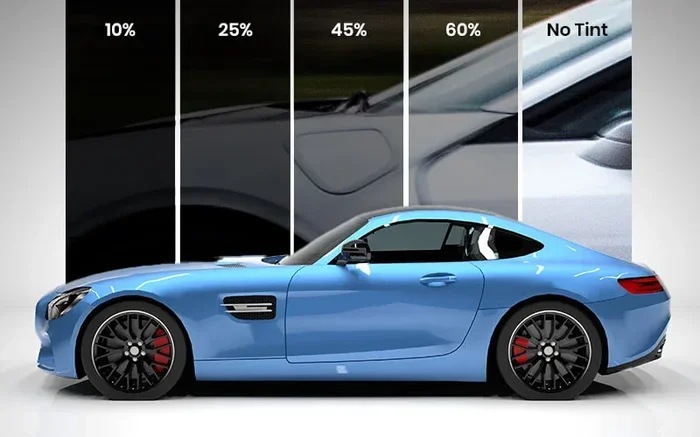
The foundation of California window tint law rests on a simple concept: visible light transmission. This is the percentage of light that passes through your window film and glass. The higher the VLT percentage, the lighter the tint. The lower the VLT percentage, the darker the tint. California law sets minimum VLT levels for different windows on your vehicle.
It is important to understand that tint darkness is measured differently for each window. The front windshield has its own rules, and the side and rear windows follow a separate set of guidelines. This means you cannot apply the same tint level to every window on your car. Each window has a specific legal limit you must follow.
What Is Visible Light Transmission?
Visible light transmission, or VLT, is the key metric used in the tint darkness law. It measures how much light passes through your window film. For example, a film with 70% VLT allows 70% of light through and blocks 30%. A film with 50% VLT allows half the light through and blocks the other half. California law requires front side windows to have a VLT of more than 70%. This means the tint must be fairly light on those windows.
Rear windows do not have a specific VLT limit for passenger vehicles. This gives you more freedom to choose a darker tint for the back seats and cargo area. However, if your vehicle has mirrors on both sides, the rules may differ slightly. Always check the specific requirements for your vehicle type before choosing a film.
Why Does the Law Exist?
The California vehicle code exists primarily for safety reasons. Dark tints can make it harder for drivers to see pedestrians, other cars, and road signs. Law enforcement officers also need to see inside vehicles during traffic stops. The law aims to balance personal comfort with public safety. It also helps prevent tint from being used to hide illegal activity inside a vehicle.
Another reason for the law is accident prevention. In a collision, shattered glass can cause serious injuries. Tint film can hold glass pieces together, which is actually a safety benefit. But if the tint is too dark, it can impair a driver’s ability to react quickly. The legal limits try to find a middle ground between protection and visibility.
Legal Tint Limits by Window
Now let us look at the specific rules for each window on your car. The California window tint law treats different windows differently. Knowing these limits will help you make the right choice when getting your car tinted.
| Window | Legal Tint Rule | VLT Requirement |
|---|---|---|
| Front Windshield | Non-reflective strip only at the top | No specific VLT for the strip |
| Front Side Windows | Must be light tint or no tint | More than 70% VLT |
| Rear Side Windows | Any darkness allowed | No minimum VLT |
| Back Window | Any darkness allowed | No minimum VLT |
Front Windshield Rules
The front windshield has the strictest rules under the California window tint law. You are only allowed to tint the top four inches of the windshield with a non-reflective film. This strip must not be reflective or mirror-like. The rest of the windshield must remain completely clear. This rule ensures the driver has a full, unobstructed view of the road ahead.
Some people try to tint more of the windshield to reduce glare from the sun. While this might feel more comfortable, it is illegal in California. If you are caught with a tinted windshield beyond the top four inches, you could receive a tint ticket. The fine can be costly, and you may be required to remove the tint immediately.
Front Side Window Requirements
For the driver and passenger side windows, the tint darkness law requires a VLT of more than 70%. This means the tint must be very light or almost clear. Most factory-tinted windows already meet this requirement. If you want to add aftermarket tint to your front side windows, you must choose a very light film.
This rule exists because front side windows are closest to the driver. Law enforcement needs to see the driver’s face and hands during traffic stops. A dark tint on these windows can raise suspicion and create safety concerns. Stick to a light tint or skip tinting these windows altogether to stay compliant.
Rear Side and Back Window Rules
Here is where you have the most freedom. The California vehicle code does not set a minimum VLT for rear side windows or the back window on passenger vehicles. You can tint these windows as dark as you want. This is great news if you want maximum privacy and heat rejection for the back seat passengers.
However, there is one important exception. If your vehicle does not have outside mirrors on both sides, the rear window tint cannot be too dark. You must ensure enough visibility through the rear window for safe driving. Most modern vehicles have mirrors on both sides, so this exception rarely applies. Always double-check your specific vehicle configuration.
Medical Exemptions and Special Cases
Not everyone can tolerate regular levels of sunlight. Some people have medical conditions that make them very sensitive to UV light and heat. The California window tint law recognizes this and offers a medical exemption program. This allows qualifying individuals to use darker tint than the standard legal limits.
Who Qualifies for a Medical Exemption?
People with certain skin conditions, autoimmune disorders, or photosensitivity disorders may qualify for a medical exemption tint. Conditions like lupus, eczema, and severe sun allergies can make standard window tinting unsafe for affected individuals. If you have a condition that makes you extremely sensitive to sunlight, you may be eligible.
To qualify, you need a letter from a licensed physician. The letter must explain your condition and why darker tint is medically necessary. It should include your diagnosis and recommend specific VLT levels that are safe for you. This letter is the foundation of your exemption application.
How to Apply for an Exemption
The application process for a medical exemption is handled through the California DMV. You will need to submit your physician’s letter along with a completed exemption application form. The DMV reviews each case individually and decides whether to grant the exemption.
If approved, you will receive a special certificate that must be kept in your vehicle at all times. This certificate proves your tint is legal even if it exceeds standard limits. Without this certificate, darker tint on your front side windows would still be considered illegal window tint. Always carry the exemption document when driving.
It is also important to note that the exemption applies only to the specific windows listed on the certificate. You cannot use the exemption to tint every window on your car beyond legal limits. The exemption is granted for medical necessity, not for personal preference.
Types of Tint Films Available
Not all tint films are created equal. When choosing a film for your car, you have several options. Each type has different properties, benefits, and price points. Understanding these differences helps you pick the right tint film for your needs while staying within legal limits.
Dyed Film
Dyed film is the most basic and affordable type of aftermarket tint. It uses layers of dye to absorb heat and reduce light transmission. Dyed film is available in various shades and is relatively easy to install. However, it tends to fade over time and may bubble with prolonged sun exposure.
For California window tint law compliance, dyed film works well for front side windows because you can choose a very light shade. It is also a budget-friendly option for rear windows where you can go darker. Just make sure the VLT meets the legal requirements for each window.
Metalized Film
Metalized tint film contains tiny metallic particles that reflect heat and UV rays. This type of film is more durable than dyed film and does not fade as quickly. It also adds structural strength to the glass, which can help hold shattered pieces together in an accident.
However, metalized film can interfere with electronic signals. If you use GPS, keyless entry, or cell phone signals frequently, metalized tint may cause interference. The reflection tint properties of metalized film can also make your car look more mirrored from the outside, which some people prefer and others do not.
Ceramic Film
Ceramic film is the premium option in the tint film market. It uses nano-ceramic particles to block heat without interfering with electronic signals. Ceramic film offers excellent UV protection and does not fade or change color over time. It is the most expensive option but also the longest-lasting.
For those concerned about tint compliance, ceramic film is an excellent choice. You can find ceramic films in light VLT levels that meet front window requirements. The heat rejection is superior, meaning your car stays cooler even with a legal, lighter tint on the front windows.
| Film Type | Heat Rejection | Durability | Signal Interference | Price Range |
|---|---|---|---|---|
| Dyed Film | Moderate | Low to Medium | None | $50 – $150 |
| Metalized Film | High | Medium to High | Moderate | $100 – $300 |
| Ceramic Film | Very High | Very High | None | $200 – $600 |
Common Mistakes and Penalties
Many car owners run into trouble with California window tint law because of simple mistakes. Understanding these common errors can save you time, money, and frustration. Let us look at the most frequent problems people face with their window tint.
What Happens If You Get a Tint Ticket?
If a law enforcement officer determines your tint is too dark, you will receive a citation. A tint ticket is a non-moving violation in California. The fine typically ranges from $100 to $250, depending on the county and the severity of the violation.
In most cases, you will be given a “fix it” ticket. This means you have a set period to remove the illegal tint and get your vehicle inspected. Once the tint is removed or replaced with a legal film, you bring your car in for inspection and the ticket is dismissed. If you fail to fix the issue, the fine can increase and additional penalties may apply.
Cost of Illegal Window Tint
The total cost of an illegal tint goes beyond just the fine. You will also need to pay for removal and replacement with a legal film. This can easily cost several hundred dollars on top of the ticket. Add in the time spent dealing with the violation, and the cost adds up quickly.
Some people try to save money by using cheap, dark tint that does not meet legal standards. This is a false economy. The cost of fixing an illegal tint almost always exceeds the cost of doing it right the first time. Always work with a licensed auto tint shop that understands California DMV tint rules.
How to Stay Compliant and Avoid Tickets
Staying compliant with California window tint law is easier than you might think. With the right knowledge and a trusted installer, you can enjoy tinted windows without worrying about fines or legal issues. Here is how to make sure your tint job is fully legal.
Choosing the Right Auto Tint Shop
The first step to compliance is choosing the right auto tint shop. Not all tint shops are familiar with California regulations. Look for shops that specifically advertise knowledge of state tint laws. Ask them about VLT ratings and whether they guarantee their installations will pass inspection.
A reputable shop will provide written documentation of the VLT percentage for every window they tint. Keep this paperwork in your vehicle at all times. If you ever get pulled over, having proof that your tint is legal can save you from unnecessary hassle and fines.
Tips for Tint Compliance
Here are some practical tips to keep your tint within legal limits:
- Choose a light tint for front side windows. A 70% VLT film is the safest choice and still provides good glare reduction.
- Ask for a certificate of compliance. This document proves your tint meets state regulations.
- Keep receipts and paperwork. Store all tint-related documents in your glove box.
- Get your tint measured after installation. This confirms the VLT is within legal limits.
- Stay updated on law changes. Tint regulations can be updated, so check periodically for new rules.
- Consider ceramic film for better heat rejection. It allows you to use lighter tints that still keep your car cool.
The California window tint law is designed to protect drivers and maintain road safety. By following these guidelines, you can enjoy the benefits of tinted windows without breaking the law. Whether you choose a light tint for comfort or a darker tint for privacy on your rear windows, staying informed is the key to compliance.
Remember that the rules differ depending on which window you are tinting. The front windshield and front side windows have strict limits, while rear windows offer more flexibility. Medical exemptions provide an option for those with legitimate health needs. And choosing the right tint film from a trusted auto tint shop makes all the difference.
Take the time to understand the visible light transmission requirements for your vehicle. Check your current tint with a VLT meter if you already have tint installed. And if you are planning a new tint job, work with a professional who knows the California vehicle code inside and out.
Staying compliant with tint darkness law is not just about avoiding fines. It is about making sure your tint enhances your driving experience safely. With the right film, the right installer, and the right knowledge, you can enjoy a cooler, more comfortable, and fully legal ride in your California vehicle. Apply what you have learned here, and drive with confidence knowing your tint compliance is solid.
Window tinting is a great investment for any car owner. It protects your interior from UV damage, keeps your cabin cooler, and adds a sleek look to your vehicle. Just make sure your choices align with the law. Now that you understand the California window tint law thoroughly, you are ready to make informed decisions about your car’s tint. Enjoy the ride and stay compliant!
Frequently Asked Questions
What is the legal tint percentage for front side windows in California?
Front side windows must have a visible light transmission of more than 70% VLT. This means the tint must be fairly light or almost clear. Any tint darker than 70% VLT on the front side windows is considered illegal and can result in a tint ticket.
Can I tint my front windshield in California?
Yes, but only the top four inches of the front windshield can be tinted with a non-reflective film. The rest of the windshield must remain completely clear. This rule ensures the driver has an unobstructed view of the road ahead at all times.
How do I get a medical exemption for darker tint in California?
You need a letter from a licensed physician explaining your medical condition and why darker tint is necessary. Submit this letter along with an exemption application to the California DMV. If approved, you will receive a certificate that must be kept in your vehicle at all times.
What is the fine for illegal window tint in California?
Fines typically range from $100 to $250 for a first-time violation. Most violations result in a fix-it ticket, meaning you must remove or replace the illegal tint within a set timeframe. Failure to comply can lead to increased fines and additional penalties.
Can rear windows be tinted as dark as I want in California?
For passenger vehicles, rear side windows and the back window can be tinted to any darkness level. There is no specific VLT minimum for these windows. However, if your vehicle lacks outside mirrors on both sides, the rear tint must still allow sufficient visibility for safe driving.
Does ceramic tint film meet California’s legal requirements?
Yes, ceramic tint film can meet legal requirements as long as the VLT percentage is within the allowed range. For front side windows, the film must allow more than 70% of visible light through. Ceramic film is an excellent choice because it provides superior heat rejection even at lighter VLT levels.
=== CONCLUSION ===
The California Window Tint Law may seem complex at first, but it becomes simple once you understand the basics. The law uses visible light transmission percentages to define legal tint levels for each window on your vehicle. Front side windows must allow more than 70% of light through, while rear windows can be tinted to any darkness. The front windshield can only have a small non-reflective strip at the top.
Medical exemptions offer a path for those who need darker tint for health reasons. And choosing the right tint film from a trusted professional helps ensure your installation meets all legal requirements. Avoiding common mistakes like applying dark tint to front windows or skipping the exemption paperwork keeps you safe from fines and failed inspections.
Remember that compliance is about more than just avoiding tickets. It is about driving safely and making choices that work for your lifestyle. With the knowledge you have gained from this guide, you are well-equipped to make smart decisions about your vehicle’s tint. Stay informed, stay compliant, and enjoy the comfort and style that proper window tinting brings to your car.