Do All Cars Come With Navigation Systems Built Into Them
Not all cars come with navigation systems built into them. While many modern vehicles offer factory-installed GPS and infotainment systems, a large number of cars still ship without any built-in navigation. Whether you drive a budget hatchback or a premium SUV, the presence of a car navigation system depends on the trim level, price range, and brand. This guide breaks down everything you need to know about built-in car GPS, factory vs. aftermarket options, and how to get the best driving directions no matter what you drive.
Do all cars come with navigation? The short answer is no. Many people assume that every new vehicle rolls off the assembly line with a full-blown GPS navigation system already installed. The reality is quite different. A lot of cars, especially those in the budget segment, leave the factory without any built-in navigation at all. If you have been shopping for a car and wondering about built-in car GPS, this guide is for you.
Navigation systems have become one of the most expected features in modern vehicles. Whether you are planning a long road trip or just trying to find a new restaurant across town, having map navigation at your fingertips makes life so much easier. But the truth is, the auto industry is still split on whether to make navigation standard or optional. Let us dive deep into this topic and clear up all the confusion.
The world of car navigation systems is bigger than most people realize. There are factory-installed units, aftermarket devices, smartphone apps, and even built-in screens that do not offer navigation at all. Understanding the differences can save you money, prevent buyer’s remorse, and help you choose the right car for your needs. So let us break it all down, piece by piece.
Key Takeaways
- Factory navigation is not standard: Many cars, especially budget models, do not include a built-in navigation system.
- Trim levels matter: Higher trims and premium brands are more likely to offer GPS navigation as standard or optional.
- Aftermarket solutions work well: Smartphone mounts, portable GPS devices, and car stereos with navigation are affordable alternatives.
- Infotainment systems vary: Even cars with touch screens may lack full map navigation capabilities.
- Voice-guided navigation is a game changer: Modern systems offer hands-free turn-by-turn directions for safer driving.
- Car navigation technology keeps evolving: Over-the-air updates and real-time traffic data are becoming more common.
📑 Table of Contents
- What Does It Mean When a Car Has Built-In Navigation?
- Do All New Cars Have Navigation Systems?
- Budget Cars and Navigation: What to Expect
- Premium Cars and Navigation: What You Get
- Aftermarket Navigation Options: Adding GPS to Any Car
- Common Mistakes People Make About Car Navigation
- Expert Insights on Car Navigation Trends
- Conclusion
What Does It Mean When a Car Has Built-In Navigation?
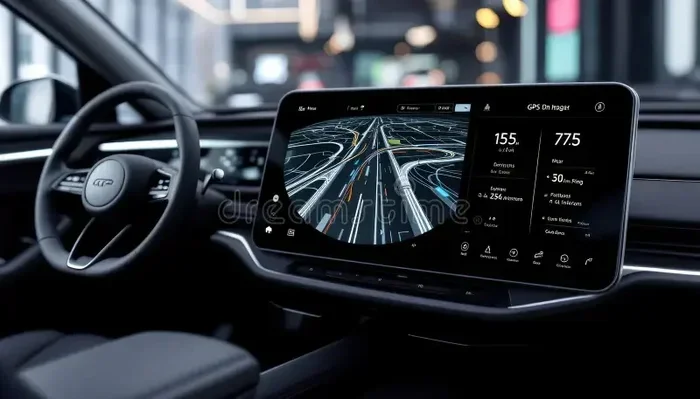
When we say a car has navigation systems built into them, we mean the vehicle comes with a dedicated GPS unit integrated into the dashboard or infotainment system. This is not the same as having a simple radio or a basic screen that plays videos. A true built-in navigation system includes a touch screen display, preloaded maps, a GPS receiver, and often voice-guided directions.
These systems connect to satellites to determine your exact location. They then calculate the best route to your destination and guide you step by step. Most modern factory navigation units also offer real-time traffic updates, points of interest search, and even restaurant or gas station recommendations along your route.
How Factory Navigation Systems Work
Factory-installed navigation units are built into the car’s main computer system. They are designed by the automaker and installed during the manufacturing process. These systems typically include a large dashboard display that doubles as the interface for the radio, climate controls, and car entertainment system. The GPS antenna is usually hidden somewhere in the roof or on the dashboard.
One major advantage of factory navigation is that it is seamlessly integrated into the car’s design. The interface feels natural, the screen is bright and responsive, and the system is built to last the life of the vehicle. Many premium brands like BMW, Mercedes-Benz, and Audi offer highly advanced infotainment systems that go far beyond basic map navigation.
However, factory systems also come with downsides. They can be expensive to repair if something goes wrong. Map updates may cost extra money or require a trip to the dealership. And in some cases, the technology becomes outdated faster than your phone’s navigation apps.
Do All New Cars Have Navigation Systems?
The short answer is no. Not all new cars come with navigation. In fact, a significant number of vehicles sold every year do not include a built-in GPS system. Whether a car has navigation depends on several key factors that we will explore below.
The Role of Trim Levels
Automakers use trim levels to differentiate between base models and higher-end versions of the same car. The base trim is usually the most affordable option, and it often comes stripped of fancy features. A base model 4 cylinder hatchback car in India, for example, might include a basic radio and a small display but no navigation at all.
As you move up the trim ladder, more features get added. A mid-level trim might include a touch screen with Apple CarPlay or Android Auto, which allows you to mirror your phone’s navigation app on the car’s display. The top trim levels often come with full factory navigation as standard. This is why two cars from the same model line can have very different tech setups.
The same pattern applies across different price ranges. If you are looking at 7 seater cars under 25 lakhs, you will find that navigation is often an optional extra or limited to higher trims. On the other hand, if you are shopping for 5 seater cars in India under 5 lakhs, the chances of getting a built-in navigation system are even lower.
Brand Differences in Navigation Availability
Different car brands take different approaches to navigation. Some brands, especially luxury manufacturers, make GPS navigation standard across their entire lineup. Others, particularly budget-focused brands, reserve navigation for select trims or charge a hefty premium for it.
Japanese brands like Toyota and Honda often include navigation in their mid-range and upper trims but keep it absent from the base models. European brands tend to offer more advanced navigation systems but at higher price points. Korean brands like Hyundai and Kia have been stepping up their game, offering excellent infotainment systems with navigation even in affordable models.
American brands like Ford and Chevrolet have been transitioning to large touch screen systems that support both factory navigation and smartphone integration. This means even if the base screen does not have maps, you can still get driving directions through your phone.
Budget Cars and Navigation: What to Expect
If you are shopping for an affordable car, you need to manage your expectations about navigation. Budget vehicles are designed to keep costs low, and navigation systems add to the manufacturing expense. As a result, most budget cars do not include built-in GPS.
Let us look at some common scenarios. A 2 lakh cars second hand market is flooded with vehicles that predate the era of widespread built-in navigation. Even in the new car segment, a 2000cc car in India from a budget brand may not come with navigation unless you pay for a higher trim.
This does not mean you are out of luck. There are many ways to add navigation to any car, which we will cover in a later section. But it is important to go into a car purchase knowing what to expect so you are not disappointed on delivery day.
What Budget Cars Usually Include Instead
Most budget cars come with a basic AM/FM radio, Bluetooth connectivity, and sometimes a small touchscreen. Some may support smartphone projection through Apple CarPlay or Android Auto. This means you can use your phone’s navigation app on the car’s screen, even if the car itself does not have a dedicated navigation system.
While this is not the same as having a fully integrated car navigation system, it works surprisingly well for most drivers. The apps on your phone are constantly updated, they offer real-time traffic data, and they are free to use. Many people find that smartphone-based navigation is actually better than factory systems, especially since phone apps receive updates far more frequently.
Premium Cars and Navigation: What You Get
At the other end of the spectrum, premium and luxury vehicles almost always come with advanced navigation systems. If you are looking at 7 seater SUV used cars in the premium segment, you can expect sophisticated GPS tracking and detailed mapping built right into the dashboard.
Features of Premium Navigation Systems
High-end factory navigation systems offer a range of features that budget systems simply cannot match. Here are some of the things you can expect:
- High-resolution displays: Large, bright screens that are easy to read in direct sunlight.
- 3D map views: Detailed graphics that show buildings, landmarks, and road elevations.
- Voice-guided navigation: Clear spoken directions that keep your eyes on the road.
- Real-time traffic data: Live updates on congestion, accidents, and road closures.
- Points of interest database: Built-in search for restaurants, hotels, gas stations, and more.
- Over-the-air updates: Map and software updates that download automatically without a dealership visit.
- Integration with car settings: Navigation that adjusts climate, seat position, and mirror angles based on your destination.
These features make a huge difference, especially during long road trips or when driving in unfamiliar cities. If you have ever driven in a place with confusing one-way streets or complex highway interchanges, you know how valuable a good navigation system can be.
Are Premium Navigation Systems Worth the Cost?
This depends on how much you value convenience and how often you travel. If you drive the same route every day and rarely venture into unfamiliar areas, a premium navigation system might feel like an unnecessary expense. But if you frequently take road trips, commute in a large city, or simply prefer not to rely on your phone, the investment can be well worth it.
Keep in mind that some luxury brands include navigation as part of a larger technology package. You might need to upgrade to a higher trim or add a tech bundle to get the full navigation features. Always check the spec sheet carefully before buying.
Aftermarket Navigation Options: Adding GPS to Any Car
One of the best things about the modern car market is that you are not stuck with whatever navigation came from the factory. If your car does not have a built-in system, you have several excellent aftermarket options. These solutions work with almost any vehicle, regardless of age or price.
Smartphone Mounts and Car Apps
The simplest and most affordable way to add navigation to any car is by using your smartphone with a dashboard mount. You can use Google Maps, Apple Maps, Waze, or any other navigation app you prefer. The app displays on your phone screen, and you can hear voice-guided directions through the car’s speakers or a Bluetooth connection.
This approach has several advantages. The apps are free, they get constant updates, and they offer features like real-time traffic rerouting and speed camera alerts. The downside is that a phone screen is smaller than a dedicated car display, and you need a good mount to keep it secure while driving.
Portable GPS Devices
Before smartphones took over, portable GPS devices like Garmin and TomTom were the go-to navigation solution. These standalone units mount on your windshield and provide full map navigation without needing a phone connection. They still work well today, especially for people who prefer a dedicated device or who travel to areas with poor cellular coverage.
Portable GPS units come preloaded with maps and often include features like lane guidance, speed limit warnings, and fuel station locators. They are a great option if you want reliable navigation without relying on your phone’s data connection.
Aftermarket Car Stereos with Navigation
If you want a more permanent solution, consider replacing your car’s factory radio with an aftermarket head unit that includes navigation. These units feature large touch screens, built-in GPS receivers, and support for apps like Google Maps and Waze. Popular brands include Pioneer, Sony, and Kenwood.
Many of these units also support Apple CarPlay and Android Auto, giving you the best of both worlds: a dedicated car display and access to your phone’s navigation apps. Installation is straightforward, and the result looks and feels like a factory-installed system.
Common Mistakes People Make About Car Navigation
There are several mistakes that car buyers and owners make when it comes to navigation. Avoiding these pitfalls can save you time, money, and frustration.
Assuming All New Cars Have GPS
This is the biggest mistake. Many people walk into a dealership assuming every new car has navigation. They are surprised to learn that the base model they are looking at does not include a GPS system. Always check the feature list and ask the salesperson to confirm whether navigation is included.
Ignoring Map Update Costs
Factory navigation systems need regular map updates to remain accurate. Many people forget about this and end up with outdated maps that send them down wrong streets or missing new roads. Before buying a car with factory navigation, ask about the cost and frequency of map updates.
Relying Only on the Built-In System
Even the best factory navigation system can have blind spots. Maps may be outdated, traffic data may be limited, and the interface may be confusing. Smart drivers use a combination of their built-in system and a smartphone app to ensure they always have the best driving directions available.
Overpaying for Navigation When a Phone App Works Fine
If you already use a navigation app on your phone, paying extra for factory navigation may not be worth it. A good phone mount and a reliable app can provide the same functionality at a fraction of the cost. Save your money for features that truly add value to your driving experience.
Expert Insights on Car Navigation Trends
The world of car technology is evolving rapidly. Navigation systems are becoming smarter, more integrated, and more intuitive. Here are some trends that are shaping the future of in-car navigation.
Over-the-air updates are becoming standard in newer vehicles. This means your navigation maps and software update automatically, just like your phone. You no longer need to visit a dealership or insert a USB drive to get the latest maps.
Augmented reality navigation is another exciting development. Some newer cars now overlay navigation instructions directly onto the camera feed shown on the dashboard display. This makes it incredibly easy to see exactly where you need to turn, even in complex intersections.
Integration with smart home devices is also on the rise. Some navigation systems can communicate with your home automation setup, adjusting lights and temperature as you approach home. These features may seem futuristic, but they are becoming more accessible with each new car model.
For those considering vehicles like a 1500cc to 2000cc car in India or exploring options in the mid-range segment, it is worth noting that more manufacturers are now offering navigation as a standard feature even in non-luxury models. The trend is moving toward making GPS navigation accessible to a wider range of buyers.
Conclusion
So, do all cars come with navigation systems built into them? The answer is clearly no. Navigation is still a feature that varies widely across car brands, models, and price ranges. Budget cars often skip navigation entirely, while premium vehicles make it standard. The good news is that there are plenty of ways to add navigation to any car, whether through smartphone apps, portable GPS devices, or aftermarket head units.
When shopping for a car, always check whether navigation is included in the trim you are considering. If it is not, decide whether you need it enough to pay for a higher trim or an aftermarket solution. The right car navigation system can make every drive easier, safer, and more enjoyable. Take the time to find the option that works best for your lifestyle and budget, and you will never get lost again.
Frequently Asked Questions
Do all new cars come with built-in navigation?
No, not all new cars come with built-in navigation. Many budget and base trim models do not include a factory navigation system. Always check the car’s feature list before purchasing to confirm whether GPS navigation is included or available as an option.
Can I add navigation to a car that does not have it?
Yes, you can easily add navigation to any car. Popular options include smartphone mounts with navigation apps, portable GPS devices, and aftermarket car stereos with built-in GPS. These solutions work with almost any vehicle and are much more affordable than factory upgrades.
Is phone-based navigation as good as factory navigation?
For most drivers, phone-based navigation is just as good, if not better, than factory systems. Phone apps like Google Maps and Waze offer real-time traffic updates, constant map updates, and free turn-by-turn directions. The main limitation is screen size, which can be solved with a good dashboard mount.
How much does it cost to install a navigation system in a car?
The cost varies widely depending on the solution. A simple phone mount costs under ₹1,000. Portable GPS devices range from ₹3,000 to ₹15,000. Aftermarket head units with navigation can cost between ₹10,000 and ₹30,000, depending on features and brand. Factory navigation upgrades at a dealership are usually the most expensive option.
Do factory navigation systems need regular updates?
Yes, factory navigation systems need regular map updates to stay accurate. Some brands include free updates for a limited period, while others charge a fee. Over-the-air updates are becoming more common in newer vehicles, making the process much more convenient.
Are navigation systems in used cars still reliable?
Navigation systems in used cars can still work well, but the maps may be outdated. It is a good idea to check the system’s map version and update options before buying a used car. In many cases, using a smartphone app is a more reliable and up-to-date alternative.