80 Percent Window Tint The Complete Guide for Beginners
80 percent window tint is a light, beginner-friendly tint that blocks about 20% of light while offering real benefits like UV protection, heat reduction, and glare control. It stays within most legal limits and is one of the easiest tints to install. This guide covers everything you need to know, from benefits and legality to installation and maintenance.
Key Takeaways
- 80 percent window tint is one of the lightest tint options available, making it ideal for beginners.
- It provides meaningful UV protection, heat rejection, and glare reduction without darkening your windows too much.
- Most states allow 80% tint on all windows, but always check your local tint laws before installing.
- You can install it yourself with a kit or hire a professional for a cleaner finish.
- Proper maintenance keeps your tint looking great and prevents bubbling or peeling.
- 80% tint offers a subtle upgrade that improves comfort and protects your car’s interior.
📑 Table of Contents
What Is 80 Percent Window Tint?
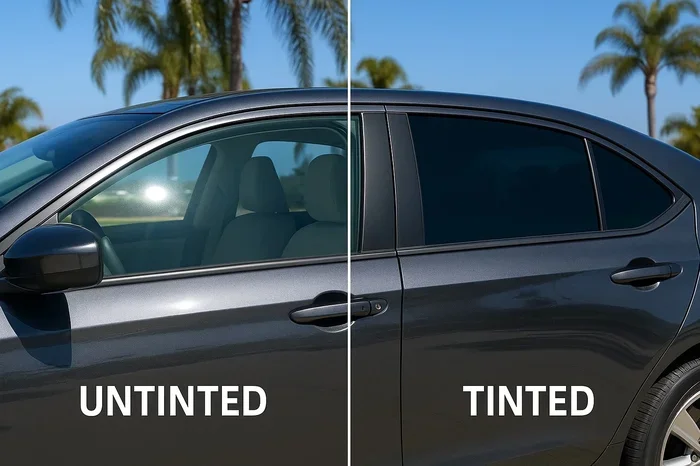
If you have ever walked past a car and noticed a subtle shade on its windows, you have seen auto tinting in action. 80 percent window tint is a type of window film that allows 80% of visible light to pass through your car windows. That means it blocks roughly 20% of the light coming in. It is one of the lightest tint options you can get, and it is perfect for people who want a gentle upgrade without going too dark.
The tint percentage refers to something called visible light transmission, or VLT for short. VLT measures how much light gets through your glass. A higher number means more light passes through. A lower number means the window is darker. So 80% tint is very light and barely noticeable, which makes it a great starting point for anyone new to car window tinting.
How Tint Percentage Works
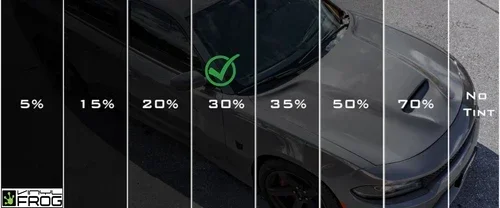
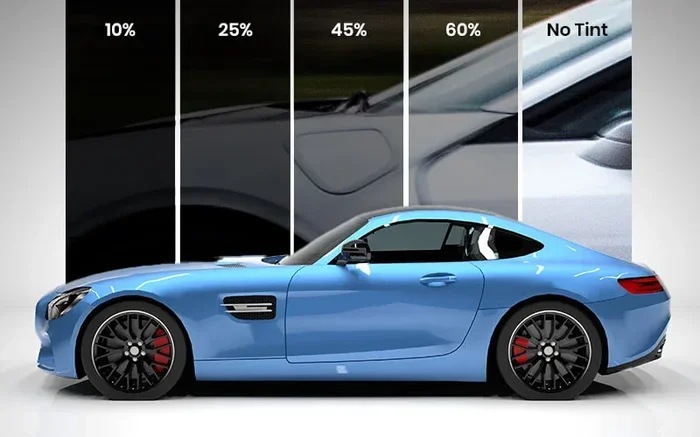
Every tint film has a VLT rating printed on it. This tells you exactly how much light it will let through. Here is a quick way to think about it. A 100% tint would be completely clear glass with no film at all. A 50% tint blocks half the light. A 20% tint is quite dark and is often what people picture when they think of tinted windows. 80 percent window tint sits very close to clear glass, so it barely changes the look of your car.
The film itself is usually made from layers of dyed polyester, metalized particles, or ceramic materials. Each material offers different levels of heat rejection and clarity. Even though 80% tint is light, it still does a surprising amount of work when it comes to protecting you and your vehicle.
What Makes 80 Percent Tint Different
What sets 80 percent window tint apart from darker options? The main difference is how subtle it is. You get the benefits of a quality tint film without dramatically changing the appearance of your car. It is a great choice for people who want a clean, factory-fresh look while still gaining protection.
Darker tints like 35% or 20% offer more privacy and heat rejection, but they also come with stricter legal limits and a more noticeable change in appearance. 80 percent tint gives you a middle ground. It is enough to notice the difference, but not so much that it raises eyebrows from law enforcement or neighbors.
Benefits of 80 Percent Window Tint
You might wonder whether a light tint is even worth it. The answer is yes. 80 percent window tint delivers real, practical benefits that make a difference every time you drive.
UV Protection for You and Your Car
One of the biggest reasons people tint their windows is to block harmful UV rays. The sun emits ultraviolet radiation that can damage your skin and fade your car’s interior over time. Even a light aftermarket tint at 80% can block a significant portion of UV radiation. This helps protect your skin during long drives and keeps your dashboard, seats, and trim from cracking or discoloring.
Over time, sun damage adds up. Your car’s interior can look aged and worn years before its time. A quality tint film slows this process down and keeps your car looking newer for longer.
Heat Reduction and Comfort
Have you ever sat in a hot car and waited for the AC to finally kick in? 80 percent window tint helps reduce solar heat from entering your vehicle. While it will not cool your car as much as a darker, more premium ceramic tint, it still makes a noticeable difference. Your car stays a bit cooler, and your air conditioning does not have to work as hard.
Less heat means more comfort on hot summer days. It also means less fuel waste because your AC system is not running at full blast the moment you start driving. Small savings add up over time.
Glare Reduction for Safer Driving
Driving into the setting sun can be blinding. Glare from other cars’ headlights at night is another common hazard. 80 percent window tint reduces glare significantly, making your driving experience safer and more comfortable. You will notice less eye strain on long road trips, especially during golden hour or when driving on wet roads that reflect sunlight.
Glare reduction is one of those benefits that you do not fully appreciate until you have it. Once you experience it, you will not want to go back to clear, untinted windows.
How 80 Percent Tint Compares to Other Tint Levels
Not all tint is created equal. Different tint levels serve different purposes, and understanding the differences helps you choose the right one for your needs.
Comparing Tint Percentages
Here is a simple breakdown of common tint levels and what they offer:
- 80% tint: Very light. Great for UV protection and subtle style. Often legal everywhere.
- 70% tint: Slightly darker than 80%. Still very light and barely noticeable.
- 50% tint: Medium tint. Blocks about half the light. Good balance of style and function.
- 35% tint: Noticeably dark. Popular for a sleek look with decent heat rejection.
- 20% tint: Dark tint. Offers strong privacy and heat reduction. May not be legal on front windows in many states.
- 5% tint: Very dark, also called limousine tint. Maximum privacy. Usually illegal for front side windows.
Comparison Table: 80% Tint vs. Other Levels
| Feature | 80% Tint | 50% Tint | 35% Tint | 20% Tint |
|---|---|---|---|---|
| Light Transmitted | 80% | 50% | 35% | 20% |
| UV Protection | Good | Very Good | Very Good | Excellent |
| Heat Rejection | Moderate | Good | Good | High |
| Privacy Level | Low | Moderate | Good | High |
| Legal on Front Windows | Usually Yes | Depends on State | Often No | Rarely |
| Best For | Beginners | Balanced Use | Style & Comfort | Maximum Privacy |
As you can see, 80 percent window tint is the most beginner-friendly option. It offers a gentle introduction to the world of auto tinting without any major downsides.
Is 80 Percent Window Tint Legal?
Tint laws vary from state to state, and this is one area where you definitely want to do your homework. The good news is that 80 percent window tint is legal in most places because it is so light. It is close to factory window tint and usually falls within acceptable limits for all windows.
Understanding Tint Laws by State
Most states measure legality based on the VLT percentage of your front side windows. Some states require front windows to let in at least 70% of light. In those states, 80% tint is perfectly fine. Other states allow as low as 50% for front windows, which means 80% is well within the limit.
Here are a few general rules to keep in mind:
- Front side windows: Many states require 70% VLT or higher. 80% tint passes easily in these states.
- Rear side windows: Usually have more relaxed laws. Darker tints are often allowed on back windows.
- Rear windshield: Many states allow tint on the rear windshield as long as it does not extend past a certain point from the top.
- Reflective tint: Some states restrict reflective or mirrored finishes regardless of tint percentage.
Always check your specific state and local regulations before installing any window tinting kit. You can usually find the current laws on your state’s Department of Motor Vehicles website or by checking with a local professional tinting shop.
How to Install 80 Percent Window Tint
Installing 80 percent window tint is one of the more straightforward DIY car projects you can take on. Because the film is so light, it is also more forgiving of small mistakes. That said, you still want to take your time and follow the right steps for the best results.
DIY Installation vs Professional Tinting
You have two main options when it comes to getting your tint on. You can do it yourself with a window tinting kit or have a professional tinting shop handle the job. Each approach has its pros and cons.
DIY installation saves you money. A quality tint film kit for all windows usually costs between $25 and $80. You will also need a few basic tools like a spray bottle, a squeegee, and a razor blade. The process involves cleaning your windows thoroughly, cutting the film to size, applying it with a soapy water solution, and smoothing out any bubbles.
Professional installation costs more, typically $100 to $300 for a full set of windows. However, a pro has the experience, tools, and environment to get a flawless finish. They also tend to use higher-quality tint film that lasts longer and performs better. If you want the best possible result without the hassle, going with a professional is the way to go.
Tips for a Clean DIY Install
If you decide to go the DIY route, here are some tips that will make the process much smoother:
- Work in a dust-free, shaded area. Direct sunlight causes the film to dry too fast and traps bubbles.
- Clean your windows multiple times before applying the film. Any dust or debris will show under the tint.
- Use a lot of soapy water when applying the film. This gives you time to slide the film into position.
- Use the squeegee to push out water and air bubbles from the center outward.
- Trim excess film carefully with a razor blade. Go slow to avoid scratching the glass.
- Let the tint cure for at least 48 hours before rolling down the windows.
Even with these tips, your first attempt might not be perfect. That is okay. 80 percent window tint is very forgiving, and small imperfections are much less noticeable with a light tint than with a dark one.
Maintaining Your 80 Percent Window Tint
Once your 80 percent window tint is on, you want to keep it looking great for as long as possible. The good news is that maintaining a light tint is relatively easy.
Common Mistakes That Damage Tint
There are a few things that can shorten the life of your tint film, and most of them are easy to avoid:
- Using harsh chemicals: Avoid ammonia-based window cleaners. They can break down the adhesive and cause the tint to bubble or peel.
- Rolling windows down too soon: Wait at least 48 to 72 hours after installation before lowering your windows. This gives the adhesive time to cure properly.
- Using rough cloths: Always use a soft microfiber cloth when cleaning tinted windows. Rough materials can scratch the film surface.
- Ignoring bubbles: Small bubbles may go away on their own as the tint cures. Larger bubbles might need professional attention.
How Long Does 80 Percent Tint Last?
A good quality 80 percent window tint can last anywhere from 3 to 5 years with proper care. Some premium films with ceramic or metalized coatings can last even longer. The lifespan depends on the quality of the film, how well you maintain it, and how much direct sunlight your car gets on a regular basis.
If you notice bubbling, peeling, or discoloration after several years, it is time to consider a replacement. Replacing old tint is a straightforward process, and it gives your car a fresh, clean look.
Frequently Asked Questions About 80 Percent Window Tint
Is 80 percent window tint legal everywhere?
In most states, yes. 80 percent window tint is very light and generally falls within legal limits for all windows. However, tint laws vary by state and even by city in some cases. Always verify your local regulations before installing any tint. The front side windows usually have the strictest VLT requirements, and 80% almost always passes those rules.
Can I install 80 percent tint myself?
Absolutely. 80 percent window tint is one of the easiest tints to install on your own. The light film is more forgiving of small errors, and there are many window tinting kits available at affordable prices. Just make sure you have the right tools, a clean workspace, and patience to get the best results.
Does 80 percent tint block UV rays?
Yes, it does. Even though 80 percent tint is light, it still blocks a meaningful amount of UV radiation. This helps protect your skin and prevents your car’s interior from fading and cracking. The level of UV protection depends on the specific film you choose, so look for a product with a high UV rejection rating.
How much does 80 percent tint cost?
A DIY tint film kit for all windows typically costs between $25 and $80. If you hire a professional tinting shop, expect to pay between $100 and $300 for full coverage. The cost depends on the quality of the film, the size of your vehicle, and where you live. 80 percent tint is generally on the lower end of the price range since it is one of the simplest films to apply.
Will 80 percent tint make my car look too plain?
Not at all. 80 percent window tint adds a subtle, polished look without dramatically changing your car’s appearance. It is perfect for people who want a refined upgrade rather than a bold transformation. You get the benefits of auto tinting while keeping a clean, factory-fresh aesthetic.
Can I see through 80 percent tint at night?
Yes, easily. Because 80 percent tint allows 80% of light to pass through, visibility remains excellent even at night. You will not experience the reduced visibility that comes with darker tint percentages. This makes 80% tint a safe and practical choice for daily driving in all lighting conditions.
Conclusion
80 percent window tint is one of the smartest upgrades you can make for your car. It is affordable, easy to install, legal in most places, and delivers real benefits like UV protection, heat rejection, and glare reduction. Whether you are a complete beginner or just looking for a subtle enhancement, 80 percent tint hits the sweet spot between style and function.
The key to getting the most out of your tint film is choosing a quality product, installing it carefully, and maintaining it properly. Take your time, follow the tips in this guide, and you will enjoy a better driving experience every single day. Start with 80 percent window tint, and you might just find yourself exploring darker options down the road. But for now, this light, practical tint is the perfect place to begin your car window tinting journey.