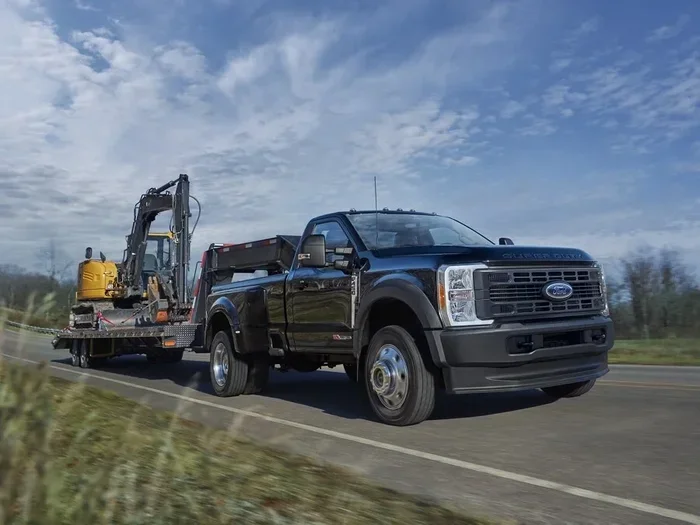
How Much Can a Ford F-250 Tow – Everything You Need to Know
The Ford F-250 is a powerhouse hauler capable of towing between 12,000 and 22,800 pounds depending on the configuration. Whether you are pulling a travel trailer, gooseneck, or fifth wheel, understanding your truck’s limits is essential for safety and performance. This guide breaks down every towing spec, package, and tip you need to know before hitting the road.
The Ford F-250 has long been one of the most popular heavy-duty trucks on the road. People buy it for work, for play, and for hauling everything from boats to horse trailers. But the real question most buyers ask is simple: how much can a Ford F-250 tow?
The answer is not as straightforward as you might think. Towing capacity changes based on the engine, drivetrain, cab style, wheelbase, and towing package you choose. A base model F-250 will tow significantly less than a fully loaded Limited trim with the diesel engine and max tow package. In this guide, we will walk you through every number, every option, and every tip you need to know.
Whether you are planning a weekend camping trip or hauling equipment for your business, understanding your truck’s capabilities is the first step toward safe and confident towing. Let us dive in.
Key Takeaways
- Maximum Towing Capacity: The Ford F-250 can tow up to 22,800 pounds when properly equipped with the right powertrain and towing package.
- Engine Choice Matters: The 6.7L Power Stroke diesel delivers the highest towing numbers, while the 6.2L gas engine still offers strong capability.
- Configuration Is Everything: Wheelbase, axle ratio, cab style, and bed length all affect your truck’s towing and payload numbers.
- Safety Comes First: Proper hitch setup, weight distribution, and braking systems are non-negotiable for safe towing.
- Maintenance Is Critical: Heavy towing puts extra stress on your truck, so regular upkeep is essential to avoid breakdowns.
- Know Your Limits: Never exceed the GVWR or GCWR, as doing so can damage your truck and create dangerous driving conditions.
📑 Table of Contents
Understanding Ford F-250 Towing Capacity
The Ford F-250 belongs to the Super Duty lineup, and it sits between the F-150 and the F-350 in terms of hauling power. This makes it a versatile choice for many truck buyers who need serious capability without going all the way to a dually setup.
The official towing capacity for the Ford F-250 ranges from about 12,000 pounds all the way up to 22,800 pounds. That is a huge spread, and the difference comes down to how the truck is configured. Let us break down what drives these numbers.
What Determines Towing Capacity?
Several factors work together to determine how much your F-250 can safely tow. Here are the key ones:
- Engine Type: The F-250 offers two main engine options. The 6.2L V8 gas engine and the 6.7L Power Stroke turbo diesel. The diesel engine produces more torque, which is the real muscle behind heavy towing.
- Axle Ratio: A higher axle ratio, such as 4.10 or 4.56, gives your truck more pulling muscle. It trades off some fuel efficiency for stronger hauling power.
- Cab and Bed Configuration: Crew cab models with longer wheelbases tend to have slightly different towing numbers than regular cab or short bed versions.
- Towing Package: Ford offers a Max Tow package that includes upgraded cooling, a stronger hitch receiver, and other features designed for maximum hauling.
- Payload: Your truck can only tow as much as its frame, suspension, and brakes can handle. Payload and towing are connected but not the same thing.
Gas vs Diesel Towing Numbers
The engine choice is the single biggest factor in your towing numbers. Here is a quick comparison of what you can expect from each powerplant.
The 6.2L gas engine in the F-250 produces around 400 horsepower and 475 pound-feet of torque. With this engine and the proper configuration, you can expect towing capacity in the range of 12,000 to 17,000 pounds depending on the setup.
The 6.7L Power Stroke diesel kicks out roughly 475 horsepower and a massive 1,050 pound-feet of torque. This engine is a towing beast. When paired with the right drivetrain and towing package, the diesel F-250 can haul up to 22,800 pounds. That is enough to pull a large fifth wheel toy hauler or a heavy equipment trailer with ease.
If you plan on towing frequently or hauling heavy loads, the diesel is the clear winner. But the gas engine still offers plenty of capability for lighter trailers and occasional use.
Towing Packages and Configurations
Ford offers several towing packages for the F-250, and each one unlocks different levels of capability. Understanding these packages helps you choose the right truck for your needs.
Max Tow Package
The Max Tow package is Ford’s top-tier towing setup for the Super Duty lineup. It includes features like an upgraded engine cooling system, a heavier-duty radiator, a larger alternator, and a Class IV hitch receiver. The package also comes with integrated trailer brake controls and a wiring harness for easy trailer connection.
When you combine the Max Tow package with the 6.7L Power Stroke diesel, you unlock the full 22,800-pound towing capacity. This is the configuration you want if you are pulling large travel trailers, horse trailers, or heavy equipment.
Payload vs Towing Capacity
People often confuse payload and towing capacity, but they are two very different things. Payload is the weight your truck can carry in its bed and cabin, including passengers, cargo, and the tongue weight of your trailer. Towing capacity is the maximum weight your truck can pull behind it on a trailer.
You need to consider both numbers when planning a haul. If your trailer has a heavy tongue weight, it reduces the available payload for other cargo and passengers. Always check both specs before loading up your truck.
Types of Trailers You Can Safely Tow
The F-250 can handle a wide range of trailers, from small utility loads to massive fifth wheels. Here is a look at what you can expect to tow with this truck.
Travel Trailers and Campers
Most travel trailers in the 20 to 30-foot range weigh between 5,000 and 12,000 pounds. The Ford F-250 can easily handle trailers in this size range, even with a full gas engine. If you are planning a family camping trip, the F-250 gives you plenty of capacity to pull a comfortable camper without straining the truck.
For longer road trips, consider the comfort of your setup. A 25 percent window tint can reduce glare and heat inside the cab during long drives, making the trip more comfortable for everyone. Check out our complete guide on 25 percent window tint for more details on keeping your cab cool and comfortable.
Gooseneck and Fifth Wheel Trailers
Gooseneck and fifth wheel trailers are the heavy hitters of the towing world. These trailers sit over the rear axle and distribute weight more evenly than traditional travel trailers. The F-250 can tow gooseneck trailers up to about 22,800 pounds when properly equipped.
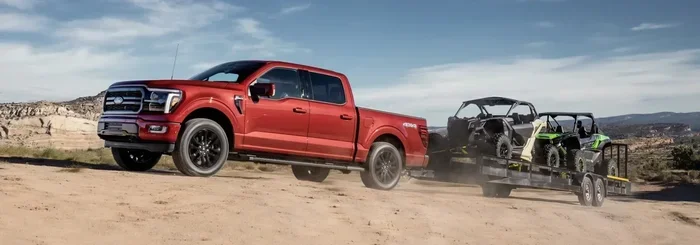
Fifth wheel trailers are even more popular for hauling large toys like boats, ATVs, and RVs. The gooseneck hitch setup gives you more stability and maneuverability compared to a standard bumper hitch. If you are in the market for a fifth wheel, the F-250 is more than capable of handling the load.
Smaller Utility and Cargo Trailers
For lighter hauling needs, the F-250 can tow small utility trailers, cargo trailers, and jet ski trailers with ease. These loads are well within the truck’s capabilities, so you do not need to worry about maxing out any limits. This is where the F-250 shines for weekend warriors and DIY enthusiasts.
Safety Tips for Towing with an F-250
Towing a heavy trailer changes the way your truck handles on the road. Safety should always be your top priority. Here are the most important tips to keep in mind.
Choose the Right Hitch Setup
Your hitch is the connection between your truck and your trailer, so it needs to be rated for the weight you are pulling. A Class V hitch is the standard for heavy-duty towing on the F-250. Make sure the hitch is properly installed and rated for your trailer’s weight.
Also consider the type of hitch you need. A gooseneck hitch is different from a fifth wheel hitch, and each has its own installation requirements. If you are unsure, visit a qualified truck accessory shop to get the right setup for your needs.
Weight Distribution and Sway Control
Weight distribution hitches help balance the load between your truck and trailer. They prevent the front of your truck from dipping too low, which can affect steering and braking. A weight distribution system is especially important when towing near your truck’s maximum capacity.
Sway control is another critical feature. Trailers can sway in crosswinds or when passing large vehicles. A sway control system helps keep your trailer stable and reduces the risk of a dangerous jackknife situation.
What NOT to Leave in Your Truck While Towing
This might sound like an odd tip, but it is an important one. When towing in hot weather, the cab and bed of your truck can get extremely hot. You should never leave items like aerosol cans, sunscreen bottles, or yes, even firearms in the cab or bed where extreme heat could cause them to malfunction. For more information on this surprising risk, read our article on can bullets go off in a hot car to understand why heat safety matters in any vehicle.
Braking and Tire Maintenance
Your F-250’s brakes work harder when towing a heavy load. Make sure your brake pads and rotors are in good condition before every trip. Check your trailer’s brakes as well, especially if you are hauling over 10,000 pounds.
Tire pressure is equally important. Both your truck tires and your trailer tires should be inflated to the manufacturer’s recommended levels. Underinflated tires can overheat and fail, especially when carrying heavy loads at highway speeds.
Maintenance Tips for Heavy Towing
Towing heavy loads puts extra stress on every part of your truck. Staying on top of maintenance keeps your F-250 running strong and prevents costly breakdowns on the road.
Fuel Quality Matters
Using the right fuel is more important than many people realize, especially when towing heavy loads. Low-quality or contaminated fuel can cause engine problems, reduced power, and poor fuel economy. In some cases, bad fuel can even trigger diagnostic trouble codes like the P0171 code, which relates to a lean fuel mixture. If you have ever wondered can bad gas cause a P0171 code, the answer is yes, and it is something every truck owner should be aware of. Always use fresh, quality fuel from reputable stations, especially before a long towing trip.
Regular Checks Before a Trip
Before every towing trip, take a few minutes to check the following:
- Engine oil level: Towing burns more oil, so top off before you go.
- Coolant level: The extra weight puts more heat on your engine, so make sure your cooling system is full.
- Transmission fluid: Check the level and condition. Towing puts extra strain on the transmission.
- Tire pressure: Check all tires, including the spare and trailer tires.
- Lights and signals: Make sure all trailer lights are working properly.
- Hitch connections: Double-check that everything is secured and locked in place.
Protecting Your Truck on Long Trips
If you are planning a long road trip with a trailer, comfort matters. Long hours on the road can be exhausting, especially in a truck cab that gets hot and bright. Consider adding window tint to reduce glare and heat, which helps you stay alert and comfortable. Also, if you are traveling with pets, keep in mind that bringing your dog to Canada by car requires some preparation, including proper restraint and documentation. The same applies to any long towing road trip with animals in the cab or a pet trailer.
Real-World Towing Tips for F-250 Owners
Beyond the specs and numbers, real-world experience teaches you a lot about towing with a heavy-duty truck. Here are some practical tips from experienced F-250 owners.
Plan your route. Not all roads are created equal for towing. Avoid steep mountain grades and rough terrain unless your truck and trailer are built for it. Use GPS apps that show road grades and restrictions for heavy vehicles.
Drive slower than you think you need to. Towing a heavy trailer changes your truck’s stopping distance and handling. Give yourself extra space between vehicles, and reduce your speed on downhills to avoid overheating your brakes.
Use your mirrors. Extended side mirrors or tow mirrors are essential for seeing your trailer and any cars in your blind spots. Check your mirrors frequently, especially before changing lanes or turning.
Practice backing up. Towing a trailer takes practice, especially with gooseneck and fifth wheel setups. Find an empty lot and practice turning, backing up, and parking before you hit the open road.
Know your truck’s limits. The Ford F-250 is incredibly capable, but it is not invincible. Never exceed the Gross Vehicle Weight Rating (GVWR) or the Gross Combined Weight Rating (GCWR). These numbers are there for a reason, and exceeding them can lead to mechanical failure or dangerous driving conditions.
Final Thoughts
The Ford F-250 is one of the most capable towing trucks you can buy. With a maximum towing capacity of up to 22,800 pounds, it can handle everything from small utility trailers to large fifth wheel toy haulers. The key is understanding your truck’s specific configuration and staying within its limits.
How much can a Ford F-250 tow? The answer depends on your engine, drivetrain, and setup. But with the right configuration and proper maintenance, this truck delivers serious hauling power for work and play alike. Take the time to understand your truck’s specs, invest in the right towing equipment, and always prioritize safety on the road.
Whether you are a first-time tower or a seasoned hauler, the F-250 gives you the confidence to pull almost anything. Just remember to respect the limits, maintain your truck, and enjoy the ride.
Frequently Asked Questions
What is the maximum towing capacity of a Ford F-250?
The Ford F-250 can tow up to 22,800 pounds when equipped with the 6.7L Power Stroke diesel engine, the proper drivetrain, and the Max Tow package. Gas engine configurations typically max out at around 17,000 pounds depending on the setup.
Does the Ford F-250 come with a towing package?
Yes, Ford offers a Max Tow package that includes upgraded cooling, a Class IV hitch receiver, integrated trailer brake controls, and other features designed for maximum towing capability. This package is available on select trim levels and configurations.
Can a Ford F-250 tow a fifth wheel trailer?
Absolutely. The F-250 is well-suited for fifth wheel towing, with a maximum capacity of up to 22,800 pounds when properly equipped. A fifth wheel hitch provides better weight distribution and stability compared to a standard bumper hitch.
Is the diesel engine worth it for towing?
If you tow frequently or haul heavy loads, the 6.7L Power Stroke diesel is the better choice. It produces significantly more torque than the gas engine and delivers higher towing numbers, better fuel economy under load, and stronger long-term durability for heavy use.
What is the difference between towing capacity and payload capacity?
Towing capacity is the maximum weight your truck can pull behind it on a trailer. Payload capacity is the maximum weight your truck can carry in its bed and cabin combined. Both numbers matter when planning a haul, and you should never exceed either limit.
How can I improve my Ford F-250’s towing performance?
You can improve towing performance by selecting the right axle ratio, installing a weight distribution hitch, keeping your tires properly inflated, and staying on top of regular maintenance. Using quality fuel and upgrading to a Max Tow package also helps maximize your truck’s capability.