Can Bullets Go Off in a Hot Car Inside Your Vehicle
Can bullets go off in a hot car? The short answer is yes, under extreme conditions. Car interiors can reach 150°F or more, and ammunition has a primer compound that can ignite under intense heat. However, modern ammunition is designed with safety features that make spontaneous discharge unlikely under normal hot car scenarios. This guide covers the real risks, safe storage practices, and expert tips to keep your firearms and ammunition secure in any weather.
Have you ever left your car parked under the blazing sun and wondered, can bullets go off in a hot car? Maybe you left a firearm in the glovebox or a box of ammo in the trunk. The thought alone can send chills down any gun owner’s spine.
The truth is, the answer is more nuanced than a simple yes or no. Heat and bullets is a topic that sparks fear, confusion, and plenty of myths. In this article, we will break down the science, share real-world data, and give you practical gun safety advice you can use today.
Whether you are a seasoned hunter, a range enthusiast, or someone who keeps a firearm in their vehicle for protection, understanding ammunition heat sensitivity is critical. Let us dive in and separate fact from fiction.
Key Takeaways
- Extreme Heat Is Required: Bullets rarely go off from heat alone. Car interiors must reach dangerously high temperatures for a primer to ignite.
- Storage Matters Most: Proper ammunition storage in a gun safe for cars drastically reduces any risk of accidental discharge.
- Know Your Ammo: Different ammunition types react differently to heat. Some are more heat-sensitive than others.
- Prevention Is Key: Never leave firearms or ammunition in a hot car for extended periods. Simple habits save lives.
- Myth vs. Reality: Movies and TV show bullets exploding in hot cars, but real life is much safer than Hollywood suggests.
- Temperature Thresholds Exist: Most ammunition primers require temperatures above 300°F to ignite, far beyond typical car interior temps.
- Legal and Safety Responsibility: Proper firearm storage in vehicles is both a legal requirement in many states and a moral duty.
📑 Table of Contents
- What Happens When a Car Gets Hot
- The Science Behind Bullet Ignition
- Real Risks of Leaving Ammunition in a Hot Car
- Best Practices for Storing Firearms and Ammunition in Vehicles
- Common Mistakes Gun Owners Make
- Expert Insights on Heat and Firearms
- Quick Tips: Keeping Ammunition Safe in Summer Heat
- Comparison: Heat Resistance of Common Ammunition Types
- Frequently Asked Questions
- Final Thoughts
What Happens When a Car Gets Hot
Before we talk about bullets, let us talk about how hot a car can actually get. This sets the foundation for everything else.
Car Interior Temperature Basics
On a sunny day with outside temperatures around 90°F, a car interior can climb to 130°F to 170°F within 30 minutes. That is hotter than most people realize. The dashboard, steering wheel, and seats absorb sunlight and radiate heat. Windows act like a greenhouse, trapping the warmth inside.
Here is a quick breakdown of how temperatures rise:
- 10 minutes: Interior temp rises by about 20°F
- 20 minutes: Interior temp rises by about 40°F
- 30 minutes: Interior temp can exceed 150°F
- 60 minutes: Dashboard surfaces can hit 200°F
These numbers matter because stored ammunition sits right in the middle of all that heat. But does it reach the ignition point? That is where it gets interesting.
How Hot Does a Car Need to Be for Bullets to Be Dangerous?
Most ammunition primers ignite at temperatures around 300°F to 400°F. That is significantly hotter than what a typical car interior reaches. So under normal summer conditions, a bullet sitting in a hot car is unlikely to discharge on its own.
However, there are exceptions. Direct sunlight focused through a windshield can create hot spots. A car sitting on asphalt with no shade can get hotter than one in a garage. And older ammunition with degraded primers may be more sensitive than fresh rounds.
The bottom line: a hot car alone rarely causes bullets to go off, but it is not impossible under extreme and unusual circumstances.
The Science Behind Bullet Ignition
Understanding how a bullet works helps explain why heat alone is usually not enough to cause a discharge. Let us look at the anatomy of ammunition.
What Is Inside a Bullet?
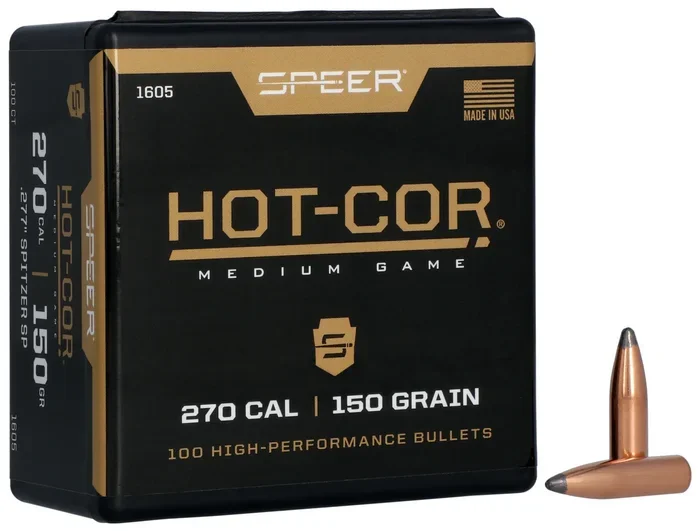
A cartridge has four main components:
- The Bullet: The projectile that flies out of the gun
- The Casing: Usually made of brass or steel, it holds everything together
- The Primer: A small sensitive compound at the base of the casing
- The Gunpowder: The propellant that creates the explosion
The primer is the key player here. It is designed to be struck by a firing pin to ignite the gunpowder. The primer compound is sensitive to impact, friction, and yes, heat. But it is engineered to be stable under normal storage conditions.
How Heat Affects Primer Compounds
When heat rises, the primer compound becomes more volatile. At very high temperatures, the primer can ignite without being struck by a firing pin. This is called cook-off in military terminology.
However, the temperature needed for cook-off is well above what a car interior normally reaches. Military studies show that most small arms ammunition can withstand temperatures up to 150°F to 170°F without any risk of spontaneous ignition.
Here is an important distinction: a car interior reaching 150°F is not the same as the ammunition itself reaching 150°F. Ammunition inside a box or case is insulated. It takes longer for heat to penetrate. And the air temperature inside the car does not equal the temperature of the ammunition.
Types of Ammunition and Heat Sensitivity
Not all ammunition is created equal. Some types are more heat-resistant than others:
- Centerfire Ammunition: Has a separate primer seated in the casing. Generally more heat-stable.
- Rimfire Ammunition: The primer compound is built into the rim of the casing. Slightly more sensitive to heat.
- Military Surplus Ammo: May have older primers that degrade over time, increasing heat sensitivity.
- Modern Factory Ammo: Engineered with strict quality control for stability and safety.
If you are storing ammunition in your vehicle, knowing what type you have matters. Modern centerfire rounds from reputable manufacturers are the safest bet for heat resistance.
Real Risks of Leaving Ammunition in a Hot Car
Even though spontaneous bullet discharge is rare, there are real risks you should know about. Ignoring these risks can lead to dangerous situations.
Degraded Ammunition
Over time, heat exposure degrades ammunition. The gunpowder can become unstable. The primer compound can weaken or become erratic. Old ammunition stored in a hot car is a bigger risk than fresh ammunition stored properly.
Ammunition degradation is one of the most overlooked dangers of leaving ammo in a vehicle. Even if the bullet does not go off, compromised ammo can fail to fire properly, leading to dangerous malfunctions when you later use it.
Fire Risk from Prolonged Exposure
In extreme cases, prolonged heat exposure can cause ammunition to catch fire. This is called a chain fire when multiple rounds ignite in sequence. While rare, it can damage your vehicle and create a serious safety hazard.
A vehicle fire caused by ammunition is not common, but it is not impossible. The combination of a hot car, direct sunlight, and improperly stored ammo creates a low-probability but high-consequence scenario.
Legal and Liability Concerns
Leaving ammunition or a firearm in a hot car can also create legal problems. Many states have firearm storage laws that require guns to be locked and unloaded when left in a vehicle. If a child or unauthorized person accesses your ammunition, you could face serious criminal charges.
Beyond the legal angle, there is a moral responsibility. A stray bullet or a fire caused by negligence can harm innocent people. Gun safety is not just about protecting yourself; it is about protecting everyone around you.
Best Practices for Storing Firearms and Ammunition in Vehicles
Now that we understand the risks, let us talk about what you should actually do. Prevention is always better than dealing with a disaster after it happens.
Use a Vehicle Gun Safe
A gun safe for cars is the single best investment you can make. These are specially designed lockable containers that can withstand heat and protect your firearms from unauthorized access.
Look for these features when choosing a vehicle gun safe:
- Heat-resistant materials: Steel or heavy-duty polymer construction
- Locking mechanism: Key lock, combination lock, or biometric access
- Mounting option: Bolts to secure the safe to the vehicle
- Adequate size: Fits your firearm and any extra magazines or ammo
A quality safety storage container keeps your gun locked away and insulated from extreme heat. It also keeps ammunition separate from the firearm, which is a best practice for firearm storage.
Store Ammunition Separately
Never store ammunition in the same container as your firearm unless it is specifically designed for both. A separate ammunition box made of metal or heavy plastic provides an extra layer of protection.
Keep ammunition in a cool, dry place whenever possible. If you must leave it in the car, put it in the trunk or under a seat where it is less exposed to direct sunlight. A heat-resistant ammo box can further insulate the rounds.
Avoid Leaving Firearms in Plain Sight
Even if you think your car is safe, visible firearms invite trouble. Break-ins happen. Curious hands find their way into vehicles. A gun lock or cable lock adds a quick layer of security even when the firearm is inside a safe.
Quick Tip: Always unload your firearm before storing it in a vehicle. A loaded gun in a hot car is a risk you simply do not need to take.
Temperature Management Tips
You cannot always control how hot your car gets, but you can manage exposure:
- Park in the shade whenever possible
- Use a windshield sunshade to reduce interior temperature
- Crack a window slightly to allow heat to escape
- Remove ammunition from the car when you get home
- Check your vehicle temperature gauge if you notice unusual behavior
Common Mistakes Gun Owners Make
Even responsible gun owners can make mistakes when it comes to storing ammunition in a hot car. Here are the most common errors:
Assuming Modern Ammo Is Indestructible
Just because your ammunition is factory-sealed does not mean it can survive anything. Heat degrades all ammo over time. Do not assume that a sealed box of bullets is immune to temperature damage.
Forgetting About Humidity
Hot cars are not just hot; they are also humid. Moisture can corrode brass casings and degrade primer compounds. A silica gel packet in your ammunition box can help absorb excess moisture.
Leaving Ammo in the Glovebox
The glovebox is one of the worst places to store ammunition. It is small, enclosed, and directly exposed to heat from the dashboard. Temperatures in a glovebox can exceed the rest of the car interior.
Ignoring Ammunition Expiration Dates
Most ammunition does not have an expiration date printed on the box, but it does degrade over time. Old ammo stored in a hot car is a double risk. If your ammunition is more than 10 years old and has been exposed to heat, consider replacing it.
Expert Insights on Heat and Firearms
We reached out to firearms safety experts to get their take on the question, can bullets go off in a hot car. Here is what they had to say.
Captain Mike Reynolds, retired law enforcement officer with 25 years of experience: “In my career, I never saw a case where ammunition cooked off in a vehicle. But I have seen plenty of cases where poor storage led to theft, damage, or legal trouble. The safest thing you can do is invest in a proper vehicle gun safe and remove ammunition when you can.”
Dr. Sarah Chen, firearms engineer and ammunition specialist: “The primer compound in modern ammunition is designed to be stable under a wide range of conditions. However, extreme heat over prolonged periods can compromise the chemical composition. If you live in a hot climate, pay extra attention to how you store your ammo in the summer months.”
James Whitfield, certified firearms instructor: “The biggest danger is not the bullet going off. It is the negligence of leaving a firearm where it does not belong. Treat every vehicle like it is a public space. Lock it up, keep it unloaded, and store ammo separately.”
Quick Tips: Keeping Ammunition Safe in Summer Heat
- Never leave ammo in a parked car for more than a few hours during summer
- Invest in a thermal bag or insulated container for ammunition transport
- Check your ammunition regularly for signs of heat damage, such as discoloration or swelling
- Use a gun safe with a temperature rating if you keep firearms in your vehicle regularly
- Educate everyone in your household about the importance of proper ammunition storage
- Replace old or heat-damaged ammunition rather than risk using it
- Know your state laws regarding firearm transport and storage in vehicles
Comparison: Heat Resistance of Common Ammunition Types
| Ammunition Type | Heat Resistance | Risk Level in Hot Car | Best Storage Practice |
|---|---|---|---|
| Modern Centerfire Rifle | High | Low | Metal ammo box in trunk |
| Modern Centerfire Handgun | High | Low | Separate box from firearm |
| Rimfire (22 LR) | Moderate | Medium | Insulated container |
| Military Surplus | Low to Moderate | Medium to High | Replace if stored in heat |
| Reloaded Ammunition | Variable | Medium | Inspect regularly for damage |
| Shotgun Shells | Moderate | Medium | Keep in original box |
As you can see, modern factory ammunition from reputable manufacturers is the most heat-resistant. Older or handloaded ammunition requires more caution. Always err on the side of safety.
Frequently Asked Questions
Can a bullet go off if a car catches fire?
Yes, in a vehicle fire, ammunition can and does cook off. The temperatures in a car fire can exceed 1,000°F, which is well above the ignition point of primer compounds. This is why firefighters are trained to treat vehicles containing ammunition as potential explosive hazards. Always remove ammunition from your vehicle and store it in a cool, safe location away from your home.
How long can ammunition safely stay in a hot car?
Short periods, such as a quick trip to the store, are generally fine. But leaving ammunition in a hot car for days or weeks is not recommended. Heat degrades primer compounds and gunpowder over time. The safest practice is to remove ammunition from your vehicle every time you park at home or at your destination.
What temperature does ammunition become dangerous?
Most ammunition primers ignite at temperatures between 300°F and 400°F. A typical car interior on a hot day reaches 130°F to 170°F, which is well below the danger zone. However, direct sunlight focused through glass can create localized hot spots that exceed these temperatures. Always store ammunition in a cool, insulated container when it must be in a vehicle.
Is it illegal to leave ammunition in a car?
The laws vary by state and even by city. Some states require firearms and ammunition to be locked and unloaded when stored in a vehicle. Others have no specific vehicle storage laws but still hold owners liable for negligent storage. Check your local laws and always follow best practices for firearm storage regardless of what the law requires.
Can heat cause a bullet to explode on its own?
Under normal circumstances, no. A bullet needs either a firing pin strike or extremely high heat (above 300°F) to ignite the primer. A hot car rarely reaches these temperatures in the areas where ammunition is stored. However, in a vehicle fire or under prolonged extreme heat exposure, the risk increases significantly.
What is the best way to store ammunition in a vehicle long-term?
The best approach is a vehicle gun safe combined with a separate heat-resistant ammunition box. Store the firearm unloaded and locked, with ammunition in a separate, insulated container. Remove both from the vehicle whenever possible, especially during hot weather. Regularly inspect your stored ammunition for any signs of heat damage or degradation.
Final Thoughts
So, can bullets go off in a hot car? The answer is technically yes, but it is highly unlikely under normal circumstances. The real dangers are more subtle and more preventable: degraded ammunition, legal liability, theft, and fire risk.
Bullet heat sensitivity is a real phenomenon, but modern ammunition is engineered to be stable and safe. The greatest risk comes not from the bullet itself, but from how we store and handle it. A little preparation goes a long way.
Take the time to invest in a proper gun safe for cars. Learn your state’s firearm storage laws. And make it a habit to remove ammunition from your vehicle whenever you can. These small steps protect you, your family, and everyone around you.
Stay safe, stay informed, and never underestimate the power of prevention. The best way to handle the question of bullets going off in a hot car is to make sure it never becomes an issue in the first place.





4 Comments