Does Car Insurance Cover Aftermarket Parts And Upgrades
Does car insurance cover aftermarket parts? The answer depends on your policy type, the insurer, and how the parts were installed. Most standard policies include aftermarket components under collision and comprehensive coverage, but they may not fully replace custom or premium upgrades without additional endorsement. Understanding your car insurance policy details before a claim is essential to avoid surprise out-of-pocket costs.
Key Takeaways
- Standard policies often cover aftermarket parts but usually at actual cash value, not replacement cost.
- Custom parts and equipment coverage requires an endorsement or rider on your policy.
- OEM parts vs. aftermarket parts are treated differently by most insurance companies during claims.
- Modified car insurance policies exist specifically for vehicles with significant upgrades.
- Documentation and appraisals make filing claims for aftermarket parts much smoother.
- Not all upgrades qualify — cosmetic changes may be excluded while functional upgrades may be covered.
- Shopping around for insurance that covers modifications can save you thousands in the long run.
📑 Table of Contents
- Does Car Insurance Cover Aftermarket Parts And Upgrades?
- What Counts As An Aftermarket Part?
- How Standard Car Insurance Policies Handle Aftermarket Parts
- When Standard Coverage Falls Short
- How To Ensure Your Aftermarket Parts Are Covered
- Common Mistakes Car Owners Make With Aftermarket Coverage
- Expert Tips For Protecting Your Aftermarket Investment
- Frequently Asked Questions
- Conclusion
Does Car Insurance Cover Aftermarket Parts And Upgrades?
You spent months researching the perfect aftermarket parts for your car. Maybe you upgraded the exhaust system. Perhaps you added a new stereo or wrapped the exterior in a sleek vinyl finish. Whatever the modification, you want to protect your investment. But here is the big question: does car insurance cover aftermarket parts and upgrades?
The short answer is: it depends. Most standard car insurance policies include some level of coverage for aftermarket components. However, the extent of that coverage varies widely. Some insurers replace modified parts at full value. Others pay only the depreciated worth. And a few simply exclude certain upgrades altogether.
This guide breaks down everything you need to know. We will walk through how different types of coverage work, what common exclusions look like, and how to make sure your custom car parts are fully protected. Whether you have a mild enhancement or a full vehicle upgrade, understanding your policy is the first step toward peace of mind.
Many car owners assume their insurance company automatically covers every modification. That assumption can lead to costly surprises after an accident. Taking a few minutes to review your car insurance coverage now can save you significant headaches later. Let us dive into the details.
What Counts As An Aftermarket Part?
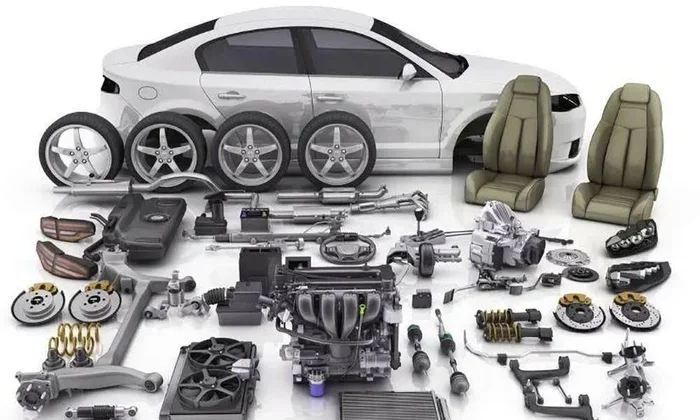
Before we explore coverage specifics, it helps to understand what actually qualifies as an aftermarket part. The term refers to any component that was not installed by the original manufacturer. These parts are made by third-party companies and added to your vehicle after purchase.
Aftermarket parts come in many forms. Some improve performance. Others enhance appearance. And some add practical functionality. Here are common examples you will find on modified vehicles:
- Performance upgrades: cold air intake systems, exhaust systems, turbochargers, and engine tuning modules
- Exterior modifications: custom body kits, spoilers, vinyl wraps, tinted windows, and aftermarket wheels
- Interior enhancements: upgraded sound systems, custom seats, dashboard monitors, and LED lighting
- Safety and tech additions: backup cameras, blind spot monitoring systems, and dash cams
- Suspension and handling: lowering springs, coilovers, and upgraded shock absorbers
It is important to note that aftermarket accessories like floor mats or seat covers are generally treated differently than major car modifications. Insurers often classify accessories as low-value add-ons. Major performance or structural changes, on the other hand, may require special attention on your policy.
If you are unsure whether a part counts as aftermarket equipment, a good rule of thumb is this: if it was not part of the vehicle when you drove it off the lot, it is likely an aftermarket component. Keeping a detailed inventory of every modification helps when filing a claim.
How Standard Car Insurance Policies Handle Aftermarket Parts
Most standard auto insurance policies include coverage for aftermarket parts under two main categories: collision coverage and comprehensive coverage. But the way insurers handle these parts is not always straightforward.
Collision Coverage And Aftermarket Parts
Collision insurance pays for damage to your vehicle caused by an accident with another vehicle or object. When a claim involves aftermarket components, the insurer typically pays the actual cash value of those parts. This means they deduct depreciation.
For example, say you installed a high-end exhaust system three years ago. It cost you $2,000 brand new. After three years of wear, the insurer might value it at $1,200. You would receive $1,200 toward replacement, not the full $2,000. This gap between what you paid and what the insurer pays is a common frustration for car owners.
Comprehensive Coverage And Aftermarket Parts
Comprehensive coverage handles damage from non-collision events like theft, vandalism, fire, and weather. It works similarly to collision coverage when it comes to modified parts. The insurer assesses the current value of the aftermarket component and pays accordingly.
If someone steals your custom car stereo system, for instance, your comprehensive coverage may reimburse you. But again, the payout reflects the depreciated value, not the original purchase price. This is why understanding your specific car insurance policy details matters so much.
The OEM vs. Aftermarket Parts Debate
One area that often causes confusion is the difference between OEM parts (Original Equipment Manufacturer) and aftermarket parts. OEM parts are made by the same company that built your vehicle. Aftermarket parts are made by third-party manufacturers.
Many insurers prefer to use OEM parts for repairs because they match the original specifications. However, some policies include aftermarket parts clauses that allow the insurer to use cheaper replacement components. This can be a significant issue if your vehicle already contains aftermarket upgrades.
Here is a quick comparison of how the two types of parts are typically handled:
| Factor | OEM Parts | Aftermarket Parts |
|---|---|---|
| Manufacturer | Original car maker | Third-party company |
| Cost | Higher | Lower to moderate |
| Insurance Preference | Often preferred by insurers | May require endorsement |
| Fit and Quality | Exact match | Varies by brand |
| Claim Payout | Full value usually covered | Depreciated value common |
Some states now have laws requiring insurers to use OEM parts for certain repairs. Check your local regulations to understand your rights. The does car insurance cover aftermarket parts question becomes much easier to answer when you know your state’s specific rules.
When Standard Coverage Falls Short
Standard policies work well for factory-installed components. But they often fall short when it comes to significant car modifications. Here are situations where you might find gaps in your coverage.
High-Value Custom Upgrades
If you have invested thousands of dollars into custom car parts, standard coverage may not fully replace them. A custom paint job, a built roll cage, or a turbo kit can easily cost more than the original vehicle components they replace. Most standard policies will not account for this difference.
Consider this scenario. You install a $5,000 custom audio system in your car. A few months later, someone breaks in and steals the entire system. Your comprehensive coverage pays out based on the depreciated value. You might receive $2,500. You are now $2,500 out of pocket for a system you paid $5,000 for.
Performance Modifications
Performance upgrades like engine tuning, suspension modifications, and forced induction systems present another challenge. Many standard policies do not specifically address these changes. In some cases, performance modifications can even void certain aspects of your coverage.
Insurers view modified vehicles as higher risk. A car with a tuned engine is statistically more likely to be involved in an accident. This perception can lead to higher premiums or reduced coverage limits if the insurer discovers undisclosed modifications.
Cosmetic vs. Functional Modifications
Not all aftermarket upgrades are treated equally. Insurers often distinguish between cosmetic changes and functional improvements. A vinyl wrap or custom paint might be viewed as cosmetic. A performance exhaust or upgraded braking system is seen as functional.
Interestingly, cosmetic modifications sometimes have better coverage outcomes. This is because they do not change how the vehicle operates. Functional modifications, however, can affect the car’s safety profile and performance, which makes insurers more cautious.
If you have ever wondered does wrapping a car add value, the answer is yes, but your insurance may not fully reflect that added value without proper coverage.
How To Ensure Your Aftermarket Parts Are Covered
The good news is that you have options. There are several steps you can take to make sure your custom modifications are adequately protected. Let us walk through the most effective strategies.
Add a Custom Parts and Equipment Endorsement
The single best thing you can do is add a custom parts and equipment endorsement to your policy. This is also called a custom equipment coverage rider. It provides additional coverage specifically for your aftermarket parts beyond what standard policies offer.
Most endorsements cover between $1,000 and $5,000 in additional protection. Some insurers offer higher limits for an extra premium cost. The endorsement typically covers parts that are listed on your policy, so having a detailed inventory is crucial.
When you add this rider, your insurer will likely require you to list each modified component and its value. Keep receipts, installation invoices, and photographs. This documentation makes the endorsement process much smoother.
Consider Modified Car Insurance
If your vehicle has extensive modifications, a standard policy might not cut it. Modified car insurance policies are designed specifically for cars with significant upgrades. They offer specialized coverage that accounts for the true value of your car modifications.
These policies often include agreed-value coverage. This means you and the insurer agree on the value of the vehicle upfront. In the event of a total loss, you receive the agreed amount, not the depreciated market value.
Modified car insurance also tends to cover a wider range of upgrades. Performance parts, custom interiors, and rare aftermarket components are more likely to be included. The trade-off is that these policies can be more expensive than standard coverage.
If you have a heavily modified vehicle, exploring modified car insurance options is well worth the effort. The peace of mind alone can justify the extra cost.
Get Your Aftermarket Parts Appraised
Professional appraisals add significant credibility to your insurance claim. An appraiser evaluates each aftermarket component and assigns a documented value. This value serves as evidence when you file a claim.
Many insurers accept appraisals from certified professionals. Some even have preferred appraiser networks. Getting an appraisal every one to two years keeps your coverage current as parts age or you add new upgrades.
Appraisals are especially important for high-value modifications. If you have invested in a custom 9 inch android car stereo system or a premium sound setup, having it professionally appraised ensures you are not shortchanged during a claim.
Keep Detailed Records
Documentation is your best friend when dealing with insurance claims for aftermarket parts. Keep a folder, either physical or digital, with the following items:
- Original receipts for every aftermarket part purchased
- Installation invoices from your mechanic or shop
- Photographs of each modification from multiple angles
- Serial numbers or model numbers where applicable
- Appraisal documents updated regularly
- Proof of payment for each component and installation
The more organized your records are, the easier it is to prove the value of your aftermarket upgrades during a claim. Insurers process claims faster when documentation is clear and complete.
Disclose All Modifications to Your Insurer
One of the biggest mistakes car owners make is failing to disclose modifications. You might think that keeping quiet avoids higher premiums. But if the insurer discovers undisclosed changes after a claim, they can deny the entire claim or even cancel your policy.
Always inform your insurer about any car modifications you make. Even if the modification seems minor, it is better to disclose it upfront. Most insurers appreciate transparency and can adjust your policy accordingly.
When you disclose modifications, ask your agent specifically: does car insurance cover aftermarket parts like the ones I have installed? Get the answer in writing. This protects you if there is ever a dispute about coverage.
Common Mistakes Car Owners Make With Aftermarket Coverage
Understanding what not to do is just as important as knowing what to do. Here are common mistakes that leave car owners unprotected.
Assuming All Modifications Are Automatically Covered
This is the most common and costly mistake. Not every aftermarket part is automatically included in a standard policy. Some insurers exclude certain categories entirely. Others cap coverage at a low dollar amount. Never assume your modifications are covered without checking your policy documents.
Failing to Update Your Policy After Adding New Parts
Your insurance needs change as your car changes. If you add a new aftermarket upgrade six months after your policy starts, your existing coverage may not include it. Update your policy promptly after any modification to ensure continuous protection.
Not Comparing Insurance Providers
Not all insurers treat aftermarket parts the same way. Some are more favorable toward modified vehicles than others. Shopping around and comparing quotes from multiple providers can help you find a policy that better suits your needs.
If you are shopping for a new policy, you might also want to research related topics like does your car run better with a new serpentine belt or does wrapping a car add value. Understanding how modifications affect your vehicle helps you make smarter insurance decisions.
Ignoring the Difference Between Replacement Cost and Actual Cash Value
When your insurer pays out for a damaged aftermarket component, they typically use actual cash value. This accounts for depreciation. Replacement cost coverage, on the other hand, pays what it costs to buy a brand-new equivalent part today.
Replacement cost coverage is rare for aftermarket parts but not impossible. Ask your insurer if this option is available. It can make a significant difference in how much you receive after a claim.
Expert Tips For Protecting Your Aftermarket Investment
Insurance professionals who specialize in modified vehicles recommend a few best practices. These tips can help you maximize your coverage and minimize headaches.
First, get specialized insurance. If your car has significant modifications, a standard policy is rarely sufficient. Look for insurers that specialize in modified and custom vehicles. They understand the unique needs of these cars and offer tailored coverage options.
Second, maintain your parts properly. Insurers may deny claims if they determine that a part was poorly maintained. Keep up with regular maintenance on all your aftermarket components. This includes cleaning, inspections, and timely replacements of worn parts.
Third, photograph everything. Take detailed photos of every modification on your vehicle. Store these images in a cloud backup so they are safe even if your car is damaged or stolen. Photos serve as powerful evidence during the claims process.
Fourth, understand your deductible. Your car insurance deductible applies to claims involving aftermarket parts just as it does for factory components. A high deductible means you pay more out of pocket before coverage kicks in. Choose a deductible you can comfortably afford.
Fifth, review your policy annually. As you add or change parts, your coverage needs evolve. An annual review ensures your policy stays aligned with the current state of your vehicle. This is also a great time to ask whether does car insurance cover aftermarket parts like any new upgrades you have recently installed.
Frequently Asked Questions
Does car insurance cover aftermarket parts by default?
Most standard policies include some coverage for aftermarket parts under collision and comprehensive coverage. However, the payout is typically based on the depreciated actual cash value of the part, not the original purchase price. For full replacement value, you usually need a custom parts endorsement or modified car insurance policy.
Will my insurance go up if I modify my car?
Yes, modifications can increase your insurance premiums. Insurers view modified vehicles as higher risk because they may be driven more aggressively or cost more to repair. The increase depends on the type and extent of the modification. Always disclose changes to your insurer to avoid policy issues.
What happens if I do not disclose my car modifications?
Failing to disclose modifications is a serious risk. If your insurer discovers undisclosed changes after an accident, they may deny your claim or cancel your policy entirely. Transparency with your insurance provider protects you and ensures your coverage remains valid when you need it most.
Are custom paint jobs covered by car insurance?
Custom paint jobs may be covered under comprehensive or collision coverage, but usually at depreciated value. If you want full protection for a custom paint job, consider adding a custom parts endorsement or purchasing a modified car insurance policy that includes agreed-value coverage for aesthetic upgrades.
Can I get insurance that covers the full value of my aftermarket upgrades?
Yes, you can. Look for insurers that offer modified car insurance with agreed-value or replacement cost coverage. These policies are designed for vehicles with significant aftermarket parts and upgrades. They typically require detailed documentation and may cost more than standard coverage, but they provide much stronger protection.
Do aftermarket wheels and tires get covered?
Aftermarket wheels and tires are generally covered under standard collision and comprehensive policies, but again at actual cash value. If your wheels are a significant investment, adding a custom equipment endorsement ensures you receive closer to their full replacement cost after a claim.
Conclusion
The question of does car insurance cover aftermarket parts and upgrades does not have a one-size-fits-all answer. Standard policies provide a baseline of protection, but they often fall short when it comes to custom and high-value modifications. The gap between what you paid for your upgrades and what your insurer pays after a claim can be substantial.
The best way to protect your investment is to take proactive steps. Add a custom parts endorsement, consider modified car insurance, keep detailed records, and always disclose your modifications. These actions ensure that when the unexpected happens, you are not left paying out of pocket for parts you invested hard-earned money into.
Your car is more than just transportation. It is a reflection of your personality and effort. Whether you have a simple audio upgrade or a full performance build, your aftermarket parts deserve proper coverage. Review your policy today, ask the right questions, and make sure your custom vehicle is fully protected. The time you invest now will pay off enormously if you ever need to file a claim.