How Fast Is a Dodge Charger and What Makes It So Quick
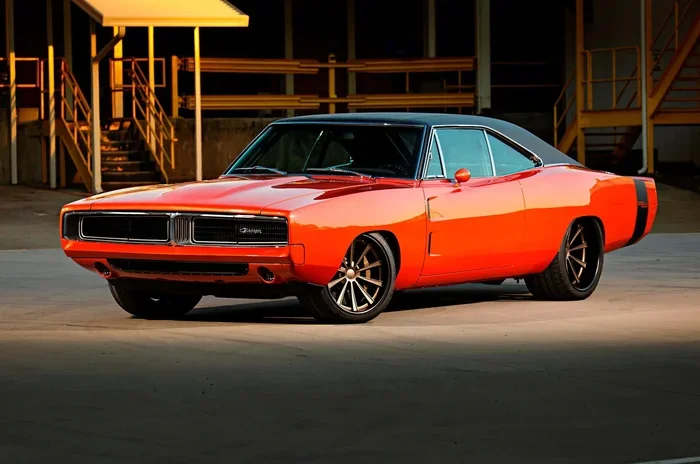
The Dodge Charger is one of the most iconic American muscle cars ever built, and its speed is truly impressive. Depending on the trim and engine, a Dodge Charger can reach top speeds over 200 mph and hit 0-60 in under 3.5 seconds. What makes the Dodge Charger so quick comes down to its powerful engines, aerodynamic design, and advanced technology that has evolved over decades of production.
There are few cars on the road that turn heads the way a Dodge Charger does. This full-size sedan has been a symbol of American muscle since it first rolled off the assembly line in 1966. But the question on every gearhead’s mind is simple: how fast is a Dodge Charger? The answer depends on the model year, the trim level, and the engine under the hood. From the base V6 models to the beastly Hellcat variants, the Dodge Charger speed range is wider than most people realize.
In this deep dive, we will break down the Dodge Charger acceleration times, explore what gives this car its edge, and compare it against rivals. Whether you are shopping for one or just curious about how quick this iconic car really is, you will find everything you need right here. Let us get into it.
Key Takeaways
- Variety of Powertrains: The Dodge Charger offers everything from a standard V6 to supercharged V8 engines, each delivering different performance levels.
- 0-60 Times Vary Widely: Base models reach 60 mph in around 6 seconds, while Hellcat variants do it in under 3.5 seconds.
- Top Speeds Exceed 200 mph: The Dodge Charger SRT Hellcat Redeye and Daytona models are among the fastest sedans ever made.
- Advanced Technology Matters: Features like all-wheel drive, launch control, and adaptive suspension play a huge role in how fast the Charger feels and performs.
- Safety at Speed Is Key: High-speed stability and braking systems are essential, and features like pre-collision assist become critical at highway speeds.
- Future Powertrains Are Coming: Dodge is exploring hybrid and electric options, with systems similar to how hybrid vehicles switch to gas at certain speeds.
📑 Table of Contents
- How Fast Is a Dodge Charger Across Different Models
- What Makes the Dodge Charger So Quick
- Dodge Charger 0-60 Times by Generation
- How the Charger Compares to Other Muscle Cars
- Common Mistakes That Slow You Down
- Quick Tips for Maximizing Your Charger’s Speed
- Expert Insights on Dodge Charger Speed
- Final Thoughts
How Fast Is a Dodge Charger Across Different Models
The Dodge Charger has been produced in many different trims over the years. Each one offers a different level of performance. Understanding the differences helps you see why some versions are significantly faster than others.
Base Model Performance
The standard Dodge Charger SXT comes with a 3.6-liter V6 engine. This engine produces around 292 horsepower. That is plenty for daily driving. The Dodge Charger 0-60 time for the base SXT is about 5.9 seconds. Top speed sits around 142 mph. These numbers are respectable for a family sedan, but they do not set any land speed records.
The GT trim bumps things up slightly. It uses the same V6 engine but adds all-wheel drive. This helps the car grip the road better during acceleration. The 0-60 time drops to around 5.2 seconds. For a car that weighs over 4,400 pounds, that is solid performance.
R/T and Scat Pack Models
Things start getting serious with the R/T trim. The Dodge Charger R/T uses a 5.7-liter HEMI V8 engine. This engine produces 370 horsepower and 395 pound-feet of torque. The Dodge Charger acceleration from 0-60 drops to around 4.4 seconds. Top speed climbs to about 155 mph.
The Scat Pack takes the R/T formula and turns it up. With the same 5.7-liter HEMI V8 but tuned for more output, the Scat Pack hits 0-60 in about 4.2 seconds. The top speed reaches 175 mph. These are numbers that rival many sports cars, which is impressive for a full-size sedan.
The SRT Trim Levels
SRT stands for Street and Racing Technology. This is Dodge’s performance division. The SRT Hellcat uses a supercharged 6.2-liter V8 engine. This engine produces 717 horsepower. The Dodge Charger Hellcat speed is nothing short of wild. It hits 0-60 in about 3.6 seconds and has a top speed of 196 mph.
The SRT Hellcat Redeye pushes the limits even further. With 797 horsepower, the Redeye hits 0-60 in around 3.4 seconds. Top speed reaches 203 mph. The SRT Daytona 392 and the Super Stock models push into similar territory, making the Hellcat family some of the fastest sedans on the planet.
What Makes the Dodge Charger So Quick
Speed does not happen by accident. Several key factors work together to make the Dodge Charger one of the quickest sedans on the road. Let us look at what is under the hood and beyond.
Powerful Engine Options
The heart of any fast car is its engine. The Dodge Charger offers a range of engines that deliver serious power:
- 3.6L V6 (Pentastar): 292 hp, found in SXT and GT trims.
- 5.7L HEMI V8: 370 hp, found in R/T and Scat Pack.
- 6.2L Supercharged HEMI V8: 717 hp, found in the Hellcat.
- 6.2L Supercharged HEMI V8 (High Output): 797 hp, found in the Redeye.
More horsepower means faster acceleration. But torque is just as important. Torque is the twisting force that pushes the car forward. The HEMI engines in the Charger produce massive torque, which is why the car feels so strong off the line.
Aerodynamic Design
The Dodge Charger has a sleek, aerodynamic shape. Air flows over the body with minimal drag. The front fascia is designed to push air aside. The roofline slopes gently toward the rear. All of these elements reduce the air resistance the car has to fight through.
At high speeds, aerodynamics become even more important. A car that is not aerodynamic will hit a wall of air that limits its top speed. The Charger’s design helps it slice through the air efficiently, which is why it can reach speeds over 200 mph in its most powerful trims.
Advanced Drivetrain Technology
The Dodge Charger offers both rear-wheel drive and all-wheel drive depending on the trim. AWD models like the GT and the Hellcat AWD versions have a significant advantage in traction. When you launch a car hard from a standstill, the wheels can spin. AWD helps put power down more effectively, which translates to faster acceleration.
Launch control is another feature that helps the Charger go fast. This system manages the engine’s power delivery during a hard start. It prevents wheel spin and ensures the tires get maximum grip. The result is a more consistent and faster 0-60 time every time you step on the gas.
Braking and Stability Systems
Going fast is only half the battle. Stopping quickly and staying stable is just as important. The Dodge Charger comes with large Brembo brakes on higher trims. These brakes can handle the heat generated during hard driving and repeated stops.
Electronic stability control and traction control systems help keep the car planted during aggressive maneuvers. These systems monitor wheel slip, steering angle, and yaw rate. They make micro-adjustments to keep the car on its intended path. This is especially important when you are pushing the Dodge Charger top speed on open roads or tracks.
Dodge Charger 0-60 Times by Generation
The Dodge Charger has gone through several generations. Each generation brought new technology and performance improvements. Here is a look at how the Dodge Charger acceleration has evolved over the years.
LX Generation (2006-2010)
The LX generation brought the Charger back to life after a long hiatus. The base V6 model took about 7 seconds to reach 60 mph. The R/T with the 5.7-liter HEMI was significantly quicker, hitting 0-60 in about 5.2 seconds. These numbers were impressive for a modern muscle sedan at the time.
LD Generation (2011-2023)
The LD generation saw major improvements in technology and performance. The base V6 0-60 time dropped to around 5.9 seconds. The R/T hit 0-60 in the low 4-second range. The Hellcat shattered expectations with a sub-3.6-second 0-60 time. Each year brought small refinements that made the Charger quicker and more capable.
2024 and Beyond
Dodge has hinted at electrification for the Charger lineup. Future models may feature hybrid or full-electric powertrains. This could bring even faster acceleration times. The transition to electrified powertrains is similar to how hybrid vehicles switch from electric to gas at certain speeds. The new Charger Daytona electric concept promises to deliver instant torque and incredible straight-line speed.
For now, the current ICE (internal combustion engine) models remain some of the most powerful sedans available. The 2024 Dodge Charger still offers the Hellcat and Redeye powertrains that continue to turn heads and break records.
How the Charger Compares to Other Muscle Cars
The Dodge Charger does not race alone. It faces competition from several other muscle cars and performance sedans. Here is how it stacks up against some of the most popular rivals.
Dodge Charger vs. Ford Mustang
The Ford Mustang is the Charger’s most iconic rival. The Mustang is lighter and more nimble, which gives it an edge in handling. However, the Dodge Charger offers more back seat space and a roomier trunk. In terms of raw speed, the Mustang GT and the Charger R/T are close. The Hellcat, however, outmuscles the Mustang in almost every metric.
Dodge Charger vs. Chevrolet Camaro
The Camaro is another classic rival. It is built on a rear-wheel-drive platform and offers sharp handling. The Camaro SS can match the Charger R/T in a straight line. But the Charger’s larger size and more comfortable ride make it a better daily driver for many people.
Dodge Charger vs. BMW M3
The BMW M3 is a sports sedan from Germany. It is known for its precision handling and refined engineering. The M3 is lighter and more balanced than the Charger. But the Hellcat variants of the Charger offer more horsepower at a lower price point. When it comes to Dodge Charger performance, the value proposition is hard to beat.
Common Mistakes That Slow You Down
Even with a powerful car like the Dodge Charger, drivers can make mistakes that hurt performance. Here are some common pitfalls to avoid.
- Neglecting Tire Maintenance: Worn tires lose grip. This means slower acceleration and longer stopping distances. Check your tire pressure and tread depth regularly.
- Overlooking Weight: The Charger is a heavy car. Adding unnecessary cargo or aftermarket parts can hurt acceleration. Keep your car as light as possible for best results.
- Using the Wrong Fuel: High-performance engines like the HEMI require premium gasoline. Using lower-octane fuel can cause engine knock and reduce power output. Always check your owner’s manual for fuel requirements.
- Ignoring Maintenance: Regular oil changes, spark plug replacements, and air filter updates keep the engine running at peak performance. Skipping maintenance will slowly rob your Charger of its speed.
Quick Tips for Maximizing Your Charger’s Speed
Want to get the most out of your Dodge Charger? Here are some practical tips that can help you unlock more performance.
- Use Launch Control: If your model has it, engage launch control for the fastest possible 0-60 times. This feature optimizes engine output and tire grip for maximum acceleration.
- Upgrade Your Tires: High-performance tires with a softer compound provide better grip during hard acceleration and cornering. Look for tires rated for your car’s power output.
- Keep It Stock First: Before adding aftermarket parts, make sure your car is properly maintained. A well-maintained stock engine will outperform a neglected modified one.
- Warm Up the Engine: Let the engine reach operating temperature before pushing it hard. Cold engines do not produce optimal power and can suffer premature wear.
- Drive Safely: Speed is exciting, but safety always comes first. Always obey traffic laws and drive within your limits and the conditions of the road.
Expert Insights on Dodge Charger Speed
Automotive experts agree that the Dodge Charger offers one of the best performance-to-price ratios in the muscle car segment. According to testing by major automotive publications, the Hellcat variants consistently deliver 0-60 times that rival exotic sports cars costing twice as much.
What makes the Dodge Charger so quick is not just the engine. It is the combination of power, technology, and engineering that Dodge has refined over decades. The all-wheel-drive system, the launch control, and the Brembo braking package all work together to create a car that is fast in a straight line and stable at high speeds.
Safety at high speeds is another area where the Charger excels. Modern Dodge Chargers come equipped with advanced driver-assistance features. These systems help keep the car stable and the driver aware of potential hazards, especially when pushing the Dodge Charger speed limits on highways and tracks.
It is also worth noting that the Charger has a long history as a police interceptor. The Dodge Charger Police Interceptor is one of the most popular pursuit vehicles in North America. Law enforcement agencies choose it because it offers a blend of speed, durability, and reliability that few other sedans can match. This real-world use case proves that the Charger’s performance is not just for show.
Final Thoughts
The Dodge Charger is a remarkable car that has earned its place in automotive history. From the modest V6 base model to the supercharged Hellcat, every version of the Charger delivers an impressive driving experience. The Dodge Charger acceleration times are competitive with many sports cars, and the top speeds in the Hellcat family are truly breathtaking.
What makes this car stand out is not just its raw speed. It is the fact that you can buy a Dodge Charger that is fast enough to rival exotic cars, yet practical enough for daily driving. The roomy interior, comfortable ride, and available all-wheel drive make it a versatile performer.
If you have ever wondered how fast is a Dodge Charger, the answer is clear. It is fast enough to satisfy even the most enthusiastic drivers, and it does so with style and presence that few other cars can match. Whether you are cruising down the highway or launching off the line at a stoplight, the Dodge Charger delivers an unforgettable experience every time.
The future of the Charger looks bright too. With Dodge exploring electrification and new performance technologies, the next generation of this iconic muscle car promises to be even quicker and more capable. One thing is certain: the Dodge Charger will continue to be a force to be reckoned with on the road for years to come.
Frequently Asked Questions
How fast is a Dodge Charger in 0-60 mph?
The 0-60 time varies by trim. The base SXT model takes about 5.9 seconds, while the R/T hits 0-60 in around 4.4 seconds. The Hellcat variants are the fastest, reaching 60 mph in as little as 3.4 seconds. Each engine option significantly impacts the acceleration time.
What is the top speed of a Dodge Charger Hellcat?
The Dodge Charger SRT Hellcat has a top speed of 196 mph. The Hellcat Redeye variant pushes that number even higher, reaching 203 mph. These speeds make the Hellcat family some of the fastest production sedans ever made.
Is the Dodge Charger AWD or RWD?
The Dodge Charger offers both drivetrain options. The GT and Hellcat AWD trims come with all-wheel drive for better traction. Most other trims come standard with rear-wheel drive. AWD models tend to be slightly faster off the line due to improved grip during acceleration.
How does the Dodge Charger compare to the Chevrolet Camaro in speed?
The Charger and Camaro are close competitors. The Camaro SS and the Charger R/T are similar in straight-line speed. However, the Charger Hellcat significantly outperforms the Camaro in terms of horsepower and acceleration. The Charger also offers more interior space and comfort.
Can the Dodge Charger be used as a daily driver despite its speed?
Absolutely. The Dodge Charger is designed to be both a performance car and a practical daily driver. It offers a comfortable ride, spacious seating, and modern technology features. Many owners use it as their primary vehicle without any issues.
Will future Dodge Chargers be electric or hybrid?
Dodge has confirmed plans to electrify the Charger lineup. The next generation Charger Daytona is expected to be fully electric. Future models may also include hybrid options that combine electric motors with traditional engines for even more performance and efficiency.