Are There Any Recalls on 2014 Ford F-150 – Full Guide
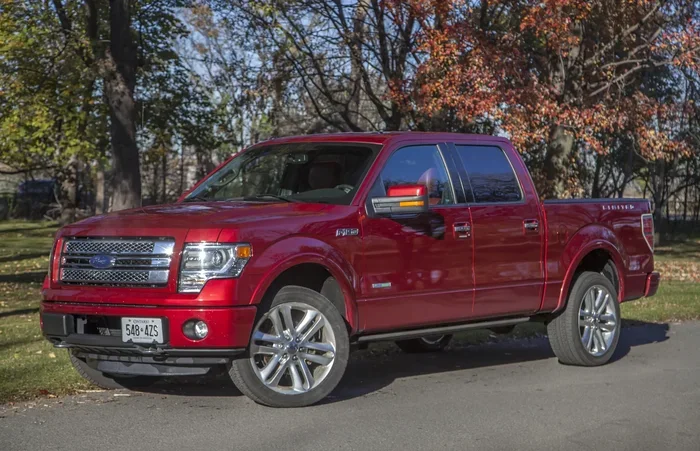
The 2014 Ford F-150 had several important recalls that affected everything from the engine and transmission to airbags and electrical systems. Owners should check their Vehicle Identification Number (VIN) on the NHTSA website to see if their specific truck is impacted. Most recall repairs are completed for free at authorized Ford dealers, making it essential to stay up to date on your truck’s recall status.
Key Takeaways
- Multiple recalls exist for the 2014 Ford F-150: covering engine, transmission, airbag, and electrical components.
- Check your VIN online: the NHTSA website and Ford’s official site let you look up recall status quickly.
- Recall repairs are free: authorized Ford dealers handle all recall fixes at no cost to the owner.
- Some recalls are safety-critical: especially airbag and brake-related issues that need immediate attention.
- Act quickly: delaying recall repairs can put your safety and resale value at risk.
- Stay informed: sign up for Ford recall alerts to catch new notices as they are issued.
📑 Table of Contents
- Are There Any Recalls on 2014 Ford F-150?
- Major Recalls Affecting the 2014 Ford F-150
- How to Check if Your 2014 F-150 Is Affected
- What to Do If Your Truck Has an Active Recall
- Common Mistakes F-150 Owners Make with Recalls
- Tips for Keeping Your 2014 F-150 Safe and Reliable
- Final Thoughts on 2014 Ford F-150 Recalls
Are There Any Recalls on 2014 Ford F-150?
Yes, there are recalls on the 2014 Ford F-150. If you own or are thinking about buying one of these trucks, you need to know what recalls exist and what they mean for your vehicle. The 2014 F-150 was a popular model year, and with popularity comes scrutiny from safety regulators. The National Highway Traffic Safety Administration (NHTSA) has issued several recall notices for this truck over the years.
Recalls happen when a manufacturer or a safety agency identifies a defect that could affect driver safety, vehicle performance, or reliability. The good news is that Ford takes recalls seriously and provides free repairs through its dealer network. Whether it is a small electrical glitch or a major powertrain concern, every recall matters. Knowing what is out there helps you stay safe on the road and keep your truck running strong for years to come.
In this guide, we break down every major recall associated with the 2014 Ford F-150. We will cover what each recall involves, how to check if your truck is affected, and what steps you should take right now. Do not skip this read if you own a 2014 F-150 — the information could save you from costly repairs or, worse, a dangerous situation on the highway.
Why Recalls Matter for Your Truck
Some truck owners ignore recalls. They think the issue is minor or that they will deal with it later. That is a mistake. Recalls are issued because a defect has been identified that could lead to equipment failure, reduced safety, or even accidents. The 2014 Ford F-150 recall list includes issues that range from inconvenient to genuinely dangerous.
When a recall is active, the manufacturer bears the full cost of the repair. You do not pay a dime. This means there is zero reason to delay. Also, an unrepaired recall can hurt your truck’s resale value. Buyers look for clean history, and an outstanding recall is a red flag. Stay on top of your recall status and keep your truck safe and valuable.
Major Recalls Affecting the 2014 Ford F-150
The 2014 Ford F-150 has been subject to several significant recall campaigns. Each one targets a specific component or system. Below, we detail the most important recalls that F-150 owners should know about. Understanding these recalls helps you take quick action if your truck is affected.
Engine and Powertrain Recalls
The 2014 F-150 comes with several engine options, including the 4.6-liter V8, 5.0-liter V8, and the 3.5-liter EcoBoost V6. Some of these engines were subject to powertrain recalls that affected performance and reliability. One notable issue involved the F-150 transmission in certain configurations, where the transmission control module could malfunction.
When the transmission control module fails, it can cause harsh shifting, unexpected gear changes, or even a loss of power while driving. These are not just inconveniences — they are safety hazards. Ford issued recall campaigns to update or replace the affected modules. If your 2014 F-150 has the EcoBoost engine, pay special attention to any engine cooling system recalls as well, since the turbocharged engine runs hotter and has unique cooling requirements.
Airbag and Safety System Recalls
Airbag recalls are among the most serious concerns for any vehicle owner. The 2014 Ford F-150 was affected by airbag-related recalls that involved the driver-side and passenger-side airbag modules. In some cases, the airbag inflator could rupture upon deployment, sending metal fragments into the cabin. This is a life-threatening issue that demands immediate attention.
Ford worked closely with NHTSA to address these airbag concerns through replacement programs. The recall affected specific production dates and VIN ranges, so not every 2014 F-150 is impacted. However, if your truck falls within the affected range, do not drive the vehicle until the recall repair is completed. Airbag safety is not something to take lightly. Also, check for any seat belt pretensioner recalls that may apply to your specific model.
Electrical System and Wiring Recalls
The 2014 F-150 has a complex electrical system that controls everything from the infotainment center to the power windows and mirrors. Ford issued recalls related to wiring harness issues that could cause short circuits or intermittent electrical failures. In some trucks, the wiring harness under the hood could chafe against metal components, leading to exposed wires and potential fire risks.
Electrical problems in trucks are more than just annoying — they can be dangerous. A short circuit in the wrong place can cause smoke, fire, or a complete electrical system failure while driving. Ford’s recall program addresses these wiring harness concerns by inspecting and replacing the affected components. If you notice flickering lights, blown fuses, or unusual smells from the electrical system, check your recall status immediately.
Brake System Recalls
Brakes are the most critical safety system on any vehicle, and the 2014 Ford F-150 was not exempt from brake-related recalls. Some trucks were affected by brake booster issues that could reduce braking power or cause a spongy pedal feel. In certain conditions, the brake booster could fail to provide proper vacuum assist, making it harder to stop the truck quickly.
Ford addressed this through recall campaigns that involved inspecting and replacing the faulty brake booster components. If your 2014 F-150 has been pulling to one side, making unusual noises when braking, or requiring more effort to stop, a recall-related brake issue could be the cause. Do not wait — get your truck checked. Also, consider reviewing general Ford F-150 brake maintenance tips to keep your stopping power in top shape.
Fuel System Recalls
Fuel system recalls are another category that affected the 2014 F-150. In some cases, the fuel pump or fuel tank components did not meet safety standards and could lead to fuel leaks. A fuel leak in any vehicle is a serious fire hazard, and the F-150 is no exception.
Ford issued recall notices for specific fuel system components that needed inspection and replacement. These recalls targeted trucks with certain production dates and engine configurations. If you own a 2014 F-150, checking the fuel system recall status should be a priority. A simple visit to the dealer can confirm whether your truck needs the repair.
How to Check if Your 2014 F-150 Is Affected
Knowing about recalls is one thing. Finding out if your specific truck is affected is another. The process is straightforward, and every F-150 owner should do it regularly. Here is how you can check your 2014 Ford F-150 for outstanding recalls.
Step 1: Find Your VIN
Your Vehicle Identification Number is the key to unlocking recall information. You can find the VIN on the driver’s side dashboard, on the door jamb sticker, or on your vehicle registration and insurance documents. The VIN is a 17-character code that uniquely identifies your truck.
Step 2: Visit NHTSA.gov
The NHTSA website has a powerful recall lookup tool. Simply enter your VIN on the NHTSA recall search page, and the system will show you all active and completed recalls for your specific vehicle. This is the most reliable and comprehensive source for recall information. Make this a habit — check at least twice a year.
Step 3: Contact Your Ford Dealer
Your local Ford dealership can also look up recall information using your VIN. They have access to Ford’s internal recall database and can schedule any necessary repairs. Many dealers will even check recalls during routine service visits, so it is worth asking every time you bring your truck in.
Step 4: Sign Up for Ford Recall Alerts
Ford offers recall notification services through its website and mobile app. By registering your vehicle, you will receive alerts whenever a new recall is issued for your F-150. This proactive approach ensures you never miss a recall notice. Staying informed is one of the best things you can do as a truck owner.
What to Do If Your Truck Has an Active Recall
If you discover that your 2014 Ford F-150 has an active recall, do not panic. The process is simple and the repair is free. Here is exactly what you need to do.
Contact the Dealer
Call your nearest Ford dealership and provide them with your VIN. They will confirm the recall and schedule a service appointment. Most recall repairs take between one and three hours, depending on the complexity of the issue.
Do Not Delay the Repair
Some owners postpone recall repairs because they are busy or do not consider the issue serious. This is risky. Every recall exists for a reason, and delaying the repair puts you and others on the road at risk. If the recall involves airbags, brakes, or fuel systems, treat it as urgent.
Keep Documentation
After the recall repair is completed, make sure you receive documentation from the dealer. This proves the recall was addressed, which is valuable for resale and warranty purposes. Keep these records in your truck’s service folder alongside other maintenance records.
Check for Additional Recalls
Sometimes fixing one recall reveals another issue. After completing a recall repair, ask the dealer to run a full recall check again. This ensures your truck is completely clear of any outstanding recalls.
Common Mistakes F-150 Owners Make with Recalls
Avoid these common mistakes that many 2014 F-150 owners make when dealing with recalls. Learning from others’ errors can save you time, money, and stress.
- Assuming recalls are only for new vehicles: Recalls can be issued years after a vehicle is sold. The 2014 F-150 is still eligible for recall repairs.
- Ignoring recall notices in the mail: Ford sends recall notices by mail, but many owners throw them away. Read every notice you receive.
- Thinking the repair is too expensive: Recall repairs are always free. Never pay out of pocket for a recall fix.
- Buying a used 2014 F-150 without checking recalls: Always run a VIN check before purchasing a used truck to avoid inheriting unresolved recalls.
- Waiting for the dealer to contact you: Not all owners receive recall notices. Take the initiative and check yourself regularly.
Tips for Keeping Your 2014 F-150 Safe and Reliable
Beyond recalls, keeping your 2014 F-150 in top shape requires regular maintenance and awareness. Here are some practical tips that every owner should follow.
- Stay current with oil changes: Regular oil changes keep your engine running smoothly and extend its lifespan.
- Check your fluids regularly: Transmission fluid, brake fluid, and coolant all play vital roles in truck safety.
- Inspect your tires: Worn tires reduce traction and increase stopping distances. Check tread depth monthly.
- Keep your electrical system in check: If you notice flickering lights or electrical gremlins, have a technician inspect the wiring.
- Drive safely: Using proper lighting, maintaining safe following distances, and avoiding distractions all contribute to safe driving. Make sure your high beams work correctly and use them when appropriate for nighttime driving — you can learn more about proper high beam usage on the road.
- Follow the maintenance schedule: Ford’s recommended maintenance schedule covers all the essentials. Stick to it and your F-150 will reward you with years of reliable service.
Taking a proactive approach to truck maintenance goes hand in hand with staying on top of recalls. Both practices work together to keep your 2014 F-150 safe, reliable, and road-ready. Small habits add up to big benefits over time.
Final Thoughts on 2014 Ford F-150 Recalls
The 2014 Ford F-150 is a capable and popular truck, but like any vehicle, it has had its share of recalls. From engine and transmission issues to airbag and brake concerns, the recall list for this model year is not empty. However, the good news is that every recall comes with a free repair solution through Ford’s dealer network.
The most important thing you can do as a 2014 F-150 owner is to stay informed and act quickly. Check your VIN regularly, sign up for recall alerts, and never ignore a recall notice. Your safety and the safety of everyone on the road depend on it. A few minutes of effort today can prevent serious problems tomorrow.
If you have not checked your 2014 F-150 for recalls recently, now is the perfect time. Visit NHTSA.gov, enter your VIN, and find out what needs attention. Taking this simple step could make all the difference in keeping your truck safe and running at its best.
Frequently Asked Questions
How do I know if my 2014 Ford F-150 has an open recall?
Visit NHTSA.gov and enter your 17-digit VIN into the recall lookup tool. The site will show all active and completed recalls for your specific vehicle. You can also contact your local Ford dealer or check the Ford website for recall information.
Are recall repairs free for the 2014 Ford F-150?
Yes, all recall repairs are completely free. Ford covers the cost of parts and labor for any recall-related repair. You should never pay out of pocket for a recall fix, regardless of how old your truck is.
Can I still drive my 2014 F-150 if it has an active recall?
In most cases, yes, but it depends on the severity of the recall. For critical safety recalls like airbag or brake issues, Ford may advise you not to drive the vehicle until the repair is completed. Always read the recall notice carefully and follow the manufacturer’s guidance.
How long does a recall repair take for the 2014 F-150?
Most recall repairs take between one and three hours. Simple electrical or software updates can be completed in under an hour. More complex recalls involving component replacement may take longer. Call your dealer ahead of time to get an estimated time frame.
What happens if I sell my 2014 F-150 with an unresolved recall?
Unresolved recalls can complicate a sale and reduce your truck’s resale value. Buyers may be hesitant to purchase a vehicle with outstanding safety recalls. Completing all recall repairs before selling makes your truck more attractive and safer for the next owner.
Will Ford issue new recalls for the 2014 F-150 in the future?
It is possible. Manufacturers can issue new recalls at any time as new defects are discovered. Stay registered with Ford’s recall notification system and check NHTSA regularly. Even older model years like the 2014 F-150 can receive new recall notices years after production ended.
=== CONCLUSION ===
The 2014 Ford F-150 remains a strong and popular truck, but knowing about the recalls is essential for every owner. Recalls on the 2014 Ford F-150 cover engine, transmission, airbag, electrical, brake, and fuel system components. Each one exists to address a safety or reliability concern that Ford identified during production or after the truck reached owners.
The best approach is simple: check your VIN regularly, stay informed, and act quickly on any recall notice. Ford provides free repairs through its dealer network, so there is no excuse to delay. By staying proactive, you protect yourself, your passengers, and the long-term value of your truck.
Take five minutes today to run your VIN through the NHTSA recall tool. It is one of the easiest and most important things you can do as a 2014 F-150 owner. Your truck has served you well — give it the attention it deserves and keep it safe for many miles to come.