At What Speed Is Pre-Collision Assist Active Explained
Pre-Collision Assist activates at various speeds depending on the vehicle and system design. Most systems engage from as low as 3 mph up to highway speeds above 100 mph. Understanding your car’s pre-collision assist speed range helps you drive safer and avoid accidents.
You buckle up. You adjust your mirrors. You hit the road. But how much do you really know about the safety systems working quietly behind the scenes? One of the most important features in modern cars is Pre-Collision Assist. It watches the road for you. It warns you of danger. And in many cases, it can even hit the brakes before you do.
But here is the big question: at what speed is pre-collision assist active? The answer is not as simple as you might think. Different cars use different speed ranges. Some systems kick in at very low speeds in city traffic. Others work at full highway speeds. In this article, we break it all down. You will learn exactly how this driver assistance technology works, when it activates, and what it means for your safety on the road.
Whether you drive a new sedan or a family SUV, understanding your collision warning system can make a real difference. Let us dive in.
Key Takeaways
- Low-Speed Activation: Pre-collision assist often works at speeds as low as 3 mph in stop-and-go traffic.
- Highway Coverage: Many systems remain active well above 60 mph and up to 100+ mph.
- System Variations: Different brands set different speed thresholds for automatic braking.
- Driver Awareness: Pre-collision assist supports but does not replace safe driving habits.
- Automatic Emergency Braking: This feature often works alongside pre-collision assist for added protection.
- Regular Maintenance: Keeping sensors clean ensures your system works at all speeds.
📑 Table of Contents
- What Is Pre-Collision Assist and How Does It Work?
- At What Speed Is Pre-Collision Assist Active?
- Low-Speed Pre-Collision Assist: What to Expect
- Highway Speeds and Pre-Collision Assist Activation
- Which Vehicles Offer Pre-Collision Assist?
- Getting the Most Out of Your Pre-Collision Assist System
- Common Myths About Pre-Collision Assist Speed Ranges
- Conclusion
What Is Pre-Collision Assist and How Does It Work?
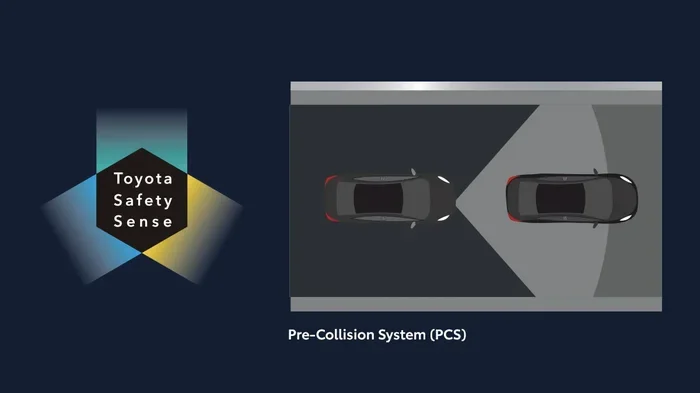
Pre-Collision Assist is a safety feature found in many modern vehicles. It uses cameras, radar, and sensors to monitor the road ahead. The system looks for potential obstacles like other cars, pedestrians, or even cyclists. When it detects a possible crash, it alerts the driver. If the driver does not react, the system can apply the brakes automatically.
This technology is also known by other names. Some brands call it automatic emergency braking. Others refer to it as a pre-collision system or collision mitigation. But they all serve the same purpose: to help you avoid or reduce the severity of a crash.
The system relies on a vehicle speed sensor and forward-facing cameras. These components work together to measure distance and relative speed. They calculate whether a collision is likely. If the risk is high, the system springs into action.
Think of it as an extra set of eyes on the road. It does not replace your attention. But it adds a powerful layer of crash prevention that can save lives.
Key Components of Pre-Collision Assist
- Radar Sensors: These detect objects ahead and measure their distance and speed relative to your car.
- Cameras: Forward-facing cameras identify lanes, vehicles, pedestrians, and road signs.
- Control Module: The brain of the system. It processes data from sensors and decides when to warn or brake.
- Braking System: The brake support mechanism that applies force when the driver does not respond in time.
All of these parts work together seamlessly. The whole process happens in fractions of a second. That is faster than most human reaction times.
At What Speed Is Pre-Collision Assist Active?
So, at what speed is pre-collision assist active? The answer depends on your vehicle, the system brand, and the driving conditions. Most modern systems activate across a wide range of speeds. But the exact range varies from one car to the next.
Here is a general breakdown of how pre-collision assist speed ranges typically work:
- Low-Speed Range (3 mph to 20 mph): This range is common in city driving. The system watches for slower-moving or stopped vehicles. It is especially useful in traffic jams and parking lots.
- Mid-Speed Range (20 mph to 60 mph): This covers most suburban and rural driving. The system monitors for vehicles merging, cutting in, or slowing down ahead.
- High-Speed Range (60 mph to 120+ mph): Many systems remain active at full highway speeds. This is critical for high-speed collision avoidance.
The pre-collision assist speed range is designed to cover nearly every driving scenario. Whether you are crawling through downtown traffic or cruising on the interstate, the system is likely watching over you.
However, some systems have specific thresholds. For example, a particular model might only engage automatic emergency braking above 10 mph. Others might deactivate above 90 mph. Always check your vehicle manual for exact details.
Why Speed Range Matters
The speed range matters because crashes happen at all speeds. Low-speed fender benders in parking lots are common. High-speed highway collisions can be deadly. A system that only works at one speed range leaves you vulnerable in other situations. A broad collision warning system speed range gives you protection everywhere.
Low-Speed Pre-Collision Assist: What to Expect
Low-speed driving presents unique risks. Stop-and-go traffic, crowded parking lots, and city streets all create opportunities for minor but annoying collisions. This is where low-speed pre-collision assist shines.
Many systems activate at speeds as low as 3 mph. They can detect vehicles that suddenly stop or pull out in front of you. In some cases, they can even detect pedestrians stepping off curbs.
Here is what typically happens in low-speed situations:
- The system detects a potential obstacle ahead.
- It issues a visual and audible warning to the driver.
- If the driver does not brake, the system applies partial or full braking.
- The vehicle slows or stops to avoid or reduce the impact.
This is incredibly helpful in daily driving. Think about rushing through a busy downtown intersection. Or pulling out of a parking space when a cart rolls toward your car. The braking assist can make the difference between a scare and a dent.
Does Low-Speed Assist Work in Reverse?
Some vehicles now offer rear pre-collision assist. This feature works when you are backing up. It uses the same sensors to detect objects behind the car. The speed range for reverse assist is usually lower, often under 10 mph. But it is a valuable addition, especially for families with young children or tight garage spaces.
Highway Speeds and Pre-Collision Assist Activation
Highway driving brings its own challenges. Speeds are higher. Reaction times need to be faster. And the consequences of a collision are often more severe. This is why highway-speed pre-collision assist is so important.
Most advanced systems remain fully active at highway speeds. They monitor traffic flow, detect sudden slowdowns, and can apply emergency braking if needed. Some systems even work in conjunction with adaptive cruise control to maintain a safe following distance.
Here is what you should know about pre-collision assist at higher speeds:
- Detection Range: At highway speeds, sensors can detect objects up to 500 feet ahead. This gives the system more time to react.
- Braking Force: The system applies stronger braking at higher speeds to compensate for greater momentum.
- Multiple Scenarios: The system can respond to stopped vehicles, slow-moving traffic, and sudden lane intrusions.
- Pedestrian Detection: Many systems also detect pedestrians crossing highways or walking along the roadside.
The pre-collision assist speed range at highway levels can extend beyond 100 mph in some luxury and advanced safety vehicles. This means you get protection whether you are driving 65 on a suburban freeway or 80 on an open interstate.
What Happens When the System Activates at High Speed?
When a high-speed collision threat is detected, the system acts fast. First, it warns you with flashing lights and loud alerts. If you do not respond, it begins applying the brakes. In many vehicles, the system will also tighten seatbelts and prepare the airbags for deployment.
This full sequence can happen in under a second. It is designed to give you the best possible chance of avoiding a crash or reducing its severity.
Which Vehicles Offer Pre-Collision Assist?
Pre-collision assist is no longer limited to luxury cars. Many manufacturers now offer this safety feature across their lineup. Here are some of the most well-known systems on the market:
| Manufacturer | System Name | Low-Speed Range | High-Speed Range |
|---|---|---|---|
| Toyota | Toyota Pre-Collision System | 3 mph | Up to 110 mph |
| Honda | Honda Collision Mitigation Braking System | 5 mph | Up to 100 mph |
| Ford | Ford Pre-Collision Assist with AEB | 3 mph | Up to 120 mph |
| Chevrolet | Chevrolet Forward Collision Alert | 5 mph | Up to 100 mph |
| Nissan | Nissan Intelligent Forward Collision Warning | 3 mph | Up to 90 mph |
| BMW | BMW Active Protection System | 5 mph | Up to 130 mph |
As you can see, there is a lot of variation. Some systems start at 3 mph, while others begin at 5 mph. Highway ranges also differ. This is why it is so important to know the specifics of your own vehicle.
When shopping for a used or new car, always ask about the pre-collision assist speed range. A car with a wide activation range offers better overall protection. It covers more driving scenarios and gives you peace of mind in more situations.
Getting the Most Out of Your Pre-Collision Assist System
Having pre-collision assist is great. But knowing how to use it properly makes an even bigger difference. Here are some practical tips to help you get the most from your system.
Keep Your Sensors Clean
The cameras and radar sensors that power your collision warning system need a clear view of the road. Dirt, snow, ice, and even heavy rain can block or confuse them. After a snowstorm or a long road trip through mud, take a moment to clean the sensors near your windshield and bumper.
Understand the Warning Signals
Every vehicle is slightly different. Learn what your specific system’s warnings look and sound like. Some use a red flashing light. Others use a chime or a voice alert. When you recognize these signals quickly, you can respond faster and stay safer.
Do Not Rely on It Completely
This is a crucial point. Pre-collision assist is a safety aid, not a replacement for attentive driving. The system can help you avoid a crash. But it cannot read your mind or predict every situation. Always keep your eyes on the road, your hands on the wheel, and your mind on driving.
Keep Software Updated
Many modern vehicles receive over-the-air software updates. These updates can improve your automatic emergency braking performance and expand the pre-collision assist speed range. Check with your dealer or manufacturer about available updates for your vehicle.
Know When the System May Deactivate
Certain conditions can cause the system to temporarily deactivate. Heavy rain, fog, or snow can confuse the sensors. Driving on steep hills or sharp curves may also cause brief interruptions. When the system is off, a warning light will usually appear on your dashboard. Be extra cautious during these times.
Regular Maintenance Matters
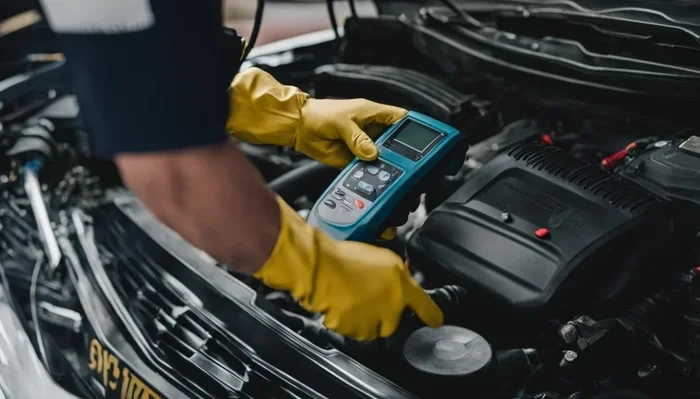
Like any other car system, pre-collision assist needs regular maintenance. Radar sensors can become misaligned after a bumper repair. Cameras can lose calibration after a windshield replacement. Always have these systems checked after any front-end work on your vehicle.
Common Myths About Pre-Collision Assist Speed Ranges
There are several myths floating around about pre-collision assist. Let us clear up a few of the most common ones.
Myth 1: Pre-collision assist only works at high speeds. False. Most systems activate at very low speeds, including when you are barely moving in traffic or parking.
Myth 2: The system will always stop your car completely. Not necessarily. Some systems can only slow the vehicle significantly. The final stopping power may still depend on your braking. But even a partial brake application can reduce crash severity.
Myth 3: All cars have the same pre-collision assist speed range. Not true. As we showed in the comparison table above, different brands and models have different ranges. Always check your specific vehicle.
Myth 4: Pre-collision assist means you do not need insurance. Absolutely not. No safety system is perfect. Insurance still protects you financially in case of an accident.
Myth 5: The system works in all weather conditions. Unfortunately, heavy rain, snow, and fog can impair sensor performance. The pre-collision assist works best in clear conditions with clean sensors.
Conclusion
So, at what speed is pre-collision assist active? The answer is: it depends on your vehicle, but most systems work from very low city speeds all the way up to highway speeds. The pre-collision assist speed range typically spans from around 3 mph to over 100 mph. This wide range gives you protection in almost every driving situation.
This safety feature is one of the most important advancements in modern driving. It watches the road. It warns you of danger. And it can even apply the brakes when you cannot react in time. From stop-and-go traffic to open highway cruising, pre-collision assist works to keep you and your passengers safe.
Take the time to understand your specific vehicle’s system. Keep your sensors clean. Stay alert behind the wheel. And remember that pre-collision assist is a powerful tool, but it works best when combined with safe, attentive driving habits. Drive smart. Stay safe. Let your car help you every step of the way.
Frequently Asked Questions
Can pre-collision assist work at a complete stop?
Yes, in many vehicles the system remains active even when you are fully stopped. This is especially useful in traffic jams where cars ahead may slow or stop suddenly. Check your vehicle manual to confirm your specific system’s behavior at a standstill.
Does pre-collision assist work in the rain?
It can, but heavy rain may reduce sensor effectiveness. The cameras and radar can be affected by water on the windshield or sensors. Most systems will warn you if they deactivate due to weather conditions.
Can you turn off pre-collision assist?
Some vehicles allow you to partially or fully disable the system. However, it is generally recommended to keep it on at all times. The system provides an extra layer of protection that can help prevent accidents or reduce their severity.
What is the difference between pre-collision assist and automatic emergency braking?
Pre-collision assist is the broader system that includes warnings and alerts. Automatic emergency braking is a specific function within that system that applies the brakes automatically when the driver does not respond. They work together as part of the same safety package.
Does pre-collision assist detect motorcycles and bicycles?
Many modern systems can detect motorcycles and bicycles, but detection capabilities vary by manufacturer. Advanced systems use pattern recognition to identify two-wheeled vehicles. Always check your vehicle’s manual to see what types of obstacles your system can detect.
How often should pre-collision assist sensors be cleaned?
You should clean the sensors whenever they appear dirty or after driving through heavy rain, snow, or mud. A quick wipe with a soft cloth during regular car washes is usually enough. Keeping sensors clean ensures the system works properly at all speeds.