Does Every Car Have a Trunk Release You Need to Know
Not every car has a trunk release in the same way. While most modern vehicles include a trunk release mechanism, the type and location vary widely. Understanding your trunk release system is essential for safety, convenience, and everyday use. This guide covers everything from standard latches to emergency releases and electric openers.
Key Takeaways
- Not all cars have the same trunk release: sedan, SUV, and hatchback models use different systems.
- Emergency trunk releases are legally required in newer vehicles for safety.
- Electric trunk openers offer convenience but may need regular maintenance.
- Knowing your trunk release location can save you in emergencies.
- Regular maintenance keeps your trunk release mechanism working smoothly.
- Older vehicles may lack modern safety features like internal trunk release handles.
- Trunk release problems are often easy to fix with basic tools and knowledge.
📑 Table of Contents
- What Is a Trunk Release and Why Does It Matter?
- Types of Trunk Release Systems in Cars
- Do All Cars Have a Trunk Release?
- Emergency Trunk Release: A Life-Saving Feature
- How to Maintain Your Trunk Release Mechanism
- Common Trunk Release Problems and How to Fix Them
- Expert Tips for Choosing the Right Trunk Release System
What Is a Trunk Release and Why Does It Matter?
A trunk release is a mechanism that lets you open your car’s trunk or cargo area. It might look like a simple button, lever, or cable. But its role goes far beyond convenience. A working trunk release keeps you safe, makes loading easier, and adds value to your vehicle.
Most people never think about their trunk release until something goes wrong. Maybe the button stops working. Or maybe you are in a situation where you need to get into the trunk urgently. That is when you realize how important this small feature really is.
Trunk release systems come in many shapes and forms. Some cars use a remote key fob. Others have a button inside the cabin. And some older models rely on a physical key or a pull handle outside the car. Each type serves the same basic purpose but works differently.
In this article, we will explore whether every car has a trunk release. We will look at the different types available. We will also cover safety features like emergency releases and give you practical tips on maintenance. By the end, you will know everything you need about trunk release systems in vehicles.
Types of Trunk Release Systems in Cars
Car manufacturers use several types of trunk release systems. Each one offers a different level of convenience and security. Let us break them down so you can easily understand how they work.
Mechanical Trunk Release
A mechanical trunk release uses physical connections like cables and levers. You typically pull a handle outside the car or turn a key in the lock. This type is common in older vehicles and budget models. It is simple, reliable, and does not depend on electricity.
The downside? It is not as convenient as modern systems. You have to physically reach the trunk handle or use a key. But when it comes to durability, mechanical releases rarely fail.
Electric or Push-Button Trunk Release
Many modern cars come with a push-button trunk release. You press a button on the key fob or inside the car. Some vehicles let you wave your foot under the rear bumper to open the trunk. This is called a hands-free system.
These systems are incredibly convenient. They are also common in SUVs and sedans in the mid to high price range. However, they rely on electrical components. If the motor or sensor fails, you might get stuck. That is why regular car maintenance matters.
Remote Key Fob Trunk Release
A remote trunk release lets you open the trunk without touching the car. Most key fobs have a dedicated trunk button. This feature is especially useful when your hands are full of groceries or luggage.
Nearly all cars built after 2010 include this feature. It works through a radio signal between the fob and the car’s central locking system. It is secure, fast, and very user-friendly.
Interior Trunk Release Handle
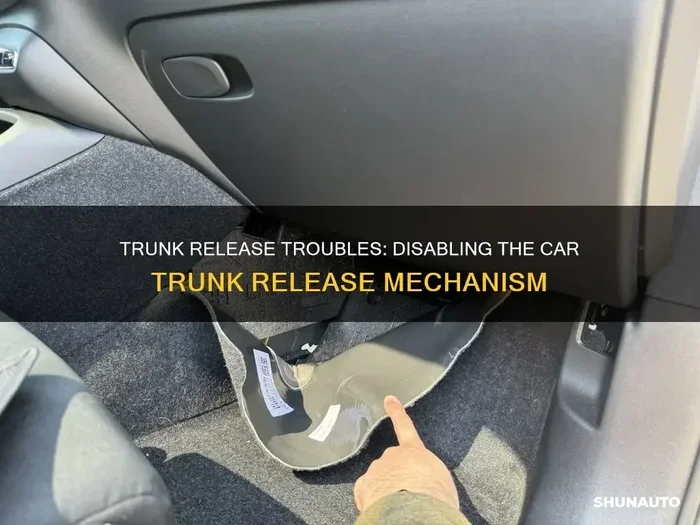
Inside the trunk, there is usually a release handle or lever. This is a safety feature. If someone gets trapped inside the trunk, they can pull this handle to escape. It is a simple but life-saving design element found in most modern cars.
Some cars have a glow-in-the-dark handle. This makes it easy to find in dark situations. Always make sure this handle works properly. It could save your life or someone else’s.
Do All Cars Have a Trunk Release?
The short answer is no. Not every car has a trunk release in the same way. The presence and type of trunk release depend on the car’s age, model, and design. Let us look at different vehicle types and what you can expect.
Sedans and Trunk Release Systems
Most sedans come with a trunk release on the key fob and inside the cabin. The trunk lid usually has a lock that can be opened with a key or remote. Newer sedans also include interior release handles for safety.
However, very old sedans from the 1970s or 1980s might only have an external lock. They may lack an interior release handle. If you own or drive a classic car, check if your trunk has a safety release inside.
SUVs and Hatchbacks
SUVs and hatchbacks often have more advanced trunk release options. Many include hands-free systems that open the trunk when you wave your foot. These vehicles also tend to have power-operated tailgates.
The trunk release mechanism in SUVs is usually more complex than in sedans. There are more moving parts, which means more things can go wrong. Regular maintenance helps prevent issues.
Older and Classic Cars
Older cars may not have a trunk release at all in the modern sense. Many classic vehicles only have an external lock. There is no interior handle or remote release. If you drive a vintage car, consider upgrading to a safer trunk system.
Classic car owners should also check local regulations. Some regions require certain safety features, including trunk releases, for a vehicle to pass inspection.
Commercial and Utility Vehicles
Trucks and vans often have different cargo access systems. They may use roll-up doors or tailgates instead of a traditional trunk. The release mechanism varies widely. Some use latches, while others use hydraulic lifts.
If you drive a commercial vehicle, understanding your cargo area release is important for daily operations. Make sure all locking and release mechanisms work properly before every trip.
Emergency Trunk Release: A Life-Saving Feature
An emergency trunk release is a safety feature designed to help people escape from inside the trunk. It is usually a bright-colored handle or lever located inside the trunk near the latch.
In many countries, laws now require emergency trunk releases in new vehicles. This rule came after tragic incidents where people, especially children, got trapped in car trunks. The release handle is easy to pull and does not require special knowledge to operate.
How Emergency Trunk Releases Work
When you pull the emergency release handle, it disengages the trunk latch. This allows the trunk to open from the inside. The mechanism is simple but effective. It uses a cable connected to the latch, similar to how a car hood release works.
Some vehicles also have glow-in-the-dark handles. These are especially helpful in low-light situations. If you ever find yourself trapped in a trunk, stay calm and look for the handle. Pull it firmly and the trunk should pop open.
Which Cars Have Emergency Trunk Releases?
Most cars sold after 2005 include an emergency trunk release. However, older models and some budget vehicles might not have one. If you are buying a used car, check the trunk to see if there is an internal release handle.
You can also install an aftermarket emergency release if your car lacks one. They are affordable and easy to fit. This small upgrade can make a big difference in an emergency situation.
How to Maintain Your Trunk Release Mechanism
Like any other car part, your trunk release needs regular care. A well-maintained system works smoothly and lasts longer. Here are some practical tips to keep your trunk release in top shape.
Regular Cleaning
Dirt and debris can build up around the trunk latch and release mechanism. Use a soft cloth and mild cleaner to wipe the area. Avoid harsh chemicals that might damage plastic or rubber parts.
For the trunk interior, consider using a 3M Car Care Kit to keep everything clean and protected. A clean trunk area also helps you spot issues early.
Lubrication
Moving parts like the trunk latch and release cable need lubrication. Apply a small amount of silicone-based lubricant every few months. This prevents rust and keeps the mechanism operating smoothly.
Avoid using WD-40 as a long-term lubricant. It can attract dirt and gum up over time. Use a dedicated lubricant designed for car mechanisms instead.
Check the Release Cable
If your car has a cable-operated trunk release, inspect the cable regularly. Look for fraying, rust, or slack. A damaged cable can make the trunk hard to open or prevent it from closing properly.
Replacing a trunk release cable is usually inexpensive. But if you ignore it, the problem can get worse and more costly over time.
Test the Electric System
For cars with electric trunk openers, test the system frequently. Make sure the button on the key fob and inside the car both work. If the trunk is slow to open or makes unusual noises, get it checked.
Also, check the battery in your key fob. A weak fob battery can cause the trunk release to malfunction. Replacing the fob battery is a quick and easy fix.
Protect the Trunk Area
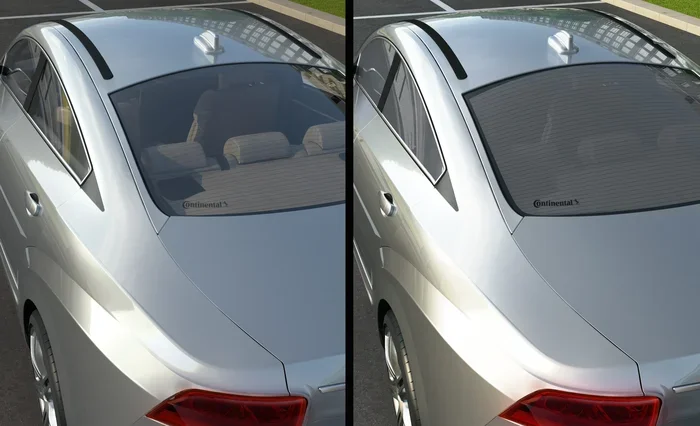
Consider installing a 3M anti-glare film on your rear windshield if your trunk area gets a lot of direct sunlight. Heat buildup can damage trunk release components over time. Protecting the interior helps extend the life of all your trunk mechanisms.
You might also want to install a 360 car security camera that covers the trunk area. This adds an extra layer of security and helps you monitor your cargo area remotely.
Common Trunk Release Problems and How to Fix Them
Trunk release problems are more common than you might think. Most issues are easy to diagnose and fix. Here are the most frequent problems and their solutions.
Trunk Release Button Not Working
If the button on your key fob or inside the car stops working, the first thing to check is the battery. Replace the fob battery and try again. If that does not work, the issue might be with the wiring or the control module.
A blown fuse could also be the culprit. Check your car’s fuse box and look for the trunk release fuse. Replacing it is simple and costs very little.
Trunk Stuck Closed
A stuck trunk can be frustrating. Often, the latch mechanism is jammed. Apply a lubricant to the latch and try opening it again. If the trunk is stuck due to a misaligned hatch, you may need to adjust the hinges.
For cars with electric openers, the motor might have failed. In this case, you can still use the key or interior release to open the trunk manually.
Trunk Release Handle Broken
If the interior release handle breaks, you will need to replace it. The handle is usually held in place by screws or clips. Removing and replacing it is a straightforward DIY job.
Make sure you buy the correct replacement part for your car model. Universal handles are available at most auto parts stores.
Trunk Opens By Itself
If your trunk opens on its own, the latch mechanism is likely worn out. The spring or locking pin may be damaged. Inspect the latch closely and replace any worn components.
This is a safety issue. An open trunk while driving is dangerous. Fix it as soon as possible to prevent accidents or cargo loss.
Expert Tips for Choosing the Right Trunk Release System
If you are buying a new car or upgrading your current one, consider the trunk release system carefully. Here are some expert tips to guide your decision.
- Look for hands-free systems if you value convenience. They make loading and unloading much easier.
- Check for an interior emergency release in every car you buy. This is a non-negotiable safety feature.
- Test all release methods before purchasing a used car. Make sure the key fob, button, and manual release all work.
- Consider a remote trunk release if your car does not have one. Aftermarket kits are affordable and easy to install.
- Read the owner’s manual to understand your specific trunk release system. Each car model has unique features and maintenance requirements.
Your trunk release system is more than just a convenience feature. It is a critical part of your car’s safety and functionality. Take the time to understand how it works and keep it in good condition.
Whether you drive a compact sedan or a large SUV, knowing your trunk release options helps you stay safe and prepared. Regular maintenance, awareness of safety features, and prompt repairs go a long way in keeping your trunk system working perfectly for years to come.
Remember, a well-functioning trunk release gives you peace of mind every time you get behind the wheel. It is one of those small car features that you do not think about until you need it. Make sure it is always ready when you do.
Frequently Asked Questions
Can I drive without a working trunk release?
Yes, you can still drive your car if the trunk release is not working. However, a malfunctioning trunk release can cause safety concerns, especially if you need to access your trunk in an emergency. It is best to fix the issue as soon as possible.
Are emergency trunk releases required by law?
In many countries, emergency trunk releases are required in new vehicles sold after 2005. However, older cars may not have this feature. If your car lacks an emergency release, you can install an aftermarket one easily and affordably.
How much does it cost to replace a trunk release mechanism?
The cost varies depending on the car model and the type of release system. A simple mechanical release handle might cost between $20 and $50. Electric trunk release motors can range from $100 to $300, including labor costs.
Can I open my trunk if the car battery is dead?
Yes, most cars have a manual trunk release that works even without battery power. Look for a mechanical key slot or an interior release handle inside the trunk. These backup methods ensure you can always access your trunk in an emergency.
What should I do if something gets stuck in my trunk latch?
Do not force the trunk open. Instead, inspect the latch area for debris or obstructions. Clean the latch gently and apply lubricant. If the problem persists, consult a mechanic to avoid causing further damage to the release mechanism.
Do all SUVs have hands-free trunk releases?
Not all SUVs have hands-free trunk releases. This feature is more common in higher trim levels and newer models. If hands-free operation is important to you, check the specifications before purchasing an SUV.
=== CONCLUSION ===
So, does every car have a trunk release? The answer depends on the car’s age, model, and design. Most modern vehicles include some form of trunk release, whether it is a remote button, a push-button system, or a manual handle. However, older cars and certain budget models may lack advanced features like interior emergency releases or hands-free openers.
Understanding your trunk release system is essential for both convenience and safety. Regular maintenance keeps the mechanism working smoothly. Knowing where the emergency release is located can save lives. And choosing the right system when buying a car ensures you get the features that match your needs.
Take a few minutes today to check your trunk release. Make sure it works properly. Clean the area. Lubricate the moving parts. These small steps go a long way in keeping your car safe and functional. A well-maintained trunk release is one of those things you appreciate every single day, even if you do not always think about it.