Electric Window Tinting Explained for Beginners and Experts
Electric window tinting is a smart technology that lets you control the darkness of your car windows with the push of a button. It uses electrochromic glass or switchable film to instantly adjust tint levels, giving you privacy, comfort, and UV protection on demand. Whether you are a beginner exploring car upgrades or an expert looking for the latest innovations, this guide covers everything you need to know about electric window tinting.
Have you ever wished you could change the tint on your car windows with the flip of a switch? That dream is now a reality thanks to electric window tinting. This innovative technology is changing the way we think about vehicle comfort, privacy, and style. If you have been curious about how it works or whether it is right for your car, you are in the right place.
Electric window tinting is not just a fancy gadget. It solves real problems like sun glare, fading interiors, and overheating dashboards. Whether you drive a compact sedan or a full-size SUV, this technology can make your daily commute more comfortable. In this guide, we will break down everything from how it works to installation costs and maintenance tips.
We wrote this article for everyone. Beginners will find clear explanations of the basics, while experts can dive into advanced details about electrochromic systems and smart glass integration. By the end, you will know exactly what electric window tinting offers and how to decide if it is worth the investment.
Key Takeaways
- Instant Control: Electric window tinting lets you adjust tint levels in seconds with a simple switch or app.
- UV and Heat Protection: It blocks harmful UV rays and reduces heat buildup inside your vehicle significantly.
- Two Main Types: Electrochromic glass and switchable tint film are the primary options available today.
- Cost Range: Prices vary widely from $200 to $2,000+ depending on the type and vehicle.
- Easy Installation: Film-based systems are DIY-friendly, while OEM glass replacements require professional help.
- Luxury Appeal: This feature adds value and a premium feel to any vehicle, from daily drivers to luxury cars.
📑 Table of Contents
- What Is Electric Window Tinting?
- Benefits of Electric Window Tinting
- Types of Electric Window Tinting Systems
- Electric Window Tinting vs. Traditional Tint Film
- Installation and Cost Considerations
- Maintenance and Care Tips
- Future of Electric Window Tinting Technology
- Is Electric Window Tinting Worth It?
- Conclusion
What Is Electric Window Tinting?
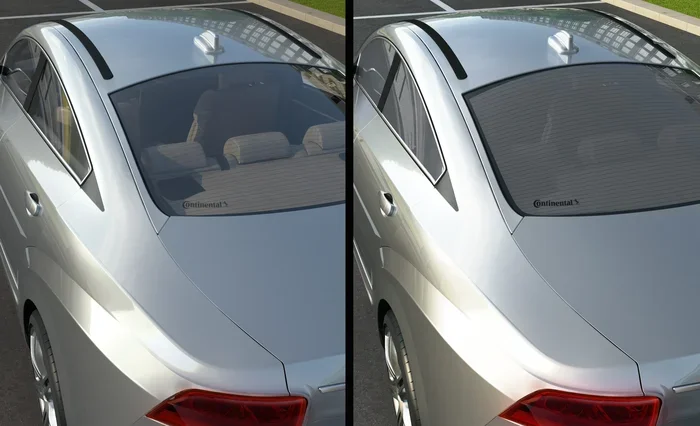
Electric window tinting is a technology that allows you to change the tint level of your car windows electronically. Instead of using static tint film that stays dark all the time, you get dynamic control. You can go from clear to dark and anywhere in between with just a press of a button.
The technology behind this is fascinating. It relies on special materials that change their opacity when an electrical current passes through them. This process is called electrochromism, and it is the same principle used in smart windows for buildings. When applied to vehicle windows, it creates what many people call switchable glass or auto-dimming windows.
There are two main ways this technology is applied to cars. The first is through built-in electrochromic glass, which comes factory-installed in some luxury vehicles. The second is through aftermarket tint film that you can apply to existing windows. Both options give you the same core benefit: on-demand tint control for your vehicle windows.
How Does the Technology Work?
Electrochromic glass contains thin layers of special materials, often including tungsten oxide. When a small voltage is applied, ions move between these layers. This movement changes the glass from clear to tinted. The process is reversible, meaning you can switch back and forth as often as you want.
Switchable tint film works similarly but in a thinner, adhesive form. The film contains liquid crystal molecules that align or scatter when electricity is applied. When they align, light passes through clearly. When they scatter, the window appears tinted. This happens in seconds and uses very little power from your car battery.
Benefits of Electric Window Tinting
So why should you consider electric window tinting for your vehicle? The benefits go far beyond looking cool. Let us explore the real advantages that make this technology worth your attention.
Superior UV Protection
One of the biggest advantages of electric window tinting is its ability to block harmful UV rays. Standard car windows block some UV radiation, but not enough. Prolonged exposure to UV rays can cause skin damage and accelerate aging. With electric tint, you can increase protection instantly when the sun is strongest.
Many electric tint systems block up to 99 percent of UV radiation. This level of protection helps keep your skin safe during long drives. It also protects your children and pets who sit in the back seat. Over time, this can reduce your risk of skin conditions linked to sun exposure.
Heat Rejection and Thermal Comfort
Have you ever sat in a hot car and waited for the AC to finally cool things down? Electric window tinting helps with that. By adjusting the tint level, you can reduce the amount of solar heat entering your vehicle. This means a cooler cabin from the moment you sit down.
Thermal comfort is a huge factor in driving safety and enjoyment. When you are too hot, you get fatigued faster. Electric tint lets you maintain a comfortable temperature without cranking the AC to maximum. Over time, this can even improve your fuel efficiency because the AC does not work as hard.
Glare Reduction for Safer Driving
Sun glare is one of the most common causes of temporary blindness while driving. Electric window tinting lets you dim your windows instantly when the sun hits at a bad angle. This quick response can make a real difference in safety, especially during sunrise and sunset drives.
Glare reduction also means less eye strain on long road trips. You arrive at your destination feeling less tired and more alert. For drivers who spend hours on the highway, this benefit alone can justify the cost of the system.
Privacy on Demand
Privacy is another major reason people choose electric window tinting. You can keep your windows clear during the day for visibility and switch to dark tint when you park or drive at night. This flexibility is something traditional tint film cannot offer.
Whether you are carrying valuable items in your car or simply prefer a more private driving experience, on-demand privacy is incredibly convenient. You do not have to worry about tint laws because you can adjust the level to stay within legal limits at all times.
Interior Protection and Longevity
The sun does more than just make your car hot. It fades your dashboard, seats, and trim over time. Electric window tinting helps preserve your interior by blocking the solar energy that causes fading. You can keep your car looking newer for longer with this simple upgrade.
Dashboard fade is a common complaint among car owners in sunny climates. Electric tint gives you the power to protect your interior proactively. Instead of relying on sun shades that are bulky and inconvenient, you get seamless, built-in protection.
Types of Electric Window Tinting Systems
Not all electric window tinting systems are the same. Understanding the different types helps you make the right choice for your vehicle and budget. Let us look at the main options available today.
OEM Electrochromic Glass
OEM electrochromic glass comes pre-installed in the vehicle from the factory. This is the premium option found in luxury brands like Mercedes-Benz, Tesla, and Genesis. The glass is integrated into the window system during manufacturing, so it looks seamless and factory-quality.
These systems are controlled through the vehicle’s infotainment system or a dedicated switch. They offer the smoothest tint transition and the most reliable performance. However, they come at a premium price, often adding thousands of dollars to the vehicle cost.
Aftermarket Switchable Tint Film
Aftermarket switchable tint film is the most accessible option for most car owners. This film is applied to the inside of existing windows using adhesive. It connects to a small control box and power source, allowing you to change the tint level electronically.
The film is available in various sizes to fit different window shapes. Installation can be done professionally or as a DIY project for those who are handy. Prices for aftermarket systems range from about $200 to $800 per vehicle, making them much more affordable than OEM options.
PDLC (Polymer Dispersed Liquid Crystal) Film
PDLC film is another popular option for electric window tinting. It uses liquid crystals suspended in a polymer matrix. When electricity is applied, the crystals align and the film becomes transparent. When the power is off, the crystals scatter light and the film appears frosted or tinted.
PDLC film is commonly used in both automotive and architectural applications. It offers a distinct frosted look when activated that many people find stylish. It is also slightly less expensive than full electrochromic systems, making it a popular mid-range option.
SPD (Suspended Particle Device) Technology
SPD technology uses tiny suspended particles in a liquid layer. When no voltage is applied, the particles are randomly oriented and block light. When voltage is applied, the particles align and allow light to pass through. SPD windows can tint from clear to dark very quickly.
This technology is often used in premium automotive applications. It offers fast response times and excellent tint range. However, SPD systems tend to be more expensive than PDLC options and are less commonly available for aftermarket installation.
Electric Window Tinting vs. Traditional Tint Film
It is natural to wonder how electric window tinting compares to traditional static tint film. Both have their place, but they serve very different needs. Let us break down the key differences.
| Feature | Electric Window Tinting | Traditional Tint Film |
|---|---|---|
| Adjustability | Fully adjustable, on demand | Fixed tint level |
| UV Protection | Up to 99% blocking | Varies by film quality |
| Heat Rejection | Excellent, adjustable | Good, fixed level |
| Privacy Control | Instant switch between clear and dark | Always the same level |
| Cost | Higher upfront cost | Lower upfront cost |
| Installation | More complex, may need pro | Simple, DIY possible |
| Durability | Long-lasting, no bubbling | May bubble or fade over time |
| Aesthetic Appeal | Premium, modern look | Standard tinted appearance |
The table above shows that electric window tinting offers far more flexibility than traditional film. However, traditional tint is still a solid choice if you want a simple, affordable solution. Many car owners choose a combination: traditional tint on the rear windows and electric tint on the front for the best of both worlds.
Which One Is Right for You?
Your choice depends on your budget, your vehicle, and your priorities. If you want maximum control and do not mind a higher investment, electric window tinting is the way to go. If you want a quick, budget-friendly upgrade, traditional tint film still delivers great results.
Consider how you use your car. Do you drive in intense sun regularly? Do you value privacy? Do you want to protect your interior long-term? Answering these questions will help you decide which option fits your lifestyle best.
Installation and Cost Considerations
Understanding the installation process and costs is crucial before you commit to electric window tinting. The experience varies significantly depending on the type of system you choose.
OEM Glass Replacement Cost
If your vehicle supports OEM electrochromic glass, replacing or upgrading to this feature can be expensive. Expect to pay anywhere from $1,000 to $2,500 per window for OEM smart glass. For a full set of front windows, the total cost can reach $3,000 to $5,000 or more.
However, OEM systems come with the advantage of seamless integration. The glass looks and feels like factory-standard equipment. The controls are built into your vehicle’s existing interface, so there is no visible extra hardware.
Aftermarket Film Installation Cost
Aftermarket electric tint film is much more affordable. A complete kit for a standard sedan typically costs between $200 and $600. SUVs and larger vehicles with more glass surface area may cost $600 to $1,200 for a full kit.
Professional installation adds another $100 to $300 depending on your location and the complexity of the job. Some people choose to install the film themselves, which saves money but requires patience and attention to detail. If you have experience with window film installation, the DIY route is very doable.
DIY vs. Professional Installation
DIY installation of aftermarket electric tint film is possible but comes with challenges. You need to ensure the glass is perfectly clean before applying the film. Any dust or bubbles will be visible and can affect the tint performance.
Professional installers have the tools and experience to do a flawless job. They also handle the wiring and control box placement properly. If you are not comfortable working with electrical components, hiring a pro is the safer choice.
Here are some quick tips for anyone considering the DIY route:
- Work in a dust-free, temperature-controlled room.
- Use a quality squeegee to remove all air bubbles.
- Follow the manufacturer’s instructions exactly.
- Test the system before finalizing the film placement.
- Allow 24 hours for the adhesive to fully cure before rolling down the windows.
Maintenance and Care Tips
Electric window tinting systems are designed to be durable, but they still need proper care to last. Good maintenance habits will keep your system performing at its best for years.
Avoid using abrasive cleaners on your tinted windows. Stick to soft microfiber cloths and gentle, ammonia-free cleaning solutions. Harsh chemicals can damage the electrochromic coating or the tint film over time.
Check the electrical connections periodically. Make sure the control switch and wiring are secure and free from corrosion. A loose connection can cause uneven tinting or complete system failure.
If you notice any areas where the tint is not changing evenly, inspect the film for damage. Small tears or peeling edges can usually be repaired, but ignoring them can lead to bigger problems. Address issues early to avoid costly replacements.
For OEM electrochromic glass, maintenance is generally simpler. These systems are sealed inside the glass and do not require regular cleaning beyond normal window care. Just be gentle with any electronic controls and avoid applying excessive pressure to the glass edges.
Common Mistakes to Avoid
- Using high-pressure washers directly on the tinted windows.
- Ignoring unusual flickering or delayed response times.
- Applying aftermarket film over existing tint without proper preparation.
- Using the wrong power source, which can damage the system.
- Skipping the curing period and rolling down windows too soon.
Future of Electric Window Tinting Technology
The future of electric window tinting looks incredibly promising. Automakers are investing heavily in smart glass technology for the next generation of vehicles. We are seeing innovations that go beyond simple tint control.
Some manufacturers are developing windows that can generate solar energy while still providing tint control. Others are working on systems that automatically adjust tint based on sunlight intensity, without any input from the driver. This kind of smart integration could make electric tinting a standard feature rather than a luxury option.
As the technology matures, costs are expected to decrease. This means electric window tinting could become accessible to a wider range of vehicle owners within the next few years. For now, it remains a premium feature, but the trend is clearly moving toward wider adoption.
Another exciting development is the integration of electric tint with vehicle automation systems. Imagine your windows tinting automatically when you activate autopilot or when the sun sensor detects glare. These smart features are already in early development and could hit the market soon.
Is Electric Window Tinting Worth It?
After exploring all the benefits, types, costs, and future trends, the big question remains: is electric window tinting worth it? The answer depends on your priorities and budget.
If you value comfort, privacy, and interior protection, the answer is likely yes. The ability to control your window tint on demand adds a level of convenience that traditional film simply cannot match. You also get superior UV protection and heat rejection that adjusts to your needs throughout the day.
For luxury car owners, electric tinting enhances the overall driving experience and adds resale value. For daily commuters, it can make long drives more comfortable and less fatiguing. For families, the UV protection alone is a compelling reason to consider the upgrade.
On the other hand, if you are on a tight budget and just want basic tint for privacy and heat reduction, traditional film might be the better choice. Electric window tinting is an investment, and like any investment, it is important to weigh the costs against the benefits for your specific situation.
Conclusion
Electric window tinting represents a major step forward in vehicle comfort and technology. It gives you control over your driving environment in a way that was not possible just a few years ago. From superior UV protection to on-demand privacy and thermal comfort, the benefits are real and tangible.
Whether you are a beginner just discovering this technology or an expert looking to upgrade your current setup, electric window tinting has something valuable to offer. The key is understanding your options, setting a realistic budget, and choosing the right system for your vehicle and lifestyle.
Take the time to research different products, compare costs, and consider your daily driving habits. With the right approach, electric window tinting can transform your driving experience and keep your vehicle looking great for years to come. The future of smart cars includes smart windows, and electric tinting is leading the way.
Frequently Asked Questions
How long does electric window tinting last?
OEM electrochromic glass systems can last the lifetime of the vehicle, often 10 to 15 years or more. Aftermarket switchable tint films typically last 5 to 10 years with proper care. The lifespan depends on the quality of the product, installation, and how well you maintain the system.
Does electric window tinting drain the car battery?
No, electric window tinting uses very little power. The system draws minimal current, similar to a dashboard light. You will not notice any impact on your battery or fuel efficiency. Most systems are designed to operate continuously without any significant energy cost.
Is electric window tinting legal in all states?
Tint laws vary by state and country. Most regions allow adjustable tint as long as the front windshield and front side windows meet specific light transmission requirements. Check your local laws before installing any tint system to ensure compliance.
Can I install electric window tint myself?
Yes, aftermarket tint film kits are designed for DIY installation. They come with detailed instructions and all necessary tools. However, if you are not experienced with window film or electrical work, professional installation is recommended for the best results.
How fast does the tint change on electric windows?
Most electric window tinting systems transition from clear to tinted in 3 to 5 seconds. Electrochromic glass tends to be slightly slower, taking around 5 to 10 seconds for a full transition. PDLC film is among the fastest, changing almost instantly when power is applied.
What is the difference between electric tint and auto-dimming mirrors?
Auto-dimming mirrors use a different technology called photochromic or electrochromic sensors specifically for the mirror surface. Electric window tinting controls the entire window glass. They serve similar purposes of reducing glare but operate on different parts of the vehicle.