Do You Pay Insurance on a Leased Car Every Single Month
Yes, you must pay insurance on a leased car every single month. Leasing a vehicle means you do not own it, so the lessor requires leased vehicle coverage to protect their investment. Understanding car lease insurance cost and insurance requirements for leasing helps you avoid surprises and stay compliant with your lease agreement.
Do you pay insurance on a leased car? The short answer is yes. Every single month. When you lease a car, you are essentially renting it for an extended period. And just like renting an apartment means you need renters insurance, leasing a car means you need leased vehicle coverage. The lessor, the company that owns the car, wants their asset protected at all times. This is not optional. It is written right into your lease agreement.
Understanding how insurance works with a leased car can save you hundreds of dollars a year. It also keeps you out of legal trouble. Many first-time lessees do not realize the full picture until they get their first insurance bill. That bill is often higher than they expected. This guide breaks down everything you need to know about car lease insurance cost, insurance requirements for leasing, and how to keep your payments manageable.
Whether you are considering leasing your next vehicle or you already have one, this article covers the questions most people forget to ask. We will walk through the types of coverage you need, how much it costs, and smart ways to reduce your insurance premium. Let us get into it.
Key Takeaways
- Insurance is mandatory: You must carry insurance on a leased car every month, just like you would with a financed vehicle.
- Full coverage is required: Most lessors demand collision coverage, comprehensive coverage, and liability insurance with specific limits.
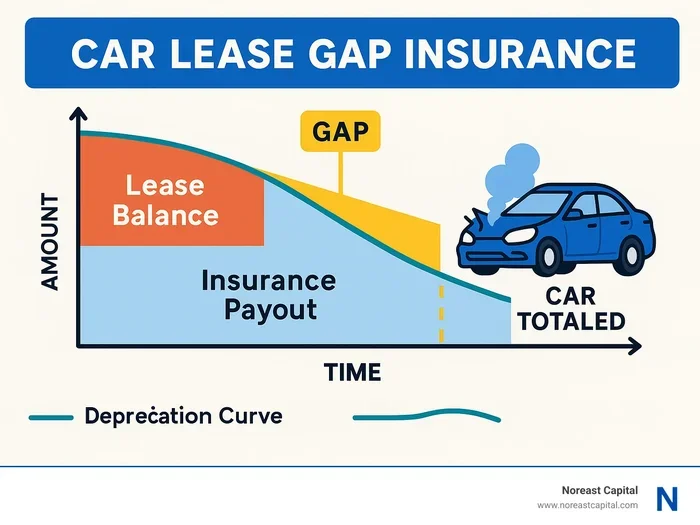
- Gap insurance is often necessary: It covers the difference between what you owe and the car’s actual cash value if the vehicle is totaled.
- You can pay monthly: Many insurers offer car insurance monthly payment options that align with your lease due date.
- Costs vary widely: Your insurance premium depends on your driving record, location, credit score, and the type of vehicle you lease.
- Lessor insurance requirements are strict: Failing to meet them can result in fees, lease termination, or the lessor adding insurance at a higher cost.
📑 Table of Contents
- Why Do You Need Insurance on a Leased Car?
- What Insurance Coverage Do You Need for a Leased Car?
- How Much Does Insurance Cost on a Leased Car?
- Can You Pay Insurance Monthly?
- What Happens If You Do Not Have Insurance on a Leased Car?
- How to Save Money on Leased Car Insurance
- Common Mistakes People Make with Leased Car Insurance
- Expert Insights on Leased Car Insurance
- Final Thoughts on Paying Insurance for a Leased Car
Why Do You Need Insurance on a Leased Car?
When you lease a car, you do not own it. The leasing company retains ownership until your lease ends. This means they have a financial stake in your vehicle at all times. If your car gets totaled in an accident, the lessor loses money. They still have a lease balance to collect from someone else or from the insurance company.
This is exactly why lease agreement insurance requirements exist. The lessor wants to make sure that if something happens to the car, the financial loss is covered. Without insurance, you would be personally responsible for the full value of the vehicle plus any remaining lease payments. That could easily cost tens of thousands of dollars.
Protection for the Lessor
The lessor is not being greedy. They are protecting their business. A leased car is an asset on their balance sheet. If that asset gets damaged or destroyed, they need a way to recover its value. Leased vehicle coverage ensures they get paid by your insurance company instead of eating the loss themselves.
Protection for You
Insurance also protects you. Without proper coverage, you could face lawsuits if you cause an accident. Medical bills, vehicle repairs, and legal fees add up fast. A solid auto insurance policy gives you peace of mind every time you get behind the wheel. It is one of the most important parts of financing a car, whether you lease or finance.
What Insurance Coverage Do You Need for a Leased Car?
Not all insurance policies are the same. When you lease a car, your lessor will specify exactly what coverage you must carry. Understanding these requirements helps you choose the right policy and avoid costly mistakes.
Liability Insurance
Liability insurance is the foundation of any auto policy. It covers damage you cause to other people or their property. Most states require a minimum amount of liability coverage. However, when you lease a car, the lessor typically requires higher limits than what the state mandates. This is standard practice.
For example, your state might only require $25,000 in bodily injury liability. But your lessor might want $100,000 or more. Always check your lease document for the specific liability insurance limits required.
Collision Coverage
Collision coverage pays for damage to your leased car from an accident, regardless of who is at fault. This is almost always required for leased vehicles. If you get into a fender bender, collision coverage pays to repair or replace the car. You will pay a deductible first, usually between $250 and $1,000.
Comprehensive Coverage
Comprehensive coverage handles damage from events other than collisions. This includes theft, vandalism, fire, flooding, and hail damage. It also covers damage from falling objects like tree branches. Lessors almost always require comprehensive coverage because it protects against a wide range of risks.
Gap Insurance
Gap insurance is one of the most important coverages for leased cars. Here is why. When your car gets totaled, your insurance company pays the actual cash value of the vehicle. But the actual cash value is almost always less than what you still owe on the lease. Gap insurance covers that difference.
For example, imagine you owe $18,000 on your lease but your car is only worth $14,000. Without gap insurance, you would owe $4,000 out of pocket. With gap insurance, the insurance company covers that gap. Many lessors include gap insurance in the lease itself, but not all do. Always verify this before signing.
Uninsured and Underinsured Motorist Coverage
This coverage protects you if you get into an accident with someone who has no insurance or not enough insurance. It pays for your medical bills and vehicle repairs. Some lessors require this coverage, and it is always a smart addition to any policy.
How Much Does Insurance Cost on a Leased Car?
The cost of insuring a leased car varies a lot. There is no single answer. Your insurance premium depends on several factors. Understanding these factors helps you budget correctly and find ways to save.
Factors That Affect Your Insurance Cost
- Your driving record: A clean driving record with no accidents or tickets keeps your rates lower.
- Your location: Urban areas with high traffic and crime rates typically have higher premiums.
- Your credit score: In most states, insurers use credit scores to determine rates. A higher score means lower payments.
- The type of vehicle: Luxury cars and sports cars cost more to insure than economy vehicles.
- Your age and gender: Younger drivers pay higher premiums. Rates typically drop after age 25.
- Your coverage limits: Higher coverage limits mean higher monthly payments but better protection.
- Your deductible: A higher deductible lowers your monthly premium but increases your out-of-pocket costs after a claim.
Average Monthly Insurance Cost for Leased Cars
On average, expect to pay between $150 and $300 per month for insurance on a leased car. This is higher than insuring a car you own outright because lessors require more coverage. Full coverage auto insurance for a leased vehicle typically costs 10 to 20 percent more than a basic policy.
The car lease insurance cost also depends on the make and model of the car. Insuring a leased Mercedes-Benz or BMW will cost significantly more than insuring a leased Honda Civic. Always get quotes from multiple insurers before signing your lease.
Can You Pay Insurance Monthly?
Yes, most insurance companies offer a car insurance monthly payment option. This is great news for lessees because it aligns with your lease payment schedule. Instead of paying a large lump sum every six months, you spread the cost over 12 months.
Many insurers also let you pay with a credit card or debit card. If you are wondering, can you pay with a card online for insurance? The answer is yes. Most major insurance companies accept online payments through their websites or mobile apps. This makes managing your monthly bills much easier.
Some lessors even require you to pay insurance through an escrow service. This means your insurance premium gets added to your monthly lease payment. The lessor then pays the insurer on your behalf. This ensures you never miss a payment, but it also means you lose some control over your insurance choices.
What Happens If You Do Not Have Insurance on a Leased Car?
Driving without insurance on a leased car is a serious risk. Here is what can happen if you let your coverage lapse.
Fees and Penalties
Most lease agreements include clauses that require continuous insurance coverage. If your policy lapses, the lessor can charge a fee. This fee can range from $50 to several hundred dollars per incident. Some leases also allow the lessor to add force-placed insurance at a much higher cost than you would pay on your own.
Lease Termination
In extreme cases, the lessor can terminate your lease early. This means you would owe the remaining balance in full. Losing a lease also damages your credit score and makes it harder to lease or finance another vehicle in the future.
Legal Consequences
Driving without insurance is illegal in most states. If you get pulled over, you could face fines, license suspension, or even vehicle impoundment. The penalties vary by state, but they are never worth the risk.
How to Save Money on Leased Car Insurance
Insurance on a leased car does not have to break the bank. There are several strategies you can use to lower your insurance premium without sacrificing coverage.
Shop Around for Quotes
Never accept the first insurance quote you get. Different insurers price policies differently. Get at least three quotes before choosing a provider. Comparison shopping can save you $50 or more per month.
Bundle Your Policies
If you also have homeowners or renters insurance, ask about bundling. Many insurers offer significant discounts when you combine multiple policies. Bundling can reduce your overall insurance cost by 10 to 25 percent.
Increase Your Deductible
A higher deductible means a lower monthly premium. If you have an emergency fund, consider raising your deductible from $250 to $500 or $1,000. Just make sure you can afford the deductible if you ever need to file a claim.
Maintain a Good Credit Score
Your credit score directly impacts your insurance rates in most states. Paying your bills on time, reducing debt, and checking your credit report for errors can all help lower your premiums over time.
Take Advantage of Discounts
Ask your insurer about every available discount. Safe driver discounts, good student discounts, and defensive driving course discounts can all add up. Some insurers also offer discounts for low-mileage drivers, which is perfect for lessees who do not put many miles on their vehicles.
Common Mistakes People Make with Leased Car Insurance
Avoid these common mistakes to keep your lease in good standing and your insurance costs low.
Assuming Your Lease Includes Insurance
Your lease does not include insurance. The lessor requires you to carry your own policy. Never assume that insurance is included in your monthly lease payment unless your contract explicitly states so.
Choosing the Minimum Required Coverage
It is tempting to choose the lowest coverage limits to save money. But minimum coverage often leaves you exposed to significant financial risk. Always carry enough coverage to protect your assets.
Letting Insurance Lapse During a Lease
Even one day without insurance can trigger fees and penalties. If you are switching insurance providers, make sure your new policy starts before your old one ends. Set calendar reminders to avoid any gaps in coverage.
Not Reading the Lease Insurance Requirements Carefully
Your lease document contains specific insurance requirements. Read them carefully before signing. If something is unclear, ask your dealer or lessor for clarification. Ignorance of the requirements is not an excuse for non-compliance.
Expert Insights on Leased Car Insurance
Insurance professionals recommend treating leased car insurance as a non-negotiable part of your monthly budget. According to industry experts, lessees should review their policies at least once a year to ensure they still meet the lessor’s requirements and their own needs.
Do you pay insurance on a leased car every month? Absolutely. And the cost is worth the protection it provides. Whether you are a first-time lessee or a seasoned driver, understanding your insurance obligations gives you confidence and financial security throughout your lease term.
If you are currently paying your car payment with a credit card, you might also want to check if your insurance provider offers similar flexibility. Many insurers now accept credit card payments, making it easier than ever to stay on top of your monthly bills.
Also, keep in mind that insurance needs can change over time. If you move to a new state, add a driver to your policy, or modify your coverage limits, your premium will adjust accordingly. Stay proactive and review your policy regularly to ensure you are getting the best value.
Final Thoughts on Paying Insurance for a Leased Car
The bottom line is simple. Yes, you pay insurance on a leased car every single month. It is a requirement, not a suggestion. The right insurance policy protects your investment, keeps you legal on the road, and gives you peace of mind.
Understanding your lease agreement insurance requirements from day one sets you up for success. Choose the right coverage levels, shop for competitive rates, and never let your policy lapse. With the right approach, insuring a leased car becomes just another routine part of vehicle ownership.
Take the time to compare quotes, ask questions, and understand your policy details. Your future self will thank you when you are driving off in your leased car with full confidence that you are properly protected.
Frequently Asked Questions
Do you have to pay insurance on a leased car?
Yes, you must pay insurance on a leased car every month. The lessor requires you to carry a minimum level of coverage as outlined in your lease agreement. Without insurance, you risk fees, lease termination, and legal consequences.
What type of insurance do you need for a leased car?
You typically need liability insurance, collision coverage, comprehensive coverage, and gap insurance. Your lessor may also require uninsured and underinsured motorist coverage. Always check your lease document for the specific requirements.
How much does insurance cost on a leased car per month?
On average, leased car insurance costs between $150 and $300 per month. The exact amount depends on your driving record, location, credit score, vehicle type, and coverage limits. Full coverage auto insurance for a leased vehicle usually costs more than insuring a car you own.
Can you pay car insurance monthly?
Yes, most insurance companies offer monthly payment plans. This aligns well with your lease payment schedule. You can often pay online using a credit card or debit card. Some lessors also require insurance payments to be included in your lease payment through an escrow service.
What happens if you let your leased car insurance lapse?
If your insurance lapses, the lessor can charge fees, add force-placed insurance at a higher cost, or even terminate your lease early. Driving without insurance is also illegal in most states and can result in fines and license suspension.
Is gap insurance required for a leased car?
Many lessors require gap insurance or include it in the lease itself. Gap insurance covers the difference between what you owe on the lease and the car’s actual cash value if it gets totaled. It is one of the most important coverages for leased vehicles.