Do Honda and Acura Use the Same OEM Replacement Parts
Yes, Honda and Acura share many OEM replacement parts because Acura is Honda’s luxury division. Many engine components, electrical systems, and structural parts are interchangeable between the two brands. However, performance upgrades and luxury-specific components differ, so always verify part compatibility before purchasing.
Key Takeaways
- Shared Parent Company: Acura is Honda’s luxury brand, so many parts overlap between the two.
- OEM Parts Compatibility: Engine, electrical, and structural parts are often interchangeable across Honda and Acura models.
- Luxury vs Performance Differences: Acura-specific parts focus on premium features that Honda models don’t share.
- Aftermarket vs OEM: Understanding the difference helps you save money without sacrificing quality.
- Part Verification Matters: Always check your vehicle’s VIN and model year before buying any replacement part.
- Cost Savings: Shared parts mean lower maintenance costs when you know what to look for.
📑 Table of Contents
- Do Honda and Acura Use the Same OEM Replacement Parts?
- The Honda-Acura Relationship: A Shared Foundation
- Which Honda and Acura Parts Are the Same?
- Where Honda and Acura Parts Differ
- OEM vs Aftermarket Parts: What You Need to Know
- How to Find the Right Part for Your Honda or Acura
- Common Mistakes to Avoid When Buying Honda and Acura Parts
- Maintenance Tips for Honda and Acura Owners
- Conclusion
Do Honda and Acura Use the Same OEM Replacement Parts?
If you own a Honda or an Acura, you have probably wondered whether the two brands share the same parts. The short answer is yes, many OEM replacement parts are shared between Honda and Acura vehicles. But the full picture is a bit more nuanced than that. Understanding what parts overlap and what doesn’t can save you time, money, and a lot of confusion at the auto parts store.
Acura is Honda’s luxury division. It was launched in 1986 to compete with brands like Lexus and Mercedes-Benz. Because Acura is built on Honda’s engineering foundation, there is a significant overlap in parts between the two brands. But that doesn’t mean every single part is identical. Let’s dive deep into how much these two brands really share.
Whether you are a DIY mechanic looking to save on repairs or just a curious car owner, this guide covers everything you need to know about Honda and Acura OEM parts compatibility. We will break down shared components, differences, and practical tips for finding the right part every time.
The Honda-Acura Relationship: A Shared Foundation
To understand why Honda and Acura parts overlap so much, you need to know how the two brands are connected. Acura is not a separate company. It is a luxury brand owned and operated by Honda Motor Company. This means that Acura vehicles are built using Honda platforms, engines, and engineering processes.
Because of this close relationship, many Honda and Acura shared components come directly from the same manufacturing lines. The parts are produced to the same quality standards and often carry the same part numbers. This is great news for owners of both brands because it means more options when searching for replacement parts.
Here are some key reasons why the two brands share so many parts:
- Shared Platforms: Many Honda and Acura models use the same vehicle platforms. For example, the Honda Accord and the Acura ILX share similar underpinnings.
- Common Engine Families: Honda’s K-series and L-series engines appear in both Honda and Acura vehicles.
- Unified Supply Chain: Honda sources parts from the same suppliers for both brands, ensuring consistency.
- Cost Efficiency: Sharing parts reduces manufacturing and inventory costs for the company.
This shared foundation is the main reason why OEM Honda and Acura parts are often interchangeable. But “often” does not mean “always,” and that is an important distinction to understand.
Which Honda and Acura Parts Are the Same?
Now let’s get into the specifics. There are several categories of parts where Honda and Acura vehicles overlap significantly. If you need a replacement in any of these areas, there is a good chance you can use a Honda part on an Acura or vice versa.
Engine and Drivetrain Components
The engine is the heart of any vehicle, and Honda keeps its powertrain parts highly standardized across brands. Many engine components like Honda genuine parts for timing belts, water pumps, and oil pans are shared between Honda and Acura models that use the same engine family.
For example, if you own an Acura TLX with a Honda-sourced engine, many of the internal engine parts are identical to what you would find in a Honda Accord with the same engine. This includes pistons, connecting rods, crankshafts, and valve trains.
When it comes to fluids, compatibility matters too. If you are wondering about oil viscosity, the same rules apply across both brands. For instance, if you are considering switching oil weights, you can check our guide on Can You Use 5W 20 Instead Of 0W 20 to understand viscosity compatibility better.
Electrical and Electronic Systems
Honda and Acura share a lot when it comes to electrical components. Battery specifications, alternators, starter motors, and wiring harnesses are frequently identical between the two brands. This is especially true for models that share the same platform and engine configuration.
Your Honda Civic and an Acura with the same electrical architecture will often use the same alternator and battery. This makes replacements straightforward and affordable. You can often buy a certified OEM part from a Honda dealer and install it on your Acura without any issues.
Body and Structural Parts
Body panels, brackets, bolts, and other structural components are another area of significant overlap. Hoods, fenders, doors, and trunk lids are frequently shared between Honda and Acura models built on the same platform.
However, there is one area where differences can appear: paint and body filler specifications. Acura vehicles sometimes use different paint codes and primer systems because of their luxury positioning. If you are dealing with collision repair, always double-check the paint code before ordering any body parts.
For touch-up paint applications, the process is similar across both brands. You can refer to our article on Do I Need To Sand Before Touch Up Paint for step-by-step guidance that applies to both Honda and Acura vehicles.
Suspension and Steering Components
Suspension parts like shock absorbers, struts, control arms, and tie rods are commonly shared between Honda and Acura models. These components are engineered to work with specific platform designs, and since many Honda and Acura vehicles share platforms, the suspension parts are often the same.
This is one of the biggest areas where you can save money. A Honda OEM strut assembly might fit your Acura perfectly, often at a lower price than the Acura-branded version of the same part.
Where Honda and Acura Parts Differ
While the overlap is significant, there are clear areas where Honda and Acura parts are not interchangeable. Understanding these differences is just as important as knowing what they share.
Luxury and Comfort Features
Acura vehicles come with premium features that Honda models do not offer. These include leather-trimmed seats, premium audio systems, heated and ventilated seats, and advanced infotainment units. The parts for these features are Acura-specific and will not work on a standard Honda model.
For example, if you need a replacement for your Acura’s leather seat heating element, a Honda part will not fit because Honda seats do not have that feature. The same goes for Acura-specific dashboard components and interior trim pieces.
Performance Upgrades and Tuning Parts
Acura models that include performance enhancements like sport-tuned suspensions, larger brakes, and upgraded exhaust systems use parts that are unique to the Acura brand. These components are designed with Acura’s performance tuning in mind and are not interchangeable with standard Honda parts.
If you own an Acura Type S model, for instance, the brake calipers and rotors are likely different from what you would find on a Honda model with a similar engine. Always verify part compatibility using your vehicle’s VIN before purchasing performance-related components.
Exterior Styling Components
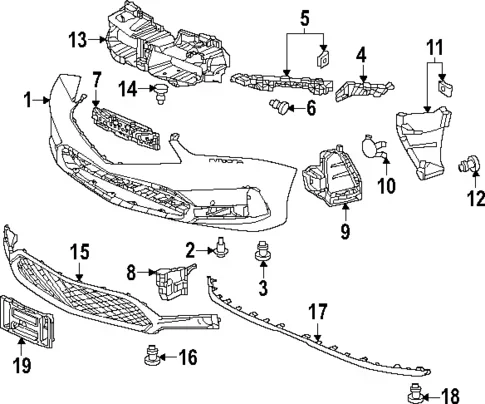
While structural body parts may be shared, exterior styling parts like bumpers, grilles, headlights, and taillights are often brand-specific. Acura vehicles have distinct styling cues that set them apart from their Honda counterparts. These cosmetic parts are designed specifically for each brand’s aesthetic and are not interchangeable.
Even if a headlight physically fits, the wiring harness and connector may differ between Honda and Acura models. Always confirm compatibility for all exterior lighting and styling components before making a purchase.
OEM vs Aftermarket Parts: What You Need to Know
When replacing parts on your Honda or Acura, you will encounter two main options: OEM (Original Equipment Manufacturer) parts and aftermarket parts. Understanding the difference is crucial for making the right choice.
OEM parts are made by the same manufacturer that produced the original part for your vehicle. For Honda and Acura, this means the part meets the exact same specifications as the factory-installed component. OEM parts carry the Honda or Acura branding and come with a warranty from the manufacturer.
Aftermarket parts are made by third-party manufacturers. They are designed to fit your vehicle but are not produced to the exact same specifications as OEM parts. Aftermarket parts are often cheaper, but quality can vary significantly between manufacturers.
Here is a quick comparison to help you decide:
- OEM Parts: Exact fit, full warranty, consistent quality, higher price point.
- Aftermarket Parts: Variable fit, limited or no warranty, inconsistent quality, lower price point.
- Remanufactured Parts: Refurbished OEM parts, moderate price, good for non-critical components.
For critical safety components like brakes, steering parts, and airbags, always choose certified OEM parts. For cosmetic or non-critical items, aftermarket parts can be a budget-friendly alternative. When cleaning and maintaining interior parts, you can use gentle household products. Check out our guide on Can I Use Dawn To Clean Faux Leather for safe and effective cleaning tips that work on both Honda and Acura interiors.
How to Find the Right Part for Your Honda or Acura
Finding the correct replacement part does not have to be a frustrating experience. Follow these practical steps to ensure you get the right part the first time.
Step 1: Check Your Vehicle Identification Number (VIN)
Your VIN is the single most important piece of information when ordering replacement parts. It tells the parts specialist your exact model, year, engine type, trim level, and manufacturing plant. This information ensures you get the part that fits your specific vehicle.
You can find your VIN on the driver’s side dashboard, on the driver’s side door jamb, or on your vehicle registration documents.
Step 2: Consult Your Owner’s Manual
Your owner’s manual contains detailed specifications for every part on your vehicle. It lists part numbers, fluid types, torque specifications, and maintenance schedules. Keep a copy in your glove box for easy reference.
Step 3: Use Honda and Acura Dealership Resources
Both Honda and Acura dealerships have access to comprehensive parts databases. You can call your local dealer with your VIN and ask them to look up the exact part number you need. Many dealers also offer online parts ordering through their websites.
Step 4: Cross-Reference Part Numbers
Because Honda and Acura share many parts, a Honda part number may also work on your Acura. Cross-referencing part numbers online or through parts catalogs can reveal cost savings. A Honda OEM part is often less expensive than the Acura-branded version of the same component.
Step 5: Consider Online Parts Retailers
Reputable online retailers like RockAuto, AutoZone, and PartsGeek carry both Honda and Acura OEM parts. These retailers often offer competitive pricing and detailed fitment guides. You can also visit Does Autozone Do A Full Diagnostic Test to learn more about getting your vehicle diagnosed before ordering parts.
Common Mistakes to Avoid When Buying Honda and Acura Parts
Even experienced car owners make mistakes when purchasing replacement parts. Here are the most common errors to avoid.
- Assuming All Parts Are Interchangeable: Just because a part fits one Honda model does not mean it fits all Acura models. Always verify compatibility.
- Ignoring Model Year Differences: Honda and Acura update their models frequently. A part from a 2018 model may not fit a 2022 model of the same vehicle.
- Skipping the VIN Check: Relying on the model name alone can lead to ordering the wrong part. Always use your VIN for precision.
- Choosing Price Over Quality for Safety Parts: Brake pads, steering components, and airbag parts should always be OEM quality.
- Not Checking Return Policies: Mistakes happen. Make sure the retailer has a generous return policy in case the part does not fit.
Maintenance Tips for Honda and Acura Owners
Keeping your Honda or Acura in top shape does not have to be complicated. Follow these simple maintenance tips to extend the life of your vehicle and reduce the need for expensive replacement parts.
First, stick to the recommended maintenance schedule. Both Honda and Acura provide detailed service intervals in the owner’s manual. Regular oil changes, brake inspections, and tire rotations go a long way in preventing major repairs.
Second, use the right fluids and filters. Honda and Acura specify exact fluid types for their engines, transmissions, and braking systems. Using the wrong fluid can cause serious damage over time. If you are unsure about fluid compatibility, consult your owner’s manual or speak with a certified technician.
Third, address small issues before they become big problems. A minor coolant leak today can turn into a major engine repair tomorrow. Catching problems early saves you money and keeps your vehicle safe on the road.
Finally, keep records of all parts replacements and service appointments. A detailed maintenance log helps you track your vehicle’s history and makes it easier to diagnose future issues. It also adds value if you decide to sell your car.
Conclusion
So, do Honda and Acura use the same OEM replacement parts? The answer is a qualified yes. Many engine, electrical, suspension, and structural parts are shared between the two brands because Acura is Honda’s luxury division. This shared foundation makes maintenance more affordable and convenient for owners of both brands.
However, luxury features, performance upgrades, and exterior styling parts are often Acura-specific and will not work on Honda models. The key is to verify compatibility using your VIN, consult reliable parts databases, and choose certified OEM parts for critical components.
Understanding the relationship between Honda and Acura parts empowers you as a vehicle owner. You can make informed decisions, save money on repairs, and keep your car running smoothly for years to come. Whether you drive a Honda Civic or an Acura MDX, knowing which parts are shared and which are not gives you a real advantage at the parts counter.
Take the time to learn your vehicle’s specific needs. When in doubt, consult a trusted Honda or Acura dealership or a certified mechanic. The right part, installed correctly, keeps your car performing at its best.
Frequently Asked Questions
Can I use Honda OEM parts on my Acura vehicle?
In many cases, yes. Honda and Acura share many OEM parts because Acura is Honda’s luxury brand. Engine components, electrical parts, and suspension components are frequently interchangeable. However, always verify compatibility using your VIN before making a purchase.
Are Acura parts more expensive than Honda parts?
Acura parts can be more expensive than Honda parts, especially for luxury-specific components like premium audio systems and leather interior parts. However, shared components like engine parts and suspension components often cost the same or less than their Honda counterparts.
Where can I buy OEM Honda and Acura parts?
You can buy OEM parts from Honda and Acura dealerships, authorized online parts retailers, and reputable third-party sellers. Always ensure the seller is authorized and offers genuine OEM parts with a warranty.
How do I know if a part is OEM or aftermarket?
OEM parts carry the Honda or Acura branding and come in official Honda or Acura packaging. Aftermarket parts are made by third-party manufacturers and may not carry the original brand branding. Check the packaging and part number to confirm authenticity.
Do Honda and Acura use the same transmission parts?
Many Honda and Acura models share the same transmission platforms, so transmission parts like filters, gaskets, and sensors are often interchangeable. However, performance-tuned Acura models may use different transmission components. Always verify with your VIN.
Is it safe to use aftermarket parts on my Honda or Acura?
Aftermarket parts can be safe for non-critical components like trim pieces and body panels. However, for safety-critical parts like brakes, steering components, and airbags, always choose OEM parts to ensure they meet Honda and Acura’s strict quality and safety standards.