Can I Replace My Throttle Body Myself Without a Mechanic
Yes, you can replace your throttle body yourself if you have basic tools and a little mechanical know-how. This guide walks you through the entire process, from identifying symptoms of a failing throttle body to completing the swap in under an hour. Save money on labor costs and gain confidence with our detailed, beginner-friendly instructions.
Have you ever been driving down the road and noticed your car idling rough or stalling out at a stoplight? These frustrating symptoms might point to a failing throttle body. Many car owners wonder, can I replace my throttle body myself without paying a mechanic big bucks? The short answer is yes. With the right tools, a little patience, and this guide, you can handle this repair in your own garage.
Replacing a throttle body is one of the more manageable DIY car maintenance jobs you can tackle. It does not require advanced mechanical skills or expensive specialty tools. Whether your vehicle has a traditional cable-operated throttle or modern electronic throttle control, the process is similar. In this article, we will walk you through every step, from spotting the warning signs to finishing the job and getting back on the road.
Throttle body replacement is a common repair that affects many vehicles over time. Dirt, carbon buildup, and normal wear can cause the throttle body to malfunction. Before you spend hundreds of dollars at a repair shop, let us show you how to do it yourself safely and effectively.
Key Takeaways
- DIY Replacement Is Possible: Most car owners can swap a throttle body at home with common hand tools and a little patience.
- Cost Savings Are Real: Replacing the throttle body yourself can save you $100 to $300 in labor costs compared to a shop visit.
- Symptoms Are Easy to Spot: Rough idle, stalling, and a check engine light often point to throttle body problems.
- Proper Cleaning Helps: Sometimes a thorough cleaning fixes the issue without needing a full replacement.
- Resetting the System Matters: After installation, you need to reset the engine control module for everything to work correctly.
- Safety First: Always disconnect the battery before starting any work on your car’s electrical and fuel systems.
📑 Table of Contents
- What Does a Throttle Body Do?
- Common Symptoms of a Bad Throttle Body
- Can I Replace My Throttle Body Myself?
- Step-by-Step Throttle Body Replacement Guide
- Throttle Body Replacement Cost: DIY vs. Mechanic
- Common Mistakes to Avoid
- When Should You See a Mechanic Instead?
- Tips for a Smooth Throttle Body Replacement
- Can I Still Drive If My Throttle Body Is Failing?
- Final Thoughts on DIY Throttle Body Replacement
What Does a Throttle Body Do?
The throttle body is a key part of your car’s fuel injection system. It controls how much air flows into the engine. When you press the gas pedal, the throttle body opens to let more air in. This signals the engine to add fuel and create combustion. The result is acceleration.
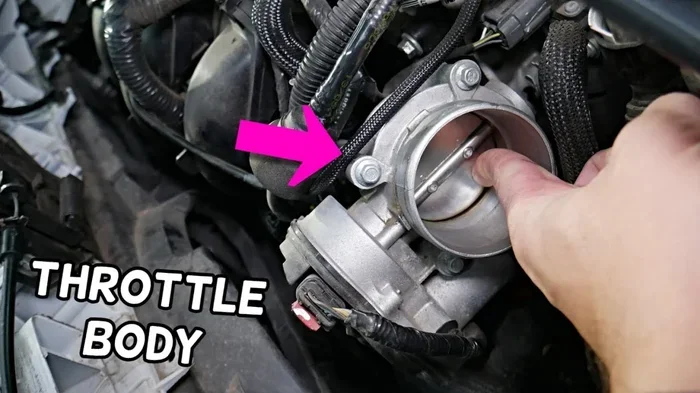
Inside the throttle body, you will find a throttle plate. This is a small valve that opens and closes. A throttle position sensor monitors the plate’s position and sends data to your car’s computer. The engine control module (ECM) uses this information to adjust the fuel mixture. Together, these parts keep your engine running smoothly at every speed.
How the Throttle Body Affects Engine Performance
When the throttle body works correctly, you barely notice it. But when it starts to fail, the problems are hard to ignore. A dirty or damaged throttle body disrupts the air-fuel ratio. This can cause a range of engine performance issues. Your car might hesitate when you accelerate. It could stall at idle. You might even notice a rough shake while driving at low speeds.
Modern vehicles use electronic throttle control. This means an electric motor operates the throttle plate instead of a cable. While this system is more precise, it also relies heavily on sensors and computer inputs. When something goes wrong, the check engine light usually comes on. This is your first clue that something needs attention.
Common Symptoms of a Bad Throttle Body
Knowing the warning signs helps you catch problems early. Ignoring them can lead to bigger issues down the road. Here are the most common symptoms of a failing throttle body:
- Rough Idle: The engine shakes or sounds uneven when stopped. RPMs may fluctuate above or below normal levels.
- Stalling: The engine shuts off unexpectedly, especially at idle or when coming to a stop.
- Poor Acceleration: The car feels sluggish or unresponsive when you press the gas pedal.
- Check Engine Light: The dashboard warning light illuminates. This often triggers a P0171 code or similar diagnostic trouble code.
- Uneven Airflow: The engine surges or hunts for power at inconsistent intervals.
- Fuel Efficiency Drops: A malfunctioning throttle body can cause the engine to burn more fuel than usual.
If you experience any of these symptoms, do not ignore them. A quick inspection can save you from a more expensive repair later. Sometimes a simple throttle body cleaning solves the problem. Other times, a full replacement is necessary.
Can I Replace My Throttle Body Myself?
This is the big question, and the answer is a confident yes. Replacing a throttle body is one of the more straightforward engine repairs you can do at home. You do not need to be a certified mechanic. You do not need a professional lift or a garage full of expensive equipment. Most of the work happens in the engine bay, which is easily accessible in most vehicles.
However, you should feel comfortable working around your car’s electrical connections and fuel system. You will be disconnecting sensors, unbolting components, and handling delicate parts. If you have never worked on your car before, start with simpler tasks first. Build your confidence gradually. Once you succeed with a throttle body replacement, you will feel a real sense of accomplishment.
What You Will Need
Before you start, gather your tools. Having everything ready makes the job smoother and faster. Here is a basic list of what you need:
- Socket set and wrenches (metric and standard)
- Screwdrivers (flathead and Phillips)
- Throttle body cleaner spray
- Clean rags or shop towels
- New throttle body gasket
- Replacement throttle body (matched to your vehicle)
- OBD2 scanner (for resetting codes)
- Safety gloves and eyewear
- A helper (optional but helpful)
You can find the correct throttle body for your specific vehicle by looking up your VIN number at most auto parts stores. Make sure the replacement matches your year, make, and model exactly. Using the wrong part can lead to compatibility issues and poor performance.
Step-by-Step Throttle Body Replacement Guide
Now let us get into the hands-on part. Follow these steps carefully to replace your throttle body safely. Take your time and do not rush. Precision matters here.
Step 1: Disconnect the Battery
Safety comes first. Always disconnect the negative battery terminal before working on any electrical components. Use a wrench to loosen the nut on the negative cable. Slide the cable off the terminal and tuck it away from the battery. This prevents electrical shorts and protects you from shocks.
Step 2: Locate the Throttle Body
Open the hood and find the throttle body. It sits on top of the engine, connected to the air intake duct. It is a cylindrical or rectangular metal component with electrical connectors and vacuum lines attached. If you are unsure, refer to your vehicle’s repair manual for a diagram. It will show you the exact location.
Step 3: Disconnect Electrical Connectors
Carefully unplug the electrical connectors attached to the throttle body. These include the throttle position sensor connector and the idle air control connector. Press the locking tab and gently pull each connector free. Do not yank on the wires. Use gentle, steady pressure.
Step 4: Remove Vacuum Lines and Fuel Lines
There may be small vacuum lines connected to the throttle body. Use a small pair of pliers or your fingers to gently pull them off. If your vehicle has a fuel line running to the throttle body, place a rag underneath to catch any drips. Do not let fuel spill on hot engine parts.
Step 5: Remove the Throttle Body
Use your socket set to remove the mounting bolts. There are usually two to four bolts holding the throttle body in place. Once all bolts are out, carefully lift the throttle body away from the intake manifold. It may be stuck from old gasket material. Gently pry it loose with a flathead screwdriver if needed.
Step 6: Clean the Intake Manifold Surface
Before installing the new part, clean the mating surface on the intake manifold. Use throttle body cleaner and a clean rag. Remove all old gasket material, carbon buildup, and grime. A smooth, clean surface ensures a proper seal with the new gasket.
Step 7: Install the New Throttle Body
Place the new gasket onto the intake manifold. Align the new throttle body carefully. Insert the mounting bolts and tighten them by hand first. Then use your socket to snug them down. Do not overtighten. Follow the torque specifications in your vehicle’s service manual. Over-tightening can crack the intake manifold or warp the throttle body.
Step 8: Reconnect Everything
Reattach all electrical connectors, vacuum lines, and fuel lines. Make sure each connection clicks or seats properly. Double-check every connection before moving on. A loose connector can cause all kinds of mysterious problems later.
Step 9: Reconnect the Battery
Put the negative battery cable back on the terminal. Tighten the nut securely. You are now ready to start the engine.
Step 10: Reset the Engine Control Module
After installation, your car’s computer needs to relearn the throttle body settings. Use an OBD2 scanner to clear any stored trouble codes. Then start the engine and let it idle for a few minutes. The idle should smooth out as the ECM adjusts. If the rough idle persists, double-check your connections and gasket placement.
Throttle Body Replacement Cost: DIY vs. Mechanic
One of the biggest reasons people ask, can I replace my throttle body myself, is cost. Let us break down the numbers.
| Expense | DIY Cost | Mechanic Cost |
|---|---|---|
| Throttle Body Part | $100 – $350 | $100 – $350 (same part) |
| Gasket | $10 – $20 | $10 – $20 (same part) |
| Labor | $0 | $100 – $300 |
| Total | $110 – $370 | $210 – $670 |
As you can see, doing it yourself can save you a significant amount. The part cost is the same whether you do it or a mechanic does it. The difference is purely in labor. Most throttle body replacements take between 30 minutes and 2 hours. If you can follow instructions and work carefully, the savings are well worth it.
Keep in mind that some vehicles have a more complex throttle body setup. Turbocharged engines and direct injection models may have additional components to remove. Always research your specific vehicle before starting. Watching a YouTube tutorial for your exact make and model can be incredibly helpful.
Common Mistakes to Avoid
Even with a clear guide, mistakes happen. Here are the most common errors people make when replacing a throttle body:
- Overtightening Bolts: This can damage the intake manifold or crack the throttle body housing. Hand-tighten first, then snug with a wrench.
- Forgetting to Reset the ECM: After a new throttle body is installed, the computer needs to relearn. Skipping this step causes rough idle and error codes.
- Using the Wrong Gasket: A mismatched gasket causes vacuum leaks. Always use the gasket designed for your specific vehicle.
- Not Cleaning the Surface: Old gasket material left on the intake manifold prevents a proper seal. Take the time to clean thoroughly.
- Ignoring Vacuum Leaks: After reassembly, check all vacuum lines. A small leak can cause a rough idle and trigger the check engine light.
Avoiding these mistakes will save you time and frustration. If something does not feel right during the process, stop and double-check. There is no shame in taking a break and coming back with fresh eyes.
When Should You See a Mechanic Instead?
DIY replacement is a great option for many car owners. But there are situations where professional help is the better choice. You should consider seeing a mechanic if:
- Your vehicle has a complex engine layout that makes access difficult.
- You are uncomfortable working with electrical connectors and sensors.
- The check engine light stays on after the replacement and reset.
- You notice additional problems, such as engine stalling or loss of power after the repair.
- You do not have the basic tools needed for the job.
A qualified mechanic can also perform a throttle body cleaning if the part is not completely failed. Sometimes carbon buildup is the real culprit, and a professional deep clean restores proper function without a replacement. This is a much cheaper option worth exploring first.
Additionally, if your car is still under warranty, check with your dealer before performing any repairs yourself. DIY work could void certain coverage. Always read your warranty terms carefully before getting under the hood.
Tips for a Smooth Throttle Body Replacement
Here are some extra tips to make your DIY experience successful:
- Take Photos Before Disassembly: Snap pictures of how everything connects. This makes reassembly much easier and helps you remember where each piece goes.
- Label Everything: Use small bags and labels for screws, connectors, and vacuum lines. Mixing things up can cause serious issues.
- Work on a Cool Engine: Let the engine cool completely before starting. Hot components can burn you and warp sensitive parts.
- Use Dielectric Grease: Apply a thin layer to electrical connectors before reconnecting. This prevents corrosion and ensures a solid connection.
- Test Drive After Reset: Take a short drive after resetting the ECM. Pay attention to how the car accelerates and idles. Report any lingering issues to your mechanic.
Following these tips will give you confidence and help you avoid common pitfalls. A successful throttle body replacement is one of the most rewarding DIY repairs you can complete. Once you have done it, you will feel more capable and connected to your vehicle.
Can I Still Drive If My Throttle Body Is Failing?
You might be tempted to keep driving while you wait for a replacement part. But this is risky. A failing throttle body can cause sudden stalling or unpredictable acceleration. Both scenarios are dangerous, especially in traffic. If your check engine light is on and you suspect throttle body issues, have the vehicle inspected as soon as possible. In some cases, you may still be able to drive short distances carefully. But do not push your luck. A complete failure can leave you stranded.
Also, a malfunctioning throttle body can affect your fuel efficiency and emissions. You might pass emissions inspections with a bad throttle body, but the long-term damage to other engine components is not worth the risk. Address the problem promptly to keep your car running safely and efficiently.
Final Thoughts on DIY Throttle Body Replacement
So, can you replace your throttle body yourself? Absolutely. This is a repair that most car owners with basic mechanical skills can handle. The process is straightforward, the tools are affordable, and the savings are significant. You walk away with a repaired vehicle and a new sense of confidence in your abilities.
Start by confirming the symptoms match a throttle body issue. Clean the old unit first if the problem is minor. If replacement is necessary, follow each step carefully and do not rush. Take your time, stay organized, and enjoy the satisfaction of a job well done.
Remember, every repair you complete makes the next one easier. You build skills, knowledge, and a deeper understanding of how your car works. That is something no mechanic can give you. So grab your tools, clear some time in your schedule, and get to work. Your wallet and your car will thank you.
Whether you are dealing with rough idle, poor acceleration, or a stubborn check engine light, tackling the throttle body replacement yourself puts you in control. You save money, you learn something new, and you gain the satisfaction of solving a real car problem on your own terms.
Frequently Asked Questions
How long does it take to replace a throttle body yourself?
Most DIYers complete the job in 30 minutes to 2 hours. The time depends on your vehicle’s engine layout and how accessible the throttle body is. If you have the right tools and follow the steps carefully, you should be done in one sitting.
Can a dirty throttle body be cleaned instead of replaced?
Yes, in many cases a thorough cleaning with throttle body cleaner spray resolves the issue. Carbon buildup is often the cause of poor performance. Cleaning is cheaper and faster than a full replacement. Try cleaning first before buying a new part.
What happens if I do not reset the ECM after replacing the throttle body?
The engine may idle roughly, hesitate during acceleration, or trigger error codes. The ECM needs time to relearn the new throttle body’s settings. Using an OBD2 scanner to clear codes and then letting the idle relearn for a few minutes usually fixes the problem.
Is throttle body replacement covered under warranty?
It depends on your vehicle’s age, mileage, and warranty terms. Many newer cars have powertrain warranties that cover throttle body defects. Check with your dealer before performing the repair yourself, as DIY work could void certain coverage.
Do I need special tools to replace a throttle body?
No special tools are required. A basic socket set, wrenches, screwdrivers, and an OBD2 scanner are all you need. Throttle body cleaner and a new gasket round out the supplies. Most of these items are available at any auto parts store.
Can a bad throttle body cause a P0171 code?
Yes, a malfunctioning throttle body can disrupt the air-fuel mixture and trigger a P0171 code, which indicates a lean fuel condition. If you see this code, inspect the throttle body, air intake system, and mass airflow sensor before assuming the worst.
=== CONCLUSION ===
Replacing your throttle body yourself is a practical, rewarding repair that saves you money and builds your mechanical skills. With the right preparation and a careful approach, you can handle this job confidently in your own garage. The key is to take it step by step, use the correct parts, and reset your car’s computer after the swap. Do not let the idea of car repair intimidate you. Start with this project and discover what you are capable of. Your car, your wallet, and your confidence will all benefit from the experience.