Who Makes Car Keys And How You Can Find The Right One
Car keys are made by a mix of automotive manufacturers, locksmith companies, and specialized key producers. Whether you need a transponder key, a smart key, or a basic mechanical key, understanding who makes them helps you pick the right one. This guide walks you through every step of finding the perfect car key replacement for your vehicle.
Have you ever lost your car keys or broken one in the ignition? It happens to millions of drivers every year. The first question that comes to mind is usually simple: who makes car keys? The answer might surprise you. Car keys are produced by a wide range of companies, from the vehicle manufacturer itself to independent locksmiths and specialized key producers.
Understanding who makes car keys helps you make smarter decisions when you need a car key replacement. It also saves you money and time. This guide breaks down everything you need to know. We will cover the types of keys available, how to find the right one, and what to expect when you need a new key made. Let us dive in.
Key Takeaways
- OEM and aftermarket makers both produce car keys: knowing the difference saves you money and time.
- Transponder keys, smart keys, and key fobs are the most common types used in modern vehicles.
- A licensed locksmith can often make and program car keys faster and cheaper than a dealership.
- Key programming and immobilizer systems play a big role in modern car key functionality.
- Comparing costs between dealerships and locksmiths helps you find the best deal on key cutting services.
- Always keep a spare key to avoid costly emergency lockout situations.
- Vehicle make and model determine key type, so identify your car before shopping for replacements.
📑 Table of Contents
- Who Makes Car Keys?
- Types of Car Keys Available Today
- How to Find the Right Car Key for Your Vehicle
- When You Need a Car Key Replacement
- The Process of Getting a New Car Key Made
- How to Save Money on Car Keys
- Common Mistakes to Avoid When Replacing Car Keys
- Expert Insights on Car Key Selection
- Key Takeaways
- Conclusion
Who Makes Car Keys?
When you think about car keys, you might picture the metal key that came with your vehicle. But the world of key making is much bigger than that. Several types of companies produce car keys, and each serves a different purpose.
Automotive Manufacturers (OEM Keys)
The original equipment manufacturer, or OEM, is the company that built your car. Brands like Toyota, Ford, Honda, and Chevrolet all make their own OEM car keys. These keys come with your vehicle when you buy it new. They are designed specifically for your car’s ignition switch and immobilizer system.
OEM keys carry the manufacturer’s branding and are programmed to match your vehicle’s security system exactly. They tend to cost more than other options, but they offer a perfect fit and full compatibility. If you have a newer vehicle with advanced features, the OEM key is usually the safest choice.
Aftermarket Key Makers
Aftermarket companies make car keys that are not branded by the vehicle manufacturer. Companies like Ilco, Kwikset, and Master Lock produce millions of keys each year. These keys work with many different vehicle models and are often much more affordable.
Many automotive locksmiths prefer aftermarket keys because they are widely available and easy to cut. The quality has improved a lot over the years. Today, a good aftermarket key can perform just as well as an OEM key in most cases. The main difference is the brand name and sometimes the remote functionality.
Specialized Key and Remote Makers
Some companies specialize in making remote key fobs and smart car keys. These firms focus on the electronic side of keyless entry systems. They produce the small electronic devices that let you lock, unlock, and even start your car with the push of a button.
Companies like Continental, Bosch, and Denso supply key fob programming components to automakers and locksmiths alike. Without these specialized makers, modern car key replacement would be much harder. Their work keeps our vehicles secure and convenient to use every day.
Locksmiths and Key Cutting Services
Licensed locksmiths are perhaps the most important players in the car key world. They do not just make keys from scratch. They also cut, program, and install them. A good locksmith can handle almost any vehicle ignition key you throw at them.
Many locksmiths carry blank keys for hundreds of car models in their vans. They use precision key cutting machines to shape each key perfectly. Some even offer mobile services, coming to your location to make a new key on the spot. This is a huge convenience when you are stranded on the side of the road.
Types of Car Keys Available Today
Not all car keys are the same. Over the years, key technology has changed a lot. Knowing the different types helps you understand what you need when it is time for a car key replacement. Here are the most common types you will encounter.
Traditional Mechanical Keys
These are the oldest and simplest type of car keys. They have a basic metal blade that slides into the ignition. You turn the key to start the engine. Many older vehicles still use this type. They are easy to copy and inexpensive to replace.
However, traditional keys offer the least security. They are easier to pick or copy without permission. If your car uses a mechanical key, consider upgrading to a more secure option. A locksmith can help you explore your choices.
Transponder Keys
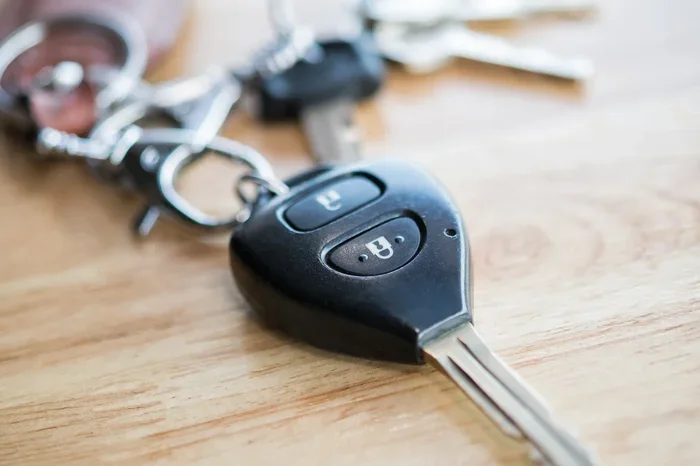
Transponder keys became popular in the 1990s and are now standard on most vehicles. These keys have a small chip inside the plastic head. When you insert the key into the ignition, the chip sends a signal to the car’s immobilizer system. If the signal matches, the engine starts.
Transponder keys are much harder to steal because they require a coded signal. They also cost more to replace because the chip must be programmed correctly. Many locksmiths and dealerships offer key programming services for transponder keys. Always make sure the person making your key has the right equipment.
Smart Keys and Keyless Entry Remotes
Smart keys are the modern evolution of car keys. They allow keyless entry and push-button start. You do not even need to take the key out of your pocket. The car detects the key’s presence and unlocks or starts automatically.
These keys use advanced radio frequency technology. They are very convenient but also expensive to replace. A lost smart key can cost several hundred dollars to replace. Always keep a spare smart key in a safe place. The car key battery inside the fob also needs periodic replacement, usually every two to three years.
Laser-Cut Keys
Laser-cut keys have a unique pattern cut on the inside of the blade. They are harder to copy than traditional keys because the cutting process requires specialized equipment. Many luxury and high-security vehicles use laser-cut keys.
These keys offer better protection against theft. They also tend to look sleeker than standard keys. If your vehicle uses a laser-cut key, make sure your locksmith has the right machine to cut and program it.
How to Find the Right Car Key for Your Vehicle
Finding the right car keys for your vehicle does not have to be stressful. A few simple steps will guide you to the correct key every time. Follow this process and you will save both time and money.
Step 1: Identify Your Vehicle
Start by knowing your car’s exact make, model, and year. This information tells you what type of key your vehicle uses. Check your owner’s manual or look at the VIN plate on your dashboard. The VIN, or vehicle identification number, is especially helpful when ordering a replacement key.
Some vehicles share similar key shapes but have different internal chips. Providing the VIN ensures you get the exact match. Many locksmiths and online retailers ask for the VIN before processing an order. Always have it ready.
Step 2: Determine the Key Type
Next, figure out what type of key your car uses. Is it a traditional mechanical key or a transponder key? Does it have a remote fob built in? Look at your current key for clues. If it has a plastic head with a chip visible inside, it is likely a transponder key.
If you do not have your current key, a locksmith can identify the key type by looking at your vehicle. They know the common key types for each make and model. This step is crucial because using the wrong key type can damage your ignition switch.
Step 3: Choose Between OEM and Aftermarket
Now you need to decide between an OEM key and an aftermarket key. OEM keys come from the vehicle manufacturer and offer guaranteed compatibility. Aftermarket keys are made by third-party companies and are usually more affordable.
For older vehicles, aftermarket keys work great. For newer vehicles with advanced security features, OEM keys may be the safer option. Your locksmith can help you weigh the pros and cons based on your specific car and budget.
Step 4: Find a Reliable Key Maker
Once you know what key you need, find someone to make it. Dealerships, locksmiths, and online retailers all offer key cutting services. Each has its advantages. Dealerships offer OEM keys and professional programming. Locksmiths are often faster and more affordable. Online retailers can save you money but require you to handle programming yourself.
Read reviews and ask for recommendations from friends or family. A trusted locksmith with good ratings is usually the best choice for most drivers. They handle the entire process from cutting to programming in one visit.
When You Need a Car Key Replacement
There are several situations where you will need a car key replacement. Recognizing these situations early helps you act quickly and avoid bigger problems.
Lost or Stolen Keys
If your keys are lost or stolen, you need a replacement as soon as possible. A locksmith can cut a new key and reprogram your car’s system so the old key no longer works. This is important for security. You do not want someone who has your old key to still access your vehicle.
Many locksmiths offer emergency services for lost keys. They can come to your location and make a new key on the spot. The process usually takes 20 to 30 minutes. Keep your locksmith’s number saved in your phone for these situations.
Broken Keys
A key can break inside the ignition or the door lock. This is a frustrating situation, but a locksmith can remove the broken piece and cut a new key. Do not try to pull out a broken key yourself. You might push it deeper or damage the lock mechanism.
Broken keys happen more often than you might think. Old keys, worn locks, and applying too much pressure all contribute. If your key feels stiff or hard to turn, have a locksmith inspect your lock before it breaks completely.
Worn or Damaged Keys
Over time, keys wear down. The ridges on the blade become smooth, and the key no longer turns smoothly in the ignition. A worn key can also damage your ignition switch if left unchecked. If your key looks worn or feels loose, get a replacement before it fails completely.
Key duplication is a quick and affordable solution for worn keys. A locksmith can copy your current key or cut a new one from your VIN. It is a small investment that prevents bigger headaches down the road.
The Process of Getting a New Car Key Made
Understanding how a new key is made helps you feel more confident when you need a replacement. The process is straightforward and usually faster than you expect.
Key Cutting
The first step is cutting the physical key. A locksmith uses a key cutting machine that shapes the blade to match your vehicle’s lock pattern. Modern machines are very precise and can cut keys in just a few minutes.
For laser-cut or smart keys, the process is a bit more complex. These keys require special equipment and trained technicians. But a skilled locksmith handles this routinely and can get the job done quickly.
Key Programming
After cutting, the key must be programmed to match your car’s security system. This step is especially important for transponder keys and smart keys. The locksmith connects a programming tool to your vehicle’s onboard computer and syncs the new key.
Programming ensures the car recognizes the new key as legitimate. Without this step, the key will not start the engine. Most locksmiths include programming in their service. Always confirm this before you agree to the job.
Testing the New Key
The final step is testing. The locksmith will try the new key in the ignition, doors, and trunk. They also test any remote functions if the key has a fob. This ensures everything works perfectly before you leave.
Testing is a critical step that should never be skipped. A key that works in the ignition but fails to unlock the doors is still a problem. Make sure the locksmith checks every function of your new car keys.
How to Save Money on Car Keys
Car keys can be expensive, especially for newer vehicles. But there are smart ways to reduce the cost without sacrificing quality.
Choose a Locksmith Over a Dealership
Dealerships charge a premium for car key replacement. A locksmith can often do the same job for a fraction of the cost. Many locksmiths charge 50 to 70 percent less than dealerships. The key quality is often identical, especially when using aftermarket blanks.
Before you go to a dealership, call a local locksmith first. You might be surprised at how much money you can save. A reputable locksmith will give you a clear price upfront with no hidden fees.
Keep a Spare Key
The best way to save money is to prevent the need for a replacement. Keep a spare key in a safe place at home. If you ever lose your primary key, you can use the spare while you get a replacement made at your own pace.
Having a spare also saves you from paying emergency service fees. Mobile locksmiths charge extra for after-hours or on-site calls. A spare key turns an emergency into a simple, affordable errand.
Compare Prices Online
If you prefer to order a key online, compare prices from multiple sellers. Many websites sell aftermarket car keys at competitive prices. Just make sure the seller is reputable and offers programming instructions or support.
Some online retailers sell pre-programmed keys that work right out of the box. These can save you both time and money. Always check return policies and customer reviews before purchasing.
Common Mistakes to Avoid When Replacing Car Keys
Replacing car keys comes with a few common pitfalls. Avoiding these mistakes keeps the process smooth and affordable.
- Skipping the VIN: Always provide your VIN when ordering a replacement key. Without it, you risk getting the wrong key type.
- Choosing the cheapest option blindly: The lowest price does not always mean the best value. Check reviews and credentials.
- Ignoring programming needs: A cut key without programming will not start a modern car. Always confirm programming is included.
- Waiting too long to replace a worn key: A failing key can leave you stranded. Replace it at the first sign of wear.
- Not checking warranty options: Some locksmiths and sellers offer warranties on their keys and services. Take advantage of this.
Expert Insights on Car Key Selection
Industry professionals agree that choosing the right car key replacement comes down to three factors: compatibility, convenience, and cost. A licensed locksmith can balance all three for you.
According to automotive experts, newer vehicles with smart key systems should always use OEM or high-quality aftermarket keys. Cheaper alternatives can cause compatibility issues and even damage the immobilizer system. For older vehicles with traditional keys, aftermarket options work perfectly fine and save you money.
One locksmith we spoke with shared a valuable tip: always keep your current key in good condition. Clean the key blade regularly and replace the car key battery in your fob before it dies. These small habits extend the life of your keys and prevent unexpected problems.
Key Takeaways
- OEM and aftermarket makers both produce quality car keys: choose based on your vehicle’s age and security needs.
- Transponder keys, smart keys, and traditional keys each require different cutting and programming methods.
- A licensed locksmith is often the fastest and most affordable option for car key replacement.
- Always provide your VIN when ordering a replacement key to ensure a perfect match.
- Keep a spare key to avoid emergency fees and the stress of lockouts.
- Compare prices between locksmiths, dealerships, and online retailers before making a decision.
- Regular key maintenance prevents unexpected failures and extends the life of your keys.
Conclusion
So, who makes car keys? The answer is many companies working together. From the vehicle manufacturers who design the original keys to the locksmiths who cut and program replacements, each plays an important role. Understanding this ecosystem empowers you to make the best choice when you need a new key.
Whether you need a simple mechanical key or a high-tech smart key, the right provider is out there. A licensed locksmith offers the best combination of speed, quality, and affordability for most drivers. They handle everything from key cutting services to key fob programming in a single visit.
Take the time to learn about your vehicle’s key type and keep a spare on hand. These small steps save you from stress and unexpected costs. The next time you find yourself locked out or in need of a car key replacement, you will know exactly what to do and who to call.
Stay prepared, stay informed, and keep your car keys working smoothly. Your vehicle is a big investment, and the right key keeps it safe and running at its best.
Frequently Asked Questions
How much does it cost to replace a car key?
The cost varies based on your vehicle and key type. A traditional mechanical key costs around 10 to 30 dollars. Transponder keys and smart keys can range from 50 to 300 dollars or more. A locksmith usually offers lower prices than a dealership for the same key.
Can a locksmith program a car key for any vehicle?
Most licensed locksmiths can program keys for a wide range of vehicles. However, some very new or high-security models may require dealership-level equipment. Always ask the locksmith about your specific make and model before booking the service.
How long does it take to get a new car key made?
A locksmith can usually cut and program a new key in 20 to 30 minutes. Some complex smart keys may take longer. Dealerships often require a longer wait time because they may need to order the key first.
What should I do if my car key breaks in the ignition?
Do not try to remove the broken key yourself. Call a licensed locksmith who has the tools to extract the broken piece safely. They can then cut and program a replacement key for you right away.
Are aftermarket car keys as good as OEM keys?
For most vehicles, aftermarket keys work just as well as OEM keys. They are cut to the same specifications and programmed using the same technology. The main difference is the brand name. For older vehicles, aftermarket is a great cost-saving option.
How do I know if my car key has a transponder chip?
Look at the head of your key. If it is thicker than a standard key or has a plastic shell covering a small circuit board, it likely has a transponder chip. You can also check your owner’s manual or ask a locksmith to confirm the key type for your vehicle.