Can a Ford F150 Pull a Camper Everything You Need to Know
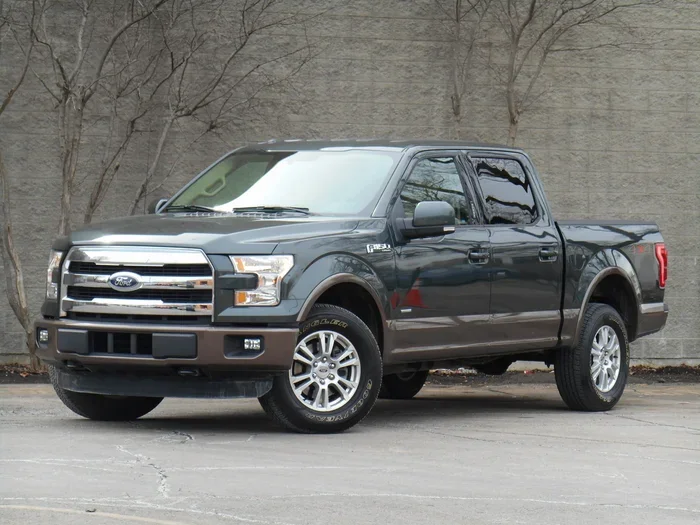
Yes, a Ford F150 can pull a camper, but the answer depends on your specific model year, engine option, and camper weight. The F150 offers impressive towing capacity ranging from 5,000 to over 14,000 pounds depending on the configuration. In this guide, we break down everything you need to know about Ford F150 towing, from choosing the right camper to staying safe on the road.
So you want to hit the open road with a camper in tow behind your Ford F150. That sounds like an amazing adventure. But before you load up and go, you need to know one big question: Can a Ford F150 pull a camper? The short answer is yes. The longer answer depends on a few key factors that we will walk through in this guide.
Whether you own a base model or a fully loaded Limited, your F150 has some serious towing potential. But not every F150 can handle every camper. Understanding your truck’s limits and matching them with the right trailer makes all the difference. Let us dive into everything you need to know about Ford F150 towing so you can plan a safe and fun trip.
Key Takeaways
- Towing Capacity Varies: The F150 can tow between 5,000 and 14,000+ pounds depending on engine, axle ratio, and towing package.
- Choose the Right Camper: Lightweight travel trailers and truck campers are the best match for most F150 configurations.
- Hitch Setup Matters: Using the correct hitch class and weight distribution system is essential for safe towing.
- Safety Comes First: Always perform a pre-trip inspection and follow speed limits when towing a camper.
- Fuel Economy Drops: Expect lower MPG when towing, so plan your fuel stops accordingly.
- Avoid Common Mistakes: Overloading, ignoring tongue weight, and skipping brake controllers are frequent errors to avoid.
📑 Table of Contents
Understanding the Ford F150 Towing Basics
The Ford F150 is one of the best-selling trucks in America. And for good reason. It offers strong towing capabilities across many different configurations. But the numbers can be confusing if you do not know what to look for.
What the F150 Can Tow
The towing capacity of an F150 depends on several things. Your engine type, axle ratio, cab size, bed length, and towing package all play a role. Here is a general breakdown of what different F150 trims can handle:
- Base Models (V6 Engine): Typically tow between 5,000 and 7,000 pounds.
- EcoBoost V6 Engines: Can tow from 8,000 to 13,000 pounds depending on the setup.
- V8 Engine Models: Often reach towing capacities of 10,000 to 14,000+ pounds.
- High-Towing Packages: Some configurations with the proper tow package exceed 14,000 pounds.
Always check your owner’s manual or the door jamb sticker for your specific truck’s rated towing capacity. This number is not a suggestion. It is the maximum your truck is engineered to safely pull. Exceeding it can damage your engine, transmission, and brakes.
Engine and Powertrain Options
The F150 comes with several engine choices, and each one affects towing differently. The standard 3.3-liter V6 works fine for light-duty towing. The 2.7-liter EcoBoost twin-turbo engine is a popular choice for those who want strong pulling power without a big V8. The 5.0-liter V8 delivers serious torque for heavier loads. And the 3.5-liter EcoBoost is the towing powerhouse, pushing some configurations past the 14,000-pound mark.
Your transmission also matters. The 10-speed automatic transmission found in newer F150 models helps keep the engine in its power band while towing. This means smoother passes and better control on hills. If you are shopping for a used F150, pay close attention to which engine and transmission combo your truck has.
Choosing the Right Camper for Your F150
Not all campers are created equal. Some are light and easy to pull. Others are heavy and need a serious truck behind them. Picking the right camper for your F150 is one of the most important decisions you will make.
Travel Trailers vs Truck Campers
Travel trailers come in all shapes and sizes. A small teardrop trailer might weigh only 1,500 pounds. A large fifth wheel travel trailer can weigh 10,000 pounds or more. Truck campers, on the other hand, mount directly on the truck bed. They tend to be lighter since they do not require a separate trailer.
For most F150 owners, a travel trailer under 8,000 pounds is a comfortable match. If you want a truck camper, make sure the weight does not exceed your truck’s payload capacity. Overloading the bed can affect handling, braking, and suspension.
Fifth Wheel and Gooseneck Options
Fifth wheel campers are popular among serious campers. They attach to a hitch mounted in the truck bed, which gives them more stability than a standard travel trailer. Gooseneck trailers work similarly but use a ball hitch in the bed. Both options distribute weight better and offer a smoother ride.
If you are considering a fifth wheel, make sure your F150 has the proper towing package and bed length. A short bed might not clear the camper. Most fifth wheel setups work best with a 6.5-foot or 8-foot bed. Always check the camper manufacturer’s specifications before purchasing.
Hitch Systems and Towing Equipment
Having the right hitch is not optional. It is essential. The hitch connects your truck to the trailer, and using the wrong one can be dangerous. Let us break down the basics.
Weight Distribution and Hitch Classes
Hitch classes range from Class I to Class V. Class III and Class IV hitches are the most common for F150 towing. Class III hitches typically handle up to 10,000 pounds of gross trailer weight. Class IV hitches can manage 10,000 to 14,000 pounds or more.
A weight distribution hitch helps spread the trailer’s tongue weight across all four axles. This keeps your F150 level and improves stability. Without weight distribution, the rear of your truck can sag, which reduces visibility and control.
Also, make sure you have a proper hitch receiver that matches your trailer’s coupler size. Common sizes include 2-inch and 2.5-inch receivers. Using an adapter is fine, but a direct match is always better for safety.
Trailer Brakes and Wiring
If your camper weighs more than 1,500 to 2,000 pounds, you should consider adding trailer brakes. These brakes activate when you press the truck’s brake pedal, helping the trailer slow down too. This is especially important on steep downhill roads.
You will also need a wiring harness to connect your truck’s lights to the trailer. Brake lights, turn signals, and running lights all need to work on the trailer. Most F150 models have a wiring harness connector under the rear bumper. Check your owner’s manual for the exact location.
Safety Tips for Towing with an F150
Towing a camper changes how your truck drives. It is longer, heavier, and less agile than driving without a trailer. Taking the right safety precautions protects you and everyone else on the road.
Pre-Trip Inspection Checklist
Before every trip, go through this simple checklist:
- Check your tire pressure on both the truck and the trailer.
- Make sure all lug nuts are tight on the trailer wheels.
- Verify that the hitch is securely locked and latched.
- Test all trailer lights and signals.
- Check your mirrors to ensure you have full visibility.
- Confirm the trailer brake controller is working.
- Inspect the wiring harness for any damage or loose connections.
Also, make sure nothing loose is stored in or on your trailer. Items like items stored in a hot vehicle can shift or become dangerous during towing. Secure everything with straps or bins. This is especially important when you are driving through hot climates where interior temperatures can soar. You do not want loose items becoming projectiles on the highway.
Driving Safety While Towing
When you are towing a camper, your driving style needs to change. Leave more following distance between you and the vehicle ahead. Braking takes longer with a trailer. Accelerate gently to avoid jerking the trailer.
Take turns wide to avoid hitting curbs or guardrails. On highway on-ramps, slow down more than you normally would. And if you feel the trailer starting to sway, ease off the gas gently. Do not slam on the brakes. A weight distribution hitch helps reduce sway, but it does not eliminate it completely.
If you are planning a long road trip and bringing your furry friend along, make sure you plan for pet breaks. Bringing your dog on a road trip requires extra stops for water, exercise, and bathroom breaks. Factor these stops into your travel time so you and your pet stay comfortable.
Maximizing Fuel Efficiency While Towing
Let us be honest. Towing a camper hurts your fuel economy. Your F150 works harder to pull extra weight, which means you will visit the gas station more often. But there are things you can do to minimize the impact.
Real-World MPG Expectations
A Ford F150 getting around 20 to 25 MPG on the highway without a trailer might drop to 12 to 16 MPG while towing. The exact number depends on the camper weight, speed, wind conditions, and terrain.
Here are some tips to improve fuel economy while towing:
- Keep your speed steady and stay within the speed limit.
- Use cruise control on flat highways to maintain a consistent pace.
- Remove unnecessary weight from the trailer and truck bed.
- Keep your tires properly inflated.
- Use the correct octane fuel for your engine.
Using the wrong fuel can also cause problems. If you ever notice engine codes popping up while towing, it could be related to fuel quality. For example, bad gas causing engine codes like the P0171 code is a real issue that can affect performance. Always try to fill up at reputable gas stations to avoid fuel contamination.
Common Mistakes to Avoid When Towing a Camper
Even experienced truck owners make towing mistakes. Here are the most common ones and how to avoid them.
Overloading the Truck or Trailer
This is the number one mistake people make. Just because your F150 can tow 14,000 pounds does not mean you should max it out every time. Overloading puts stress on the engine, transmission, suspension, and brakes. It also makes the truck harder to control.
Check the weight of your camper before you buy it. Use a truck scale or weigh station to verify your total setup weight. Stay well below your truck’s rated limits to leave a safety margin.
Ignoring Tongue Weight
Tongue weight is the downward force the trailer puts on the hitch. Too much tongue weight can make the rear of your truck sag. Too little can cause the trailer to sway. The general rule is that tongue weight should be about 10 to 15 percent of the total trailer weight.
You can adjust tongue weight by moving items forward or backward in the trailer. Use a tongue weight scale to get an accurate measurement before hitting the road.
Skipping the Brake Controller
If your camper is heavy enough to need trailer brakes, do not skip the brake controller. This small device is installed in your truck and sends braking power to the trailer’s brakes. Without it, your trailer will not slow down when you hit the brakes, which can cause a dangerous situation.
Most brake controllers are easy to install and come with adjustable settings. Choose one that lets you control the braking force based on your load weight.
Expert Insights on Ford F150 Towing
Experienced F150 owners and towing experts share a few pieces of advice that can make your life easier on the road.
First, invest in a good backup camera system. Towing a long trailer makes backing up much harder. A quality camera with dynamic guidelines helps you park and maneuver with confidence.
Second, consider getting a tow tune for your truck. A professional tow tune adjusts the engine and transmission settings to handle the extra load. This can improve performance, reduce transmission strain, and even improve fuel economy while towing.
Third, practice driving with your trailer in an empty parking lot before your trip. Get a feel for how the truck and trailer handle turns, braking, and backing up. This simple step can prevent a lot of stress on the road.
Also, remember that towing affects your truck’s maintenance schedule. Inspect your brakes, transmission fluid, and coolant more frequently when you tow regularly. The extra weight puts more wear on components, so staying on top of maintenance keeps your F150 running strong for years.
Conclusion
Can a Ford F150 pull a camper? Absolutely. The F150 is one of the most capable towing trucks on the market. From light-duty teardrop trailers to heavy fifth wheel campers, there is an F150 configuration that can handle the job. The key is knowing your truck’s limits, choosing the right camper, and following proper safety practices.
Take the time to understand your truck’s towing capacity, invest in the right hitch and equipment, and always prioritize safety over speed or convenience. A well-planned towing setup makes every trip more enjoyable and stress-free. So go ahead, load up that camper, and hit the road with confidence. Your next great adventure is waiting.
Frequently Asked Questions
What is the maximum towing capacity of a Ford F150?
The maximum towing capacity of a Ford F150 ranges from about 5,000 to over 14,000 pounds depending on the engine, axle ratio, and towing package. The highest towing capacities are found in models with the 3.5-liter EcoBoost engine and the proper heavy-duty towing package. Always check your specific truck’s door jamb sticker for the exact rating.
Do I need a special license to tow a camper with an F150?
In most states, a standard driver’s license is sufficient for towing a camper with an F150. However, some states require a special endorsement if your total combined vehicle and trailer weight exceeds a certain limit, usually around 26,000 pounds. Check your local DMV regulations before your trip to make sure you are compliant.
Can I tow a travel trailer with a base V6 F150?
Yes, you can tow a travel trailer with a base V6 F150, but your capacity will be limited compared to higher trim levels. The base V6 engine typically has a towing capacity of around 5,000 to 7,000 pounds. Make sure your trailer weight stays well within this limit for safe towing.
How do I know if my camper is too heavy for my F150?
Check the camper’s dry weight and compare it to your F150’s towing capacity. Also factor in any additional gear, water, and supplies you will be carrying. If the total weight exceeds your truck’s rated capacity, the camper is too heavy. You can also visit a truck scale to verify the actual weight of your loaded setup.
What hitch do I need for a Ford F150 camper towing setup?
A Class III or Class IV hitch receiver is the most common choice for F150 camper towing. If you are towing a fifth wheel, you will need a fifth wheel hitch mounted in the truck bed. Always match your hitch to the trailer coupler size, and consider a weight distribution hitch for improved stability and level towing.
How does towing affect my F150’s fuel economy?
Towing a camper significantly reduces your F150’s fuel economy. You can expect MPG to drop by 30 to 40 percent compared to driving without a trailer. Keeping your speed steady, reducing excess weight, and maintaining proper tire pressure can help minimize the fuel economy loss while towing.