Can I Drive a Highlander With the VSC Light On Now
Yes, you can drive a Highlander with the VSC light on, but it comes with important safety trade-offs. The Vehicle Stability Control system helps you stay safe on slippery or tricky roads, and when that light is on, the system is either disabled or malfunctioning. Understanding what the VSC light means and how to respond can save you from costly repairs and keep you and your passengers safe on the road.
You are driving your Toyota Highlander down the road, and suddenly you notice a yellow or red warning light on your dashboard. It says VSC, and your heart sinks a little. What does it mean? Can you still drive safely? And more importantly, should you pull over right now or keep going? These are the questions every Highlander owner asks at some point, and this guide has all the answers you need.
The VSC light on a Toyota Highlander is one of the most common dashboard warnings drivers encounter. It stands for Vehicle Stability Control, and it plays a huge role in keeping you safe, especially on wet roads, icy conditions, or during sudden maneuvers. When that light comes on, it means the system is not working at full capacity. But does that mean you cannot drive at all? Not necessarily. Let us break it all down for you in a way that is easy to understand and act on.
Key Takeaways
- VSC stands for Vehicle Stability Control: It is a safety system that helps you maintain control during slippery or emergency driving situations.
- You can still drive with the light on: But you lose the benefits of stability and traction control, which increases risk on wet or icy roads.
- Common causes include sensor issues: Wheel speed sensors, ABS problems, and steering angle sensors are frequent culprits.
- Resetting the light may work temporarily: But it will return if the underlying problem is not fixed.
- Use the VSC off button with caution: There is a difference between manually turning VSC off and having a system warning light.
- Get the fault codes read: An OBD scanner can tell you exactly what is triggering the VSC light on your Highlander.
- Address the issue promptly: Ignoring the VSC light can lead to bigger problems with your braking and stability systems.
📑 Table of Contents
- What Does the VSC Light on a Highlander Mean?
- Can You Safely Drive a Highlander With the VSC Light On?
- How to Diagnose and Fix the VSC Light on a Highlander
- When to Pull Over and When to Keep Driving
- Preventing the VSC Light From Coming On
- Expert Insights on VSC Systems in Toyota Highlanders
- Key Takeaways
What Does the VSC Light on a Highlander Mean?
The VSC system on your Toyota Highlander works alongside the traction control and anti-lock braking systems to help you maintain control of the vehicle. When the computer detects that the car is starting to slide or lose traction, it automatically reduces engine power and applies brakes to individual wheels. This helps you stay on course and avoid accidents. The VSC light is the indicator that tells you something in this system needs attention.
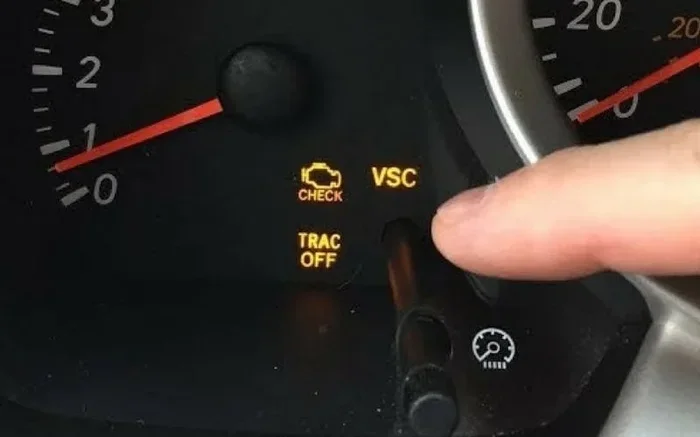
There are two types of VSC warnings you might see. The first is a yellow or amber triangle with an exclamation mark and the letters VSC. This usually means the system has been deactivated or there is a minor issue. The second is a red warning light, which is more serious and often indicates a problem with the braking system or a major component failure. Both require attention, but a red light means you should stop driving as soon as it is safe to do so.
The VSC light is closely related to other warning lights on your dashboard. You might notice it alongside the check engine light, the ABS light, or the traction control light. These systems share sensors and components, so when one goes down, the others often follow. Understanding this connection helps you figure out what is really going on under the hood.
Common Reasons the VSC Light Comes On in a Highlander
Several things can trigger the VSC light on your Toyota Highlander. Here are the most common causes that mechanics and experienced drivers see all the time:
- Faulty wheel speed sensors: These sensors monitor how fast each wheel is spinning. When one fails or gets dirty, the VSC system cannot calculate stability correctly.
- ABS module problems: The anti-lock braking system and VSC share the same control module. If the ABS has an issue, the VSC light will likely come on too.
- Low brake fluid: Insufficient brake fluid can trigger multiple warning lights, including the VSC indicator.
- Steering angle sensor calibration issues: After a steering repair or wheel alignment, the sensor may need recalibration.
- Yaw rate sensor failure: This sensor detects the rotation of the vehicle and is a core part of the stability control system.
- Electrical or wiring issues: Corroded connectors or damaged wiring harnesses can disrupt communication between sensors and the control module.
- Manually pressing the VSC off button: This is the simplest cause. If you or a passenger accidentally hit the VSC off button, the light will come on.
If you have been wondering whether you can still drive your Highlander with the VSC light on, the short answer is yes, but with caution. The long answer depends on what is causing the light to come on in the first place. For example, if you accidentally hit the VSC off button, the fix is simple. But if a wheel speed sensor has failed, you are driving without stability control, which can be dangerous in adverse conditions.
One thing to keep in mind is that driving with the VSC light on is similar to driving with the steering assist light on or the overheating light on. The car will still run, but you are missing a critical safety net that could save your life in an emergency.
Can You Safely Drive a Highlander With the VSC Light On?
The safety of driving with the VSC light on depends on several factors. Let us walk through the different scenarios so you can make an informed decision.
Short-Term Driving: Is It Okay?
If the VSC light comes on suddenly while you are driving, the first thing to do is stay calm. Your Highlander will still operate normally in most cases. The engine will still start, the transmission will still shift, and the brakes will still work. However, you have lost the stability control feature, which means the car is more likely to skid or slide during sharp turns or sudden stops.
For short distances, such as driving to the nearest mechanic or pulling into a safe parking lot, this is generally fine. Just avoid highway driving, wet roads, or any conditions where you need the extra stability the system provides. Think of it like driving without a seatbelt on a short trip. It is not ideal, and the risk is low for a brief moment, but you are better off with it on.
Long-Term Driving With the VSC Light On
Here is where things get more serious. Driving your Highlander for weeks or months with the VSC light on is not recommended. The stability control system works hand in hand with the traction control and ABS systems. When VSC is off, those systems may also be compromised. This means longer stopping distances, reduced grip on wet surfaces, and a higher chance of losing control during emergency maneuvers.
If you need to drive your Highlander daily while you wait for a repair, keep these tips in mind:
- Avoid driving in rain, snow, or icy conditions whenever possible.
- Reduce your speed significantly, especially on curves and hills.
- Increase your following distance to allow for longer braking times.
- Avoid sudden acceleration or hard braking.
- Have the vehicle inspected by a professional as soon as possible.
Also, if you are dealing with multiple warning lights at once, such as the VSC light alongside the check engine light or ABS light, the situation is more urgent. These overlapping warnings often point to a shared component failure that needs immediate attention.
How to Diagnose and Fix the VSC Light on a Highlander
Diagnosing the VSC light starts with reading the fault codes stored in your Highlander’s computer. Every modern Toyota has an onboard diagnostics system, known as OBD-II, that records error codes when something goes wrong. These codes tell you exactly what is triggering the VSC warning.
Step-by-Step Diagnosis
- Check the VSC off button first. Sometimes the simplest explanation is the right one. Look for the VSC button on your dashboard or center console. If it has been pressed, press it again to turn the system back on.
- Look for other warning lights. If the VSC light is on alongside the check engine light or ABS light, the issue is likely shared between these systems.
- Use an OBD-II scanner. Plug the scanner into the diagnostic port under your dashboard. The codes will tell you which sensor or component is causing the problem.
- Inspect wheel speed sensors. These are the most common culprits. Check for dirt, damage, or loose connections.
- Check brake fluid levels. Low brake fluid can trigger the VSC light indirectly through the ABS system.
- Have a mechanic inspect the yaw rate sensor and steering angle sensor. These require specialized tools to test and replace.
If you are not comfortable using an OBD scanner yourself, most auto parts stores like AutoZone will read the codes for free. And if you have ever wondered whether AutoZone can help with other Toyota issues, the answer is yes, they offer a range of diagnostic services beyond just key programming.
Common Fixes for VSC Light Issues
Once you know what is causing the VSC light, the fix is usually straightforward. Here are the most common repairs and their approximate costs:
- Resetting the VSC off button: Free. Just press the button again to reactivate the system.
- Cleaning wheel speed sensors: $20 to $50 for parts and labor if done at a shop.
- Replacing a wheel speed sensor: $100 to $250 depending on the Highlander model year.
- Replacing the ABS module: $300 to $800, including parts and labor.
- Refilling brake fluid: $20 to $40 for fluid and a top-off service.
- Recalibrating the steering angle sensor: $100 to $200 at a qualified Toyota dealership or mechanic.
The cost of fixing the VSC light varies widely depending on the root cause. A simple sensor cleaning costs very little, while replacing a major control module can be a significant expense. The key is to get the problem diagnosed early so it does not escalate into something more expensive and dangerous.
When to Pull Over and When to Keep Driving
Not every VSC light situation is the same. Here is a quick guide to help you decide what to do when the light comes on:
| Situation | Action |
|---|---|
| VSC light comes on briefly then goes off | Likely a temporary sensor glitch. Monitor it and get it checked at your next service. |
| VSC light stays on while driving | Drive cautiously to the nearest safe location or mechanic. Avoid highways and bad weather. |
| VSC light with red brake warning | Pull over immediately and call for assistance. This indicates a serious braking system issue. |
| VSC light with check engine light | Reduce speed and drive to a mechanic soon. The issue affects emissions and stability. |
| VSC light after hitting a pothole or curb | Get the vehicle inspected. Impact damage can knock sensors out of alignment. |
Remember that the VSC system is designed to protect you in the moments that matter most. When it is not working, you are essentially driving an older car without modern safety features. This is especially important for Highlander owners who carry passengers or tow loads, as the extra weight changes how the vehicle handles on the road.
It is also worth noting that the VSC system interacts with other safety features like drive mode settings on newer Toyota models. If your Highlander has select drive modes, a VSC malfunction may limit your options or change how the vehicle responds in different modes.
Preventing the VSC Light From Coming On
The best way to deal with the VSC light is to prevent it from coming on in the first place. Regular maintenance and good driving habits go a long way in keeping your Highlander’s stability control system working properly.
Here are some practical tips to keep the VSC light off and your Highlander running safely:
- Keep up with scheduled maintenance: Regular oil changes, brake inspections, and tire rotations help all your safety systems work better.
- Check brake fluid regularly: Low brake fluid is one of the easiest things to overlook and one of the most common triggers for multiple warning lights.
- Keep your tires in good condition: Worn tires reduce the effectiveness of the traction control system, which is closely linked to VSC.
- Clean wheel speed sensors: Mud, dirt, and road grime can build up on the sensors and cause false readings.
- Avoid deep water crossings: Submerging your wheels can damage wheel speed sensors and ABS components.
- Address warning lights promptly: Do not ignore any dashboard warning, even if the car seems to drive fine. Small problems become big problems fast.
- Get annual diagnostic checks: Even if no lights are on, a yearly scan with an OBD-II scanner can catch issues before they trigger warning lights.
These preventive steps are simple, but they make a huge difference in the longevity and safety of your Highlander. Think of it as the same idea as keeping your serpentine belt in good shape or any other routine maintenance task. A little effort now saves a lot of trouble later.
Expert Insights on VSC Systems in Toyota Highlanders
Toyota engineers designed the VSC system specifically for models like the Highlander because of their higher center of gravity and larger size. SUVs are more prone to rollover and loss of control during sharp maneuvers, which is why the VSC system is so important in these vehicles. According to Toyota’s own safety documentation, the VSC system has been credited with significantly reducing rollover accidents in SUVs since its introduction.
Experienced Toyota mechanics often share the same advice: do not ignore the VSC light. Even if the car feels fine to drive, the system is not working as intended, and that matters most in the moments when you need it the most. A wet road, a sudden stop, or a sharp turn at the wrong speed can all become dangerous without a functioning stability control system.
One thing many Highlander owners do not realize is that the VSC system also affects your vehicle’s fuel efficiency. When the system is active and correcting your driving, it is constantly making micro-adjustments to engine power and braking. A malfunctioning VSC system can sometimes cause the engine to run less efficiently, which is another reason to address the issue promptly.
Key Takeaways
- The VSC light means your stability control system is not working at full capacity: The car is still drivable, but with reduced safety features.
- Common causes include wheel speed sensors, ABS issues, and low brake fluid: These are all fixable with proper diagnosis.
- Short-term driving is generally safe: But avoid bad weather, highways, and aggressive driving until the issue is resolved.
- Use an OBD-II scanner to read fault codes: This is the fastest way to identify the root cause of the VSC light.
- Regular maintenance prevents most VSC issues: Keep your sensors clean, fluids topped off, and tires in good condition.
- A red VSC or brake warning light requires immediate action: Pull over safely and seek professional help.
- Do not ignore the light: Even if your Highlander feels fine, a non-functioning VSC system puts you and your passengers at greater risk.
Driving your Toyota Highlander with the VSC light on is possible, but it is not something you should do for long. The Vehicle Stability Control system is one of the most important safety features in your vehicle, and when it is not working, you are missing a layer of protection that Toyota engineers specifically designed to keep you safe. Whether the cause is a simple sensor reset or a more complex ABS module issue, getting the problem diagnosed and fixed should be your top priority.
If you are dealing with other warning lights or car issues at the same time, remember that many of these problems are connected. For instance, if you are also seeing a P0171 code, that is a separate issue that may or may not be related to your VSC light. You can find more about that situation in our guide on driving with a P0171 code. And if you are curious about other Toyota systems and how they affect your driving experience, understanding how different warning lights interact is key to being a confident and safe driver.
The bottom line is simple. Pay attention to your dashboard. When the VSC light comes on on your Highlander, take it seriously, get it checked, and do not drive in risky conditions until the repair is done. Your Highlander is a reliable vehicle, and with the right care, it will keep you and your family safe for many miles to come.
Frequently Asked Questions
Can I drive my Highlander with the VSC light on for a short distance?
Yes, you can drive a short distance with the VSC light on, such as to a nearby mechanic or a safe parking area. However, you should avoid highways, wet roads, and aggressive driving because the stability control system is not fully functioning. Treat it like a temporary situation and get the issue diagnosed as soon as possible.
How much does it cost to fix the VSC light on a Toyota Highlander?
The cost depends on the root cause. Simple fixes like resetting the VSC off button or cleaning a sensor cost little to nothing. More complex repairs like replacing a wheel speed sensor or ABS module can range from $100 to $800. An OBD-II scan at an auto parts store is the best first step to determine the exact cause and cost.
What is the difference between the VSC light and the check engine light?
The VSC light specifically indicates a problem with the Vehicle Stability Control system, which manages traction and stability. The check engine light is broader and can be triggered by many different issues, including emissions, engine performance, and sensor failures. They often appear together because these systems share sensors and control modules.
Can a dead battery cause the VSC light to come on?
Yes, a weak or dead car battery can cause the VSC light to illuminate. When the electrical system is not providing stable power, sensors and control modules can malfunction and trigger warning lights. If your VSC light came on after a battery jump or a dead battery situation, have the battery and charging system tested.
Should I reset the VSC light myself using a scanner?
Resetting the VSC light with a scanner will turn off the warning temporarily, but it will not fix the underlying problem. The light will likely come back once the car’s computer detects the issue again. Always diagnose the root cause first, then reset the light after the repair is complete.
Is it safe to drive a Highlander with the VSC light on in the rain?
No, it is not safe to drive in the rain with the VSC light on. The Vehicle Stability Control system is especially important in wet conditions because it helps prevent hydroplaning and loss of traction. Without it, your Highlander is much more likely to slide or skid, which increases the risk of an accident. Wait for the system to be repaired before driving in rainy conditions.