Are Toyota Hybrid CVTs Reliable for Long Term Driving
Toyota Hybrid CVTs are widely regarded as dependable for long term driving, combining a continuously variable transmission with a hybrid powertrain for smooth and efficient performance. Many Toyota owners report crossing 200,000 miles with minimal transmission issues. However, like any drivetrain, proper maintenance and driving habits play a big role in longevity.
Toyota Hybrid CVTs have earned a solid reputation among car buyers looking for a reliable and efficient drivetrain. If you are shopping for a Toyota hybrid or already own one, you probably wonder whether the continuously variable transmission will hold up over time. The short answer is yes, Toyota Hybrid CVTs are built to last. But like any complex system, they need proper care to reach their full lifespan.
In this article, we will break down everything you need to know about Toyota Hybrid CVT reliability. We will cover how the system works, common issues, maintenance tips, and real-world ownership experiences. Whether you drive a Toyota RAV4 Hybrid, a Camry Hybrid, or are considering making the switch, this guide has you covered.
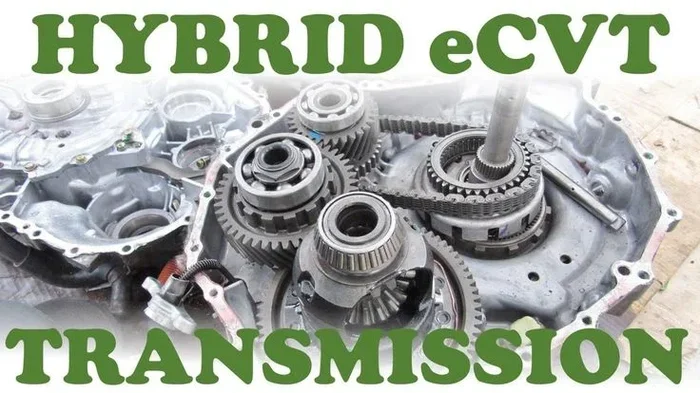
Many drivers are surprised to learn that Toyota’s hybrid transmission is not a traditional CVT in the same way non-hybrid CVTs operate. Toyota uses what is called an eCVT, which is a planetary gear set combined with electric motors. This design is fundamentally different from the belt-driven CVTs found in many other vehicles. Understanding this distinction is key to understanding why Toyota Hybrid CVTs tend to be so reliable.
Key Takeaways
- Toyota Hybrid CVTs have a strong reputation for reliability and are engineered to last the life of the vehicle.
- Regular transmission fluid changes are the single most important maintenance task for CVT longevity.
- Toyota’s eCVT system differs from traditional CVTs, using planetary gear sets that reduce common CVT wear issues.
- Most Toyota Hybrid CVT problems are preventable with proper fluid maintenance and gentle driving habits.
- Real-world owners report 200,000+ miles of trouble-free operation with routine care.
- Toyota’s hybrid warranty covers the drivetrain for 10 years or 100,000 miles in most states.
- Driving habits matter — avoid aggressive starts and sustained high-speed towing to protect the CVT.
📑 Table of Contents
How Toyota Hybrid CVTs Work
To understand reliability, you first need to understand the system. Toyota Hybrid CVTs use a planetary gear set, also known as a power-split device. This clever setup connects the gasoline engine, electric motor, and generator in a single compact unit. There is no traditional belt or chain that can stretch or snap.
The Power-Split Device Explained
The power-split device works by blending mechanical and electric power seamlessly. When you accelerate, the electric motor handles the initial pull. As speed increases, the gas engine engages more. The system constantly adjusts the ratio between the two power sources. This means there are no fixed gear ratios to shift between, which creates that smooth, seamless acceleration Toyota hybrids are known for.
Because there are fewer moving parts compared to a traditional automatic transmission, there is less wear and tear over time. This is one of the main reasons Toyota Hybrid CVTs outlast many conventional transmissions. The electric motors also act as a buffer, reducing the direct mechanical stress on the drivetrain.
eCVT vs Traditional CVT
It is important to distinguish between a traditional CVT and Toyota’s eCVT. A traditional CVT uses a rubber belt or chain running between two pulleys. These belts can wear out, slip, or make noise over time. Toyota’s eCVT eliminates the belt entirely. Instead, it uses planetary gears and electric motors to vary the effective gear ratio.
This fundamental design difference is why Toyota Hybrid CVT reliability is so much higher than what you see in many non-hybrid CVT vehicles. The eCVT simply has fewer parts that can fail mechanically.
Common Toyota Hybrid CVT Issues
While Toyota Hybrid CVTs are reliable, they are not completely immune to problems. Most issues arise from neglect or extreme driving conditions. Let us look at the most common concerns owners report.
Transmission Fluid Degradation
The most common issue with any CVT, including Toyota’s hybrid versions, is degraded transmission fluid. Over time, the fluid breaks down and loses its lubricating properties. This can lead to increased friction, overheating, and premature wear on internal components.
Toyota recommends checking the transmission fluid every 30,000 to 60,000 miles. Many owners skip this, which is the biggest mistake they make. Fresh fluid keeps everything running smoothly and extends the life of the transmission significantly.
Software and Sensor Issues
Some Toyota Hybrid CVT owners have reported software glitches or sensor malfunctions. These issues often show up as warning lights on the dashboard or unusual behavior during acceleration. In most cases, a software update from the dealer resolves the problem.
These are not mechanical failures. They are electronic quirks that Toyota has addressed through recalls and service campaigns. If you notice any warning lights, visit your dealer promptly. Catching software issues early prevents them from turning into bigger problems.
Overheating During Heavy Use
Toyota Hybrid CVTs are designed for normal daily driving. When you push them hard — such as towing heavy loads or driving aggressively for extended periods — the transmission can overheat. Overheating causes the fluid to break down faster and can damage internal seals.
If you regularly tow or carry heavy loads, consider installing an auxiliary transmission cooler. This simple upgrade can make a big difference in long term CVT reliability.
Maintenance Tips for Toyota Hybrid CVTs
Keeping your Toyota Hybrid CVT in top shape comes down to a few simple habits. Follow these tips and your transmission should last well beyond 200,000 miles.
Stick to the Maintenance Schedule
Toyota provides a clear maintenance schedule for every hybrid model. The transmission fluid change interval is one of the most important items on that list. Do not skip it. Use only the Toyota-recommended transmission fluid, as aftermarket fluids may not meet the same specifications.
Monitor Your Fluid Levels
Check your transmission fluid level regularly. Low fluid means the system is not getting proper lubrication. Look for leaks underneath the car and address them immediately. A small leak today can become a major repair tomorrow.
Drive Gently
Hard acceleration and sudden stops put extra stress on any transmission, including Toyota Hybrid CVTs. Smooth driving habits reduce wear and help the transmission last longer. This is especially true during the first 5,000 miles, when the transmission is still breaking in.
Keep the Hybrid Battery Healthy
The hybrid battery and the CVT work closely together. A failing hybrid battery puts extra strain on the transmission. Keep your battery in good condition by avoiding extreme discharge cycles and following the manufacturer’s charging guidelines.
Address Warning Signs Immediately
If you notice any unusual sounds, vibrations, or hesitation during acceleration, do not ignore them. Early diagnosis saves money and prevents minor issues from becoming major repairs. Take your car to a qualified Toyota technician at the first sign of trouble.
Real-World Reliability and Ownership Data
Let us look at what actual Toyota owners are saying about their Toyota Hybrid CVTs. Real-world data often tells a more honest story than manufacturer claims.
Toyota RAV4 Hybrid CVT Feedback
The Toyota RAV4 Hybrid is one of the best-selling hybrid SUVs on the market. Owner surveys consistently show high satisfaction with the drivetrain. Many RAV4 Hybrid owners report crossing 150,000 miles with zero transmission issues. The most common complaint is simply the need for regular fluid changes, which owners view as a small price to pay for the reliability they get.
Toyota Camry Hybrid CVT Feedback
The Camry Hybrid has been on the market for over a decade, giving us plenty of long-term data. Owners of older Camry Hybrids frequently report that the CVT feels just as smooth at 150,000 miles as it did when they first bought the car. The key factor among these satisfied owners is consistent maintenance. Those who changed the fluid on schedule had far fewer issues than those who did not.
Toyota Prius CVT Longevity
The Toyota Prius was one of the first mass-market hybrids and has accumulated millions of miles on the road. Prius owners are known for keeping their cars well past 200,000 miles, and the CVT is a big reason why. The eCVT design in the Prius has proven remarkably durable, especially when owners follow the recommended maintenance schedule.
One thing Prius owners often mention is that does a hybrid recharge while driving is a common question, and the answer is yes — the regenerative braking system helps keep the hybrid system healthy, which indirectly benefits the CVT by reducing strain on the drivetrain.
Comparing Toyota Hybrid CVTs to Competitors
How do Toyota Hybrid CVTs stack up against the competition? Let us compare Toyota’s hybrid transmission system to a few other popular options.
| Feature | Toyota Hybrid eCVT | Traditional CVT (Non-Hybrid) | Traditional Automatic |
|---|---|---|---|
| Moving Parts | Fewer (planetary gears) | Moderate (belt and pulleys) | Many (clutch packs and bands) |
| Common Failure Points | Fluid degradation, sensors | Belt wear, pulley issues | Clutch wear, solenoid failure |
| Average Lifespan | 200,000+ miles | 100,000-150,000 miles | 150,000-200,000 miles |
| Maintenance Cost | Low to moderate | Moderate | Moderate to high |
| Fuel Efficiency | Excellent | Good | Moderate |
| Driving Feel | Seamless and smooth | Smooth but can drone | Shifted, noticeable changes |
As you can see from the comparison, Toyota Hybrid CVTs have a clear advantage in terms of longevity and reliability. The eCVT design eliminates the most common failure points found in traditional CVTs and automatics. This is why Toyota hybrids consistently rank at the top of reliability surveys.
When to Seek Professional Help
Even with the best maintenance, there are times when professional help is necessary. Knowing when to visit a technician can save you from costly repairs down the road.
Warning Signs You Should Not Ignore
- Unusual noises — grinding, whining, or buzzing from the transmission area.
- Shuddering or vibration — especially during acceleration or at steady speeds.
- Delayed engagement — a noticeable pause when shifting from park to drive.
- Burning smell — this often indicates overheating transmission fluid.
- Dashboard warning lights — any transmission-related warning should be checked immediately.
- Fluid leaks — red or brown fluid pooling under your car.
If you experience any of these symptoms, do not wait. Early intervention is always cheaper and less complicated than major transmission repairs. Take your Toyota to a certified technician who has experience with hybrid drivetrains.
Long Term Ownership Outlook
So, are Toyota Hybrid CVTs reliable for the long haul? Based on the evidence, the answer is a resounding yes. Toyota has designed their hybrid transmissions to be among the most durable in the automotive industry. The eCVT system, combined with electric motor assist, reduces wear and distributes stress more evenly than conventional transmissions.
Owners who follow the maintenance schedule, drive responsibly, and address issues promptly can expect their Toyota Hybrid CVTs to last well beyond 200,000 miles. Some owners have reported reaching 300,000 miles with only routine fluid changes and no major transmission repairs.
The key is to remember that no drivetrain lasts forever without any care. Even the most reliable transmission needs regular attention. Fluid changes, gentle driving, and prompt attention to warning signs are the foundation of long-term CVT reliability.
One question that often comes up is whether can a hybrid run without gas. While a Toyota Hybrid can technically drive a short distance on electric power alone, the CVT and hybrid system are designed to work together with the gas engine for optimal performance and longevity. Running exclusively on electric for extended periods is not recommended and can put unnecessary strain on the hybrid battery.
Another common concern is whether you can drive a hybrid on gas only. The answer is yes, and many owners do this for highway driving. The hybrid system seamlessly switches between electric and gas power, and the CVT adapts to whatever power source is active. This flexibility is one of the biggest advantages of the Toyota Hybrid system and contributes to the overall reliability of the drivetrain.
Final Verdict on Toyota Hybrid CVT Reliability
Toyota Hybrid CVTs are among the most reliable transmissions available today. The eCVT design eliminates the weak points found in traditional belt-driven CVTs, and Toyota’s engineering ensures that the system can handle years of daily driving with minimal issues. Add in the electric motor’s role in reducing mechanical stress, and you have a drivetrain built to last.
The main factors that determine how long your Toyota Hybrid CVT will last are maintenance, driving habits, and operating conditions. Stay on top of fluid changes, drive smoothly, and address any issues promptly, and your transmission will reward you with years of reliable service.
If you are still on the fence about buying a Toyota hybrid, the CVT reliability alone is a strong selling point. Combined with excellent fuel economy, smooth driving dynamics, and Toyota’s strong warranty coverage, a Toyota Hybrid CVT is one of the smartest drivetrain choices you can make for long term ownership.
For more information about how hybrid systems work in everyday driving, check out our article on how hybrids recharge while driving to understand the full picture of hybrid powertrain operation.
Similarly, many owners ask whether you can charge a hybrid car at home. While Toyota hybrids do not need plug-in charging for the hybrid battery, understanding how the charging system works helps you appreciate why the CVT and hybrid system are so tightly integrated for reliability.
Finally, if you are curious about what happens when the gas tank runs low, our guide on whether a hybrid can run without gas provides detailed insights into how the Toyota hybrid system manages fuel and electric power together, which directly impacts CVT performance and longevity.
Frequently Asked Questions
How long do Toyota Hybrid CVTs last?
With proper maintenance, Toyota Hybrid CVTs routinely last 200,000 miles or more. Many owners report reaching 300,000 miles without any major transmission repairs. The key factor is staying on top of transmission fluid changes and driving habits.
What is the difference between a Toyota eCVT and a traditional CVT?
A Toyota eCVT uses a planetary gear set and electric motors instead of a belt and pulley system. This design has fewer moving parts and eliminates the most common failure points of traditional CVTs, making it significantly more reliable for long term driving.
How often should I change the transmission fluid in my Toyota Hybrid?
Toyota recommends changing the transmission fluid every 30,000 to 60,000 miles, depending on driving conditions. If you tow frequently or drive in stop-and-go traffic, consider changing it more often. Always use Toyota-recommended fluid.
Are Toyota Hybrid CVTs expensive to repair?
Compared to other transmissions, Toyota Hybrid CVTs are relatively affordable to maintain. Most issues are related to fluid degradation, which is a low-cost fix. Major repairs are rare and usually only occur with severe neglect or extreme operating conditions.
Can I tow with a Toyota Hybrid CVT?
Yes, but within the limits specified in your owner’s manual. Towing beyond the recommended capacity can overheat the CVT and accelerate wear. If you tow regularly, consider adding an auxiliary transmission cooler to protect the system.
Do Toyota Hybrid CVTs require special maintenance?
Toyota Hybrid CVTs do not require special maintenance beyond what any Toyota vehicle needs. Regular transmission fluid changes, gentle driving, and prompt attention to warning signs are all that is needed to keep the CVT running smoothly for the life of the vehicle.
=== CONCLUSION ===
Toyota Hybrid CVTs are a proven, reliable choice for long term driving. The eCVT design, combined with Toyota’s reputation for engineering excellence, gives owners confidence that their drivetrain will last for hundreds of thousands of miles. The key to unlocking that longevity lies in simple, consistent maintenance and smart driving habits.
Whether you already own a Toyota hybrid or are shopping for your next vehicle, the CVT should not be a source of concern. Follow the maintenance schedule, watch for warning signs, and enjoy the smooth, efficient performance that Toyota Hybrid CVTs are known for. With the right care, your Toyota Hybrid CVT will keep running strong well into the future.