At What Speed Do Toyota Hybrid Cars Switch From Battery
Toyota hybrid cars switch from battery to gas at different speeds depending on the model and driving conditions. Most Toyota hybrids transition from electric-only power to gasoline around 15-25 mph during light acceleration. Understanding this switchover helps you drive smarter, save fuel, and get the most out of your Toyota hybrid system.
Have you ever wondered when your Toyota hybrid stops running on battery and starts burning gas? It is a question that crosses the minds of many new hybrid owners. The answer is not as simple as one fixed speed number. Several factors decide when your Toyota makes the switch from electric to gasoline power.
In this guide, we will break down everything you need to know about the Toyota hybrid battery to gas transition. We will cover switchover speeds, how the hybrid system works, and practical tips to help you get the most out of electric driving. Whether you drive a Toyota Prius or another hybrid model, this article has you covered.
Understanding when your car switches power sources can help you drive more efficiently. It also helps you avoid surprises at the fuel pump. Let us dive into the world of Toyota hybrid technology and find out exactly what is happening under the hood.
Key Takeaways
- Switchover Speed: Most Toyota hybrids switch from battery to gas between 15-25 mph under normal driving conditions.
- EV Mode Matters: Electric-only driving is possible at low speeds and short distances in most Toyota models.
- Hybrid System Design: Toyota uses a power split device that seamlessly blends electric and gas power.
- Fuel Efficiency Tips: Gentle acceleration and regenerative braking help maximize electric driving time.
- Model Differences: Different Toyota hybrid models have varying electric range and switchover behaviors.
- Self-Charging Hybrids: Toyota self-charging hybrids do not need to be plugged in and recharge while driving.
📑 Table of Contents
- How Toyota Hybrid Systems Work
- At What Speed Do Toyota Hybrids Switch From Battery to Gas
- Factors That Affect the Switchover Speed
- Toyota Hybrid Models and Their Electric Range
- How to Maximize Electric Driving and Fuel Efficiency
- Common Myths About Toyota Hybrid Switchover
- What Happens When the Battery Dies
- Conclusion
How Toyota Hybrid Systems Work
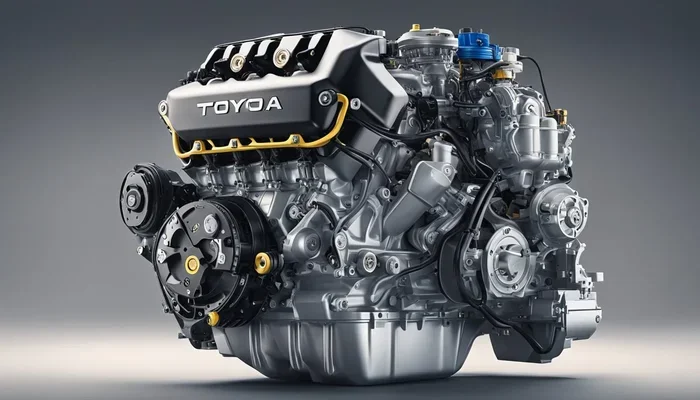
Toyota hybrid cars use a clever system that combines an electric motor with a gasoline engine. This setup is often called the Toyota Hybrid Synergy Drive. The system automatically decides when to use electric power, gas power, or both. You do not need to make any manual choices in most cases.
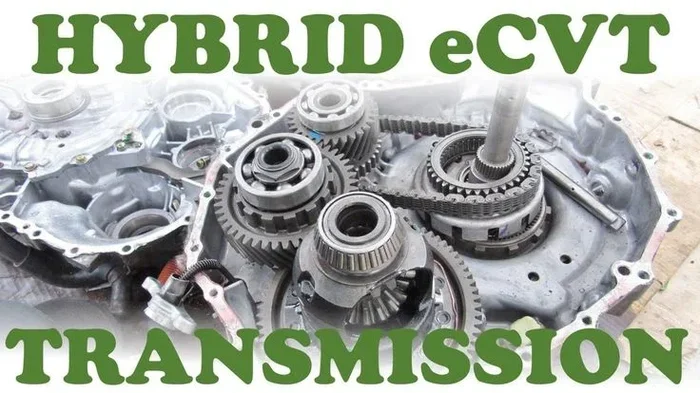
The heart of the system is the power split device. This clever mechanism acts like a traffic controller for power. It sends energy from the battery to the electric motor, the gas engine, or both at the same time. The result is smooth, efficient driving with no jerky transitions.
Here is how the basic Toyota hybrid system works:
- The hybrid battery stores electrical energy.
- The electric motor drives the car at low speeds.
- The gasoline engine kicks in when more power is needed.
- Regenerative braking charges the battery while you slow down.
- The system constantly balances both power sources for best efficiency.
The Role of the Electric Motor
The electric motor in a Toyota hybrid does the heavy lifting at low speeds. When you start the car and begin driving, the electric motor takes you forward silently. This is what many people love about hybrid cars. There is no engine noise at stoplights or in parking lots.
The electric motor also provides instant torque. This means quick, smooth acceleration from a standstill. Gas engines, on the other hand, need to rev up to deliver their best power. The electric motor simply does not have this problem.
The Role of the Gasoline Engine
The gasoline engine takes over when you need more power. This happens during highway driving, hard acceleration, or when climbing hills. The gas engine also kicks in when the hybrid battery charge drops too low. It then acts as a generator to recharge the battery while you drive.
One of the best things about Toyota hybrid technology is how seamlessly these two power sources work together. You barely notice the transition most of the time. The car handles all the switching automatically.
At What Speed Do Toyota Hybrids Switch From Battery to Gas
This is the big question, and the answer depends on several factors. Most Toyota hybrids switch from electric-only to a combination of electric and gas power somewhere between 15 and 25 mph. However, this is not a hard and fast rule. Different models and driving situations change the numbers.
During light cruising at low speeds, your Toyota can stay in EV mode for quite a while. EV mode means the car runs purely on battery power. This is the most fuel-efficient way to drive. You will notice the gas engine stays off during this time.
Here are the general speed ranges for the battery to gas switch in Toyota hybrids:
- Under 15 mph: The car usually stays in electric-only mode.
- 15-25 mph: The hybrid system begins blending electric and gas power.
- 25-45 mph: The gas engine becomes more active during normal driving.
- Above 45 mph: The gasoline engine takes over for steady highway cruising.
Keep in mind that these are general ranges. Your actual experience may vary based on how hard you press the accelerator, the road conditions, and the specific Toyota model you drive.
What Triggers the Switchover
The hybrid control computer decides when to switch power sources. It monitors several inputs constantly:
- Vehicle speed: Higher speeds demand more power, triggering the gas engine.
- Accelerator position: Hard acceleration needs the gas engine to assist.
- Battery charge level: A low battery signals the gas engine to recharge it.
- Power demand: Climbing hills or carrying heavy loads triggers the gas engine.
- Climate control: Using the air conditioning can cause the gas engine to start.
All of these factors work together in real time. The hybrid system makes thousands of decisions every second to balance performance and efficiency.
EV Mode and When It Works
Many Toyota hybrids offer an EV mode button. This lets you force the car to run on electric power only. EV mode works best at low speeds and short distances. You will typically get about 1 to 2 miles of electric-only driving in most Toyota models.
EV mode is perfect for driving through parking lots, residential streets, or short trips to the store. It is also great for reducing emissions in areas with strict air quality rules. However, the system will automatically switch to gas if the battery gets too low or you need more power.
Some newer Toyota models have an EV mode that lasts longer than older ones. This is thanks to improved hybrid battery technology. Always check your owner’s manual for the exact EV mode range of your specific model.
Factors That Affect the Switchover Speed
The speed at which your Toyota hybrid switches from battery to gas is not always the same. Several factors influence this transition. Understanding these factors helps you drive smarter and get better fuel economy.
Driving Style
How you drive has a huge impact on when the switchover happens. Gentle, smooth acceleration keeps the car in electric mode longer. If you mash the accelerator, the gas engine wakes up immediately to provide extra power.
Here are some driving tips to stay in electric mode longer:
- Accelerate gently from stops.
- Maintain steady speeds when possible.
- Use cruise control on flat highways.
- Avoid sudden bursts of speed.
- Predict traffic flow to ease off the accelerator early.
Battery Charge Level
The state of charge of your Toyota hybrid battery plays a big role. If the battery is fully charged, the car will stay in EV mode longer. If the battery is low, the gas engine will start sooner to recharge it.
This is actually a clever design feature. The system prioritizes keeping the battery at an optimal charge level. It uses the gas engine as a generator when needed. This is why you sometimes see the gas engine running even when you are driving at low speeds.
Temperature and Weather
Cold weather can affect how your hybrid system operates. In very cold temperatures, the battery is less efficient. The gas engine may start more often to keep the battery warm and maintain performance. In hot weather, the air conditioning system can also trigger the gas engine to run.
Similarly, using features like heated seats or defrosters draws power. The hybrid system may switch to gas mode to handle these extra electrical loads. Being aware of this helps you understand why your car behaves differently in various weather conditions.
Load and Road Conditions
Carrying heavy cargo or towing a trailer increases power demand. The gas engine will kick in at lower speeds to handle the extra load. Driving uphill also triggers the switchover sooner because climbing requires more energy.
On the flip side, driving downhill or on flat roads with no cargo keeps the car in electric mode longer. Regenerative braking also helps recharge the battery during downhill drives, making the whole system more efficient.
Toyota Hybrid Models and Their Electric Range
Different Toyota hybrid models have different capabilities. The electric range and switchover behavior vary from model to model. Here is a look at some popular Toyota hybrids and how they handle the battery to gas transition.
Toyota Prius
The Toyota Prius is the most well-known hybrid car in the world. It is designed from the ground up as a hybrid. The Prius can run on electric power alone at low speeds for about 1 to 2 miles. The switchover to gas typically happens around 15-20 mph during light acceleration.
The Prius uses Toyota’s latest Hybrid Synergy Drive system. This system is highly efficient and offers one of the best fuel efficiency ratings in the hybrid segment. The Prius Prime, the plug-in version, can go even farther on electric power alone.
Toyota RAV4 Hybrid
The Toyota RAV4 Hybrid is a popular SUV that combines versatility with hybrid efficiency. The switchover speed is similar to the Prius, around 15-25 mph. However, because the RAV4 is heavier, the gas engine may engage more often during acceleration or when carrying passengers and cargo.
The RAV4 Hybrid offers a good balance of electric driving and gas engine support. It is a great choice for families who want the benefits of hybrid technology without sacrificing space or utility.
Toyota Camry Hybrid
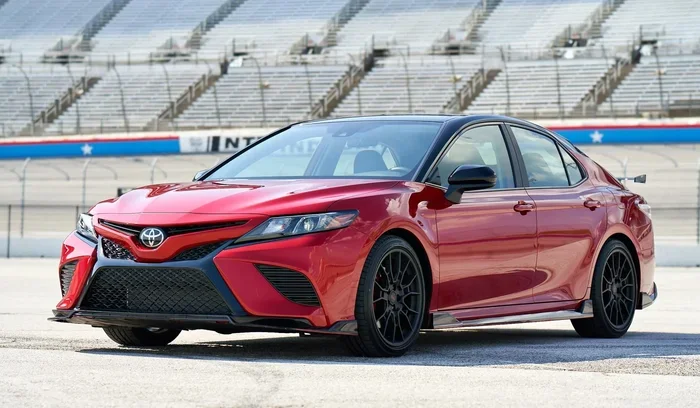
The Toyota Camry Hybrid is a midsize sedan with impressive hybrid capabilities. It switches from battery to gas at similar speeds as other Toyota hybrids. The Camry Hybrid offers a smooth, quiet ride in electric mode and strong performance when the gas engine joins in.
Camry Hybrid owners often report excellent fuel economy, especially in city driving. The stop-and-go nature of city traffic is actually ideal for hybrid systems. The regenerative braking system keeps the battery charged during frequent stops.
Toyota Corolla Hybrid
The Toyota Corolla Hybrid brings hybrid technology to the compact car segment. It offers a smaller electric motor and battery compared to larger models. The switchover happens around the same 15-25 mph range. However, the electric-only range is shorter due to the smaller battery.
Despite the smaller battery, the Corolla Hybrid delivers excellent fuel economy. It is a great option for buyers who want a reliable, efficient daily commuter without a big price tag.
How to Maximize Electric Driving and Fuel Efficiency
Want to get the most out of your Toyota hybrid’s electric mode? There are several practical steps you can take. These tips help you stay on battery power longer and reduce your gas consumption.
Drive Smoothly and Predictably
The single best way to maximize electric driving is to drive smoothly. Avoid hard acceleration and heavy braking. Instead, ease onto the accelerator and lift off early when you see a red light or stop sign ahead. This keeps the car in EV mode and lets regenerative braking recharge the battery.
Use EV Mode When Possible
If your Toyota has an EV mode button, use it! EV mode forces the car to stay in electric-only driving as long as the battery allows. This is perfect for low-speed driving in neighborhoods, parking structures, or short trips around town.
Just remember that EV mode has limits. The system will automatically switch to gas when the battery needs recharging or when you demand more power. Think of EV mode as a tool you can use strategically, not a permanent setting.
Keep Your Battery Healthy
Taking care of your Toyota hybrid battery ensures the system works at its best. Here are some tips for battery health:
- Avoid letting the battery stay at very low charge for long periods.
- Drive regularly to keep the battery active and balanced.
- Follow the recommended maintenance schedule for your hybrid system.
- Keep the car in shaded areas during extreme heat to protect battery life.
Plan Your Routes
If you want to maximize electric driving, plan routes with lower speed limits and fewer highway miles. City streets and residential roads are ideal for EV mode driving. Highway driving at steady speeds above 45 mph relies more heavily on the gas engine.
That said, highway driving still offers great fuel economy in a Toyota hybrid. The gas engine is very efficient at steady cruising speeds. The best approach is a mix of city and highway driving for the overall best results.
Common Myths About Toyota Hybrid Switchover
There are several myths floating around about how Toyota hybrids switch between battery and gas. Let us clear up some of the most common misconceptions.
Myth 1: The Switch Is Sudden and Jarring
Many people expect a noticeable jolt when the hybrid switches from electric to gas. In reality, the transition is incredibly smooth. Toyota designed the system to be seamless. Most drivers barely notice when the switchover happens.
Myth 2: Hybrids Only Run on Gas
Some skeptics believe that hybrids are just regular cars with a bigger battery. This is far from the truth. Toyota hybrids run on electric power at low speeds and during light driving. The gas engine only kicks in when needed. This is what makes hybrids so fuel-efficient.
Myth 3: You Need to Plug In Your Toyota Hybrid
Most Toyota hybrids are self-charging. They do not need to be plugged into an electrical outlet. The regenerative braking system and the gas engine recharge the battery while you drive. This is one of the biggest advantages of Toyota hybrid technology.
However, some Toyota models like the Prius Prime and RAV4 Prime are plug-in hybrids. These offer longer electric-only range but still use gas when the battery is depleted. For the standard self-charging hybrids, no plugging in is required.
Myth 4: The Battery Needs Frequent Replacement
Toyota hybrid batteries are built to last. Many Toyota hybrid owners drive over 200,000 miles without needing a battery replacement. Toyota also offers extensive warranties on hybrid batteries, often covering them for 8-10 years or 100,000 miles.
What Happens When the Battery Dies
You might wonder what happens if the hybrid battery completely fails. Can a Toyota hybrid still run? The answer is yes, but with limitations. If the hybrid battery dies, the gas engine can still power the car in some situations. However, performance will be greatly reduced, and fuel economy will suffer significantly.
In most cases, the car will not start or will go into a protective mode if the battery fails completely. This is a safety feature designed to prevent damage to the hybrid system. If you ever experience a dead hybrid battery, it is best to have the car towed to a certified Toyota service center.
Regular maintenance and proper care go a long way in preventing battery failure. Keeping the battery healthy ensures your Toyota hybrid runs smoothly for many years to come.
Conclusion
So, at what speed do Toyota hybrid cars switch from battery to gas? The answer is typically between 15 and 25 mph, but it depends on your driving style, battery charge, model, and conditions. Toyota’s hybrid system is designed to be smart and automatic, seamlessly blending electric and gas power for the best of both worlds.
Understanding how your Toyota hybrid works helps you drive more efficiently and save money on fuel. Use EV mode when possible, drive smoothly, and keep your battery healthy. These simple steps make a big difference in your overall fuel economy and driving experience.
Toyota hybrid technology continues to evolve and improve. Newer models offer longer electric range, better efficiency, and smoother transitions between power sources. Whether you are considering buying a Toyota hybrid or already own one, knowing how the system works gives you an edge.
Embrace the benefits of hybrid driving. Enjoy the quiet electric mode in the city and the powerful gas engine on the highway. Your Toyota hybrid is designed to do the thinking for you. All you need to do is enjoy the ride and watch those fuel savings add up over time.
Frequently Asked Questions
Do all Toyota hybrids switch from battery to gas at the same speed?
No, the switchover speed varies by model and driving conditions. Most Toyota hybrids transition between 15-25 mph, but factors like driving style, battery charge, and temperature can change when the gas engine engages.
Can a Toyota hybrid run on battery only?
Yes, Toyota hybrids can run on battery power alone at low speeds and for short distances, typically 1-2 miles. This electric-only mode is most effective in stop-and-go traffic and low-speed driving situations.
Is it bad to drive a Toyota hybrid only on gas?
Driving only on gas occasionally will not harm your hybrid system. However, regular use of electric mode helps maximize fuel efficiency and reduces wear on the gas engine over time.
How does regenerative braking help the hybrid battery?
Regenerative braking captures energy normally lost during braking and converts it back into electrical energy. This energy recharges the hybrid battery, allowing the car to stay in electric mode longer and improving overall fuel economy.
Do Toyota hybrids need to be plugged in to charge the battery?
Most Toyota hybrids are self-charging and do not need to be plugged in. The gas engine and regenerative braking system keep the battery charged during normal driving. Only plug-in hybrid models like the Prius Prime require external charging.
What should I do if my Toyota hybrid does not switch from battery to gas?
If your hybrid never switches to gas mode, it could indicate a system issue. Check that the hybrid battery is charging properly and consult your owner’s manual. If the problem persists, visit a certified Toyota service center for diagnosis.