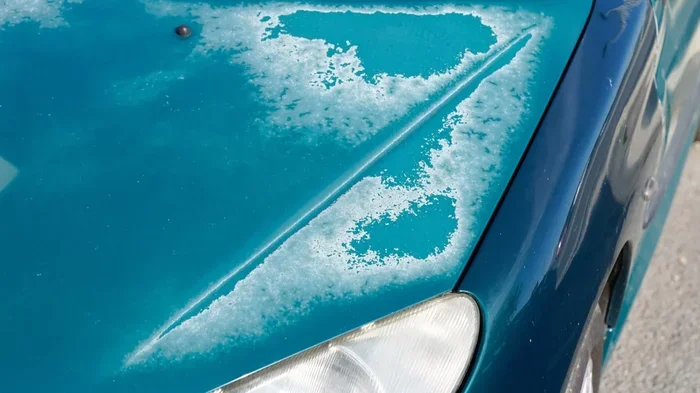
Does Car Insurance Cover Paint Damage On Your Vehicle
Car insurance may cover paint damage, but it depends entirely on your policy type and what caused the damage. Comprehensive and collision coverage typically pay for paint repairs from accidents, weather, or vandalism, while liability insurance usually does not. Understanding your policy details, deductible, and claim process can save you time and money when your car’s exterior gets damaged.
Your car takes a beating every day. Bird droppings, tree sap, shopping cart dings, and road debris all take a toll on your paint job. So when you notice a fresh scratch or a chipped panel, the first question that pops into your head is usually the same: does car insurance cover paint damage?
The short answer is: it depends. Your coverage type, the cause of the damage, and your specific policy all play a role. Some drivers walk away with a full payout. Others end up paying out of pocket. Let us break down exactly how car insurance handles paint damage so you know what to expect.
Understanding your auto insurance policy can feel overwhelming. There are dozens of coverage types, deductibles, limits, and exclusions. But when it comes to paint damage, the rules are actually pretty straightforward once you know the basics. This guide walks you through everything you need to know in plain, simple language.
Key Takeaways
- Comprehensive coverage usually covers paint damage from non-collision events like weather, hail, and vandalism.
- Collision coverage pays for paint damage resulting from car accidents and collisions.
- Liability insurance alone will not cover paint damage to your own vehicle.
- Your deductible applies before insurance kicks in, so minor repairs may not be worth filing a claim for.
- Filing a claim can increase your premiums, so weigh the repair cost against the potential rate hike.
- Paintless dent repair and touch-up paint are cost-effective options for minor paint damage.
- Documenting damage with photos and police reports strengthens your insurance claim.
📑 Table of Contents
- Does Car Insurance Cover Paint Damage?
- How Does the Claims Process Work for Paint Damage?
- How Much Does Paint Repair Cost?
- Will Filing a Paint Damage Claim Raise Your Premium?
- How to Prevent Paint Damage on Your Car
- Comprehensive vs. Collision: Which One Pays for Paint Damage?
- Common Mistakes People Make With Paint Damage Claims
- Expert Insights on Paint Damage and Insurance
- How to Choose the Right Insurance for Paint Protection
- Final Thoughts on Car Insurance and Paint Damage
Does Car Insurance Cover Paint Damage?
The big question everyone wants answered. And the honest truth is that car insurance covers paint damage only under certain conditions. Not every situation qualifies for a payout. Your policy type and the cause of the damage are the two biggest factors.
Most standard auto insurance policies include several types of coverage. Some pay for damage to your car. Others pay for damage you cause to someone else. The ones that pay for your own car’s paint damage fall into two main categories: comprehensive coverage and collision coverage.
What Types of Car Insurance Cover Paint Damage?
Let us look at the specific types of coverage that can help with paint repairs. Not all insurance is created equal, and knowing the difference saves you from surprises.
Comprehensive Coverage. This type of insurance covers damage that does not involve a collision. Think of events like storms, falling objects, vandalism, theft, and animal encounters. If a tree branch falls on your car and scratches the paint, comprehensive coverage usually steps in. If someone keying your car at the grocery store, comprehensive coverage has you covered too.
Collision Coverage. This covers damage from accidents involving another vehicle or object. If you rear-end someone and your bumper gets scratched, collision coverage applies. If you hit a guardrail and chip your paint, collision coverage pays for the repairs.
Liability Coverage. This is the most basic and legally required type of insurance in most states. But here is the catch: liability coverage only pays for damage you cause to others. It does not pay for damage to your own car. So if your paint gets damaged and you only carry liability insurance, you are paying out of pocket.
Uninsured Motorist Coverage. If another driver hits your car and they do not have insurance, uninsured motorist coverage can pay for paint damage. This coverage varies by state, so check your local regulations.
When Does Insurance NOT Cover Paint Damage?
Insurance companies are not in the business of giving away free money. There are clear situations where they will deny a paint damage claim. Understanding these exclusions helps you avoid frustration.
- Wear and tear. Insurance does not cover normal aging. Fading paint, minor chips from everyday driving, and general deterioration are not covered.
- Negligence. If you know your car has a scratch and do nothing about it, and the damage worsens, the insurer may deny the claim.
- Intentional damage. If you or someone in your household deliberately damages the paint, the claim gets denied.
- Racing or illegal activity. Damage from street racing or illegal use of your vehicle is not covered.
- Pre-existing damage. If the paint damage existed before your policy started, insurance will not pay for it.
How Does the Claims Process Work for Paint Damage?
Filing an insurance claim for paint damage is not as complicated as it sounds. But it does require some effort on your part. Here is a step-by-step look at what to expect.
Step 1: Document the Damage
Before you call your insurance company, take photos. Lots of them. Capture every scratch, chip, and dent from multiple angles. Get close-up shots and wide-angle shots. This evidence matters a lot when you file your claim. If the damage happened in a parking lot and there are no witnesses, photos become your best friend.
Also, write down everything you remember. What happened? When did it happen? Where exactly did the damage occur? These details help your adjuster assess the claim quickly.
Step 2: Contact Your Insurance Company
Call your insurance provider as soon as possible. Most companies have 24-hour claims hotlines. When you call, they will ask for details about the incident. Have your policy number, photos, and notes ready. The sooner you report, the smoother the process goes.
Your insurer will assign you a claim number and may ask you to visit an approved repair shop. Some companies let you choose your own shop, but others require you to use one from their network.
Step 3: Get an Estimate
An adjuster will review the damage and provide an estimate. This estimate covers the cost of repairs. If you disagree with the amount, you can request a second estimate or ask for a re-evaluation. Be prepared to explain why you think the estimate is too low.
Step 4: Pay Your Deductible
Your deductible is the amount you pay before insurance kicks in. If your deductible is $500 and the paint repair costs $1,200, you pay $500 and insurance covers the remaining $700. Deductibles vary by policy, so check your documents carefully.
Step 5: Get the Repair Done
Once the claim is approved, you can get the repair done. The insurance company either pays the shop directly or reimburses you after the repair is complete. Keep all receipts and documentation throughout the process.
How Much Does Paint Repair Cost?
The cost of paint repair varies wildly depending on the type and severity of the damage. Here is a realistic look at what you might pay out of pocket.
| Type of Damage | Average Cost | Covered by Insurance? |
|---|---|---|
| Minor scratch (clear coat only) | $50 – $150 | Comprehensive or Collision |
| Deep scratch (into primer) | $150 – $400 | Comprehensive or Collision |
| Chip or dent (small) | $50 – $150 | Comprehensive or Collision |
| Panel repaint (single panel) | $300 – $800 | Comprehensive or Collision |
| Full bumper repaint | $500 – $1,500 | Comprehensive or Collision |
| Full body repaint | $3,000 – $10,000 | Comprehensive or Collision |
| Vandalism (keying) | $200 – $1,000 | Comprehensive |
| Hail damage (multiple dents) | $1,000 – $5,000 | Comprehensive |
As you can see, the costs add up fast. A single deep scratch can cost $400 or more. And if hail damages multiple panels, the bill can easily reach thousands of dollars. This is exactly why having the right coverage matters so much.
For minor issues, you might consider touch-up paint or paintless dent repair. These options cost less and do not even require an insurance claim. Touch-up paint works great for small chips and scratches. You can do it yourself with a kit from an auto parts store. Paintless dent repair removes dents without repainting the panel, which preserves your original factory finish.
Will Filing a Paint Damage Claim Raise Your Premium?
This is the question most drivers are afraid to ask, but it is a very important one. The short answer is: maybe. Filing a claim can cause your rates to go up, but it depends on several factors.
Insurance companies view claims as risk indicators. If you file one claim, they may see you as more likely to file another. This perception can lead to a premium increase at your next renewal. The increase varies by company and state, but it typically ranges from 10% to 40%.
However, there are situations where filing a claim makes sense even if your rates might rise. If the repair cost far exceeds your deductible and your annual premium increase, the claim is worth it. For example, if a repair costs $2,000 and your deductible is $500, you save $1,500 even if your premium goes up by $200 over the next few years.
On the other hand, if the repair costs $300 and your deductible is $500, filing a claim does you no good. You would pay the full $300 out of pocket anyway, and the claim still shows up on your record.
Here are some tips to help you decide:
- Compare the claim cost to the premium increase. If the repair cost minus your deductible is more than the expected premium increase over three years, file the claim.
- Check your claims history. If you have not filed any claims in the past few years, one claim is less likely to trigger a significant rate hike.
- Consider your insurer’s accident forgiveness program. Some companies offer accident forgiveness for first-time claims, which means your rates will not go up.
- Ask your agent directly. Call your insurance agent and ask how a claim would affect your rates. They can give you a realistic estimate.
How to Prevent Paint Damage on Your Car
Prevention is always better than repair. Taking a few simple steps can protect your car’s paint and save you money on repairs and claims. Here are practical tips that actually work.
Park Smart
Where you park matters more than you think. Avoid parking under trees where sap and bird droppings can damage your paint. Stay away from areas where shopping carts are handled roughly. If you have a garage, use it. Parking indoors protects your car from UV rays, rain, hail, and falling debris.
If street parking is your only option, consider a car windshield sunshade to protect your interior and reduce heat buildup that can weaken your paint over time. A sunshade is a small investment that pays off in the long run.
Wash and Wax Regularly
Regular washing removes dirt, bird droppings, tree sap, and other contaminants that eat away at your clear coat. Waxing adds a protective layer that shields your paint from UV rays and minor scratches. A good rule of thumb is to wash your car every two weeks and wax it once a month.
Be careful not to wash your car too much with harsh methods, though. Automatic car washes with rough brushes can create fine scratches over time. Stick to gentle hand washing or touchless automatic washes whenever possible.
Use Paint Protection Products
Ceramic coatings, paint protection films, and sealants offer an extra layer of defense. Ceramic coatings create a hydrophobic barrier that repels water and dirt. Paint protection films (clear bras) cover vulnerable areas like the front bumper and hood. These products are especially useful if you live in an area with harsh weather or lots of road debris.
Drive Defensively
Maintain a safe following distance to avoid debris kicked up by other vehicles. Avoid tailgating trucks that can throw rocks at your windshield and paint. In parking lots, choose spaces away from busy traffic lanes where doors might ding your car.
Comprehensive vs. Collision: Which One Pays for Paint Damage?
Understanding the difference between comprehensive and collision coverage is essential. These two types of coverage handle different situations, and knowing which applies to your paint damage helps you file the right claim.
Collision Coverage Explained
Collision coverage pays for damage to your car resulting from a crash with another vehicle or object. This includes parking lot fender-benders, hitting a guardrail, or rolling your car. If the collision causes paint damage, collision coverage pays for the repairs minus your deductible.
Collision coverage typically has a higher premium than comprehensive coverage. But it provides valuable protection for the most common type of paint damage: accidents.
Comprehensive Coverage Explained
Comprehensive coverage handles everything else. Weather events, fire, theft, vandalism, falling objects, animal damage, and natural disasters all fall under comprehensive coverage. If a hail storm dents your hood and cracks the paint, comprehensive coverage pays for the repair.
Comprehensive coverage usually has a lower deductible and premium than collision coverage. It is an affordable add-on that provides broad protection for your car’s exterior.
Which One Do You Need?
If you want full protection for paint damage, you need both comprehensive and collision coverage. Together, they form what people commonly call full coverage car insurance. Full coverage protects your car from almost any cause of paint damage, whether it is an accident or a weather event.
However, full coverage comes at a cost. The combined premiums for comprehensive and collision can add $100 to $300 or more to your monthly insurance bill. Whether it is worth it depends on your car’s value, your driving habits, and your risk tolerance.
Common Mistakes People Make With Paint Damage Claims
Avoid these common mistakes that can cost you time, money, and a successful claim.
- Waiting too long to report. Delaying your claim can lead to a denial. Report damage as soon as you notice it.
- Not getting enough photos. Insufficient documentation weakens your claim. Take photos before anything is repaired.
- Choosing the wrong repair shop. Some insurers require you to use their preferred shops. Going outside the network can delay payment.
- Admitting fault. Do not admit fault at the scene of an accident, even if you think you might be responsible. Let the insurance company determine fault.
- Ignoring small damage. A small scratch today can become rust and bigger damage tomorrow. Address paint damage promptly.
- Not reading your policy. Every policy is different. Know exactly what your coverage includes before you need to file a claim.
Expert Insights on Paint Damage and Insurance
Insurance adjusters and auto body repair professionals agree on a few key points about paint damage claims. First, the cause of damage matters more than the cost. A $200 hail dent under comprehensive coverage is more likely to be approved than a $50 scratch from normal wear and tear.
Second, the repair method affects the claim. Modern repair techniques like paintless dent repair cost less and preserve your car’s original paint. Insurers prefer these methods because they are cheaper and faster. If your repair shop offers paintless options, ask about them before agreeing to a full repaint.
Third, keep your car well-maintained. Regular cleaning and protection not only preserves your paint but also strengthens your position if you ever need to file a claim. A well-maintained car shows the insurer that you take care of your property, which works in your favor during the claims process.
One thing many drivers overlook is that your car’s overall condition affects its value. Paint damage that goes unrepaired can reduce your car’s resale value and curb appeal. Even if insurance does not cover a minor repair, fixing it promptly protects your investment.
How to Choose the Right Insurance for Paint Protection
If you are shopping for a new policy or considering adding coverage, here are tips to make sure your paint is protected.
- Opt for full coverage. Combine comprehensive and collision coverage for the most complete paint protection.
- Check the deductible. A lower deductible means less out-of-pocket cost when you file a claim. But it also means a higher premium. Find the balance that works for your budget.
- Read the exclusions. Understand what your policy does not cover. Some policies exclude certain types of damage or have specific limits.
- Ask about OEM parts. Original Equipment Manufacturer parts match your car’s original paint quality. Aftermarket parts may not match perfectly.
- Consider a bumper-to-bumper warranty. Some extended warranties cover paint defects and premature fading that standard insurance does not.
Remember, the right insurance policy is not just about covering accidents. It is about giving you peace of mind. When you know your paint is protected, you can enjoy your car without worrying about every little scratch and chip.
Final Thoughts on Car Insurance and Paint Damage
Car insurance can cover paint damage, but the right coverage and circumstances are essential. Comprehensive and collision coverage handle most paint damage claims, while liability insurance alone does not. The cause of the damage, your policy details, and your deductible all determine whether you get a payout.
Before you file a claim, weigh the repair cost against the potential premium increase. For minor damage, paying out of pocket might be the smarter choice. For significant damage, filing a claim can save you hundreds or even thousands of dollars.
Take care of your car’s paint through regular washing, waxing, and smart parking habits. And if damage does occur, document everything, report it promptly, and work with your insurer to get the best outcome. Your car’s paint is part of its value and its protection. Make sure your insurance reflects that.
Understanding your policy takes a little time, but it pays off every time you need it. Stay informed, stay covered, and keep your car looking its best.
Frequently Asked Questions
Does full coverage car insurance cover paint damage?
Yes, full coverage, which includes both comprehensive and collision coverage, typically covers paint damage from most causes. Collision covers damage from accidents, while comprehensive covers damage from non-collision events like weather, vandalism, and falling objects. However, normal wear and tear is never covered.
Will my insurance pay for a small scratch on my car?
It depends on the cause and your policy. If the scratch resulted from a covered event like vandalism or an accident, your comprehensive or collision coverage may pay for it. But if the repair cost is close to or below your deductible, it is usually not worth filing a claim. You may save money by paying for a small scratch yourself.
How long does a paint damage insurance claim take to process?
Most insurance companies process paint damage claims within 2 to 4 weeks. The timeline depends on the complexity of the damage, the adjuster’s availability, and how quickly you submit your documentation. Simple claims with clear evidence can be resolved faster, while complex damage may require additional assessment.
Can I use any repair shop for my paint damage claim?
Some insurance companies have a network of preferred repair shops and may require you to use one of them. Others let you choose any licensed auto body shop. Check with your insurer before selecting a repair shop to avoid delays in payment. Using an approved shop often streamlines the process.
Does filing a paint damage claim affect my no-claims bonus?
Yes, filing a claim can affect your no-claims bonus or discount. Most insurers reduce your no-claims discount when you file a claim, which can increase your premium at renewal. However, some companies offer accident forgiveness programs that protect your discount for a first-time claim. Ask your insurer about this option before filing.
What should I do immediately after noticing paint damage on my car?
First, document the damage by taking clear photos from multiple angles. Next, check your surroundings for any evidence of what caused the damage, like security camera footage or witness statements. Then, contact your insurance company to report the incident and ask about the claims process. Finally, avoid touching or attempting repairs until the adjuster has assessed the damage, as this could complicate your claim.
=== CONCLUSION ===
Car insurance can cover paint damage, but the coverage depends on your policy type, the cause of damage, and your specific circumstances. Comprehensive and collision coverage are the two types that pay for paint repairs, while liability coverage alone does not. Understanding your policy, documenting damage properly, and weighing the cost of a claim against potential premium increases are all key to getting the best outcome.
Take the time to review your auto insurance policy today. Know what is covered, what is not, and what steps to take if your car’s paint gets damaged. A little preparation now can save you significant stress and money later. Your car’s paint protects its body, preserves its value, and keeps it looking great. Make sure your insurance does the same.