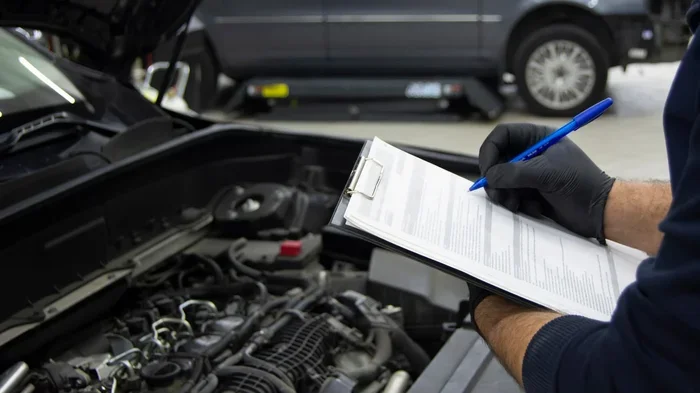
Where Can I Get My Car Inspected Quickly and Easily
Where can I get my car inspected? You have many options, from local auto shops and dealership service centers to state-run inspection stations and mobile inspection services. Getting a car inspection is essential for safety, legal compliance, and maintaining your vehicle’s value. This guide covers all the places you can get your vehicle inspected, what to expect, how much it costs, and how to choose the best spot for your needs.
Have you ever wondered, where can I get my car inspected? Maybe your registration is about to expire, or you just bought a used vehicle and need a safety check. Either way, finding the right inspection spot can feel confusing. There are so many options out there, and not all of them are the same.
The good news is that getting your car inspected is easier than ever. You have more choices than you might think. From neighborhood auto shops to online booking platforms, the process has become simple and convenient. In this guide, we will walk you through every option available. You will learn about different types of inspections, where to go, what to expect, and how to save time and money. Let us dive in.
Key Takeaways
- Multiple options exist: You can get your car inspected at auto shops, dealerships, state stations, or even through mobile services.
- Cost varies by location: Car inspection costs typically range from $15 to $100 depending on the type and your state.
- Preparation matters: Simple steps like checking lights and tires can help you pass your inspection on the first try.
- Not all stations are equal: Choose certified, reputable stations for reliable results and fair pricing.
- Frequency depends on your state: Some states require annual inspections, while others have different schedules.
- Mobile options save time: If you are busy, mobile car inspection services bring the inspection to your doorstep.
📑 Table of Contents
- Why Car Inspections Matter for Every Driver
- Types of Car Inspections You Should Know About
- Top Places to Get Your Car Inspected
- How to Choose the Right Inspection Station
- What to Expect During a Car Inspection
- Tips to Pass Your Car Inspection on the First Try
- Common Mistakes People Make When Getting Car Inspected
- How Much Does a Car Inspection Cost?
- What Happens If Your Car Fails Inspection?
- Frequently Asked Questions About Car Inspections
- Final Thoughts on Getting Your Car Inspected
Why Car Inspections Matter for Every Driver
Car inspections are not just a bureaucratic hassle. They serve a real purpose. A vehicle inspection checks whether your car is safe to drive on public roads. It also checks if your vehicle meets emissions standards set by your state or local government.
When you ask yourself, where can I get my car inspected, it helps to understand why the inspection matters in the first place. Here are the key reasons:
- Safety: Inspections catch brake problems, tire wear, and faulty lights before they cause accidents.
- Legal compliance: Most states require a valid inspection sticker to register your vehicle.
- Environmental protection: Emissions testing ensures your car does not pollute beyond acceptable levels.
- Resale value: A clean inspection report can boost your car’s value when you sell or trade it in.
- Peace of mind: Knowing your vehicle has passed a thorough check gives you confidence every time you drive.
How Often Do You Need a Car Inspection?
The frequency of car inspection requirements varies by state. Some states require annual inspections. Others require them every two years. A few states have no safety inspection at all but still mandate emissions testing. Your local DMV website is the best place to check your state’s specific rules.
If you recently moved to a new state, the inspection rules might be different from what you are used to. Always verify the current requirements before you schedule an appointment. Rules can change, and staying informed keeps you from getting caught off guard.
Types of Car Inspections You Should Know About
Not all inspections are the same. Depending on where you live and what you need, there are several types of vehicle safety checks to choose from. Understanding them helps you pick the right one.
Safety Inspections
A safety inspection focuses on the mechanical and structural condition of your vehicle. Inspectors check brakes, steering, suspension, lights, mirrors, windshield wipers, and tires. The goal is to ensure your car is safe to operate on public roads.
Safety inspections are the most common type required by states. They typically take 20 to 45 minutes, depending on the condition of your vehicle and the workload at the station.
Emissions Inspections
Emissions inspections measure the pollutants your car releases into the air. This test is especially important in areas with strict air quality standards. Vehicles with gasoline engines usually need this test, though electric and hybrid cars are often exempt.
During an emissions test, a technician connects your car to a diagnostic machine. The machine measures the exhaust output and checks whether it falls within legal limits. If your car fails, you may need repairs before you can retest.
Pre-Purchase Inspections
If you are buying a used car, a pre-purchase car inspection is a smart move. This is not the same as a state-mandated inspection. Instead, a mechanic thoroughly examines the vehicle for hidden problems. They check the engine, transmission, frame, and electrical systems.
A pre-purchase inspection can save you thousands of dollars. It reveals issues the seller might not disclose. Many buyers schedule this inspection before finalizing a purchase. It gives them leverage to negotiate a fair price or walk away from a bad deal.
Post-Repair Inspections
Some states require a post-repair inspection after you fix a known problem. For example, if your car failed an emissions test, you might need to retest after making repairs. This confirms that the work was done correctly and your vehicle now meets standards.
Top Places to Get Your Car Inspected
Now that you know the types of inspections, let us answer the big question: where can I get my car inspected quickly and easily? Here are the most common and reliable options.
State-Run Inspection Stations
Many states operate their own state inspection stations. These are run by the Department of Motor Vehicles or a dedicated inspection authority. They are the official locations for state-mandated inspections.
Pros of state inspection stations:
- They are the most authoritative and widely accepted.
- Staff are trained and certified specifically for state inspections.
- Fees are usually standardized and transparent.
Cons to consider:
- Wait times can be long, especially during peak seasons.
- They may not offer additional services like repairs.
- Hours are sometimes limited compared to private shops.
Local Auto Repair Shops
Many local auto shops are certified to perform state inspections. This is often the most convenient option. You can get your inspection done while also taking care of any needed repairs.
When choosing a local shop, look for one with certified technicians and good reviews. A trusted neighborhood mechanic can often complete your inspection faster than a crowded state station. Plus, if something fails, they can usually fix it on the spot.
Dealership Service Centers
If you drive a newer vehicle, your dealership service center can handle your inspection. Dealerships have factory-trained technicians and specialized equipment for your specific make and model.
The downside is cost. Dealership inspections and repairs tend to be more expensive than independent shops. However, if your car is still under warranty, getting the inspection done at the dealership can sometimes be beneficial. It keeps all service records in one place.
Mobile Inspection Services
One of the newest and most convenient options is mobile car inspection services. These companies send a certified technician to your home, office, or parking lot. The inspection happens right where you are.
Mobile inspection is perfect for busy people. You do not need to drive anywhere or wait in a lobby. Simply book a time slot online, and a technician arrives with all the necessary equipment. This option is gaining popularity fast, especially in urban areas.
Online Booking Platforms
Several websites and apps let you book a car inspection online. Platforms like RepairPal, Yelp, and even Google Maps help you find nearby stations with real-time availability. You can compare prices, read reviews, and reserve a spot in minutes.
These platforms are a game-changer for finding a reliable station fast. They save you the hassle of calling around and asking about wait times. You can also filter by location, price, and services offered.
Quick-Lube and Tune-Up Shops
Chain locations like Jiffy Lube and similar quick-lube shops often offer vehicle inspections alongside oil changes and other routine services. They are known for fast service and convenient locations.
These shops are great for basic safety inspections. However, they may not handle more complex diagnostics or emissions testing in all areas. Always call ahead to confirm what services they offer at your specific location.
How to Choose the Right Inspection Station
With so many options, how do you pick the best one? Here are the factors you should consider when deciding where to get your car inspected.
Certification and Licensing
Always verify that the station is certified and licensed by your state. An unlicensed station might save you a few dollars, but the inspection may not be valid. Your state’s DMV website usually has a searchable database of approved inspection stations.
Location and Convenience
Proximity matters. You want a station that is easy to reach. If you are searching for inspection stations near me, use Google Maps or a dedicated app. Look for places with flexible hours, including weekends, if your schedule is tight.
Pricing Transparency
Reputable stations display their fees upfront. The average car inspection fee ranges from $15 to $100 depending on your state and the type of inspection. If a station quotes a price that seems too low, be cautious. They might upsell unnecessary services once you are there.
Reviews and Reputation
Check online reviews before committing. Look for stations with consistently high ratings. Pay attention to comments about wait times, customer service, and whether the inspection process was smooth. A station with dozens of five-star reviews is usually a safe bet.
Additional Services
Some stations offer extras like free re-inspections, basic fluid top-offs, or tire pressure checks. These small perks add value. If a station offers to fix minor issues on the spot, that is a huge time-saver.
| Station Type | Avg. Cost | Wait Time | Best For |
|---|---|---|---|
| State Inspection Station | $15 – $30 | 20 – 45 min | Official state-mandated inspections |
| Local Auto Shop | $25 – $75 | 15 – 30 min | Combined inspection and repairs |
| Dealership Service Center | $50 – $100 | 30 – 60 min | Newer vehicles and warranty service |
| Mobile Inspection Service | $40 – $100 | 30 – 60 min (at your location) | Busy professionals and convenience |
| Quick-Lube Shop | $15 – $40 | 10 – 20 min | Quick basic safety checks |
| Online Booking Platforms | Varies | Varies | Comparing and booking multiple options |
What to Expect During a Car Inspection
Knowing what happens during a car inspection reduces anxiety and helps you feel prepared. The process is straightforward and usually faster than you expect.
Step-by-Step Walkthrough
Here is what a typical inspection looks like:
- Check-in: You provide your vehicle registration and proof of insurance. The technician records your vehicle information.
- Visual inspection: The technician examines your lights, signals, mirrors, windshield, and tires.
- Under-the-hood check: They look at fluid levels, belts, hoses, and the engine bay for obvious issues.
- Undercarriage inspection: The vehicle goes on a lift so the technician can check the frame, suspension, brakes, and exhaust system.
- Emissions test (if required): Your car is hooked up to a diagnostic machine that measures exhaust output.
- Results: You receive a pass or fail notice. If you pass, you get your sticker or certificate right away.
How Long Does a Car Inspection Take?
Most inspections take between 20 and 45 minutes. Mobile services may take slightly longer since the technician comes to you. If your vehicle has existing issues or fails the initial test, the process could take longer, especially if you need repairs or a retest.
Tips to Pass Your Car Inspection on the First Try
Nobody wants to hear that their car failed an inspection. The good news is that most failures are preventable. Here are practical steps to ensure you pass.
Check Your Lights
Before your appointment, walk around your car and test every light. Headlights, taillights, brake lights, turn signals, and reverse lights all get checked. A burnt-out bulb is one of the most common reasons for failure. Replacing one takes minutes and costs almost nothing.
Inspect Your Tires
Technicians check tire tread depth, uneven wear, and proper inflation. Bald tires or significantly uneven wear can cause a fail. Use a penny to check your tread depth. If you can see all of Lincoln’s head, it is time for new tires.
Top Off All Fluids
Low oil, coolant, or windshield washer fluid can raise red flags. Top off all fluids before your inspection. It shows the vehicle is well maintained and avoids unnecessary flags.
Clean Your Vehicle
An inspection is not a car wash, but a clean vehicle makes the technician’s job easier. More importantly, a clean engine bay helps them spot leaks and issues faster. Remove excess clutter from the cabin and trunk as well.
Address Warning Lights First
If your check engine light is on, get it diagnosed before the inspection. A lit warning light almost always results in a fail. Many auto parts stores offer free diagnostic scans. Fix the issue, and you will be in great shape.
Bring the Right Documents
Show up with your vehicle registration, proof of insurance, and any previous inspection certificates. Missing paperwork can delay or complicate the process. Keep these documents in your glove box so they are always accessible.
Quick Tips
- Schedule your inspection during off-peak hours (early morning or mid-week) to avoid long waits.
- Book online whenever possible to secure a time slot and reduce downtime.
- Ask about free re-inspection policies before you choose a station.
- Keep a copy of your inspection report for your records, even after you pass.
Common Mistakes People Make When Getting Car Inspected
Avoid these common pitfalls to make your inspection experience smooth and stress-free.
- Waiting until the last minute: Do not procrastinate. If your inspection sticker is about to expire, schedule your appointment early. Last-minute rushes lead to poor choices and higher costs.
- Ignoring minor issues: A small crack in your windshield or a squeaky brake might seem harmless. Inspectors flag these issues, and they can cause a failed inspection.
- Choosing the cheapest option blindly: The lowest price does not always mean the best service. Check reviews and certifications before booking.
- Not knowing your state’s requirements: Every state has different rules. Research your specific requirements so you know exactly what tests you need to pass.
- Skipping the pre-inspection self-check: A quick self-inspection before your appointment can save you time, money, and the embarrassment of a failed test.
How Much Does a Car Inspection Cost?
The vehicle inspection cost depends on several factors, including your state, the type of inspection, and the station you choose. Here is a general breakdown:
- Basic safety inspection: $15 to $30 in most states.
- Emissions inspection: $15 to $50, depending on the complexity of the test.
- Combined safety and emissions: $30 to $75 at most stations.
- Pre-purchase inspection: $75 to $200, depending on the depth of the report.
- Mobile inspection service: $40 to $100, with a convenience premium.
Some states subsidize inspection costs, making them very affordable. Others leave the pricing entirely to private stations. If cost is a concern, call a few stations in your area and compare quotes. Many stations offer the same inspection at different price points.
What Happens If Your Car Fails Inspection?
A failed inspection is not the end of the world. It simply means your vehicle needs attention before it can be deemed roadworthy. Here is what to do next.
First, ask the inspector for a detailed report of what failed. This document tells you exactly what needs to be fixed. Next, take your car to a trusted mechanic. They can provide an estimate for the necessary repairs. Once the repairs are complete, most stations offer a free or discounted retest within a specified window, usually 30 to 60 days.
Keep in mind that driving without a valid inspection sticker can result in fines in many states. It is best to address the issue promptly and avoid driving your car until it passes.
Frequently Asked Questions About Car Inspections
Can I get my car inspected at any shop?
Not all shops are certified to perform state inspections. You need to visit a station that is licensed by your state’s inspection authority. Check your DMV website for a list of approved locations. Many local auto shops, dealerships, and state stations are certified and ready to help.
How long is a car inspection good for?
In most states, a passed inspection is valid for one year. Some states issue stickers that expire on a specific month, while others use a rolling 12-month period. Always check your state’s rules to know exactly when your next inspection is due.
Do I need an appointment for a car inspection?
It depends on the station. State inspection stations often accept walk-ins, but wait times can be long. Private shops and mobile services usually require appointments. Booking online in advance saves you time and ensures a smooth experience.
What documents do I need for a car inspection?
Bring your vehicle registration, proof of insurance, and payment for the inspection fee. Some states also require a valid driver’s license. Having these documents ready speeds up the check-in process significantly.
Can I drive my car if it fails inspection?
In most states, you can still drive a car that failed inspection if your previous sticker is still valid. However, if the sticker has expired, driving without a valid inspection can lead to fines. It is best to get the needed repairs done and retest as soon as possible.
Are electric vehicles required to get inspected?
It depends on your state. Electric vehicles are typically exempt from emissions testing since they produce zero exhaust. However, they may still need a safety inspection in states that require one. Check with your local DMV for the specific rules that apply to EVs.
Final Thoughts on Getting Your Car Inspected
Finding the right place for your car inspection does not have to be stressful. You now know the many options available, from state inspection stations and local auto shops to mobile services and online booking platforms. Each option has its strengths, and the best choice depends on your schedule, budget, and what kind of inspection you need.
Where can I get my car inspected quickly and easily? The answer is right in front of you. Whether you prefer the convenience of a mobile service, the familiarity of your neighborhood mechanic, or the official reliability of a state station, there is a perfect fit for you. Take a few minutes to compare options, read reviews, and book your inspection today. Your car and your peace of mind will thank you.
Remember, staying on top of your vehicle inspection schedule is one of the simplest things you can do as a car owner. It keeps you safe, keeps you legal, and keeps your vehicle running at its best. Do not wait until the last minute. Make the call, book the appointment, and get it done. You will be glad you did.