What Is the Thing You Slide Under a Car On While Working
The thing you slide under a car on while working is a mechanic creeper, a wheeled platform that lets you glide smoothly beneath your vehicle. It is an essential mechanic tool for anyone doing auto repair or automotive maintenance underneath a car. Using the right creeper, along with jack pads and jack stands, makes every job safer, faster, and far more comfortable.
When you are working on a car from below, the first thing you need is something to slide under the vehicle. The thing you slide under a car on is most commonly a mechanic’s creeper, also known as a sliding creeper or rolling creeper. This simple yet essential tool lets you glide smoothly beneath the vehicle so you can reach the undercarriage without straining your back or neck. Whether you are a professional mechanic or a weekend warrior in the garage, knowing what this tool is and how to use it properly makes a huge difference.
But the thing you slide under a car on is not just one single item. There are different types of creepers, jack pads, and support stands that all play a role in safe under vehicle work. In this guide, we will walk you through everything you need to know about these tools, from choosing the right one to using it safely. By the end, you will feel confident about your setup every time you need to work underneath your vehicle.
Working on the undercarriage of a car can be tough on your body if you do not have the right equipment. A good mechanic creeper saves you from crawling around on rough concrete or cold garage floors. It also gives you better access to bolts, pipes, and components that would otherwise be hard to reach. Let us dive into the details of what makes this tool so important for auto repair and automotive maintenance.
Key Takeaways
- A mechanic creeper is the primary tool you slide under a car on, designed for comfort and mobility during undercarriage work.
- There are several types of creepers, including standard rolling, low profile, foldable, and heavy-duty models for different vehicles and needs.
- Always use jack stands and rubber jack pads alongside your creeper to ensure safe vehicle support while working.
- Choosing the right creeper depends on your vehicle type, comfort preferences, and the type of auto repair you do most often.
- Common mistakes like skipping jack stands or using a damaged creeper can lead to serious injury or car damage.
- Proper undercarriage protection starts with the right tools, including a quality creeper, wheel chocks, and good lighting.
- Investing in a comfortable, well-built sliding creeper saves your back and makes car maintenance a much better experience.
📑 Table of Contents
What Exactly Is the Thing You Slide Under a Car On?
The thing you slide under a car on while working is most commonly a mechanic’s creeper. A creeper is a low-profile, wheeled platform that you lie down on and slide beneath your vehicle. It is designed to give you easy access to the bottom of the car without crawling on the floor. The basic design has been around for decades, and it remains one of the most used mechanic tools in any garage.
A standard creeper has a flat padded surface, small wheels or casters, and sometimes a raised edge to keep you from sliding off. The rolling creeper allows you to move freely back and forth as you work on different parts of the undercarriage. Some models even come with built-in storage trays for your mechanic tools and small parts.
The Mechanic’s Creeper Explained
A mechanic’s creeper is built for comfort and mobility. The frame is usually made of steel or aluminum, and the top is covered with a padded cushion, often made of PVC or vinyl. The wheels are typically rubber or polyurethane, which roll smoothly on garage floors. When you need to move to a different spot, you simply push off with your feet and glide to the new position.
The beauty of the sliding creeper is how simple it is. There are no complicated mechanisms. You just lie down, slide under the car, and start working. This makes it accessible to anyone, from beginners to seasoned professionals. It is one of those mechanic tools that you wonder how you ever worked without.
Different Types of Creepers You Can Choose
Not all creepers are the same. There are several types to consider based on your needs and the kind of undercarriage work you do:
- Standard Rolling Creeper: The most common type. It has four wheels and a flat padded surface. Great for general auto repair work on sedans and SUVs.
- Low Profile Creeper: Sits even closer to the ground. Perfect for cars with very low ground clearance or sports cars where a standard creeper might not fit.
- Foldable Creeper: Can be folded flat for easy storage. Ideal if you have a small garage or limited space in your shop.
- Heavy-Duty Creeper: Built with reinforced frames and larger wheels. Can support heavier vehicles like trucks and full-size SUVs.
- Creeper with Storage: Includes trays or drawers for holding mechanic tools, bolts, washers, and other small parts while you work.
Why You Need a Creeper for Undercarriage Work
Working underneath a car without a proper sliding creeper is uncomfortable and potentially dangerous. You end up crawling on hard concrete, which can cause bruising, back pain, and neck strain over time. A rolling creeper eliminates these problems by giving you a smooth, comfortable surface to work on while keeping your body protected from the rough floor.
Here are some key reasons why every garage needs a good creeper for automotive maintenance:
- Comfort: The padded surface protects your back, elbows, and hips from hard concrete floors during long repair sessions.
- Mobility: You can move freely beneath the vehicle without getting up and crawling to a new position every few minutes.
- Safety: Lying on a stable, wheeled platform is much safer than crawling on the ground where you could slip or get pinned.
- Efficiency: You spend more time actually working and less time repositioning yourself under the car.
- Better Access: A creeper gives you improved reach to bolts, exhaust pipes, brake lines, and other hard-to-reach undercarriage components.
For auto repair tasks like oil changes, exhaust repairs, or brake inspections, a creeper is practically essential. Even if you only do basic car maintenance at home, a creeper makes the job faster and far more pleasant. Your body will thank you after every session.
Jack Pads and Jack Stands: What Else Goes Under the Car
While the thing you slide under a car on is usually a creeper, there are other important tools that go under or support the car during under vehicle work. These include car jack pads and jack stands, which are critical for safety every single time you lift a vehicle.
A car jack pad is a rubber or plastic piece that sits between the jack and the vehicle’s frame. It prevents the jack from scratching or damaging the car’s underside. Rubber jack pads are the most common type, but you can also find plastic and metal versions depending on your needs. They are small, inexpensive, and absolutely essential for undercarriage protection.
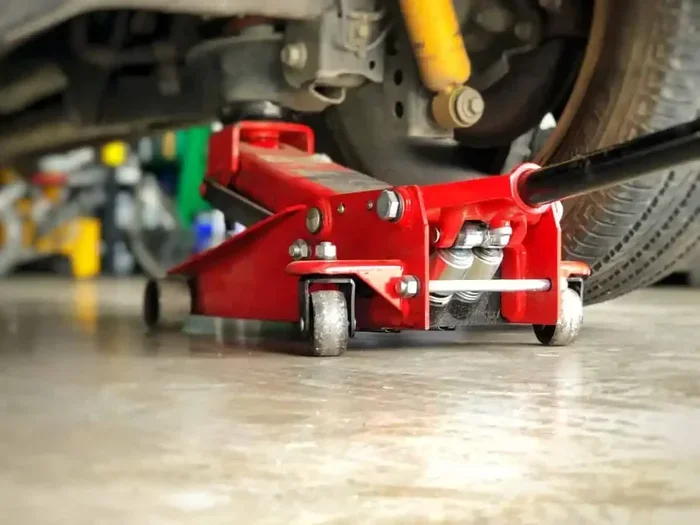
A jack stand is a separate support device that holds the car in place once it is lifted. You should never rely solely on a hydraulic jack to hold the vehicle while you work underneath it. Jack stands provide stable, secure vehicle support that keeps you safe. Think of the jack as the lifter and the stand as the guardian.
How Jack Pads Protect Your Car
When you use a hydraulic jack to lift a car, the metal jack head can easily scratch or dent the vehicle’s frame or body panel. A rubber jack pad creates a protective barrier between the jack and the car. This is especially important for newer vehicles where the undercarriage has exposed surfaces or sensitive components like sensors and wiring.
Always place jack pads at the manufacturer’s recommended jacking points. These are specific spots on the car’s frame designed to handle the weight safely. Using the wrong spot can damage the car or cause it to slip off the jack, which is extremely dangerous during under vehicle work.
Jack Stands vs. Hydraulic Jacks
It is important to understand the difference between a hydraulic jack and a jack stand so you use both correctly:
| Feature | Hydraulic Jack | Jack Stand |
|---|---|---|
| Primary Purpose | Lifts the vehicle | Holds the vehicle in place |
| Designed for Extended Use | No | Yes |
| Stability | Moderate | Very high |
| Used Alone for Work? | Never | Always with a jack |
| Weight Capacity | Varies by model | Varies by model |
Always use both a hydraulic jack and jack stands together for maximum safety during automotive maintenance. This combination is the gold standard in every professional garage and should be your standard practice at home too.
How to Choose the Right Creeper for Your Needs
Choosing the right mechanic creeper depends on several factors. Not every creeper is right for every person or every garage. Here is what you should consider before making a purchase for your car maintenance setup.
Consider Your Vehicle Type
If you drive a low-profile sports car, you will need a low profile creeper that sits very close to the ground. Standard creepers may not slide under easily and could get stuck. For trucks and SUVs, a heavy-duty creeper with a higher weight capacity is a better choice. Think about the ground clearance of your vehicle and choose a creeper that matches.
You want the creeper to slide under smoothly without getting stuck or scraping the floor. If the creeper gets caught, it can be frustrating and could even tip you over. Always check the height clearance of the creeper before buying.
Look for Comfort Features
Since you will be lying on this for extended periods, comfort matters a lot. Look for a creeper with a thick, durable cushion that can handle regular use. Some premium models offer ergonomic designs with adjustable headrests and back supports. If you do a lot of auto repair, investing in a comfortable creeper will pay off in reduced fatigue and better focus on the job.
Check the Wheel Quality
The wheels on your rolling creeper make a big difference in how smoothly it moves. Rubber casters glide best on garage floors and do not leave marks or scratches. Locking wheels are also a great feature because they keep the creeper in place while you work on a specific area of the undercarriage. Avoid creepers with cheap plastic wheels that break easily.
Common Mistakes When Sliding Under a Car
Even with the right thing you slide under a car on, mistakes can happen. Here are some common errors to avoid so you stay safe and protect your vehicle during undercarriage work:
- Skipping Jack Stands: Never work under a car supported only by a jack. Always use jack stands for proper vehicle support. A jack can fail or slip at any time.
- Using the Wrong Jack Pad: Make sure the rubber jack pad is the right size and material for your jack and vehicle. A pad that is too small can slip off and damage the car.
- Not Checking the Creeper’s Wheels: Worn or damaged wheels can cause the creeper to jam or roll unexpectedly while you are under the car. Inspect them before every use.
- Working on an Uneven Surface: Always park on a flat, level floor before lifting the vehicle. Uneven ground can cause the jack or stands to shift.
- Forgetting Wheel Chocks: Place wheel chocks behind the tires that remain on the ground. This prevents the car from rolling while you are underneath it.
- Overloading the Creeper: Check the weight capacity of your sliding creeper before using it, especially if you are a heavier person or working on a large truck.
Avoiding these mistakes keeps you safe and protects your vehicle from damage during automotive maintenance sessions. Safety should always be the number one priority in any garage.
Pro Tips for Working Under Your Vehicle
Here are some expert tips that make undercarriage work easier, safer, and more efficient:
- Always warm up the creeper wheels: Roll it back and forth a few times before sliding under to make sure the wheels spin freely and smoothly.
- Use a creeper with a lip edge: This prevents you from accidentally rolling off the platform while you are deep under the car working on undercarriage protection tasks.
- Keep your mechanic tools organized: Use a creeper with storage trays so your wrenches, sockets, and other tools are within arm’s reach at all times.
- Wear knee pads: Even with a creeper, your knees may touch the floor when you reach certain spots. Knee pads add an extra layer of protection during long under vehicle work sessions.
- Work in good lighting: A bright LED work light aimed at the undercarriage makes it much easier to see bolts, connectors, and potential issues.
- Never rush the setup: Take your time setting up your car lift, jack, or stands. Rushing is how accidents happen in car maintenance and auto repair.
These small habits make a big difference in the quality and safety of your under vehicle work. Over time, they become second nature, and you will wonder how you ever worked without them.
Conclusion
The thing you slide under a car on while working is a simple yet incredibly important tool. Whether it is a mechanic creeper, a car jack pad, or a jack stand, each piece of equipment plays a vital role in making undercarriage work safe and effective. A good rolling creeper transforms how you feel about getting under your vehicle, turning a dreaded chore into a manageable task.
Remember that safety always comes first. Always use jack stands and rubber jack pads together, check your wheel chocks, and inspect your sliding creeper before every use. With the right setup and good habits, you can tackle any automotive maintenance job with confidence. Invest in quality tools, protect your body, and enjoy the satisfaction of a job well done.
Frequently Asked Questions
Can I use a creeper on any type of car?
Yes, you can use a creeper on most cars, trucks, and SUVs. However, you should choose the right type of creeper for your vehicle. A low profile creeper works best for sports cars or vehicles with low ground clearance, while a heavy-duty creeper is better for trucks and larger SUVs. Always check the weight capacity before using a sliding creeper under any vehicle.
How do I clean and maintain my mechanic creeper?
Cleaning your mechanic creeper is simple. Wipe down the padded surface with a damp cloth and mild soap. Check the wheels regularly for debris, hair, or dirt that might clog them. Lubricate the wheel bearings occasionally if your model allows it. Keeping your rolling creeper clean ensures it rolls smoothly and lasts for years of auto repair work.
What is the difference between a creeper and a jack stand?
A creeper is a wheeled platform you lie on and slide under the car, while a jack stand is a support stand that holds the vehicle in place once it is lifted. They serve completely different purposes. The creeper gives you access and comfort, while the jack stand provides safe vehicle support. Always use both together for the best results during under vehicle work.
Do I need a low profile creeper?
You need a low profile creeper if you drive a car with very low ground clearance, such as a sports car or a modern sedan with a sleek design. A standard creeper may not fit under these vehicles. If you work on multiple types of cars, a versatile low profile creeper is a great investment for any automotive maintenance setup.
Can a creeper damage my garage floor?
A good quality creeper with rubber or polyurethane wheels should not damage your garage floor. However, cheap creepers with hard plastic wheels or metal components can scratch or mark the surface. To protect your floor, consider placing a mat under your sliding creeper and always check that the wheels are clean before use. This also helps with undercarriage protection during car maintenance.
How much does a good creeper cost?
The price of a mechanic creeper varies widely depending on the type and quality. Basic models start around $30 to $50, while mid-range rolling creepers with padding and storage run $80 to $150. Professional-grade heavy-duty creepers can cost $200 or more. For most home auto repair enthusiasts, a mid-range creeper offers the best balance of comfort, durability, and value.