Weather Stripping for Car Windshields Explained Simply
Weather stripping for car windshields is the rubber seal that keeps your car dry, quiet, and comfortable. It blocks water, wind, dust, and noise from entering your cabin. Over time, this rubber degrades and needs replacement. In this guide, we break down everything you need to know about car window seal types, installation, and maintenance. Whether you are a DIY beginner or a seasoned car owner, you will find practical tips here.
Have you ever driven through a rainstorm and felt water dripping onto your face from the windshield area? Or maybe you have noticed a loud whistling sound when you drive at highway speeds. These are clear signs that your weather stripping for car windshields is failing. This small rubber component plays a huge role in keeping your car comfortable and dry. Without it, your vehicle is vulnerable to leaks, noise, and even structural damage.
In this guide, we will walk you through everything you need to know about windshield gasket seals. We will cover what they are, why they matter, the different types available, and how to install and maintain them. By the end, you will feel confident tackling this common car maintenance task yourself.
Key Takeaways
- Weather stripping protects your car from water leaks, wind noise, dust, and moisture damage.
- Multiple types exist, including rubber, foam, and silicone seals, each suited for different needs.
- Installation is doable at home with basic tools and a little patience.
- Common signs of wear include water leaks, wind noise, and visible cracking or gaps.
- Regular maintenance extends the life of your automotive sealant and prevents costly repairs.
- Replacing weather stripping is affordable and can save hundreds in potential interior damage.
- UV exposure and age are the biggest enemies of rubber seals over time.
📑 Table of Contents
- What Is Weather Stripping for Car Windshields?
- Why Weather Stripping Matters for Your Vehicle
- Types of Weather Stripping for Car Windshields
- How to Install Weather Stripping on Your Windshield
- Common Problems and How to Fix Them
- When to Replace Your Windshield Weather Stripping
- Maintenance Tips to Extend the Life of Your Weather Stripping
- Cost Considerations for Weather Stripping Replacement
- Conclusion
What Is Weather Stripping for Car Windshields?
Weather stripping for car windshields is a rubber or synthetic seal that sits between your windshield glass and the car frame. It creates a tight barrier that stops water, air, dust, and noise from getting into your cabin. Think of it as a protective shield around your windshield.
Most cars use a continuous strip of rubber that wraps around the windshield edges. This strip is also called a windshield gasket or a car window seal. It is held in place by adhesive or by being pressed into a channel in the frame.
How the Seal Works
The seal works by compressing gently against the glass and the frame. This compression creates a watertight and airtight barrier. When the rubber is new and flexible, the seal fits snugly. Over time, the rubber hardens, cracks, or shrinks. When that happens, the seal loses its ability to block outside elements.
Your door seal and window seal work on the same basic principle. But the windshield seal faces unique challenges because it is the largest single piece of glass on your car and takes the most direct exposure to weather.
Why Weather Stripping Matters for Your Vehicle
You might wonder why a small rubber strip deserves so much attention. The truth is, a failing automotive sealant can cause a long list of problems. Let us look at the main reasons this part matters so much.
Preventing Water Leaks
The number one job of your weatherstrip seal is to keep water out. When the seal cracks or gaps form, rainwater seeps into your car. This can damage your headliner, carpet, and even your electrical systems. Water leaks are one of the most common causes of mold growth inside cars.
Reducing Wind Noise
A healthy seal keeps your cabin quiet. When the rubber degrades, you will hear a whooshing or whistling sound at highway speeds. This wind noise reduction is one of the first things you notice when the seal starts to fail. It can make long drives uncomfortable and tiring.
Improving Fuel Efficiency
Believe it or not, a bad seal can affect your gas mileage. When air leaks into your car, your vehicle has to work harder to maintain speed. This means your engine uses more fuel. A tight car weatherproofing seal helps your car slip through the air more efficiently.
Protecting Against UV Damage
The seal also helps block harmful UV rays from entering your car. When the seal fails, more sunlight reaches your interior. This can cause your dashboard and seats to fade and crack over time. A good rubber weatherstrip adds an extra layer of UV protection to your cabin.
Maintaining Cabin Temperature
Your seal helps with thermal insulation too. In winter, it keeps warm air inside. In summer, it helps keep the hot air out. This makes your air conditioning more effective and keeps your cabin more comfortable year round.
| Benefit | What Happens When Seal Fails |
|---|---|
| Water Protection | Leaks, mold, interior damage |
| Noise Reduction | Wind noise, road noise increase |
| Fuel Efficiency | Increased drag, higher fuel use |
| UV Protection | Interior fading, cracking |
| Temperature Control | Loss of insulation, HVAC strain |
Types of Weather Stripping for Car Windshields
Not all weather stripping is the same. Different materials and designs serve different purposes. Let us explore the most common types of rubber seal options for car windshields.
Rubber Weather Stripping
This is the most traditional type. It is made from durable rubber compounds and offers excellent sealing performance. Rubber weather stripping is the standard in most factory-installed windshields. It resists water well and lasts a long time with proper care.
However, rubber can harden over time, especially with UV exposure. It may also crack in extremely cold climates. Despite these drawbacks, rubber remains the most popular choice for windshield gasket replacements.
Foam Weather Stripping
Foam seals are lighter and more flexible than rubber. They are often used on older vehicles or as supplemental seals. Foam weatherstrip material is easy to compress, which makes it good for creating a snug fit. The downside is that foam tends to absorb moisture over time, which can lead to deterioration.
Silicone Weather Stripping
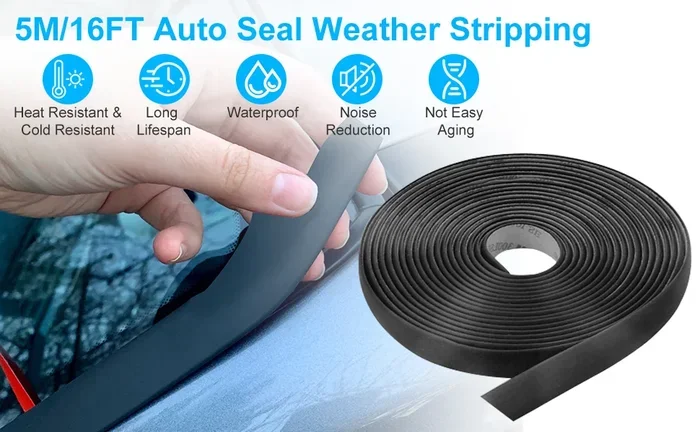
Silicone seals are the premium option. They resist heat, cold, and UV rays better than rubber or foam. Silicone weather stripping stays flexible longer and handles extreme temperatures well. Many car enthusiasts prefer silicone for its durability and long lifespan.
The main drawback is cost. Silicone seals are more expensive than rubber or foam options. But if you want the best performance and longevity, they are worth the investment.
EPDM Rubber Stripping
EPDM stands for Ethylene Propylene Diene Monomer. It is a synthetic rubber that is highly resistant to weathering. EPDM rubber seal strips are common in modern vehicles. They offer superior durability compared to standard rubber and are often used in OEM (original equipment manufacturer) installations.
Brush-Style Seals
Brush seals use thin bristles to create a flexible barrier. They are less common for windshields but are sometimes used on sunroofs or rear windows. They allow slight movement without breaking the seal. Brush seals are great for wind noise reduction but may not block water as effectively as solid rubber seals.
How to Install Weather Stripping on Your Windshield
Replacing your weather stripping for car windshields is a job you can do at home. With the right tools and a bit of patience, you can save money on labor costs. Here is a step-by-step guide to help you through the process.
What You Will Need
- New weatherstrip seal (make sure it matches your car model)
- Rubbing alcohol or windshield cleaner
- Clean lint-free cloths
- Scraper or razor blade
- Adhesive promoter (if required)
- Weatherstrip adhesive or sealant
- Masking tape
- Rubber gloves
- Utility knife or scissors
Step-by-Step Installation
Step 1: Remove the Old Seal. Start by carefully pulling out the old rubber seal from the windshield channel. Use a flathead screwdriver or pliers for stubborn sections. Go slowly to avoid scratching the glass or damaging the frame.
Step 2: Clean the Surface. Use rubbing alcohol and a clean cloth to wipe down the windshield edges and the frame channel. Remove all old adhesive, dirt, and debris. A clean surface is essential for the new seal to stick properly.
Step 3: Apply Adhesive Promoter. If your new seal requires an adhesive promoter, apply it now. This helps the adhesive bond to the glass and frame more effectively. Let it dry for the time recommended on the product label.
Step 4: Apply Sealant. Run a thin, even bead of weatherstrip adhesive along the channel where the new seal will sit. Do not apply too much. A thin layer is all you need for a strong bond.
Step 5: Install the New Seal. Start at one corner of the windshield and press the new seal into the channel. Work your way around slowly. Use masking tape to hold the seal in place while the adhesive sets. This prevents the seal from shifting.
Step 6: Let It Cure. Allow the adhesive to cure for at least 24 hours before closing the windshield or driving the car. Check the manufacturer’s instructions for the exact curing time.
Quick Tip: On warm days, the rubber is more flexible and easier to work with. Avoid installing new seals in freezing temperatures, as the rubber will be stiff and hard to press into place.
Common Installation Mistakes to Avoid
- Using the wrong seal size. Always double-check that the new seal matches your vehicle make, model, and year.
- Skipping surface cleaning. Dirt and old adhesive prevent proper bonding, leading to leaks.
- Applying too much adhesive. Excess adhesive can squeeze out and create a messy, weak bond.
- Not letting the adhesive cure. Driving too soon can cause the seal to shift and fail.
- Forcing the seal into tight spots. This can stretch or tear the rubber. Use patience and gentle pressure.
Expert Insight: Many auto parts stores offer free fitting advice. Bring your vehicle information and the new seal to the store, and their staff can confirm you have the right part before you start the job.
Common Problems and How to Fix Them
Even with proper care, weather stripping can develop problems over time. Knowing the signs of a failing seal helps you address issues before they become expensive repairs.
Water Leaks Around the Windshield
If you notice water on your dashboard or floor mats after rain, your car window seal is likely the culprit. Check the seal for gaps, cracks, or areas where it has pulled away from the glass. The fix is usually to replace the seal entirely. In minor cases, a rubber seal repair adhesive can temporarily close small gaps.
Wind Noise at Highway Speeds
A whooshing or whistling sound when you drive fast is a classic sign of a failing seal. The rubber has likely hardened and no longer compresses tightly against the glass. Replacing the seal restores the tight fit and eliminates the noise. This is one of the most satisfying car maintenance tips you can do yourself.
Visible Cracking or Hardening
Over time, UV rays and temperature changes cause the rubber to crack and harden. Run your fingers along the seal. If it feels brittle or you can see cracks, it is time for a replacement. Do not wait until the seal fails completely, as water damage can set in quickly.
Seal Pulling Away from the Glass
Sometimes the seal detaches from one side of the windshield. This creates a gap where water and air can enter. You may be able to reattach a small section with weatherstrip adhesive. But if the separation is widespread, a full replacement is the best solution.
Mold or Mildew Inside the Car
If you notice a musty smell or see mold near the windshield, moisture is getting in through a compromised seal. Replace the seal and thoroughly dry the interior. Use a mold remover on affected areas. This is a health concern as well as a car maintenance issue.
When to Replace Your Windshield Weather Stripping
Timing your seal replacement correctly can save you from bigger problems down the road. Here are the key signs that it is time to replace your weather stripping for car windshields.
Age of the Seal
Most rubber weatherstrip seals last between 5 and 10 years. If your car is older than 5 years and you have never replaced the seal, it is worth inspecting it. Even if there are no visible problems, the rubber may be starting to lose its flexibility internally.
After a Windshield Replacement
If you have recently replaced your windshield, the new seal should be inspected after the first few months. Sometimes the seal settles or shifts slightly. Catching this early prevents leaks from developing later.
After Extreme Weather Events
Severe heat, freezing temperatures, and heavy storms can all take a toll on your seal. If your car has been through a rough winter or a hot summer, inspect the seal for any signs of damage. Car weatherproofing is especially important for vehicles that sit outdoors year round.
Visible Damage
Cracks, tears, hardening, or gaps are all clear signals that replacement is needed. Do not wait for a leak to appear. Proactive replacement saves you from water damage and interior repairs.
Before Selling Your Car
If you are planning to sell your car, a new windshield gasket is a small investment that adds value. Buyers notice a dry, quiet cabin. A fresh seal signals that the car has been well maintained.
Common Mistake: Many car owners ignore early warning signs like slight condensation between the glass and frame. This small issue can quickly turn into a major water leak if the seal is not addressed promptly.
Maintenance Tips to Extend the Life of Your Weather Stripping
Proper maintenance keeps your automotive sealant in great shape for years. Here are some simple habits that make a big difference.
- Clean the seal regularly. Use a mild soap and water solution. Wipe the seal gently with a soft cloth. Avoid harsh chemicals that can dry out the rubber.
- Apply rubber conditioner. A quality rubber conditioner keeps the seal flexible and resistant to cracking. Apply it every 3 to 6 months.
- Avoid slamming doors. Hard impacts can shift or damage the seal over time. Close doors gently to preserve the integrity of the seal.
- Park in the shade when possible. UV exposure is the biggest enemy of rubber seals. Shade parking significantly extends seal life.
- Check the seal after winter. Cold weather is tough on rubber. Inspect the seal in spring for any damage caused by freezing temperatures.
- Use a rain repellent on the glass. Products like rain-x help water bead and roll off, reducing the stress on the seal during storms.
These simple steps keep your glass sealant performing at its best. A little care goes a long way toward preventing leaks and extending the life of your seal.
Expert Insight: Many professional detailers recommend applying a silicone-based protectant to rubber seals. This creates a barrier against UV rays and keeps the rubber supple longer than standard conditioners alone.
Cost Considerations for Weather Stripping Replacement
The cost of replacing your weather stripping for car windshields varies depending on the type of seal and your vehicle. On average, a replacement seal costs between $20 and $80 for the part alone. If you install it yourself, that is the total cost. If you take it to a shop, labor charges can add $50 to $150 depending on your location and the complexity of the job.
Compare this to the cost of repairing water damage inside your car. A flooded interior can lead to thousands of dollars in repairs for carpet replacement, mold remediation, and electrical fixes. Replacing a seal is one of the most cost-effective car maintenance tips you can follow.
For a silicone weather stripping option, expect to pay a bit more upfront. But the longer lifespan often makes it a better value over time. EPDM rubber seals offer a good middle ground between cost and durability.
Conclusion
Weather stripping for car windshields is one of those small parts that makes a massive difference in your driving experience. It keeps your car dry, quiet, and comfortable. It protects your interior from water damage and UV rays. And it even helps your fuel efficiency.
Whether you are dealing with a leaky seal, annoying wind noise, or simply want to be proactive about maintenance, understanding your car window seal options puts you in control. The different types of seals, from rubber to silicone, give you flexibility to choose what works best for your vehicle and budget.
Installation is straightforward and doable at home with basic tools. Regular maintenance like cleaning and conditioning keeps the seal in top shape for years. And when replacement time comes, it is an affordable investment that pays for itself by preventing costly interior damage.
Take a moment today to inspect your windshield seal. If you spot any cracks, gaps, or hardening, do not wait. A new weatherstrip seal today can save you from a world of trouble tomorrow. Your car, your wallet, and your comfort will thank you.
Frequently Asked Questions
How long does weather stripping for car windshields last?
Most rubber weatherstrip seals last between 5 and 10 years. Silicone seals can last even longer, sometimes 15 years or more. The lifespan depends on your climate, UV exposure, and how well you maintain the seal. Regular conditioning and cleaning can significantly extend the life of your automotive sealant.
Can I drive my car immediately after installing new weather stripping?
No, you should wait at least 24 hours before driving. The weatherstrip adhesive needs time to cure properly. Driving too soon can cause the seal to shift or detach, leading to leaks. Always follow the manufacturer’s recommended curing time for the best results.
Is it cheaper to replace weather stripping myself or hire a professional?
Doing it yourself is almost always cheaper. The seal itself costs between $20 and $80, and you only pay for your time. Hiring a professional adds labor costs of $50 to $150. If you are comfortable with basic car maintenance, DIY installation is a great way to save money while learning a valuable car maintenance tip.
What causes weather stripping to deteriorate?
The main causes are UV exposure, extreme temperatures, age, and moisture. Over time, the rubber seal loses its flexibility and becomes brittle. Cold weather shrinks the rubber, while heat causes it to expand and eventually crack. Road salt and harsh chemicals also accelerate deterioration of your car weatherproofing seals.
Can I use super glue or household adhesive to fix a small gap in my seal?
It is not recommended. Household adhesives are not designed for automotive rubber and can damage the seal material. Use a proper weatherstrip adhesive or rubber seal repair kit designed for car applications. These products are formulated to bond with rubber and withstand temperature changes and moisture.
Does weather stripping affect my car’s resale value?
Yes, it does. A car with a dry, quiet interior signals good maintenance. Buyers look for signs of water damage, and a failing windshield gasket is a red flag. Replacing an old seal before selling your car is a small investment that can make a big impression and potentially increase your resale value.