Is It OK to Drive With the VSC Light On Right Now
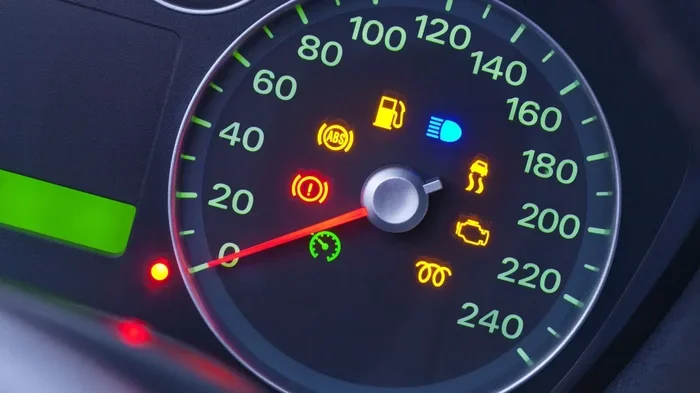
Is it OK to drive with the VSC light on? The short answer is yes, but with caution. The VSC light means your Vehicle Stability Control system is not working properly, which affects how your car handles slippery roads and sharp turns. Driving short distances to a mechanic is usually fine, but ignoring the light for long trips can be risky. Understanding what triggers the VSC warning helps you stay safe and avoid costly repairs.
You are driving down the road, and suddenly a yellow or red light pops up on your dashboard. It says VSC. Your heart skips a beat. Is this serious? Can you keep driving? These are the exact questions every driver asks when an unfamiliar warning light appears on the dash. The good news is that driving with the VSC light on is usually manageable, as long as you understand what it means and how to respond.
The Vehicle Stability Control system is one of the most important safety features in modern cars. It helps you maintain control during sudden maneuvers, slippery conditions, and emergency braking. When the VSC warning light comes on, it tells you that this system has been deactivated. Your car still works, but it loses some of its smartest safety protections. This guide breaks down everything you need to know about driving safely with the VSC light activated, what causes it, and how to fix it.
Key Takeaways
- You can drive carefully: The car is still safe to operate in most cases, but the stability and traction systems are disabled.
- Common causes include: A faulty wheel speed sensor, low brake fluid, or a blown fuse.
- Resetting the light is simple: Often, turning the car off and on again or checking the fuse resolves the issue.
- Driving in bad weather is risky: Without VSC, your car is more likely to skid on wet or icy roads.
- See a mechanic if the light stays on: A persistent VSC warning could signal a deeper problem with the stability control module or sensors.
- Prevention is easy: Regular maintenance, timely brake fluid changes, and keeping tires in good shape help prevent VSC issues.
- Know the difference: The VSC light and the check engine light are not the same, though they can appear together.
📑 Table of Contents
- What Does the VSC Light Mean on Your Dashboard?
- Is It OK to Drive With the VSC Light On?
- Common Causes of the VSC Warning Light
- How to Diagnose and Fix the VSC Light
- Tips for Safe Driving When the VSC Light Is On
- When to See a Mechanic Immediately
- Preventing VSC Light Problems in the Future
- Expert Insights on VSC System Reliability
- Key Takeaways
- Frequently Asked Questions
- Final Thoughts on Driving With the VSC Light On
What Does the VSC Light Mean on Your Dashboard?
The VSC light stands for Vehicle Stability Control. It is part of a broader system that includes traction control and anti-lock brakes. Together, these systems work to keep your car stable and prevent it from sliding or spinning out. When the VSC indicator light turns on, it means the system has detected a problem and has shut itself off to protect you from further issues.
How the VSC System Works
The stability control system uses several sensors to monitor your car’s behavior. It tracks wheel speed, steering angle, and yaw rate. Yaw rate is how fast your car rotates around its center. If the system senses that the car is sliding or not responding to steering input, it automatically applies brakes to individual wheels. This helps you stay on course. When one of these sensors or components fails, the VSC light turns on to alert you.
VSC Light vs. Check Engine Light
Many people confuse the VSC light with the check engine light. They are different. The check engine light relates to the engine and emissions systems. The VSC light is specifically about your car’s stability and traction systems. However, the two lights can appear together. A problem with the oxygen sensor or catalytic converter might trigger the check engine light, which in turn can disable the VSC system. This is why a full diagnosis is important when either light shows up.
Is It OK to Drive With the VSC Light On?
The direct answer to is it OK to drive with the VSC light on is yes, in most situations. Your car will still run. The engine will still start. The brakes will still work. However, the stability control and traction control features will be turned off. This means you lose an extra layer of protection, especially on tricky road surfaces.
When Driving With the VSC Light Is Safe
There are situations where driving with the VSC warning light is relatively low risk:
- You are driving on dry, straight roads in good weather.
- You are traveling at moderate speeds and have plenty of space around you.
- You are heading to a nearby mechanic or service center.
- The light came on suddenly but your car feels completely normal.
In these cases, you can drive carefully and get the issue checked soon. Just be gentle with the gas pedal and avoid sharp turns. Driving with VSC disabled means your wheels can spin more easily if you hit a patch of gravel or wet pavement.
When Driving With the VSC Light Is Risky
There are other situations where you should avoid driving or take extra precautions:
- You are driving in rain, snow, or ice.
- The road is winding or has steep inclines.
- You need to make quick, sudden maneuvers.
- The VSC light flashes along with the check engine light.
In these conditions, the lack of electronic stability control can make your car harder to control. If you must drive in bad weather, reduce your speed significantly and increase your following distance. Consider calling a tow truck if the conditions feel unsafe.
Common Causes of the VSC Warning Light
Understanding what triggers the VSC light on dashboard helps you figure out how serious the problem is. Some causes are minor and easy to fix. Others need professional attention. Here are the most common reasons the light comes on.
Faulty Wheel Speed Sensors
The most common reason for a VSC malfunction is a bad wheel speed sensor. Each wheel has a sensor that measures how fast it is spinning. If one sensor gets dirty, damaged, or fails, the system cannot accurately track your car’s movement. The VSC light then turns on to let you know something is wrong. Replacing a wheel speed sensor is usually affordable and straightforward.
Low Brake Fluid Level
Your car’s stability control system relies on the braking system. If your brake fluid level drops too low, the system may shut down and trigger the VSC light. Check your brake fluid reservoir under the hood. If it is low, top it off with the correct type of fluid recommended in your owner’s manual. However, low brake fluid can also indicate worn brake pads or a leak, so get it checked out.
Blown Fuse or Electrical Issue
Sometimes the problem is as simple as a blown fuse. The VSC system has its own fuse box. If a fuse blows, the system loses power and the light comes on. Checking the fuse is one of the first things a mechanic will do. Electrical issues can also stem from corroded wiring or a loose connector under the car.
Steering Angle Sensor Problems
The steering angle sensor tells the VSC system how much you are turning the wheel. If this sensor becomes misaligned or fails, the system cannot function correctly. Steering angle sensor calibration is often needed after a wheel alignment or steering repair. A scan tool can reset this sensor in most cases.
Yaw Rate Sensor Failure
The yaw rate sensor measures how your car rotates. If it stops working, the VSC system cannot detect skids or slides. Replacing a yaw rate sensor is more expensive than a wheel speed sensor, but it is still a repairable issue. This sensor is usually located near the center of the car, under the dashboard or in the suspension area.
ABS System Malfunction
Since VSC works closely with the ABS (Anti-lock Braking System), any ABS problem can trigger the VSC light. If the ABS module fails or the ABS pump malfunctions, both lights may come on at the same time. ABS issues should be addressed quickly because they directly affect your braking safety.
How to Diagnose and Fix the VSC Light
If the VSC warning light is on, you have a few options for diagnosing and fixing the issue. Some steps you can take yourself, while others require a professional.
Step 1: Check for Obvious Issues
Start with the simple stuff. Check your brake fluid level. Look for any visible damage to sensors or wiring near the wheels. Make sure all tires are inflated to the correct pressure. Sometimes uneven tire wear or a mismatched tire size can confuse the VSC system and trigger the light.
Step 2: Use an OBD2 Scanner
An OBD2 scanner is one of the best tools for diagnosing VSC issues. You can plug it into the diagnostic port under your steering column. The scanner reads error codes stored in your car’s computer. Common codes related to VSC include C0200 (wheel speed sensor circuit) and C0265 (yaw rate sensor). These codes point you directly to the problem area.
Step 3: Reset the VSC Light
In some cases, simply turning the car off and back on can reset the light. If the issue was temporary, such as a momentary sensor glitch, the light may not come back on. You can also try disconnecting the car battery for a few minutes and reconnecting it. This resets the car’s computer system. If the light returns after a reset, there is a real problem that needs fixing.
Step 4: Visit a Qualified Mechanic
If the light stays on after a reset or you notice other symptoms like poor braking or uneven handling, take your car to a mechanic. They have professional diagnostic tools and the expertise to pinpoint the exact cause. A VSC light inspection typically costs between $50 and $150 for the diagnostic fee alone. Repairs vary widely depending on the component that needs replacing.
Tips for Safe Driving When the VSC Light Is On
If you need to drive with the VSC light on, follow these tips to stay safe on the road.
Reduce Your Speed
Without stability control, your car is more vulnerable to oversteering and understeering. Slow down, especially on curves and turns. Give yourself extra time to react to unexpected situations on the road.
Avoid Sudden Movements
Make smooth, gradual inputs with the steering wheel, gas pedal, and brake pedal. Jerky movements are more likely to cause a loss of control when VSC is not active. Think of yourself as driving a car from the 1990s without electronic aids.
Increase Following Distance
Keep a larger gap between your car and the vehicle ahead. Braking distances can increase when traction control is not working. This gives you more time to react and stop safely.
Check Weather Conditions Before Driving
If rain, snow, or ice is in the forecast, reconsider your trip if possible. Driving without traction control in adverse weather significantly increases the risk of accidents. If you must go out, drive slowly and avoid sudden acceleration or braking.
Keep Your Tires in Good Shape
Tires are your car’s only contact with the road. Worn tires, underinflated tires, or mismatched tires all reduce grip and make VSC issues worse. Check your tire pressure at least once a month and replace tires when the tread gets low.
When to See a Mechanic Immediately
Not all VSC light situations are the same. Some require urgent attention while others can wait a day or two. Here is when you should see a mechanic right away:
- The VSC light stays on constantly after a reset.
- The VSC light comes with the ABS light and the check engine light.
- You notice your brakes feel spongy, soft, or unresponsive.
- Your car pulls to one side when braking.
- You hear grinding or clicking noises from the wheels or brakes.
- The stability control light flashes repeatedly while driving.
These symptoms suggest a serious problem with your braking or stability system. Continuing to drive in this condition can be dangerous. Pull over safely and arrange for a tow if needed.
Preventing VSC Light Problems in the Future
The best way to deal with the VSC warning light is to prevent it from coming on in the first place. Regular maintenance goes a long way in keeping your stability control system working properly.
- Follow your maintenance schedule: Stick to the service intervals in your owner’s manual. Regular inspections catch small problems before they become big ones.
- Keep sensors clean: Wheel speed sensors can get dirty from road grime and brake dust. A quick rinse during car washes helps keep them working.
- Use the right tires: Always use tires that match your car’s specifications. Mixing tire sizes or brands can confuse the VSC and ABS systems.
- Address warning lights promptly: Do not ignore any dashboard warning light, even if your car seems fine. Early detection saves money and keeps you safe.
- Replace brake fluid on schedule: Brake fluid absorbs moisture over time, which can affect braking performance and trigger VSC issues.
Expert Insights on VSC System Reliability
Automotive experts agree that the Vehicle Stability Control system is one of the most life-saving inventions in modern driving. According to the National Highway Traffic Safety Administration, electronic stability control reduces fatal single-vehicle crashes by about 49 percent. Despite its importance, many drivers do not understand what the VSC light means or how to respond when it appears.
Experienced mechanics often see drivers ignore the VSC light for months at a time. This is a mistake. Even if the car drives fine on dry roads, the system is not protecting you when you need it most. A simple sensor replacement that costs under $100 can prevent a much more expensive accident or repair down the road.
Another common insight from professionals is that the VSC off button, found in many Toyota and Lexus vehicles, is often accidentally pressed by passengers or drivers. If the light comes on and your car feels completely normal, check if someone hit the VSC off button by mistake. Simply pressing it again can turn the system back on and clear the light.
Key Takeaways
- Driving with the VSC light on is generally safe: Your car will still operate, but stability and traction features are disabled.
- Common causes include faulty wheel speed sensors, low brake fluid, and blown fuses.
- Use an OBD2 scanner to read diagnostic codes and identify the specific problem.
- Drive carefully by reducing speed, avoiding sudden movements, and increasing your following distance.
- See a mechanic immediately if the light stays on, comes with other warning lights, or you notice braking problems.
- Regular maintenance such as brake fluid changes and sensor cleaning helps prevent VSC issues.
- Know your VSC off button to rule out accidental deactivation before assuming a serious problem.
Frequently Asked Questions
Can I drive my car home if the VSC light comes on while I am on the highway?
Yes, you can usually drive home safely if the VSC light comes on on the highway. Reduce your speed, stay in the right lane, and avoid sudden lane changes. The car will still brake and steer, just without the stability control assist. Get the car checked as soon as you arrive home.
How much does it cost to fix the VSC light?
The cost depends on the cause. Replacing a wheel speed sensor typically costs between $100 and $200. A brake fluid top-off costs very little. More complex repairs like a yaw rate sensor or ABS module can range from $300 to $800. Always get a diagnostic fee estimate before approving repairs.
Will the VSC light turn off by itself?
Sometimes yes. If the issue was a temporary sensor glitch or a loose electrical connection, the light may turn off after a few drive cycles. However, if the underlying problem persists, the light will keep coming back. Do not assume it is fixed just because it went off.
Is it safe to drive in the rain with the VSC light on?
It is not recommended. The VSC system is especially important in wet conditions because it helps prevent hydroplaning and wheel spin. Without it, your car is more likely to slide or lose control on wet roads. If you must drive in rain with the VSC light on, go very slowly and avoid sudden movements.
What is the VSC off button and should I ever use it?
The VSC off button is a switch that manually disables the stability control system. It is useful in certain situations like getting stuck in snow or mud, where you need the wheels to spin freely. However, you should always turn VSC back on once you are unstuck. Leaving it off for regular driving removes an important safety feature.
Can a bad battery cause the VSC light to come on?
Yes, a weak or failing battery can cause voltage irregularities that trigger the VSC light. If your battery is old or your car has had starting issues, the battery could be the culprit. Have your battery and charging system tested to rule this out before replacing more expensive parts.
Final Thoughts on Driving With the VSC Light On
The VSC light is not something you should panic about, but you should not ignore it either. Understanding what is it OK to drive with the VSC light on comes down to knowing your driving conditions and the severity of the underlying issue. For short, careful trips in good weather, your car is generally safe to drive. For long journeys, bad weather, or if multiple warning lights are on, play it safe and get professional help.
Your car’s stability control system works hard every time you drive to keep you and your passengers safe. When the VSC warning light appears, it is asking for your attention. Respond quickly, diagnose the problem, and fix it. A small investment in maintenance today can save you from a serious accident tomorrow. Stay informed, stay safe, and never let a dashboard warning light go unanswered for too long.