How to Protect Your Auto Glass During Summer Months
Summer heat can seriously damage your auto glass if you don’t take action. This guide covers everything you need to know about how to protect your auto glass during summer months. You’ll learn simple, effective tips to prevent cracks, UV damage, and thermal stress on your windshield and car windows. From parking strategies to protective products, these steps keep your glass safe and clear all season long.
Summer brings sunshine, road trips, and outdoor fun. But it also brings serious risks to your car’s auto glass. The combination of scorching heat, harsh UV rays, and sudden temperature swings can weaken your windshield and windows in ways you might not notice right away. Understanding how to protect your auto glass during summer is one of the smartest things you can do for your vehicle.
Many car owners focus on paint protection or tire care during the hot months. But auto glass takes just as much of a beating from the sun and heat. A small chip today can turn into a major crack by August if you’re not careful. The good news is that a few simple habits and the right products can make a huge difference. This guide walks you through everything you need to know about summer auto glass protection in plain, easy-to-follow steps.
Whether you drive a brand-new sedan or a trusty older truck, your windshield and windows deserve the same attention you give the rest of your car. Let’s dive into why summer is so tough on auto glass and what you can do about it.
Key Takeaways
- UV rays and extreme heat are the biggest enemies of auto glass in summer. Prolonged exposure weakens glass and causes cracks to spread.
- Parking in shade or using a windshield sun shade can reduce interior temperatures by up to 40 degrees. This simple habit prevents thermal expansion damage.
- Applying a UV-protective glass coating or sealant adds a durable barrier against sun damage. It also makes cleaning easier and improves visibility.
- Small chips and cracks worsen fast in hot weather. Prompt auto glass repair stops minor damage from becoming a full windshield replacement.
- Avoid sudden temperature changes. Never blast ice-cold air on a hot windshield, as this thermal shock can cause cracks.
- Regular inspection and maintenance extend the life of your auto glass. Catching problems early saves money and keeps you safe on the road.
📑 Table of Contents
Why Summer Is So Tough on Auto Glass
You might think glass is glass, and it just sits there taking whatever the weather throws at it. But that’s not true at all. Auto glass is engineered to be strong, but summer conditions push it to its limits. Understanding the science behind the damage helps you take the right steps to prevent it.
Heat causes materials to expand. Your windshield sits in a metal frame, and when temperatures soar, everything expands at different rates. This creates stress on the glass, especially if there are already tiny chips or weak spots. Over time, this stress leads to cracks that seem to appear out of nowhere.
UV radiation is another major factor. The sun’s ultraviolet rays break down the resin and adhesives used in laminated auto glass. They also fade and degrade any protective coatings on your windows. After years of sun exposure, your windshield can become brittle and less resilient. This is why older cars often have more windshield issues during summer than newer ones.
The Role of Thermal Expansion
Thermal expansion is the gradual increase in size of materials when they heat up. Your windshield glass expands when it’s hot, and the metal frame around it expands too. But they don’t expand at the same rate. This mismatch creates pressure points that can turn a tiny imperfection into a long crack. Protecting auto glass from heat means managing these temperature changes as much as possible.
UV Damage and Its Hidden Effects
UV damage doesn’t just fade your car’s interior. It also weakens the structural integrity of your auto glass over time. The adhesive layer inside laminated glass can degrade, which reduces the glass’s ability to hold together during an impact. This is a safety concern that many car owners overlook. Using UV protection for car windows is one of the easiest ways to fight this hidden damage.
Common Summer Threats to Your Windshield and Windows
Before you can protect your auto glass, you need to know what you’re up against. Summer throws several specific threats at your car’s windows and windshield. Let’s break them down so you can spot the risks and act on them.
Road Debris and Gravel Kick-Up
Summer is peak road construction season. Construction zones mean loose gravel, sand, and debris on the road. When your tires kick up these particles at highway speeds, they hit your windshield with real force. Even a small pebble can chip your glass, and that chip grows fast in the heat. This is one of the most common reasons drivers need emergency auto glass repair during summer.
Heat-Induced Cracks
Direct sunlight can heat your windshield to temperatures well above 150 degrees Fahrenheit. When you then turn on your air conditioning at full blast, the rapid temperature drop creates thermal shock. This shock can cause existing cracks to spread or even create new ones in weakened glass. Managing this temperature transition is a key part of preventing windshield cracking in summer.
Sun Fading and Seal Degradation
The rubber seals around your windows and windshield break down faster when exposed to constant UV rays. When these seals degrade, water can leak into your car during rain. More importantly, weakened seals allow dust and moisture to reach the edges of your glass, which accelerates cracking. Keeping your seals in good shape is essential for long-term auto glass care.
Parking in Direct Sunlight
It might seem harmless to park under a sunny spot for a few hours. But every hour of direct sun exposure heats your windshield and dashboard significantly. Over weeks and months, this repeated heating cycle weakens the glass and the adhesive that holds it in place. Parking in shade is one of the simplest and most effective summer auto glass tips.
Practical Tips to Protect Auto Glass in Hot Weather
Now that you know what threatens your auto glass, let’s talk about what you can actually do. These practical tips are easy to follow and make a real difference in keeping your glass safe all summer.
Use a Windshield Sun Shade
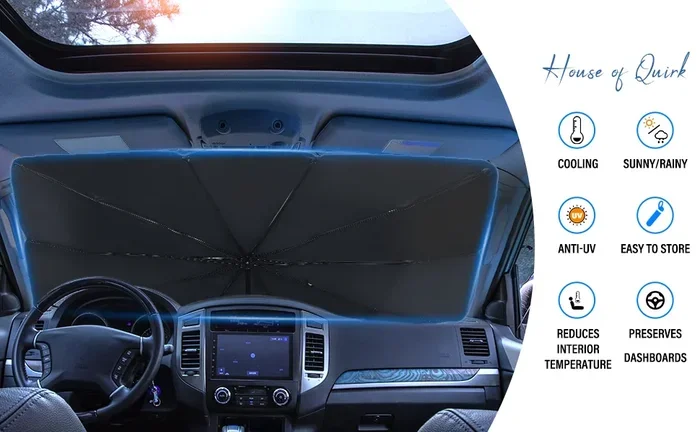
A windshield sun shade is one of the best investments you can make for summer car maintenance. These reflective panels fold up small and sit against your windshield when parked. They block UV rays and can lower the interior temperature by 20 to 40 degrees. That might not sound like much, but it makes a big difference for your glass and your car’s interior.
Look for a shade that fits your windshield snugly. Universal-fit shades work for most vehicles, but some brands offer custom sizes for a cleaner look. You can find quality shades at auto parts stores or online for under $30.
Park in the Shade Whenever Possible
This sounds obvious, but it’s worth repeating. Parking under a tree, in a covered garage, or in a shaded parking spot reduces direct sun exposure significantly. If you park at work every day, choose a shaded spot even if it’s a little further from the entrance. Your auto glass will thank you months from now.
Here are some quick parking tips for summer:
- Choose covered parking at the grocery store or mall.
- Use tree shade, but watch for sap and bird droppings that can also damage glass.
- Turn your wheels toward the curb so the windshield faces away from direct sun when parked on the street.
- Consider a garage or carport if you have one at home.
Apply a UV-Protective Glass Coating
Glass sealant and coating products create a protective barrier on your auto glass. These coatings block a portion of UV rays and add a hydrophobic layer that repels water and dirt. They also make your windshield easier to clean and improve visibility during rain.
You can apply a glass coating yourself with a simple kit. Just clean your windshield thoroughly, apply the coating with a microfiber cloth, and let it cure. Most coatings last between three and six months, making them a perfect summer protection solution.
Keep Your Auto Glass Clean
Dirt and dust on your windshield act like tiny magnifying lenses in direct sunlight. They focus the sun’s rays onto small points of your glass, which can accelerate damage over time. Regular cleaning removes these particles and keeps your glass in better condition.
Use a quality glass cleaner and a microfiber cloth to avoid scratching. Clean both the inside and outside of your windows, as UV damage often affects the interior side more than people realize. A clean windshield also improves your visibility, which makes summer driving safer.
Avoid Sudden Temperature Changes
We touched on this earlier, but it deserves its own attention. Never blast your air conditioner at full force immediately after getting into a hot car. Instead, roll down your windows for a minute or two to let the hot air escape first. Then gradually cool down the interior. This prevents the rapid temperature shift that can crack your windshield.
The same principle applies to washing your car in summer. Never spray cold water on a hot windshield. If you need to rinse your car, use lukewarm water or wait until the glass has cooled down in the shade.
Address Chips and Cracks Immediately
This might be the most important tip on this list. A small chip in your windshield can spread into a long crack within days during summer heat. The expansion and contraction cycle caused by temperature changes forces the crack to grow. If you notice any damage, get it repaired right away.
Most auto glass shops can fix a chip in under 30 minutes. The cost is usually much lower than a full replacement, and many insurance policies cover the repair with no deductible. Ignoring a small chip is never worth the risk.
Consider Window Tinting for Extra Protection
Car window tinting is an excellent way to protect your auto glass and interior from summer sun. Quality window tint blocks a significant percentage of UV rays and reduces heat buildup inside your car. It also adds a layer of protection that helps hold shattered glass together in case of an accident.
Make sure your tint complies with local laws. Most states have regulations about how dark tint can be on different windows. Choose a reputable installer who uses high-quality film that won’t bubble or peel in the heat.
When to Seek Professional Auto Glass Help
DIY protection goes a long way, but sometimes you need professional help. Knowing when to visit an auto glass specialist can save you time, money, and keep you safe on the road.
Signs You Need Professional Attention
Watch for these warning signs that your auto glass needs professional care:
- Cracks longer than a dollar bill usually cannot be repaired and need replacement.
- Chips or cracks directly in your line of sight impair visibility and may be illegal to drive with.
- Multiple chips or cracks suggest the glass is under significant stress and may need full replacement.
- Windshield flex or rattling sounds indicate the adhesive seal has weakened.
- Fog or moisture between glass layers means the laminate has failed and replacement is necessary.
Choosing the Right Auto Glass Shop
Not all auto glass shops are the same. Look for a shop that uses OEM or OEM-equivalent glass and offers a lifetime warranty on their work. Ask about the type of adhesive they use, as the wrong adhesive can compromise your windshield’s structural integrity in a crash. A reputable shop will also check your car’s rain sensors, cameras, and other features that may need recalibration after a windshield replacement.
Long-Term Strategies for Year-Round Auto Glass Protection
Protecting your auto glass shouldn’t be a summer-only effort. Building good habits year-round keeps your glass strong and extends its life significantly. Here are some long-term strategies that work in every season.
Regular Inspection Routine
Make it a habit to inspect your windshield and windows every few weeks. Look for new chips, cracks, or scratches. Check the condition of your window seals and rubber trim. Catching small issues early is the best way to avoid expensive repairs later.
Invest in Quality Glass Products
Not all glass cleaners and protectants are created equal. Use products specifically designed for auto glass. Avoid household cleaners with ammonia, as they can degrade window tint and rubber seals over time. Investing in good products now saves you from damage and premature replacement later.
Keep Your Wiper Blades in Good Shape
Worn wiper blades can scratch your windshield, especially when there’s dust or debris on the glass. Replace your wiper blades at least once a year, or sooner if you notice streaking. In summer, pollen and bugs can build up on your windshield quickly, so keeping your wipers in top shape matters even more.
Be Mindful of Driving Conditions
Summer often means more motorcycles, bicycles, and construction vehicles on the road. These all increase the risk of debris hitting your windshield. Keep a safe following distance on highways, especially behind trucks carrying loose materials. Defensive driving protects both you and your auto glass.
Final Thoughts on Protecting Your Auto Glass This Summer
Protecting your auto glass during summer doesn’t have to be complicated or expensive. A windshield sun shade, a little shade parking, and a UV-protective coating go a long way. Add prompt chip repair and smart driving habits, and your windshield will stay strong and clear through the hottest months of the year.
The key is consistency. Small actions taken regularly make a much bigger impact than one big effort. Think of auto glass summer protection as part of your overall car care routine, just like checking your oil or rotating your tires.
Your windshield does more than just keep wind and bugs out. It’s a structural part of your car’s safety system. Taking care of it is one of the best investments you can make for your vehicle and your safety. Start with one or two tips from this guide today, and build from there. Your auto glass will thank you all summer long and for many summers to come.
Frequently Asked Questions
What is the best way to protect auto glass from summer heat?
The best way is to use a combination of strategies. Park in the shade, use a windshield sun shade, apply a UV-protective glass coating, and avoid sudden temperature changes. These habits together provide strong protection against summer heat damage.
Can extreme heat cause a windshield to crack on its own?
Yes, extreme heat can cause cracking, especially if there are existing chips or weak spots. The thermal expansion from intense sun creates stress that spreads existing damage. This is why addressing small chips quickly is so important during summer.
How often should I apply a UV-protective coating to my auto glass?
Most UV-protective glass coatings last between three and six months. Reapply at the start of summer and again in late summer for maximum protection. Check the product instructions for specific guidance on reapplication timing.
Is car window tinting worth it for summer auto glass protection?
Yes, quality window tinting blocks UV rays, reduces interior heat, and adds a protective layer that helps hold glass together in accidents. It’s one of the most effective long-term investments for protecting your auto glass from summer sun damage.
What should I do if my windshield gets a chip from summer road debris?
Get it repaired as soon as possible. Most chips can be fixed in under 30 minutes at an auto glass shop, and the cost is usually much lower than a full replacement. Delaying repair allows the chip to spread into a crack, especially in hot weather.
Are windshield sun shades really effective?
Yes, windshield sun shades are highly effective. They can reduce interior temperatures by 20 to 40 degrees, which significantly reduces thermal stress on your auto glass. They also protect your dashboard and upholstery from UV damage. They’re affordable, easy to use, and one of the simplest summer protection tools available.
=== CONCLUSION ===
Learning how to protect your auto glass during summer is one of the most practical things you can do for your vehicle and your safety. The summer sun, heat, and road conditions all work against your windshield and windows, but the steps outlined in this guide give you real, actionable ways to fight back. From simple habits like parking in the shade and using a sun shade to more proactive measures like UV coatings and prompt chip repair, every step adds up to stronger, longer-lasting auto glass.
Don’t wait until you see a crack spreading across your windshield. Start today with the tips that feel easiest to implement, and build from there. Consistent care and attention will keep your auto glass in great shape all summer and for many years ahead. Your car, your wallet, and your safety will all benefit from the effort you put in now.