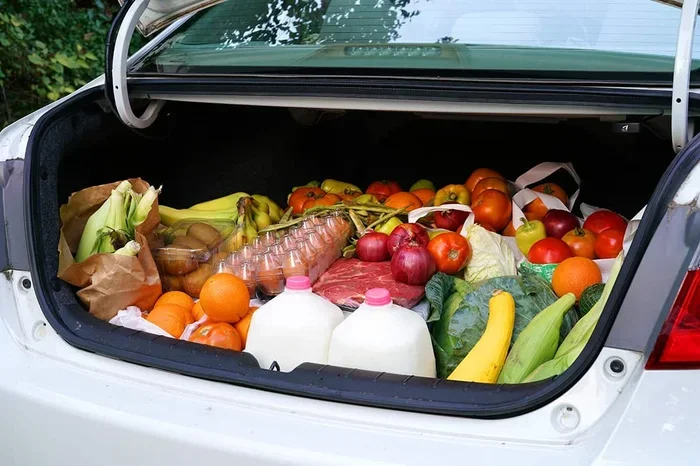
How Long Can Groceries Sit in a Car Without Spoiling
How Long Can Groceries Sit in a Car Without Spoiling depends on temperature and food type. Perishable items can spoil in as little as one hour when it is hot outside. Use insulated bags and run errands quickly to keep food safe. This guide covers safe time limits, risk factors, and practical tips.
You just finished grocery shopping and loaded your car. But how long can those bags sit safely? How Long Can Groceries Sit in a Car Without Spoiling is a question every shopper must answer. Leaving your groceries in a vehicle for too long can lead to food waste, bad odors, and even foodborne illness. The answer depends on the temperature outside, the type of food, and how you store it. In this guide, we break down safe time limits, risk factors, and simple steps to keep your food fresh.
Grocery shopping is a routine task, but the way you handle your bags after checkout matters a lot. Many people run a quick errand after loading the car. They assume the short trip will not hurt. Yet, the interior of a vehicle can turn into a hot box very fast. Even on a mild day, the temperature inside a car can rise by 20 degrees in just ten minutes. That rapid change creates a perfect breeding ground for bacteria. Understanding this risk helps you protect your family and your food budget.
The good news is that a little planning goes a long way. You do not need special equipment or a lot of time. Small habits like using insulated bags or parking in the shade can make a big difference. This article will walk you through everything you need to know. From the science of food spoilage to practical tips, you will find clear answers. Let us explore how to keep your groceries safe from the parking lot to your kitchen.
Key Takeaways
- Perishable groceries spoil fast: Dairy, meat, and seafood can go bad within one to two hours in a hot car.
- The two-hour rule is key: The FDA says food should not sit out more than two hours, or one hour if the temperature is above 90°F.
- Use insulated bags: A good cooler or insulated bag can double the safe time for your groceries.
- Park in the shade: A shaded car stays much cooler than one in direct sunlight.
- Check for spoilage signs: Slimy texture, bad odor, or off color means the food is no longer safe.
- Winter is not risk-free: Freezing temperatures can damage fruits, vegetables, and eggs too.
- Plan your errands: The fewer stops you make, the fresher your groceries stay.
📑 Table of Contents
Why Groceries Spoil So Fast in a Vehicle
A car is not a refrigerator. It does not have a cold chain that keeps food at a safe temperature. When you leave groceries in a vehicle, they sit in a closed space with no air flow. The interior temperature can climb quickly, especially in summer. This heat accelerates the growth of spoilage bacteria.
The Heat Is the Enemy
Bacteria thrive in what experts call the danger zone. This is the temperature range between 40°F and 140°F. At these temperatures, bacteria can double in number every 20 minutes. A hot car can easily reach 120°F or more on a sunny day. That means your groceries enter the danger zone almost immediately.
Perishable items like dairy, meat, and seafood are the most vulnerable. They need constant refrigeration to stay safe. When they warm up, the proteins break down and harmful microbes multiply. Even cooked foods can become unsafe if left out too long. The risk is not just about taste or texture. It is about food safety and preventing illness.
Cold Weather Risks Too
You might think a cold car is safe. But freezing temperatures can also damage groceries. Eggs can crack when they freeze. Fruits and vegetables can get mushy or develop ice crystals. Dairy products may separate when they thaw. So, even in winter, you should not leave groceries in the car for a long time.
The trunk of a car is often colder than the cabin. That can sound good, but it can also freeze items. A quick trip inside is fine, but an hour-long stop is risky. Always consider the weather and the type of food you bought.
How Long Can Groceries Sit in a Car Without Spoiling? The Safe Time Limits
The answer to how long can groceries sit in a car without spoiling depends on the outside temperature. The general rule comes from food safety experts. They recommend the two-hour rule. This rule states that perishable food should not sit out for more than two hours. If the temperature is above 90°F, the safe window drops to just one hour.
Here is a simple breakdown of safe time limits based on conditions:
- Below 60°F (mild or cool): Up to 2 hours for most perishables.
- 60°F to 80°F (moderate): About 1.5 to 2 hours.
- Above 80°F (hot): No more than 1 hour.
- Above 90°F (very hot): Only 30 minutes to 1 hour.
These limits apply to items that need refrigeration. Canned goods, dry pasta, and bread can handle the heat better. But even they can suffer in extreme conditions. The key is to minimize the time your groceries spend in the car.
Hot Weather vs. Cold Weather Comparison
| Condition | Typical Car Interior Temp | Safe Time for Perishables |
|---|---|---|
| Cool day (below 60°F) | 50°F – 65°F | Up to 2 hours |
| Mild day (60°F–80°F) | 65°F – 85°F | 1.5 – 2 hours |
| Warm day (80°F–90°F) | 85°F – 105°F | 1 hour |
| Hot day (above 90°F) | 105°F+ | 30 minutes – 1 hour |
| Freezing day (below 32°F) | Below 32°F | Risk of freezing; limit to 1 hour |
The table shows that extreme temperatures shrink the safe window fast. Always check the weather before you leave the store. If you know you will be delayed, take action to protect your food.
Which Groceries Are Most at Risk?
Not all groceries are equally sensitive. Some items can survive a short trip in the car. Others need immediate attention. Understanding which foods are high risk helps you prioritize your time.
Dairy and Eggs
Milk, cheese, yogurt, and eggs are highly perishable. They spoil quickly when the temperature rises. Bacteria like Listeria and Salmonella can grow fast in dairy products. Eggs can also crack in the cold, letting bacteria enter. Always place dairy and eggs in your insulated bag first.
Meat and Seafood
Raw meat, poultry, and fish are the most dangerous items. They carry harmful bacteria that cause food poisoning. Even a short time in the danger zone can make them unsafe. Never let raw meat sit in a warm car. Place it in a separate cooler with ice packs. Keep it away from other groceries to avoid cross-contamination.
Fruits and Vegetables
Fresh produce can wilt, bruise, or freeze in a car. Leafy greens lose their crispness fast. Tomatoes and bananas can get mushy in the heat. On the other hand, cold temperatures can damage items like tomatoes and citrus. Most fruits and vegetables should not sit out for more than two hours.
Comparison Table: Grocery Risk Levels
| Grocery Item | Risk Level | Safe Time in Car (Hot Weather) |
|---|---|---|
| Raw meat, poultry, fish | Very High | Less than 1 hour |
| Dairy products, eggs | High | 1 hour |
| Cooked leftovers | High | 1 hour |
| Fresh berries, leafy greens | Medium-High | 1 – 1.5 hours |
| Fruits like bananas, tomatoes | Medium | 2 hours |
| Bread, cereal, canned goods | Low | 2+ hours |
This table helps you quickly see which items need the most care. Always handle high-risk groceries first when you get home.
Smart Strategies to Protect Your Groceries
A few simple habits can keep your food fresh and safe. You do not need expensive gear. Just a bit of awareness and planning. Here are the best ways to protect your groceries during the car ride.
Use Insulated Bags or Coolers
An insulated grocery bag is a game changer. It helps maintain a steady temperature. You can find reusable bags with insulation at any store. For meat and seafood, add a small cooler with ice packs. This creates a mini cold chain that slows bacterial growth.
Pro tip: Pre-chill your insulated bag before you leave. A cold bag keeps food cold longer. This is especially helpful in hot weather.
Park in the Shade
Sunlight heats up a car fast. A shaded spot can keep the interior 10 to 20 degrees cooler. Look for a spot under a tree or near a building. If shade is not available, use a sunshade on the windshield. This simple step reduces the heat buildup significantly.
Keep the Car Cool
If you have air conditioning, use it. Set the temperature to around 40°F if possible. This keeps the cabin in the safe zone. Crack the windows slightly when parked. This allows some air flow and prevents the car from turning into an oven. Just a small gap can make a difference.
Run Your Errands First
Make grocery shopping the last stop of your errand run. The less time your bags spend in the car, the better. Plan your route so you can go straight home after the store. If you have a long drive, consider using a delivery service for perishable items.
Quick Tips to Keep Groceries Fresh
- Pack raw meat on the bottom: This prevents juices from leaking onto other items.
- Use a thermometer: A small fridge thermometer can tell you the car interior temperature.
- Bring groceries inside right away: Do not leave bags in the car even for a few minutes.
- Keep bags closed: Open bags let cold air escape and warm air in.
- Drive directly home: Avoid detours or long conversations after shopping.
Quick Tips and Common Mistakes
Quick Tips
- Shop for groceries last: Do it at the end of your day.
- Insulate everything: Use bags, coolers, and ice packs.
- Check the weather: Adjust your plans if it is very hot or cold.
- Know the danger zone: Remember that 40°F to 140°F is risky.
- Clean your bags: Wash reusable bags regularly to prevent bacteria buildup.
Common Mistakes That Spoil Your Groceries
Many people make mistakes without realizing it. Here are the most common ones:
- Leaving bags in the trunk: The trunk can get very hot or very cold. Always place perishables in the cabin where you can control the temperature.
- Ignoring the clock: It is easy to lose track of time. Set a timer on your phone if you need to run an errand.
- Overloading the car: Piles of bags block air flow. This creates hot spots and slows cooling.
- Not checking for spoilage: Always sniff and inspect your food when you get home. Do not taste something that looks or smells off.
- Assuming all items are safe: Even bread and cereal can suffer in extreme heat or cold. Treat all groceries with care.
Expert Insights and Final Thoughts
Food safety experts agree on one thing: time and temperature are everything. The USDA and the FDA both stress the importance of keeping perishable food out of the danger zone. They say that how long groceries sit in a car directly affects food safety. A short delay might seem harmless, but bacteria do not wait.
Dr. Sarah Chen, a food safety specialist, explains it simply. She says, “The two-hour rule is your best friend. If you cannot get your groceries into a refrigerator within that time, use a cooler. There is no shortcut when it comes to preventing foodborne illness.” Her advice is clear: plan ahead and act quickly.
Another expert, nutritionist Mark Davis, adds that consumers often underestimate the risk. “People think a quick coffee stop will not hurt. But a 20-minute stop in a hot car can push milk or chicken into the danger zone. That is enough time for harmful bacteria to reach unsafe levels.” He recommends always treating groceries like a fragile item that needs constant care.
So, what is the bottom line? How Long Can Groceries Sit in a Car Without Spoiling is not just a question. It is a habit. By understanding the risks and using simple strategies, you can protect your food, your health, and your wallet. Always aim to get your groceries into a cool place as soon as possible. Use insulated bags, park in the shade, and keep an eye on the clock. These small steps add up to big benefits.
Remember, food spoilage is not always visible. You cannot always see or smell the bacteria that cause illness. When in doubt, throw it out. Your family’s safety is worth more than saving a carton of milk. Make the practice of caring for your groceries a part of your routine. You will waste less food, save money, and stay healthy. A little attention goes a long way from the parking lot to your kitchen table.
Frequently Asked Questions
Can groceries sit in a car for 3 hours?
It depends on the temperature. On a hot day, three hours is far too long. Even on a mild day, perishable items like meat and dairy may spoil. Only non-perishables like bread or canned goods can handle a three-hour wait safely.
What is the danger zone for groceries in a car?
The danger zone is between 40°F and 140°F. In this range, bacteria multiply rapidly. A hot car can easily reach this zone within minutes, making your groceries unsafe.
Should I put my grocery bags in the trunk or the cabin?
The cabin is usually better because you can control the temperature with air conditioning. The trunk can get extremely hot or cold, which may freeze or overheat your food.
Do insulated bags really help keep groceries cold?
Yes, they do. Insulated bags slow down the temperature change. They can extend the safe time for your groceries by up to an hour or more, especially when paired with ice packs.
How can I tell if groceries have spoiled in the car?
Look for signs like slimy texture, off-color, or a sour smell. If you notice any of these, do not eat the food. When in doubt, throw it away to avoid foodborne illness.
Is it safe to buy groceries online and have them delivered?
Yes, online grocery delivery is a great option for perishables. Delivery services use insulated packaging and cold packs. This ensures your groceries stay fresh from the store to your door, avoiding the car altogether.