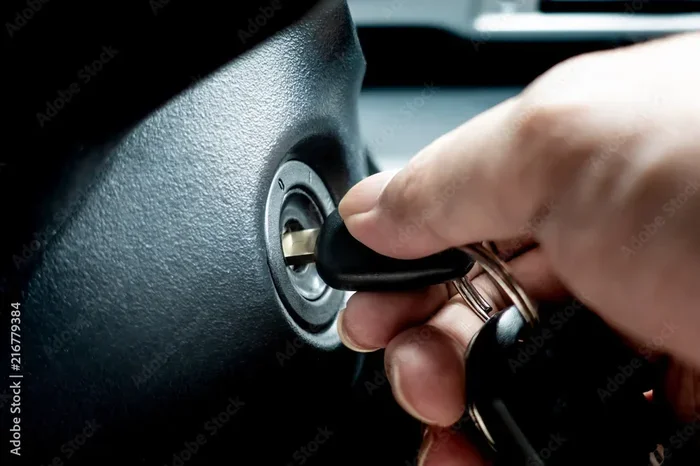
How Do I Start My Car A Complete Step By Step Guide
Learning how do I start my car is easier than most people think, whether you have a traditional key or a modern push button start system. This guide walks you through every step clearly, from turning the ignition to handling common problems like a dead battery or steering wheel lock. You will also learn cold weather starting tips and when it is time to call a professional for help.
Have you ever stood in front of your car, turned the key, and heard nothing but silence? It happens to everyone at some point. Learning how do I start my car properly can save you time, money, and a lot of frustration. Whether you are a new driver or someone who has not thought about the process in years, this guide breaks it all down in simple, easy to follow steps.
Starting a car might seem like a simple task. You turn the key, the engine roars to life, and you drive away. But there is actually a small process behind it. From making sure your transmission is in the right gear to checking your car battery, each step plays an important role. This guide covers everything you need to know about starting a car the right way. We will look at traditional keys, push button start systems, common problems, and even how cold weather affects your engine cranking.
By the end of this article, you will feel confident every time you approach your vehicle. You will know exactly what to do, what to check, and what to avoid. Let us get started with the basics of your car ignition system.
Key Takeaways
- Know your ignition type: Understanding whether your car uses a traditional key or push button start is the first step to starting it correctly.
- Follow the basic sequence every time: Buckle up, press the brake, and turn the key or push the start button for a smooth ignition.
- Check your car battery regularly: A dead battery is the number one reason cars fail to start, especially in cold weather.
- Do not ignore warning lights: Dashboard warning lights can signal serious issues with your fuel system, alternator, or ignition coil.
- Prepare for cold weather starting: Simple steps like parking in a garage or using a block heater can make winter mornings much easier.
- Know when to call a pro: If you smell burning, hear grinding, or your car keeps not starting, seek professional help right away.
📑 Table of Contents
Understanding How Your Car Starts
Before we dive into the step by step process, it helps to understand what happens when you start your car. The starting a car process involves several parts working together in seconds. Knowing these parts makes troubleshooting much easier later on.
The Role of the Ignition Switch
Your ignition switch is the part you interact with every time you start your car. When you turn the key or press the button, the switch sends power from the car battery to the starter motor. The starter motor then turns the engine over. This is called engine cranking. Once the engine fires up, the alternator takes over to keep the electrical system running.
How the Starter Motor Works
The starter motor is a small but powerful electric motor. It engages with the engine’s flywheel to spin it. This spinning action creates the compression needed to ignite the fuel. Without a working starter motor, your car won’t start no matter how good your car battery is.
The Fuel System’s Part in Starting
Your fuel system delivers gasoline or diesel to the engine. The fuel pump pushes fuel from the tank to the engine. The ignition coil then creates the spark that ignites the fuel. If any part of this chain fails, your vehicle will not start. This is why understanding your car ignition system matters.
Starting a Car with a Key
If your car uses a traditional key, the process is straightforward once you know the steps. Many newer drivers or people switching from automatic to manual cars benefit from reviewing this process carefully.
Step by Step: Key Ignition Process
Follow these steps every time you start your car with a key:
- Buckle your seatbelt. This is both a safety habit and, in many places, a legal requirement.
- Press the brake pedal firmly. You need to press the brake before turning the key. This prevents the car from lurching forward unexpectedly.
- Make sure the transmission is in Park. For automatic cars, the gear selector must be in Park. For manual cars, press the clutch pedal all the way down.
- Turn the key to the On position. You will feel a slight click. The dashboard lights should come on. This is your chance to check for any dashboard warning lights.
- Turn the key to Start. Hold the key in this position until the engine starts. Do not hold it too long. If the engine does not start within five seconds, release the key and wait a few seconds before trying again.
- Release the key gently. The key will spring back to the On position. Let the engine idle for a few moments before driving.
Dealing with a Steering Wheel Lock
One common issue new drivers face is the steering wheel lock. When you turn off the car and turn the steering wheel slightly, the lock mechanism engages. This can make it very hard to turn the key. To fix this, gently wiggle the steering wheel left and right while trying to turn the key. The lock will release, and the key will turn smoothly.
Key Fob and Keyless Entry Tips
Many modern cars come with key fob technology. Even if your car uses a traditional ignition, the key fob must be inside the vehicle for the system to work. If your key fob battery is low, the car may not recognize it. Keep a spare battery in your glove box, and always check the keyless entry battery if your car suddenly stops recognizing the fob.
Starting a Car with a Push Button Start
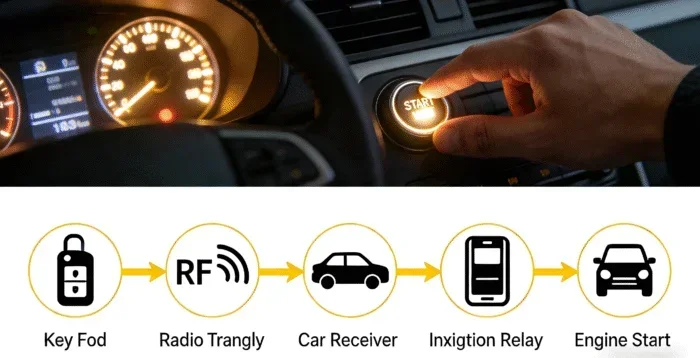
Push button start systems are now standard in most new vehicles. They are convenient and sleek, but they work differently than a traditional key. Understanding the process helps you avoid confusion, especially if you are borrowing or renting a car.
Step by Step: Push Button Start Process
Here is how to start a car with a push button start system:
- Step on the brake pedal. Just like with a key ignition, you must press the brake before pressing the start button.
- Make sure the car is in Park. The system will not start if the transmission is in Drive or Reverse.
- Press the Engine Start/Stop button. Press it once and release. The dashboard will light up, and the engine will start after a brief moment.
- Wait for the ready light. Most systems display a “Ready” indicator when the engine is on and the car is ready to drive.
What If the Push Button Does Not Respond?
If you press the button and nothing happens, check a few things first. Is the car battery dead? Is the key fob battery low? Many push button systems have a backup slot for the key fob in the center console or steering column. Place the fob in that slot and try again. This is a simple fix that many people do not know about.
Common Mistakes with Push Button Start
One mistake is leaving the car in accessory mode too long. This drains the car battery quickly. Another mistake is pressing the button without pressing the brake first. The system requires the brake input as a safety feature. Always press the brake before pushing the button.
Common Reasons Your Car Won’t Start
Even when you follow all the steps correctly, sometimes your car won’t start. Understanding the most common causes helps you troubleshoot quickly and decide whether you can fix it yourself or need professional help.
Dead Battery
A dead battery is the leading cause of starting problems. Car batteries typically last three to five years. Cold weather, leaving lights on, or a faulty alternator can shorten battery life. Signs of a dead battery include dim dashboard lights, slow engine cranking, and a clicking sound when you turn the key.
Faulty Starter Motor
If you hear a single loud click when you turn the key but the engine does not turn over, the starter motor may be faulty. Replacing a starter motor is a common repair, but it requires professional tools and knowledge. Do not attempt this yourself unless you have experience with auto repair.
Fuel System Issues
Your fuel system needs fuel, pressure, and proper flow to start the engine. A clogged fuel pump, empty tank, or faulty ignition coil can all prevent starting. Always check your fuel gauge first. It sounds obvious, but running on empty happens more often than you would think.
Ignition Switch Problems
Worn out ignition switch contacts can cause intermittent starting problems. If your car starts sometimes and not others, the ignition switch may be the culprit. This is a relatively inexpensive repair compared to other starting system components.
When You Need a Jump Start
If your car battery is dead, a jump start can get you back on the road quickly. Keep jumper cables in your trunk at all times. Connect the red cable to the positive terminal of both batteries first. Then connect the black cable to the negative terminal of the working battery and an unpainted metal surface on your car. Start the working car first, then try starting your car. Once it starts, drive for at least 20 minutes to recharge the battery.
Cold Weather Starting Tips
Cold weather starting can be a real challenge, especially if you live in areas with harsh winters. Low temperatures reduce battery efficiency and thicken engine oil, making engine cranking harder. Here are some practical tips to make winter mornings easier.
Keep Your Battery Charged
Cold weather drains car batteries faster. If your battery is already weak, winter temperatures can push it over the edge. Have your battery tested before winter arrives. Most auto parts stores offer free battery testing. Replace weak batteries before the cold season hits.
Use a Block Heater
If you live in extremely cold climates, a block heater keeps your engine warm overnight. This makes cold weather starting much easier and reduces wear on your starter motor. Plug the block heater into an outlet before you go to bed, and unplug it in the morning before driving.
Park in a Garage When Possible
Even an unheated garage keeps your car several degrees warmer than outside. This small difference helps your car battery and engine during cold weather starting. If you do not have a garage, consider using a car cover to reduce heat loss.
Check Your Fuel Level
Keep your tank at least half full during winter. Condensation can form in an almost empty tank and freeze in the fuel lines. This can block fuel flow and prevent your fuel system from working properly. A half full tank gives you a buffer against this problem.
When to Seek Professional Help
Many starting problems can be solved with simple checks. But some issues require a trained mechanic. Knowing the difference saves you time and prevents further damage to your vehicle.
Warning Signs You Should Not Ignore
Watch for these warning signs that indicate a professional inspection is needed:
- Burning smell: This could signal an electrical short or overheating component in your fuel system or ignition coil.
- Grinding noise: A grinding sound when you turn the key often means the starter motor is worn out and needs replacement.
- Dashboard warning lights stay on: If warning lights do not turn off after starting, there may be an issue with your alternator or dashboard warning lights system.
- Frequent stalling after starting: If the engine starts but immediately dies, your fuel pump or car battery may be failing.
Regular Maintenance Prevents Starting Problems
The best way to avoid starting issues is through regular maintenance. Have your car battery tested every six months. Check your fuel system and replace filters as recommended by your manufacturer. Inspect your ignition switch and starter motor during routine service appointments. A little prevention goes a long way toward reliable cold weather starting and trouble free driving every day.
Conclusion
Learning how do I start my car is a fundamental skill that every driver should master. From understanding your car ignition system to handling a dead battery or steering wheel lock, the steps in this guide cover the essentials. Whether you use a traditional key or a push button start, the process is simple once you know what to do.
Remember to check your car battery regularly, pay attention to dashboard warning lights, and prepare for cold weather starting before the temperature drops. These small habits keep your engine cranking reliably day after day. If you ever face a problem you cannot solve, do not hesitate to seek professional help. Your safety and your vehicle’s longevity are always worth it. Now you have the knowledge to start your car with confidence every single time.
Frequently Asked Questions
Why does my car not start but the lights come on?
This usually means your car battery has enough charge for accessories but not enough to turn the engine. The starter motor requires a large burst of power. A weak or dying battery often causes this exact symptom. Try a jump start or have your battery tested at an auto parts store.
How long does a car battery last?
Most car batteries last between three and five years. Cold weather, short trips, and leaving electronics on can shorten that lifespan. Have your battery tested regularly, especially before winter, to avoid unexpected car won’t start situations.
Can a dead key fob battery prevent starting?
Yes, a low key fob battery can prevent keyless entry and push button start systems from recognizing the fob. Most vehicles have a backup slot for the fob inside the car. Placing the fob in that slot usually solves the problem immediately.
What should I do if my steering wheel is locked?
A locked steering wheel is a security feature, not a malfunction. Gently wiggle the wheel left and right while turning the key. This releases the lock mechanism. Never force the key, as you could damage the ignition switch.
How do I know if my alternator is failing?
Signs of a failing alternator include dimming headlights, flickering dashboard lights, and a battery warning light on the dashboard warning lights panel. If your car starts but dies shortly after, the alternator may not be recharging the car battery properly. Have it inspected right away.
Is it safe to push start a car with an automatic transmission?
No, push starting is not safe or effective for cars with automatic transmissions. It can damage the transmission gear and starter motor. Push starting should only be done with manual transmission vehicles. For automatic cars, use a jump start or call for roadside assistance.



2 Comments