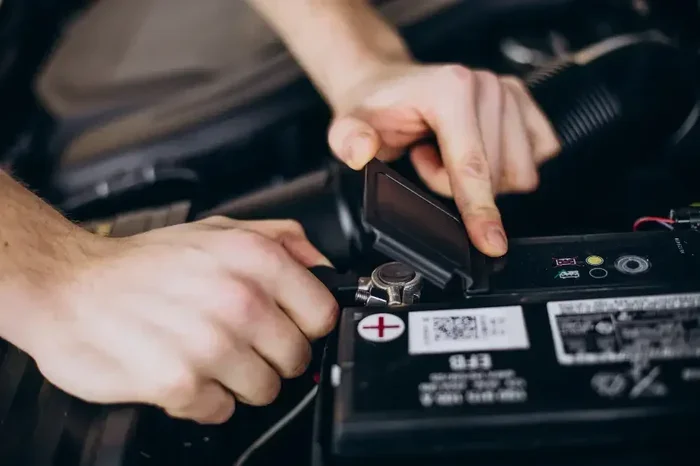
Does Disconnecting Battery Reset Codes Actually Work
Disconnecting your battery can reset some codes temporarily, but it does not always fix the underlying problem. Many drivers hope a simple battery disconnect clears the check engine light and resets error codes permanently. The truth is more complicated. Your vehicle’s computer stores fault codes for a reason, and a hard reset may only hide the symptom. Understanding how your car’s system works helps you make smarter repair decisions and avoid unnecessary trips to the mechanic.
Key Takeaways
- Battery disconnects can reset some codes temporarily: Removing the battery terminal clears stored fault codes from the ECU memory in many vehicles.
- It does not fix the root cause: If the original problem persists, the codes will return after a few drive cycles.
- Some modern cars resist battery resets: Newer vehicles with complex computers may retain codes or trigger additional issues after a disconnect.
- A diagnostic scan tool is more effective: Using a proper code reader gives you real-time data and clears codes more safely.
- Drive cycles matter after a reset: Your vehicle needs to complete specific driving patterns to relearn settings and clear monitors.
- Always check for underlying issues first: Ignoring the real problem can lead to costly repairs down the road.
📑 Table of Contents
- Does Disconnecting Battery Reset Codes Actually Work?
- How Your Car Stores Error Codes
- What Happens When You Disconnect the Battery
- When Disconnecting the Battery Works
- When Disconnecting the Battery Does NOT Work
- Better Alternatives to Disconnecting the Battery
- Common Mistakes People Make When Resetting Codes
- How to Properly Disconnect Your Battery (If You Must)
- Can Battery Disconnect Affect Fuel Efficiency?
- Expert Insights on Battery Resets
- Key Takeaways on Battery Resets
- Final Thoughts
Does Disconnecting Battery Reset Codes Actually Work?
You turn off your engine, pop the hood, and disconnect the battery terminal. You wait a few minutes. You reconnect everything. You start the car. And… the check engine light is off. It feels like a win. But does disconnecting battery reset codes for good? The short answer is sometimes. The full answer is more nuanced than most people realize.
Every driver has been there. That little orange light on your dashboard starts glowing, and panic sets in. You wonder if your car is about to break down. You wonder if it is going to cost hundreds of dollars. So you grab a wrench and pull the battery cable. It feels like a quick fix. And in some cases, it actually works. But here is the catch. The light might come back a few days later. The codes might return. And the real problem could still be lurking under the hood.
This article explains exactly what happens when you disconnect your battery. We cover how your car stores codes, when a reset works, when it does not, and what you should do instead. By the end, you will know whether a battery disconnect is worth your time or if you need a better solution.
Let us get into it. No fluff. No jargon. Just straight answers about your car’s fault codes and how to handle them the right way.
How Your Car Stores Error Codes
Your car is basically a computer on wheels. Modern vehicles rely on dozens of electronic systems that communicate with each other constantly. The powertrain control module, or PCM, acts as the brain. It monitors sensors, tracks performance, and stores diagnostic trouble codes when something goes wrong.
When a sensor detects a problem, the PCM logs a code. This code is stored in the ECU memory. It stays there until someone clears it or the problem is fixed. The check engine light turns on to warn you. But the code itself remains saved even after the light goes off.
What Are OBD-II Codes?
OBD-II stands for On-Board Diagnostics II. It is the standard system used in all cars sold in the United States since 1996. When your car detects an issue, it generates an OBD-II code. These codes follow a standardized format. The first letter tells you the system involved. The numbers and letters give more specific details.
For example, a code starting with P relates to the powertrain. A code starting with B relates to the body. A code starting with C relates to the chassis. Each code points to a specific fault. A mechanic or a code reader can pull these codes and tell you what is wrong.
Where Do Codes Live?
Fault codes live in the non-volatile memory of your car’s computer. This means they stay stored even when the ignition is off. They do not disappear just because you turn the key to the off position. They need to be manually cleared or they stay until the problem is resolved.
Some codes are permanent. These are called permanent DTCs or P-codes. They will not clear with a simple battery disconnect. Others are pending codes. These show up as warnings but have not yet triggered the check engine light. Understanding the type of code helps you figure out the best way to clear it.
What Happens When You Disconnect the Battery
When you disconnect the battery, you cut power to the entire electrical system. This includes the car’s computer. Without power, the ECU memory loses its short-term data. The adaptive learnings reset. The fuel trim values go back to default. And in many cases, the stored fault codes disappear.
But here is the important part. Not all codes disappear. And not all systems reset the same way. The results depend on your vehicle model, the type of code, and how long you keep the battery disconnected.
Short-Term Memory vs. Long-Term Memory
Your car’s computer has two types of memory. Short-term memory holds temporary data. This includes fuel trim adjustments, idle speed settings, and shift point adaptations. Long-term memory stores learned values over time. When you disconnect the battery, both types of memory usually reset. But the fault codes stored in non-volatile memory may survive.
This is why some drivers disconnect the battery and the light comes right back. The code was never truly cleared. The underlying issue is still present, and the PCM simply logs it again.
The Drive Cycle Factor
After a battery disconnect, your car needs to complete a drive cycle. A drive cycle is a specific set of driving conditions that allow the PCM to relearn its settings. During this cycle, the system runs various self-tests. It checks oxygen sensors, catalytic converters, EVAP systems, and more.
If the original problem is still there, the PCM will detect it again during the drive cycle. The check engine light will return. New codes will be stored. So a battery disconnect only buys you time. It does not solve the problem.
When Disconnecting the Battery Works
There are situations where a battery disconnect actually does the job. Understanding these scenarios helps you decide if it is worth trying. Not every code reset requires a trip to the shop.
After a Simple Repair
Let us say you replaced a loose gas cap. Or you changed a faulty oxygen sensor. The code that triggered the check engine light was related to that issue. Once you fix the problem, the code may clear on its own after a few drive cycles. But sometimes it does not. In these cases, a battery disconnect can force the reset. Since the root cause is already fixed, the codes do not come back.
This is the ideal scenario for a battery reset. The problem is solved. You just need the computer to forget what happened.
After a Dead Battery
If your car battery died and you jumped it or replaced it, the PCM may have lost all stored codes. In many vehicles, the check engine light stays off until a new problem develops. A dead battery effectively acts as a reset. But this is not something you should count on as a maintenance strategy.
After Electrical System Work
When you work on the electrical system, such as replacing an alternator or a fuse, you may need to reset the ECU afterward. A battery disconnect allows the computer to start fresh. This helps it recalibrate to the new components. Does cruise control save gas after an ECU reset? In some cases, yes. The computer relearns optimal settings that can improve fuel efficiency.
Just make sure you do not confuse a reset with a fix. If the cruise control system had a fault code before, resetting it does not repair the fault. It only clears the warning.
When Disconnecting the Battery Does NOT Work
There are many situations where a battery disconnect will not help. In fact, it can sometimes make things worse. Knowing when NOT to try this trick saves you time and frustration.
Persistent Mechanical Problems
If your engine has a real mechanical issue, a battery disconnect will not fix it. A misfiring cylinder, a failing catalytic converter, or low compression will all trigger codes again. The PCM detects these problems through sensors. As long as the problem exists, the codes return. Disconnecting the battery simply hides the warning temporarily.
Permanent Fault Codes
Modern vehicles store permanent codes. These codes are designed to survive battery disconnects. They are meant to stay in the system until a technician clears them with proper equipment. If your car has a permanent code, a battery reset will not work. You need a diagnostic tool to clear it.
Hybrid and Electric Vehicles
Hybrid and electric vehicles have complex battery management systems. These systems store codes related to the high-voltage battery, electric motor, and power control unit. A simple 12-volt battery disconnect does not reset these systems. In many cases, it can cause additional problems. The hybrid system may need a full power-down procedure or a diagnostic scan tool to clear codes properly.
For example, at what speed does a hybrid switch to gas depends on its battery management system. If that system has stored a fault code, a battery disconnect is unlikely to clear it. The hybrid control module operates independently and requires specialized tools for resets.
Computer Module Conflicts
Newer vehicles have multiple computers. The engine control module, transmission control module, body control module, and infotainment system all communicate with each other. Disconnecting the battery can cause these modules to lose their learned values. This can lead to rough shifting, idle problems, and other drivability issues.
Some vehicles require a battery registration procedure after a disconnect. If you do not perform this step, the alternator may not charge properly. The electrical system may behave unpredictably. Always check your vehicle owner’s manual before disconnecting the battery.
Better Alternatives to Disconnecting the Battery
A battery disconnect is not the best way to reset codes. There are safer and more effective methods available. These alternatives give you better results without the risks.
Use a Code Reader or Scan Tool
A basic code reader costs under $50. It plugs into your OBD-II port under the dashboard. It reads and clears fault codes in seconds. More advanced scan tools provide live data, freeze frame data, and readiness monitor status.
Using a code reader is the safest way to clear codes. It does not disrupt your car’s electrical system. It does not erase adaptive learnings unnecessarily. And it gives you the information you need to understand what the code means.
Many auto parts stores offer free diagnostic testing. Does Autozone do a full diagnostic test? Yes, they can read and clear codes for free in many locations. This is a great first step before spending money on repairs.
Perform a Drive Cycle
After clearing codes with a scan tool, you should perform a drive cycle. This allows the PCM to run all its self-tests and set readiness monitors. A typical drive cycle involves specific speeds, accelerations, and idle periods.
Completing a drive cycle properly ensures your vehicle passes emissions testing. It also confirms whether the repair actually fixed the problem. If codes return during the drive cycle, you know the fix did not work.
Reset Through the Infotainment System
Some newer vehicles allow you to reset service lights and codes through the infotainment system. Check your owner’s manual for instructions. This method is often safer than a battery disconnect because it follows the manufacturer’s intended procedure.
Common Mistakes People Make When Resetting Codes
Many drivers make avoidable mistakes when trying to clear fault codes. Learning from these errors helps you get better results and avoid costly problems.
- Resetting codes without fixing the problem: This is the most common mistake. The light goes off, but the real issue remains. The code always comes back, and the problem may get worse.
- Disconnecting the battery on a hybrid or electric vehicle: These vehicles have high-voltage systems that can be dangerous. A simple battery disconnect can cause module errors and require dealer-level repairs.
- Not waiting long enough: Some drivers reconnect the battery after 30 seconds. Most vehicles need at least 15 to 30 minutes of full power loss to properly reset the ECU.
- Ignoring readiness monitors: After a reset, your emissions readiness monitors need time to complete. If they are not ready, your vehicle may fail an emissions test.
- Using the wrong tools: Cheap code readers may not clear all codes. They may not read manufacturer-specific codes. Invest in a quality scan tool for reliable results.
How to Properly Disconnect Your Battery (If You Must)
If you still want to try a battery disconnect, here is the right way to do it. Following these steps minimizes risks and gives you the best chance of a successful reset.
- Turn off the engine and all electrical accessories.
- Locate the negative battery terminal (the one with the minus sign).
- Use a wrench to loosen the nut on the negative cable.
- Remove the cable from the terminal and tuck it away from the battery.
- Wait at least 15 to 30 minutes. This allows the ECU to fully lose power.
- Reconnect the negative cable and tighten the nut securely.
- Start the engine and let it idle for a few minutes.
- Check if the check engine light is off.
- Drive the vehicle through a complete drive cycle.
Quick Tip: Always keep your radio preset stations and clock settings handy. A battery disconnect will erase these. Some vehicles also need the power window calibration reset after a full battery disconnect.
Remember, a battery disconnect is a temporary measure. It is not a substitute for proper diagnostics and repairs. If your check engine light is on, take the time to understand why. Use a code reader, get a proper diagnosis, and fix the root cause.
Can Battery Disconnect Affect Fuel Efficiency?
Some drivers wonder if resetting codes through a battery disconnect improves fuel economy. The answer is not straightforward. After a reset, your car’s fuel trim values return to factory defaults. The engine control module relearns your driving habits over time.
In the short term, you might notice slight changes in fuel economy. The engine may run slightly rich or lean while it recalibrates. Over time, the PCM adapts and fuel efficiency returns to normal. In some cases, clearing a fault code related to the fuel system can restore optimal performance.
But a battery disconnect alone does not improve gas mileage. The real gains come from fixing whatever issue triggered the original code. A faulty oxygen sensor, a clogged fuel injector, or a vacuum leak all hurt fuel efficiency. Fixing these problems makes the real difference.
Similarly, at what speed does a hybrid switch from electric to gas depends on the battery system and driving conditions. A battery reset does not change these parameters. The hybrid control module determines the switch point based on battery charge, speed, and load. Resetting codes related to this system should only be done after the actual problem is resolved.
Expert Insights on Battery Resets
Experienced mechanics generally advise against using battery disconnects as a first resort. Here is what the pros say.
Use a scan tool first. Most professional technicians reach for a diagnostic scanner before touching the battery. A scan tool provides real-time data and lets you clear codes safely. It also stores freeze frame data that helps pinpoint the problem.
Do not ignore permanent codes. Permanent diagnostic trouble codes are designed to survive power loss. If you have a permanent code, a battery disconnect will not clear it. You need a professional-grade scan tool or a visit to a repair shop.
Consider the vehicle age. Older vehicles with simpler computers respond well to battery resets. Newer vehicles with complex networks may experience issues after a disconnect. Always research your specific model before attempting a reset.
Check for software updates. Some manufacturers release software updates that address code storage issues. A dealer visit might be more effective than a DIY battery reset for certain problems.
Key Takeaways on Battery Resets
- A battery disconnect can clear some codes temporarily: It works best on older vehicles and after simple repairs.
- It does not fix underlying problems: The codes will return if the issue persists.
- Modern vehicles may resist battery resets: Permanent codes and complex systems require proper diagnostic tools.
- Hybrid and electric vehicles need special procedures: A simple battery disconnect is not sufficient for high-voltage systems.
- A code reader is the safer and better option: It clears codes without disrupting your electrical system.
- Always fix the root cause: Clearing codes without repairs is a waste of time and money.
Final Thoughts
So, does disconnecting battery reset codes? Yes, but only sometimes. And more importantly, it is not always the right approach. A battery disconnect can temporarily clear fault codes and turn off the check engine light. But if the real problem is still there, the codes will come back. You will end up right back where you started.
The best approach is to diagnose the problem first. Use a code reader to understand what the fault codes mean. Fix the underlying issue. Then clear the codes with a proper scan tool. This approach saves you time, money, and frustration.
Do not let a glowing check engine light scare you. Take a deep breath. Get the right tools. Get the right information. And fix the problem the right way. Your car will thank you for it. And your wallet will too.
Remember, regular car maintenance is the best way to prevent fault codes in the first place. Keep up with oil changes, filter replacements, and scheduled services. A well-maintained vehicle runs better, lasts longer, and triggers fewer warning lights on your dashboard.
Next time you see that check engine light, do not reach for the wrench just yet. Grab a code reader instead. Knowledge is power. And in car maintenance, knowledge saves money.
Frequently Asked Questions
Will disconnecting the battery clear all OBD-II codes?
No, not all codes. Some codes are stored in non-volatile memory and survive a battery disconnect. Permanent diagnostic trouble codes are designed to stay until a professional clears them with a scan tool. Always check your vehicle type before assuming a battery reset will work.
How long should I disconnect the battery to reset codes?
Wait at least 15 to 30 minutes after disconnecting the negative terminal. This gives the ECU enough time to fully lose power and reset its short-term memory. Some vehicles may need longer for a complete reset.
Can a battery disconnect damage my car’s computer?
In most cases, no. But on newer vehicles with complex systems, a battery disconnect can cause module conflicts, loss of adaptive learnings, or require re-registration procedures. Always consult your owner’s manual before disconnecting the battery.
Will the check engine light come back after a battery reset?
If the original problem is not fixed, yes. The PCM will detect the issue again during normal driving and log the code again. The check engine light will return, usually within a few drive cycles.
Is it better to use a code reader or disconnect the battery?
A code reader is the better option in almost all cases. It clears codes safely, provides diagnostic information, and does not disrupt your car’s electrical system. A battery disconnect is a temporary workaround, not a proper solution.
Do I need to reset anything after reconnecting the battery?
Some vehicles require you to reset the clock, radio presets, and power window calibration after a battery disconnect. Hybrid and electric vehicles may need a full system power-up procedure. Always refer to your vehicle owner’s manual for specific instructions.