Can an Engine Survive Overheating and Keep Running
An engine can sometimes survive overheating, but it depends on how long and how hot it gets. Brief overheating episodes may cause no lasting damage, while prolonged high temperatures can destroy critical engine parts. Understanding the warning signs and acting quickly can mean the difference between a simple fix and a total engine replacement.
Your engine works incredibly hard every time you turn the key. Thousands of tiny explosions happen every minute, and each one creates heat. A cooling system keeps things under control most of the time. But what happens when that system fails? Can an engine survive overheating and keep running? The short answer is maybe, but the full picture is more complicated than you might think.
Engine overheating is one of the most common car problems drivers face. It can strike on a highway, in stop-and-go traffic, or even while parked. The damage range varies wildly too. Sometimes you walk away with nothing more than a warning light. Other times, a few minutes of high heat can destroy your engine completely. Understanding what happens inside your engine when temperatures climb is the first step to protecting your investment.
This article breaks down everything you need to know about engine overheating. We will cover what happens inside the engine, the warning signs you should never ignore, and whether your engine can actually survive an overheat event. You will also learn practical prevention tips and what to do right now if your temperature gauge starts climbing. Let us get into it.
Key Takeaways
- Engines have limits: Most modern engines can handle brief temperature spikes, but sustained overheating causes serious harm.
- Warning signs matter: Steam, strange smells, and a rising temperature gauge are your early alerts to act fast.
- Quick action saves engines: Pulling over and shutting off the engine at the first sign of overheating can prevent catastrophic damage.
- Regular maintenance helps: Checking coolant levels, hoses, and the radiator keeps your cooling system working properly.
- Repair costs vary widely: A minor overheat might cost nothing, while a seized engine could mean thousands in repairs.
- Prevention is always cheaper: Simple habits like monitoring your temperature gauge can save you from expensive breakdowns.
📑 Table of Contents
What Happens When an Engine Overheats
Your engine runs best within a specific temperature range. For most cars, that is between 195 and 220 degrees Fahrenheit. When the temperature climbs beyond that range, things start to go wrong fast. The cooling system is designed to pull heat away from the engine block and radiator. But when that system fails, heat builds up quickly.
Here is what happens step by step when your engine overheats:
- Coolant boils and turns to steam: The liquid in your cooling system cannot handle the excess heat. It starts boiling, creating pressure inside the system.
- Metal parts expand: Engine components are made of metal. Metal expands when it gets hot. This expansion can cause parts to seize together or warp.
- Oil breaks down: Engine oil lubricates moving parts. High heat causes oil to thin out and lose its lubricating properties. This leads to increased friction and wear.
- Gaskets and seals fail: The head gasket sits between the engine block and cylinder head. Extreme heat can melt or crack this gasket, leading to coolant leaks and combustion problems.
- Pistons and rings stick: In severe cases, pistons swell and stick in their cylinders. This can cause a complete engine seizure.
The Role of Coolant in Engine Health
Coolant, also called antifreeze, is the lifeblood of your engine’s cooling system. It absorbs heat from the engine and carries it to the radiator, where it releases that heat into the air. Without proper coolant levels, your engine has no way to regulate its temperature. This is why checking your coolant regularly is so important. A simple top-off can prevent a world of trouble.
How Long Can an Engine Overheat Before Damage Occurs?
This is a question many drivers ask, and the answer is not straightforward. A few seconds of high temperature usually cause no harm. But if your engine runs hot for more than a few minutes, damage becomes a real risk. Most experts agree that driving with an overheating engine for more than 10 to 15 minutes can cause serious problems. The key factor is temperature. An engine running at 230 degrees for five minutes is very different from one hitting 250 degrees.
Warning Signs Your Engine Is Overheating
Engine overheating does not usually happen without warning. Your car gives you several clues before things reach a dangerous point. Learning to recognize these signs early can save your engine from severe damage.
The Temperature Gauge
Your dashboard temperature gauge is your first line of defense. Most cars have a normal range marked in the middle of the gauge. If the needle starts climbing toward the red zone, pay attention immediately. Do not ignore this warning. Many drivers make the mistake of hoping the gauge will come back down on its own. It usually does not.
Steam or Smoke From the Hood
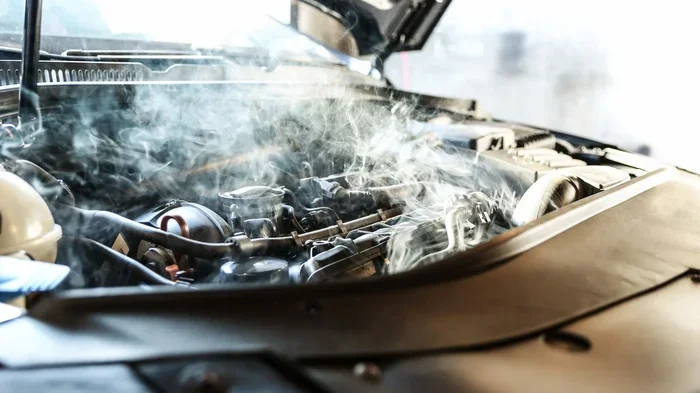
Seeing steam or smoke coming from under your hood is a clear sign of overheating. This usually means coolant has leaked onto hot engine parts and is boiling off. Do not open the hood immediately. The steam can cause burns. Pull over safely, turn off the engine, and wait several minutes before checking anything.
Unusual Smells
Your nose can tell you a lot about what is happening under the hood. A sweet smell often means coolant is leaking and hitting hot surfaces. A burnt or smoky smell might indicate oil overheating. Both smells warrant immediate attention. If you notice either one, find a safe place to pull over.
Warning Lights and Messages
Modern cars are packed with sensors that monitor engine health. A check engine light or a specific overheating warning on your dashboard should never be ignored. Some vehicles display a message like “Engine Hot” or “Check Cooling System.” These alerts are designed to warn you before damage occurs. Taking them seriously can save you from costly repairs.
If you notice warning lights, it is important to understand what they mean and how they relate to other systems in your car. Sometimes a warning light can be connected to multiple issues, so understanding your specific vehicle helps. For example, some warning indicators can overlap with other system alerts, similar to how a check charging system warning might not always mean the battery is the problem.
Can an Engine Survive Overheating?
This is the big question, and the answer depends on several factors. The duration of the overheat, the peak temperature reached, and how quickly you address the problem all play a role. Let us break this down.
Brief Overheating Episodes
Sometimes an engine overheats for just a minute or two. Maybe you are stuck in heavy traffic on a hot day, or the AC is working overtime. In these cases, the engine often recovers once you slow down or turn off the AC. A brief spike in temperature usually causes no lasting damage. The cooling system catches up, and everything returns to normal. This is the best-case scenario and happens more often than you might think.
Prolonged Overheating
When an engine runs hot for an extended period, the damage becomes much more serious. Sustained high temperatures can warp cylinder heads, blow head gaskets, and crack engine blocks. These are expensive repairs. In the worst cases, the engine seizes completely and needs to be replaced. The cost of a new engine can easily exceed several thousand dollars.
Factors That Determine Survival
Several factors influence whether an engine survives an overheat event:
- How long the engine overheated: A few seconds versus several minutes makes a huge difference.
- How high the temperature climbed: 230 degrees is bad. 260 degrees is much worse.
- What caused the overheat: A stuck thermostat is different from a broken water pump.
- How quickly you responded: Pulling over immediately limits damage.
- The age and condition of the engine: Older engines with existing wear are more vulnerable.
Can You Still Drive After an Overheat Event?
After your engine cools down, you might be tempted to just keep driving. This is risky. Even if the engine seems fine, hidden damage may have occurred. A blown head gasket, for example, might not show immediate symptoms but can cause serious problems over time. If your engine has overheated, it is best to have a mechanic inspect it before driving long distances. This is similar to how you should not ignore other warning signs in your vehicle, such as a P0171 code, which might seem minor but can indicate deeper issues if ignored.
Common Causes of Engine Overheating
Understanding what causes overheating helps you prevent it. Several issues can lead to an engine running too hot. Here are the most common culprits.
Low Coolant Levels
This is the number one cause of engine overheating. Coolant levels drop over time through normal evaporation and small leaks. If you do not check and top off your coolant regularly, the system cannot do its job. A simple monthly check under the hood can prevent this problem entirely.
Coolant Leaks
Leaks can happen in many places. The radiator, hoses, water pump, and heater core are all potential leak points. Even a small leak can reduce coolant levels enough to cause overheating. If you notice a puddle of green, orange, or pink fluid under your car, get it checked right away.
Thermostat Failure
The thermostat regulates coolant flow through the engine. When it gets stuck closed, coolant cannot reach the radiator to release heat. This causes rapid overheating. Thermostat failure is a common and relatively inexpensive repair, but ignoring it leads to much bigger problems.
Water Pump Failure
The water pump circulates coolant through the engine and radiator. When it fails, coolant stops moving and heat builds up quickly. Water pump failure can happen from normal wear and tear or from a damaged belt. This is a serious repair that requires professional attention.
Radiator Problems
The radiator releases heat from the coolant into the air. If the radiator is clogged, damaged, or the fan is not working properly, it cannot do its job. On hot days or in heavy traffic, a struggling radiator can quickly lead to overheating.
Driving Conditions
Sometimes the conditions you drive in cause overheating. Towing a heavy load, driving in extreme heat, or crawling through traffic on a hot day all put extra stress on the cooling system. If you know you will be driving in tough conditions, check your coolant and watch your temperature gauge closely.
Hot weather is a particularly common trigger for overheating. If you live in a warm climate or are driving during summer, your cooling system works harder than usual. Understanding how heat affects your vehicle can help you stay ahead of problems. Many drivers have experienced their cars struggling in extreme heat, which is a common concern covered in detail when exploring whether a car can overheat on a hot day.
What to Do When Your Engine Overheats
Knowing what to do in the moment can make all the difference. Follow these steps if your engine starts to overheat.
- Turn off the AC and turn on the heater: This sounds counterintuitive, but the heater helps pull heat away from the engine. It can buy you a few extra minutes to find a safe place to stop.
- Find a safe place to pull over: Do not keep driving. Pull over as soon as it is safe to do so.
- Turn off the engine: Let the engine sit and cool down. Do not open the hood immediately.
- Wait at least 15 minutes: The engine and coolant are extremely hot. Opening the hood too soon can cause burns from steam or hot coolant.
- Check the coolant level: Once the engine has cooled, check the coolant reservoir. If it is low, you can add a mixture of coolant and water.
- Call for help if needed: If the engine keeps overheating or you cannot identify the problem, call a tow truck. Driving a damaged engine can turn a small repair into a major one.
Remember, your safety comes first. Do not attempt to drive a severely overheating engine. The risk of a breakdown or fire is real. If you are traveling and need assistance, knowing your options for roadside help or alternative transportation can be valuable. In some situations, you might even need a rental car while yours is being repaired.
How to Prevent Engine Overheating
Prevention is always better than repair. Here are simple steps to keep your engine running at the right temperature.
Regular Coolant Checks
Check your coolant level at least once a month. Look at the reservoir when the engine is cool. If the level is low, top it off with the correct type of coolant for your vehicle. This simple habit takes less than five minutes and can prevent overheating.
Inspect Hoses and Belts
Over time, coolant hoses can crack, swell, or develop leaks. Inspect them regularly for signs of wear. The serpentine belt drives the water pump and fan. A worn belt can snap and cause sudden overheating. Replace hoses and belts according to your vehicle’s maintenance schedule.
Flush and Replace Coolant
Coolant breaks down over time and loses its effectiveness. Most manufacturers recommend flushing the cooling system every 30,000 to 50,000 miles. Check your owner’s manual for the specific interval for your vehicle. Fresh coolant keeps the cooling system working at peak performance.
Keep the Radiator Clean
Debris like leaves, bugs, and dirt can block airflow through the radiator. This reduces its ability to cool the coolant. Rinse the radiator fins gently with a hose from time to time to keep them clear.
Monitor Your Temperature Gauge
Get in the habit of glancing at your temperature gauge while driving. It should stay steady in the normal range. If you notice it creeping up, take action before it becomes a problem. Early intervention is always easier and cheaper than fixing damage.
Address Problems Promptly
If you notice any warning signs, do not ignore them. A small coolant leak today can become a blown head gasket tomorrow. Addressing issues early saves money and keeps your engine healthy for years to come.
When to See a Mechanic
Some overheating issues are simple to fix. Others require professional expertise. Here are signs you need to see a mechanic:
- The temperature gauge reads hot more than once.
- You see steam or fluid leaking from under the hood.
- The engine makes unusual knocking or ticking sounds.
- Your heater stops working or blows cold air.
- The check engine light comes on along with overheating.
- You notice a sweet smell inside or outside the car.
A mechanic can run diagnostics to find the root cause. They can pressure-test the cooling system, inspect the head gasket, and check for internal damage. Getting a professional opinion after an overheat event is always a smart move. Even if the engine seems fine, hidden damage can surface weeks or months later.
While you are at the shop, it is a good idea to ask them to check other systems too. Sometimes overheating can be connected to other issues in the vehicle. For instance, electrical or charging system problems can sometimes trigger warning lights that confuse drivers. Understanding the broader picture of your vehicle’s health helps you make better decisions about maintenance and repair priorities.
Conclusion
So, can an engine survive overheating and keep running? The honest answer is that it depends. Brief, minor overheating episodes often cause no lasting damage. But sustained high temperatures can destroy an engine in minutes. The key is to recognize the warning signs early and act quickly. Pull over, turn off the engine, and let things cool down before attempting anything.
Prevention is your best defense. Regular coolant checks, hose inspections, and prompt attention to warning signs keep your cooling system working properly. These simple habits save you from expensive repairs and unexpected breakdowns.
Your engine is the heart of your vehicle. Treat it well, and it will keep running for years. Ignore the warning signs, and you could face a costly replacement. Stay vigilant, stay proactive, and your engine will thank you every time you turn the key.
Frequently Asked Questions
Can I drive my car after it has overheated?
It is not recommended. Even if the engine cools down, hidden damage like a blown head gasket may have occurred. Have a mechanic inspect the vehicle before driving long distances again.
How long does it take for an overheated engine to cool down?
It typically takes at least 15 to 30 minutes for an overheated engine to cool to a safe temperature. Do not open the hood immediately, as steam and hot coolant can cause serious burns.
What is the most common cause of engine overheating?
Low coolant levels are the most common cause. Coolant can leak or evaporate over time, reducing the system’s ability to regulate engine temperature. Regular checks can prevent this issue.
Can overheating cause permanent engine damage?
Yes, prolonged overheating can warp cylinder heads, blow head gaskets, crack engine blocks, and cause pistons to seize. These are serious and expensive repairs that can often be avoided with prompt attention.
How much does it cost to repair engine overheating damage?
Costs vary widely. A simple coolant top-off costs very little, while a blown head gasket repair can run several hundred to a few thousand dollars. A seized engine requiring replacement can cost several thousand dollars or more.
Can hot weather alone cause a car to overheat?
Hot weather puts extra stress on the cooling system, but it rarely causes overheating on its own. Usually, hot weather combined with other factors like low coolant, a failing fan, or heavy traffic triggers the problem.