Do You Need an Oil Filter Wrench to Change Your Oil Filter
Not every oil filter change requires a wrench, but having the right one saves time and prevents frustration. Whether you are a seasoned DIYer or a first-time changer, understanding your options makes the job faster and safer. This guide explains when you need an oil filter wrench, which type works best for your vehicle, and how to avoid common pitfalls during oil filter removal and oil filter replacement.
You are under the car, oil is dripping, and you need to get that old filter off. But it is stuck. Really stuck. You wonder, do you actually need an oil filter wrench to get this job done? The short answer is: it depends. Some filters come off with bare hands. Others need a proper tool to break them free. Understanding which situation you are in can save you time, frustration, and maybe even a trip to the mechanic.
Changing your oil filter is one of the most common car maintenance tasks. It keeps your engine running smoothly and extends the life of your vehicle. But the process is not always as simple as unscrewing a cap. Different vehicles use different filter types, and some filters sit in tight spaces that make oil filter removal a real challenge. Having the right oil filter tool in your garage can make all the difference between a quick DIY oil change and a frustrating struggle.
In this guide, we will walk through everything you need to know about oil filter wrenches. We will cover when you need one, which type to use, and how to avoid the mistakes that turn a simple oil change into a headache. Whether you are a beginner or a seasoned gearhead, this article has practical advice you can use right away.
Key Takeaways
- You may not always need a wrench: Many oil filters can be removed by hand if they are not overly tight.
- Strap wrenches are the most versatile: They work on almost any oil filter size and shape without damaging the filter.
- Overtightening is the number one mistake: This makes removal harder and can damage the oil filter housing.
- Socket-style wrenches offer more grip: They are ideal for tight spaces and stubborn filters that won’t budge.
- Always check your owner’s manual: It tells you the correct filter type and torque specs for your specific vehicle.
- Replace the gasket every time: A new gasket prevents leaks and ensures a proper seal during oil filter replacement.
📑 Table of Contents
What Is an Oil Filter Wrench and Why Does It Matter
An oil filter wrench is a specialized tool designed to grip and turn oil filters. Oil filters come in many shapes and sizes. Some are spin-on style, meaning they screw on and off like a nut. Others are cartridge style, which sit inside a housing and require a different approach. No matter the type, an oil filter wrench gives you the leverage and grip needed to remove a filter that has been tightened by hand or with a torque wrench during installation.
How Oil Filters Get Stuck
Oil filters can become stuck for several reasons. Heat from the engine causes metal and rubber to expand. Over time, this creates a tight seal that is hard to break. Oil residue can also build up around the filter, making it slippery and hard to grip. In some vehicles, the oil filter housing is tucked into a tight space under the hood, leaving little room for your hands to work. When you combine tight spaces with a stuck filter, you have a real problem that often requires a proper oil filter wrench.
Why the Right Tool Makes a Difference
Using the wrong tool can damage the filter, scratch the housing, or even cause injury. A dedicated oil filter wrench grips the filter evenly without applying uneven pressure. This means less risk of breaking the filter cap or damaging the oil filter housing. It also means faster removal, which matters when you are working with hot engine oil. The right oil filter tool protects both you and your vehicle.
Do You Always Need an Oil Filter Wrench
The honest answer is no. Not every oil filter replacement requires a wrench. Many spin-on filters can be removed by hand, especially when they are not overly tight. If you have good hand strength and the filter is accessible, you may be able to do it without any special tools at all. That said, there are clear situations where a wrench becomes essential.
When You Can Remove a Filter by Hand
If your filter is loose and easily accessible, hand removal is perfectly fine. This is common with newer vehicles where the filter sits in an open, easy-to-reach spot. Some people even hand-tighten their filters during a DIY oil change to avoid overtightening. If you can grip the filter firmly and turn it counterclockwise without slipping, you probably do not need a wrench.
When a Wrench Becomes Essential
There are several situations where hand removal simply will not work. If the filter is very tight, if it is located in a cramped space, or if it is a cartridge-style filter that sits inside a housing, you will need a proper oil filter wrench. Older vehicles with high-mileage engines often have filters that are seized in place. In these cases, a strap wrench or socket wrench is the only practical option. If you have ever tried to grip a slick, oily filter with greasy hands, you know exactly why these tools exist.
Also, keep in mind that some car maintenance tasks require working under the vehicle where leverage is limited. A wrench gives you the mechanical advantage you need in these situations. If you are unsure whether you need one, it is always better to have a wrench on hand than to struggle and risk damaging components.
Types of Oil Filter Wrenches Compared
Not all oil filter wrenches are the same. Different styles work better for different filter types and situations. Understanding the options helps you choose the right one for your needs. Below is a quick comparison of the most common types.
| Type | Best For | Price Range | Ease of Use |
|---|---|---|---|
| Strap Wrench | All filter sizes and shapes | $5 to $15 | Very Easy |
| Socket-Style Wrench | Tight spaces and stubborn filters | $8 to $25 | Medium |
| Pliers-Style Wrench | Quick changes and light use | $3 to $10 | Very Easy |
| Cap-Style Wrench | Spin-on filters with exposed caps | $10 to $30 | Medium |
Strap-Style Oil Filter Wrenches
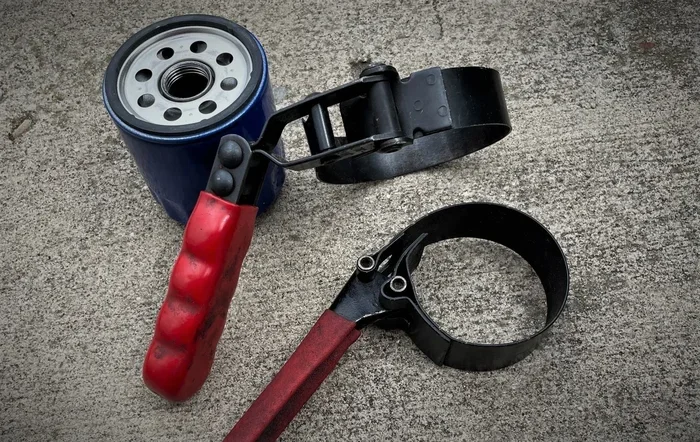
A strap wrench is the most versatile option for oil filter removal. It uses a flexible strap that wraps around the filter and grips it as you turn. The great thing about strap wrenches is that they work on almost any oil filter size. They do not scratch the filter housing, and they adjust to fit different diameters. If you only want to buy one oil filter wrench, a strap-style is the best choice for most drivers.
Socket-Style Oil Filter Wrenches
A socket wrench designed for oil filters uses a rigid shell that fits over the filter like a cap. These are great for filters with a removable cap or for situations where a strap might slip. Socket-style wrenches come in different sizes to match common oil filter sizes. They offer excellent grip and are ideal for tight spaces where you need precise control. Many mechanics prefer socket-style tools for their durability and reliability.
Pliers-Style and Cap-Style Tools
Oil filter pliers are a simple, affordable option that works well for quick changes. They grip the filter with adjustable jaws and turn it off with a ratcheting motion. Cap-style wrenches are designed for filters with an exposed top cap that you can hook onto. Both types have their place in a home garage. Pliers-style tools are great for light-duty use, while cap-style wrenches offer more leverage for tight filters.
How to Change Your Oil Filter Step by Step
Changing your oil filter is a straightforward DIY oil change task once you know the steps. Whether you use a wrench or not, following the proper process ensures a clean, leak-free result. Here is a simple walkthrough.
Preparing for the Oil Change
Before you start, gather your supplies. You will need a new oil filter, fresh engine oil, a drain pan, a funnel, and gloves. Check your owner’s manual for the correct oil filter size and the type of oil your vehicle needs. If you are also wondering about oil viscosity, you can look into whether you can use 5W 20 instead of 0W 20 for your specific engine. Make sure your vehicle is on a level surface and the engine is warm but not hot. Warm oil flows better and helps carry debris out of the engine during the oil filter replacement.
Removing the Old Filter
Place your drain pan under the filter. If the filter is accessible, try removing it by hand first. Turn it counterclockwise. If it does not budge, wrap a strap wrench around the filter and grip firmly. Turn slowly and steadily. Do not yank or use excessive force. If you are working under the vehicle, make sure you have enough room to maneuver. Some vehicles have the filter located in awkward spots that require you to angle the oil filter wrench carefully. Take your time and let the tool do the work.
Installing the New Filter
Before you install the new filter, lightly coat the rubber gasket with a little fresh engine oil. This helps create a proper seal and makes future oil filter removal easier. Screw the new filter on by hand until the gasket touches the housing. Then tighten it about three-quarters of a turn. Do not overtighten. Over-tightening is the most common mistake people make during oil filter replacement, and it leads to stuck filters and damaged housings. Once the filter is on, check for leaks after you start the engine and let it run for a few minutes.
Quick Tips for a Clean Oil Change
- Always have a new oil filter gasket ready if your filter does not include one.
- Keep a rag handy to wipe away any spilled oil around the filter housing.
- Use a torque wrench if your owner’s manual specifies a torque value for the filter.
- Change your oil filter every time you change your oil for best results.
- Dispose of the old filter properly at a recycling center or auto parts store.
Common Mistakes During Oil Filter Changes
Even experienced car owners make mistakes during oil filter replacement. Knowing what to avoid saves you time and money. Here are the most common errors and how to prevent them.
Overtightening the Filter
This is the number one mistake people make. When you tighten the oil filter too much, the gasket can get pushed into the housing or the filter can become seized. The next time you need oil filter removal, you will be dealing with a much bigger problem. Hand-tighten the filter and then give it only a small extra turn. If you are unsure, a torque wrench set to the manufacturer’s specification takes all the guesswork out of the process.
Forgetting to Replace the Gasket
If your new filter does not come with a gasket or if the old gasket stays stuck to the housing, you will likely get an oil leak. Always inspect the housing before installing the new filter. Make sure the old gasket is completely removed and that the new filter’s gasket is properly seated. This small step prevents big headaches down the road.
Using the Wrong Size Tool
Not every oil filter wrench fits every filter. Using the wrong size can slip and damage the filter or the housing. Make sure you know your vehicle’s oil filter size before you buy a wrench. If you are shopping for tools, you can also visit a store and ask if Autozone offers a full diagnostic test or can help you find the right part. Having the correct tool makes oil filter removal quick and easy.
Expert Insight
Many mechanics recommend keeping a strap-style oil filter wrench in your garage at all times. It is affordable, fits nearly every filter, and requires no special skills to use. If you do regular car maintenance at home, this is one of the most useful tools you can own. It also helps if you ever need to assist someone else with their oil change on the roadside.
When to Seek Professional Help for Oil Filter Changes
Most oil filter replacements are simple enough for a home garage. But there are times when professional help is the smart choice. If the filter is deeply seized and refuses to budge, forcing it can damage the oil filter housing or other engine components. If you notice metal shavings or debris when removing the old filter, it could be a sign of a bigger engine issue that needs professional diagnosis. Similarly, if you see a check charging system warning on your dashboard after an oil change, do not ignore it. Get the vehicle inspected before driving further.
Sometimes the oil filter size or location makes the job too difficult for a beginner. Some modern vehicles have filters that are buried deep under engine covers or in tight spaces that require special tools. If you feel unsure about any part of the process, taking your car to a trusted mechanic is always a wise decision. There is no shame in asking for help, especially when it comes to protecting your engine.
Regular oil filter replacement is one of the simplest and most important things you can do for your vehicle. Whether you use a wrench or not, the key is to do the job correctly and on schedule. A clean oil filter keeps your engine oil flowing properly, reduces wear on engine parts, and helps your vehicle run smoothly for years to come. Keep the right tools handy, follow the steps carefully, and you will handle every oil change with confidence.
Frequently Asked Questions
Can I change my oil filter without any tools at all?
Yes, you can change many oil filters by hand if they are loose and accessible. This works best with newer vehicles where the filter sits in an open spot. However, if the filter is tight or stuck, a proper oil filter wrench will make the job much easier and safer.
How often should I replace my oil filter?
Most manufacturers recommend replacing the oil filter every time you change your engine oil, which is typically every 3,000 to 7,500 miles depending on your vehicle and driving conditions. Check your owner’s manual for the specific oil filter replacement interval recommended for your car.
What happens if I overtighten my oil filter?
Overtightening can damage the gasket, strip the filter threads, or cause the filter to seize onto the housing. This makes future oil filter removal very difficult and can lead to oil leaks or even engine damage if the filter cracks under pressure.
Do I need a special wrench for cartridge-style oil filters?
Yes, cartridge-style filters sit inside a housing and usually require a specific oil filter tool or cap-style wrench to remove the housing cap. A standard strap wrench will not work on these filters. Check your owner’s manual for the right tool type.
Is a strap wrench better than a socket wrench for oil filters?
A strap wrench is more versatile and works on almost any filter size without scratching surfaces. A socket wrench offers more grip and is better for tight spaces or stubborn filters. Many homeowners keep both in their toolbox for different situations.
Can I reuse the old gasket when installing a new oil filter?
No, you should always use a new gasket or make sure the old one is completely removed from the housing. Reusing an old gasket can cause improper sealing and lead to oil leaks. This is a simple step that prevents costly repairs down the road.