Do You Have to Reset the Light After an Oil Change
Yes, you should reset the oil change light after every oil change. The reset button helps your car’s oil life monitoring system track the next service accurately. Forgetting to reset can lead to confusion about when your next oil change is due. Most vehicles make this process quick and easy.
Changing your oil is one of the most important maintenance tasks you can do for your car. But here is a question many drivers overlook: do you have to reset the light after an oil change? The short answer is yes. But the full answer is a bit more interesting than that.
Your car has a smart system that tracks when your oil needs replacing. This system is called the oil life monitoring system. After you get a fresh oil change, that light or message stays on until you manually reset it. If you skip the reset, your car will not know the oil was changed. This can mess up your maintenance schedule and confuse you about when the next oil change is due.
In this guide, we will walk you through everything you need to know about resetting your oil change light. We will cover why it matters, how to do it for popular vehicle brands, what happens if you ignore it, and common mistakes to avoid. Whether you are a seasoned car owner or a complete beginner, this article has you covered.
Key Takeaways
- Resetting the oil light is essential: It keeps your maintenance schedule accurate and protects your engine.
- Every vehicle is different: The reset process varies by make, model, and year.
- You can do it yourself: Most resets take under five minutes and require no tools.
- Ignoring the light is risky: Driving with an overdue oil change can damage your engine.
- AutoZone and similar shops can help: Many auto parts stores offer free diagnostic assistance.
- Oil life percentage matters: Pay attention to the percentage, not just the warning light.
📑 Table of Contents
- Why Does the Oil Change Light Come On?
- Do You Have to Reset the Light After an Oil Change?
- How to Reset the Oil Change Light by Vehicle Brand
- What Dashboard Warning Lights Should You Pay Attention To?
- Common Mistakes People Make After an Oil Change
- Quick Tips for Remembering to Reset Your Oil Light
- Can You Drive With the Oil Change Light On?
- How Often Should You Change Your Oil?
- Expert Insights on Oil Change Light Maintenance
- Conclusion
Why Does the Oil Change Light Come On?
Your dashboard is packed with warning lights and indicators. Each one serves a specific purpose. The oil change light is part of your vehicle’s oil life monitoring system. This system tracks driving habits, mileage, and engine conditions to estimate when your oil is breaking down.
Here are the most common reasons the oil change light activates:
- Oil life percentage hits zero: Most modern cars display an oil life percentage. When it reaches 0%, the light comes on.
- Mileage threshold reached: Some older vehicles use a mileage-based system. The light triggers after a set number of miles.
- Time-based reminder: Certain systems reset based on time intervals, not just mileage.
- Oil pressure drop: In some cases, a low oil pressure sensor triggers a warning. This is different from the oil change light but equally important.
- Oil quality degradation: The system monitors contaminants and viscosity changes in the oil.
Understanding why the light comes on helps you appreciate why resetting it matters. The system needs a clean slate after each oil change. Otherwise, it keeps counting down from where it left off, and your maintenance schedule becomes unreliable.
Do You Have to Reset the Light After an Oil Change?
The short answer is yes. You should always reset the oil change light after getting a fresh oil change. Here is why this small step makes a big difference.
When you reset the light, you tell your car’s computer that the oil has been replaced. The oil life monitoring system then starts a fresh countdown. This ensures your next oil change reminder is accurate. Without the reset, your car thinks the oil is still old and will keep nagging you with the warning.
Think of it like setting a kitchen timer. If you forget to reset the timer after checking your food, it will go off at the wrong time. The same logic applies to your vehicle.
Some drivers wonder if they can just ignore the light and wait for it to turn off on its own. Here is the truth: most oil change lights do not turn off automatically after an oil change. You have to press the reset button or follow a specific menu sequence. The process is different for every vehicle, which we will cover shortly.
What Happens If You Never Reset It?
If you never reset the oil change light, a few things can happen. First, the light stays on constantly. This can be annoying and distracting while driving. Second, you lose track of your actual oil change interval. Third, some vehicles store fault codes that may trigger additional dashboard warnings.
Driving with a persistent warning light on can also mask other serious issues. If your dashboard is always lit up with warnings, you might ignore a real problem when it appears. This is why keeping your indicators accurate is so important.
How to Reset the Oil Change Light by Vehicle Brand
Every car manufacturer has its own reset process. While the basic idea is the same, the steps vary. Below we cover the most common methods for popular brands.
How to Reset the Oil Light on a Toyota
Toyota vehicles use a straightforward reset process. Follow these steps:
- Turn the ignition to the “On” position without starting the engine.
- Press the odometer trip button until you see the odometer display.
- Turn the ignition to the “Off” position, then back to “On.”
- Press and hold the trip button for about 10 seconds.
- The oil life indicator should start blinking.
- Press and hold the trip button again for another 5 seconds.
- The light should reset and the oil life percentage should return to 100%.
How to Reset the Oil Light on a Honda
Honda vehicles have a slightly different process:
- Turn the ignition to the “On” position.
- Press the “Select/Reset” button on the instrument cluster.
- Scroll through the menu until you see the maintenance reminder.
- Press and hold the “Select/Reset” button for about 10 seconds.
- The reminder should reset to 100%.
- Turn the ignition off and then back on to confirm.
How to Reset the Oil Light on a Ford
Ford trucks and cars use the information display screen:
- Use the steering wheel controls to navigate to the main menu.
- Select “Vehicle Info” or “Settings.”
- Find the “Maintenance” or “Oil Life” option.
- Select “Reset” and confirm your choice.
- The oil life percentage should return to 100%.
How to Reset the Oil Light on a Chevrolet
Chevrolet vehicles also use a menu-based system:
- Press the “Menu” button on the steering wheel.
- Navigate to “Vehicle Information.”
- Select “Maintenance Reset.”
- Choose “Oil Life System” and press “Reset.”
- Hold the button until the display shows the reset is complete.
How to Reset the Oil Light on a Jeep
Jeep vehicles have their own unique process:
- Turn the key to the “On” position without starting the engine.
- Press the gas pedal three times within 10 seconds.
- The system should enter the programming mode.
- Follow the on-screen prompts to reset the oil change reminder.
- Turn the key off and then back on to verify the reset.
What Dashboard Warning Lights Should You Pay Attention To?
Your dashboard has many warning lights, and not all of them are related to oil changes. Understanding the difference helps you respond appropriately to each signal.
The check engine light is one of the most common warnings drivers see. Unlike the oil change light, the check engine light signals a broader range of issues. It could indicate a loose gas cap, a sensor malfunction, or a serious engine problem. If your check engine light comes on, it is wise to get a diagnostic test done. Many auto parts stores, including AutoZone, offer free diagnostic testing. You can check whether AutoZone does a full diagnostic test on their website for more details.
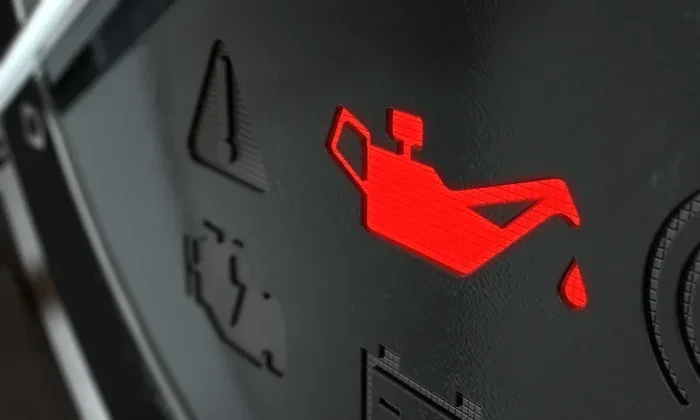
Another important light is the oil pressure warning. This is different from the oil change reminder. The oil pressure light usually looks like an oil can with a drop. If this light comes on, pull over safely and check your oil level immediately. Driving with low oil pressure can cause severe engine damage.
Some drivers also worry about other dashboard indicators. For example, if you notice a steering-related warning, you might wonder whether you can drive a car without steering assist. While this is a different issue, it highlights the importance of understanding each dashboard light and what it means for your safety.
Warning lights on your dashboard are your car’s way of communicating with you. Paying attention to them and responding quickly can prevent costly repairs and keep you safe on the road.
Common Mistakes People Make After an Oil Change
Even experienced car owners make mistakes after an oil change. Here are the most common errors to avoid.
Forgetting to Reset the Light
This is the number one mistake. Many drivers assume the light will turn off by itself. It will not. You must manually reset the system. Set a reminder on your phone or add it to your checklist after every oil change.
Using the Wrong Oil Type
Not all engine oil is the same. Your vehicle requires a specific viscosity grade, such as 5W-20 or 0W-20. Using the wrong oil can trigger warning lights and reduce engine performance. Check your owner’s manual for the correct oil specification.
Skipping the Oil Filter
Some drivers replace only the oil and forget the filter. The oil filter traps contaminants and debris. A clogged filter reduces oil flow and can cause engine wear. Always replace the oil filter during every oil change.
Ignoring the Oil Life Percentage
Many modern vehicles display an oil life percentage instead of a simple light. Pay attention to this number. When it drops below 15%, it is time to schedule an oil change. Waiting until it hits zero can put unnecessary stress on your engine.
Not Keeping a Maintenance Log
It is easy to lose track of oil changes, especially if you switch between different mechanics. Keep a simple log or use a maintenance app. Record the date, mileage, oil type, and next due date. This habit saves money and keeps your vehicle running smoothly.
Quick Tips for Remembering to Reset Your Oil Light
Resetting the oil light is a small task that is easy to forget. Here are some practical tips to make it a habit:
- Add it to your oil change checklist: Before you leave the shop, confirm the light has been reset.
- Set a phone reminder: Schedule a reminder for the day after your oil change.
- Keep your owner’s manual handy: Store it in your glove box for quick reference on the reset process.
- Ask your mechanic: Many oil change services include the reset. Confirm this before you leave.
- Use a maintenance app: Apps like MyCarfax or AUTOsist track your oil changes and send reminders.
- Write it on your receipt: Jot down “reset oil light” on your oil change invoice.
These small habits save time and prevent confusion. A five-second reset can keep your maintenance schedule accurate for thousands of miles.
Can You Drive With the Oil Change Light On?
Technically, yes. The oil change light is a reminder, not an emergency warning. Your engine will not shut down if the light is on. However, that does not mean you should ignore it.
Driving with the oil change light on means you are running on old oil. Over time, old oil loses its lubricating properties. It becomes thicker and less effective at reducing friction. This leads to increased engine wear, reduced fuel efficiency, and potential overheating.
If you are far from a service center, you can drive a short distance with the light on. But get it changed as soon as possible. Think of the oil change light as a gentle nudge, not a dire emergency. Still, you should not let it linger for weeks or months.
It is also worth noting that some warning lights are more urgent than others. For example, if you are ever unsure about what a dashboard light means, it is better to be safe than sorry. Understanding your vehicle’s signals helps you make informed decisions about maintenance and safety.
How Often Should You Change Your Oil?
The traditional rule was every 3,000 miles or three months, whichever came first. Modern vehicles and synthetic oils have changed this recommendation significantly.
Most new cars today can go between 5,000 and 7,500 miles between oil changes. Some vehicles with synthetic oil can even stretch to 10,000 miles. The key is to follow your manufacturer’s recommendation, which you can find in the owner’s manual.
Your driving habits also matter. If you frequently drive in stop-and-go traffic, tow heavy loads, or drive in extreme temperatures, you may need more frequent oil changes. These conditions are considered “severe” and can shorten the life of your oil.
The oil life monitoring system in your vehicle accounts for these factors. That is another reason why keeping the system properly reset is so important. An inaccurate reset leads to inaccurate recommendations.
Expert Insights on Oil Change Light Maintenance
We spoke with automotive technicians about the most common questions they hear about oil change lights. Here is what the experts had to say.
“The biggest mistake we see is drivers ignoring the reset entirely,” says a certified mechanic with over 15 years of experience. “They get the oil changed, drive off, and never think about the light again. Within a few hundred miles, the light comes back on and they wonder what went wrong.”
Another technician emphasizes the importance of the owner’s manual. “Every car is different,” he explains. “The reset process for a 2015 Honda Civic is not the same as a 2020 Ford F-150. Your manual has the exact steps for your specific vehicle.”
Experts also recommend using quality synthetic oil whenever possible. Synthetic oil lasts longer, performs better in extreme temperatures, and keeps your engine cleaner. While it costs a bit more upfront, the extended drain intervals can save money over time.
One final expert tip: do not rely solely on the oil change light. Check your oil level manually at least once a month. Use the dipstick to verify the oil is at the proper level. The light tells you when to change the oil, but the dipstick tells you if you have enough oil right now.
Conclusion
So, do you have to reset the light after an oil change? The answer is a clear yes. It is a quick, simple step that keeps your maintenance schedule accurate and your engine protected. Whether you drive a Toyota, Honda, Ford, Chevrolet, or Jeep, the reset process takes just a few minutes.
Resetting the oil change light is part of responsible car ownership. It shows that you care about your vehicle’s longevity and performance. Small habits like this add up over time, saving you money on repairs and keeping your car running smoothly for years to come.
Make it a routine. After every oil change, take those extra moments to reset the light. Your future self and your engine will thank you. Stay on top of your maintenance schedule, pay attention to your dashboard, and your car will reward you with reliable performance mile after mile.
Frequently Asked Questions
How long can you drive with the oil change light on?
You can drive a short distance with the oil change light on, but you should not make a habit of it. The light means your oil is due for a change. Driving on old oil for too long can cause increased engine wear and reduced performance. Get your oil changed as soon as possible to keep your engine healthy.
Does the oil change light mean your oil is low?
No, the oil change light is not the same as an oil pressure or low oil level warning. The oil change light is a maintenance reminder based on your driving patterns and mileage. If you have a low oil level, you will see a different warning light, usually an oil can symbol with a drop. Always check both your oil level and oil condition regularly.
Can AutoZone help you reset the oil change light?
AutoZone is known for offering free diagnostic testing, but their services focus on reading fault codes rather than performing oil change resets. You can check what AutoZone offers by reading more about their diagnostic services online. For the actual reset, you will need to follow your vehicle’s specific process or visit a quick-lube shop that includes the reset as part of their service.
What is the difference between the oil change light and the check engine light?
The oil change light is a maintenance reminder that tells you when your oil needs replacing based on a set interval. The check engine light signals a potential problem with your vehicle’s emissions system, sensors, or engine components. The check engine light usually requires a diagnostic scan to identify the specific issue, while the oil change light simply needs a manual reset after an oil change.
Will the oil change light reset itself after you get new oil?
In most vehicles, no. The oil change light will stay on until you manually reset it. Some newer models may have automatic reset features, but the majority of cars on the road today require you to press a button or navigate through a menu to clear the reminder. Always confirm the reset is complete before you leave the service center.
Is it bad to reset the oil change light without changing the oil?
Yes, it is a bad idea. Resetting the light without actually changing the oil clears the maintenance reminder but does not refresh your engine oil. Your car will not alert you when the oil is actually due for a change. This can lead to running old, degraded oil for too long, which causes increased engine wear, reduced fuel efficiency, and potential long-term damage.