Can I Run My AC Without a Cabin Air Filter and Stay Safe
Yes, you can technically run your AC without a cabin air filter, but it is not safe for your health or your vehicle. Operating your air conditioning system without this filter lets dust, pollen, and debris enter the cabin, which can cause respiratory issues and damage the HVAC system over time. This guide explains the risks, symptoms, and what you should do instead.
Have you ever wondered whether you can just skip the cabin air filter and keep your AC system running? Maybe your filter is dirty, or maybe you lost it. Or perhaps you just forgot to replace it. Whatever the reason, the question is simple: can you run your car’s air conditioning without a cabin air filter and still stay safe?
The short answer is yes, you can. The longer answer is that you really should not. A cabin air filter plays a big role in keeping the air inside your car clean. Without it, your air conditioning system still works, but the air you breathe could be full of dust, pollen, and other harmful particles. Over time, this can hurt both your health and your vehicle.
In this article, we will walk through everything you need to know. We will cover what the cabin air filter does, what happens when you skip it, the warning signs to watch for, and what you should do instead. Let us get into it.
Key Takeaways
- The cabin air filter blocks dust, pollen, and debris from entering your car’s interior.
- Running AC without it reduces air quality and can trigger allergies or asthma.
- A missing filter can damage your blower motor and HVAC components over time.
- You may notice weak airflow, strange odors, or increased dust inside the car.
- Replacing a cabin air filter is cheap and easy, costing between $15 and $50.
- Most cars need a new cabin filter every 12,000 to 15,000 miles.
📑 Table of Contents
- What Does a Cabin Air Filter Do?
- Can You Actually Run Your AC Without a Cabin Air Filter?
- How to Know If Your Cabin Air Filter Needs Replacement
- What Happens If You Ignore the Cabin Air Filter?
- Quick Tips for Cabin Air Filter Maintenance
- Can You Start Your Car Without a Cabin Air Filter Installed?
- How Much Does It Cost to Replace a Cabin Air Filter?
- Final Thoughts
What Does a Cabin Air Filter Do?
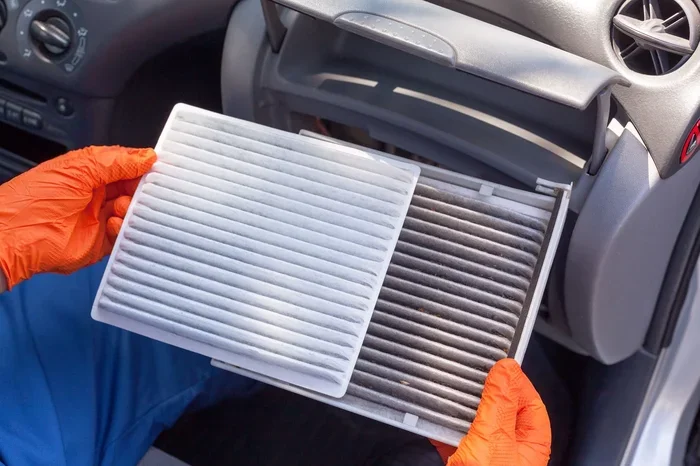
Before we talk about running AC without one, let us understand what the cabin air filter actually does. This small but important part sits behind your glove box or under the hood, depending on your vehicle. Its job is to clean the air that flows into the car’s interior through the ventilation system.
Think of it like the air filter in your home. Just like your HVAC system at home traps dust and pet dander, your car’s cabin filter does the same thing. It catches pollen, dust, soot, and even tiny bugs before they reach your lungs.
Here is what a cabin air filter typically blocks:
- Pollen and allergens from trees, grass, and flowers
- Dust and dirt particles from the road
- Smoke and soot from exhaust fumes
- Leaves, bugs, and debris that get pulled into the system
- Mold spores and bacteria that thrive in moist environments
Most vehicles made after 2000 come with a cabin air filter as standard. If your car has one, it is usually located either behind the glove compartment or under the dashboard near the firewall. Some models even have two filters for extra protection.
Can You Actually Run Your AC Without a Cabin Air Filter?
Yes, you can. The AC system does not need the cabin filter to turn on and blow cold air. The compressor, condenser, and evaporator all work independently of the filter. So if you remove the filter or forget to install one, your air conditioning will still cool the cabin.
But here is the problem. Without the filter, unfiltered air rushes into the car every time you turn on the blower. That means every breath you take inside the car could contain harmful particles. And over time, those particles can cause real damage to your vehicle’s ventilation system.
Some people remove the cabin filter on purpose. They think it will give them better air flow or make the AC blow colder. This is a myth. A clean cabin filter does not reduce cooling performance. In fact, a clogged filter can actually restrict airflow, which is why regular replacement matters.
Short-Term Effects of Running AC Without a Filter
In the short term, you might not notice much difference. The AC will still blow cold air. But if you pay attention, you might spot a few warning signs:
- Increased dust on the dashboard and inside the car
- Weak airflow from the vents
- Unpleasant smells coming from the vents
- More pollen inside the car during allergy season
- Visible debris around the vent openings
If you notice any of these, it is a sign that your air circulation system is not working the way it should. The good news is that fixing this is simple and inexpensive.
Long-Term Risks of Skipping the Cabin Air Filter
Running your AC system without a cabin filter for a long time can lead to serious problems. Here are the biggest risks:
Damage to the Blower Motor. The blower motor pushes air through the vents. Without a filter, dust and debris can build up on the motor blades. This makes the motor work harder, which shortens its lifespan. Replacing a blower motor can cost several hundred dollars, while a cabin filter costs less than $50.
Clogged Evaporator Core. The evaporator is the part that makes the air cold. When dust and grime build up on it, the AC loses efficiency. In some cases, the evaporator can get so clogged that the system fails completely.
Health Problems. This is the most important risk. Without a filter, allergens, mold spores, and fine dust enter your breathing space every time you drive. For people with asthma or allergies, this can trigger serious symptoms. Even healthy people can experience coughing, sneezing, and irritated eyes after prolonged exposure.
Mold Growth. Moisture naturally builds up in the AC system. Without a filter to trap particles, mold can grow on the evaporator and inside the ductwork. This creates a musty smell and can release spores into the cabin. If you have ever wondered why your car smells bad when you first turn on the AC, a missing cabin filter could be the reason.
It is worth noting that a car overheating on a hot day can make the AC system work even harder, which means any problems caused by a missing filter will get worse in summer heat. You can read more about this in our article on Can A Car Overheat On A Hot Day.
How to Know If Your Cabin Air Filter Needs Replacement
Not sure if your cabin filter is doing its job? There are several clear signs that it is time for a replacement. Catching these early can save you from bigger problems down the road.
Common Warning Signs
- Reduced airflow from the vents. If the air feels weaker than usual, a clogged filter might be blocking the flow.
- Unusual odors. A musty or dirty smell when the AC is on often means the filter is dirty or moldy.
- Increased dust inside the car. If you are constantly wiping dust off the dashboard, the filter may be saturated.
- Worsening allergies while driving. If you or your passengers sneeze more inside the car, unfiltered air could be the cause.
- Check engine or AC warning lights. In rare cases, a severely clogged filter can trigger warning lights on the dash.
If you notice any of these signs, it is time to inspect your cabin air filter. Most filters are easy to check. Open the glove box, look for the filter housing behind it, and pull out the old filter. If it looks dark and dirty, replace it right away.
When to Replace Your Cabin Air Filter
As a general rule, you should replace your cabin air filter every 12,000 to 15,000 miles. However, this can vary based on driving conditions. If you drive on dirt roads, in heavy traffic, or in areas with lots of pollen, you may need to replace it more often. Some experts recommend checking the filter every 6 months, especially before allergy season.
Replacing the filter is one of the easiest and cheapest car maintenance tasks you can do. Most cabin filters cost between $15 and $50, and you can usually swap it out in under 15 minutes. No mechanic is required. Just check your owner’s manual for the exact location and filter size for your specific model.
What Happens If You Ignore the Cabin Air Filter?
Ignoring the cabin air filter might seem harmless at first. After all, your car will still run, and the AC will still blow cold air. But ignoring this small part can lead to a chain of problems that get worse over time.
First, your air quality inside the car will decline. You will be breathing in all the pollutants and allergens that the filter is supposed to block. This is especially dangerous for children, elderly passengers, and anyone with respiratory conditions.
Second, your AC system will lose efficiency. A dirty or missing filter forces the blower motor to work harder. This means the system uses more energy, which can slightly reduce fuel economy. Over time, the extra strain can lead to costly repairs.
Third, the overall driving experience suffers. A car with clean air feels fresher and more comfortable. A car without a working filter feels stuffy and dusty. Something as simple as a $20 filter can make a big difference in how enjoyable your daily commute feels.
Also, if you are dealing with other car issues, such as a check charging system warning, adding a missing cabin filter to the mix can make the situation feel overwhelming. It is always best to tackle small maintenance tasks early before they pile up. You can learn more about driving with warning lights in our guide on Can You Drive With A Check Charging System Warning.
Quick Tips for Cabin Air Filter Maintenance
Keeping your cabin air filter in great shape is easy. Here are some practical tips to help you stay on track:
- Mark your calendar. Set a reminder every 12,000 miles or once a year to check your filter. A quick phone alert can save you from forgetting.
- Buy spare filters. Keep an extra cabin filter in your trunk or garage. This way, you always have one on hand when you need it.
- Check after pollen season. If you live in an area with lots of trees, check your filter after spring. Pollen can clog a filter fast.
- Do not wash and reuse. Unlike engine air filters, most cabin filters are not washable. Always replace them with a new one.
- Inspect during oil changes. Ask your mechanic to check the cabin filter every time you get an oil change. It takes just a few extra minutes.
- Use the right filter. Not all cabin filters are the same. Check your owner’s manual or ask a parts store for the correct part number for your vehicle.
Taking care of your cabin air filter is one of the simplest ways to protect your health and your vehicle. It takes almost no time and costs very little, but the benefits are huge.
Can You Start Your Car Without a Cabin Air Filter Installed?
Yes, you can start your car and drive it without a cabin air filter installed. The engine does not depend on the cabin filter to run. The cabin filter only affects the air quality inside the passenger area. So you will not damage the engine or prevent the car from starting by missing this filter.
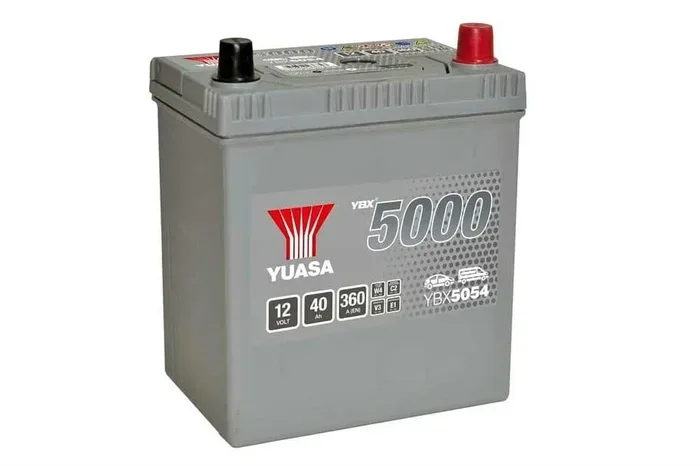
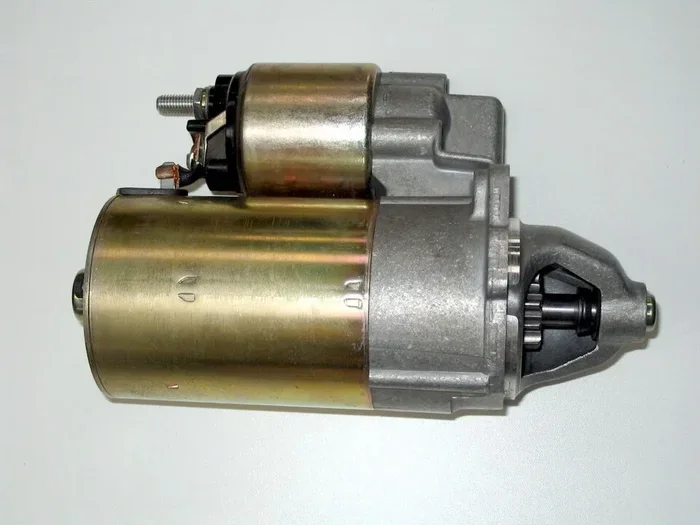
However, if you are having trouble starting your car for other reasons, the cabin filter is not the culprit. Issues like a dead battery, a faulty starter, or a worn-out key fob are much more common causes. You can learn more about starting issues in our article on Can I Start My Car With The Key Without The Fob.
The bottom line is this: the cabin air filter is not essential for the car to operate, but it is essential for clean air and long-term vehicle health. Skipping it might not cause an immediate breakdown, but it will slowly wear down your AC system and affect the air you breathe every day.
How Much Does It Cost to Replace a Cabin Air Filter?
One of the best things about the cabin air filter is how affordable it is to replace. A new filter typically costs between $15 and $50. If you take it to a mechanic, you might pay an additional $20 to $30 for labor, but many people choose to do it themselves.
Compare that to the cost of fixing a damaged blower motor or a clogged evaporator core, and the value of regular filter replacement becomes obvious. A simple $20 part can prevent hundreds of dollars in repairs. It is one of the best returns on investment you will find in vehicle maintenance.
If you are worried about other car costs, you might also wonder about things like car payment options or financing. You can read more about using a credit card for payments in our article on Can I Pay My Car Payment With A Credit Card. Staying on top of small maintenance tasks like filter replacement can help you avoid bigger expenses that might strain your budget.
Final Thoughts
So, can you run your AC without a cabin air filter? Technically yes, but you really should not. The cabin air filter is a small, inexpensive part that protects your health and keeps your AC system running smoothly. Without it, you risk breathing in dust, pollen, and allergens. You also risk damaging your blower motor, evaporator, and ductwork over time.
The good news is that replacing a cabin air filter is easy, fast, and affordable. Most drivers can do it themselves in under 15 minutes. And the air quality inside your car will improve dramatically.
Do not wait until you notice weak airflow or strange smells. Make it a habit to check your cabin filter regularly. Your lungs and your vehicle will thank you. Stay safe, stay clean, and keep your air conditioning system running at its best.
Frequently Asked Questions
What happens if you run AC without a cabin air filter?
Running your AC without a cabin air filter allows dust, pollen, and debris to enter the car’s interior. In the short term, you may notice weak airflow and more dust inside the car. Over time, it can damage the blower motor and evaporator, and it can cause health problems for passengers with allergies or asthma.
Can a missing cabin air filter cause AC problems?
Yes, a missing cabin air filter can cause AC problems. Without the filter, dust builds up on the evaporator and blower motor. This reduces cooling efficiency and can eventually lead to costly repairs. The system has to work harder, which shortens the lifespan of key components.
How long can you drive without a cabin air filter?
You can drive for weeks or even months without a cabin air filter without causing immediate damage to the engine. However, the air quality inside the car will suffer right away. It is best to replace the filter as soon as possible to protect your health and your vehicle’s ventilation system.
How much does a cabin air filter cost?
A cabin air filter typically costs between $15 and $50 for the part alone. If you have a mechanic install it, labor costs may add $20 to $30. Overall, it is one of the least expensive and most impactful maintenance items on any vehicle.
Is a cabin air filter the same as an engine air filter?
No, they are not the same. The engine air filter cleans the air that goes into the engine for combustion. The cabin air filter cleans the air that enters the passenger area. Both are important, but they serve different purposes and are located in different parts of the vehicle.
Can a dirty cabin air filter cause the car to smell bad?
Yes, a dirty or clogged cabin air filter often causes a musty or unpleasant smell. When the filter is full of dust and moisture, mold can grow on it. This mold then sends spores into the cabin every time you turn on the AC, creating a persistent bad odor.
=== CONCLUSION ===
Running your AC without a cabin air filter is possible, but it is not a safe or smart choice. The filter protects your air quality, keeps your AC system efficient, and saves you money on repairs. Replacing it every 12,000 to 15,000 miles takes almost no effort and costs very little. Make it a regular part of your car maintenance routine, and you will enjoy cleaner air and a healthier ride every time you hit the road.